Home Brewing: Practical Tips, FAQs and Everything You Need to Know
If you’ve ever wondered how to turn a few simple ingredients into a cold pint, you’re in the right place. This guide pulls together the most asked questions from new brewers and seasoned hobbyists, giving you clear steps you can try right now.
Getting the Basics Right
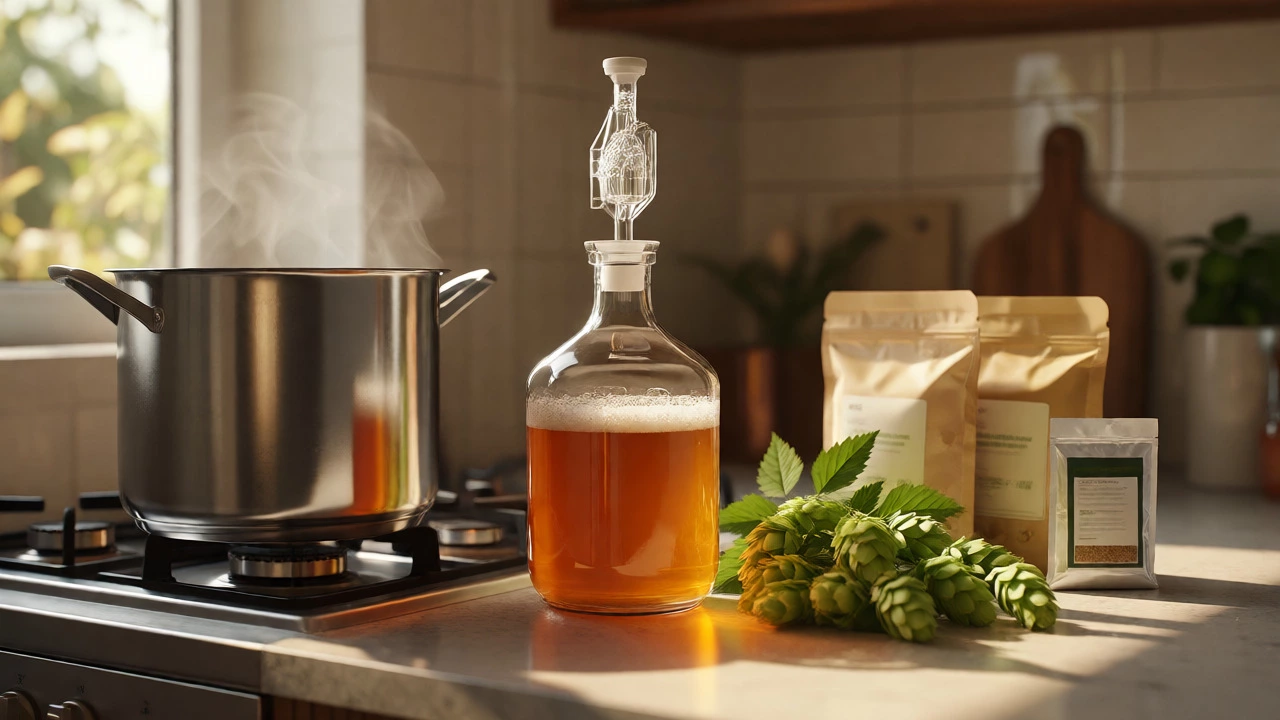
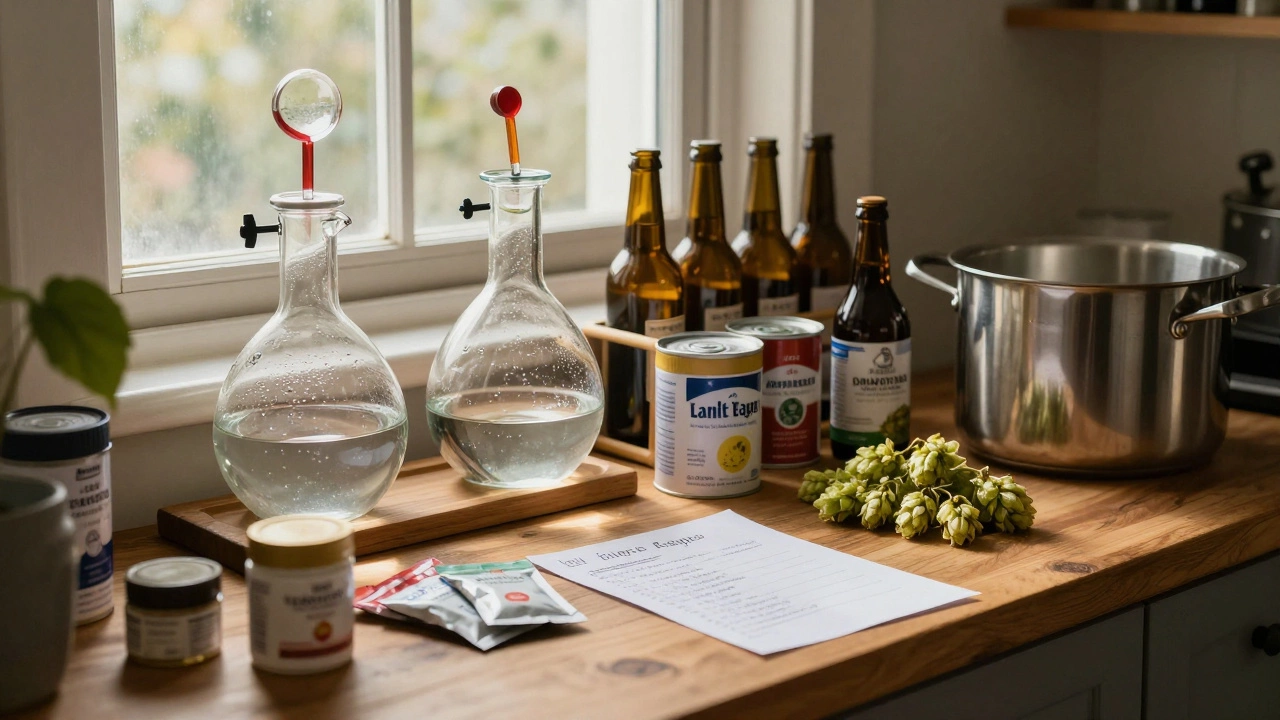
The first thing to decide is whether you’ll use a home brew kit or start from scratch. A kit bundles malt extract, hops, yeast and clear instructions, so it’s perfect for the first batch. For beginners the easiest recipes are pale ales and wheat beers – they tolerate a bit of temperature swing and don’t need exotic hops.
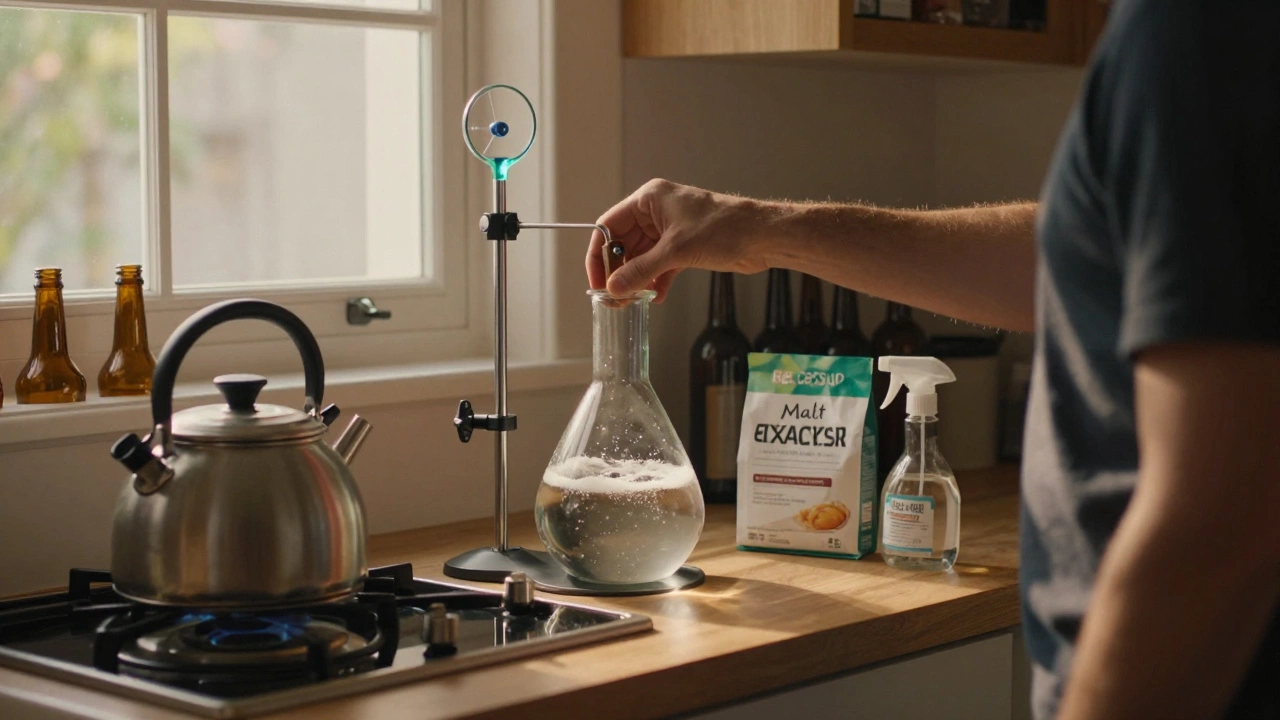
Fermentation is the heartbeat of brewing. Most kits recommend two weeks, but the exact length depends on temperature and yeast strain. If the brew stays around 68‑70°F, 14 days usually clears most sugars. Taste a bit earlier if you like a lighter profile; let it go longer for a dryer finish.
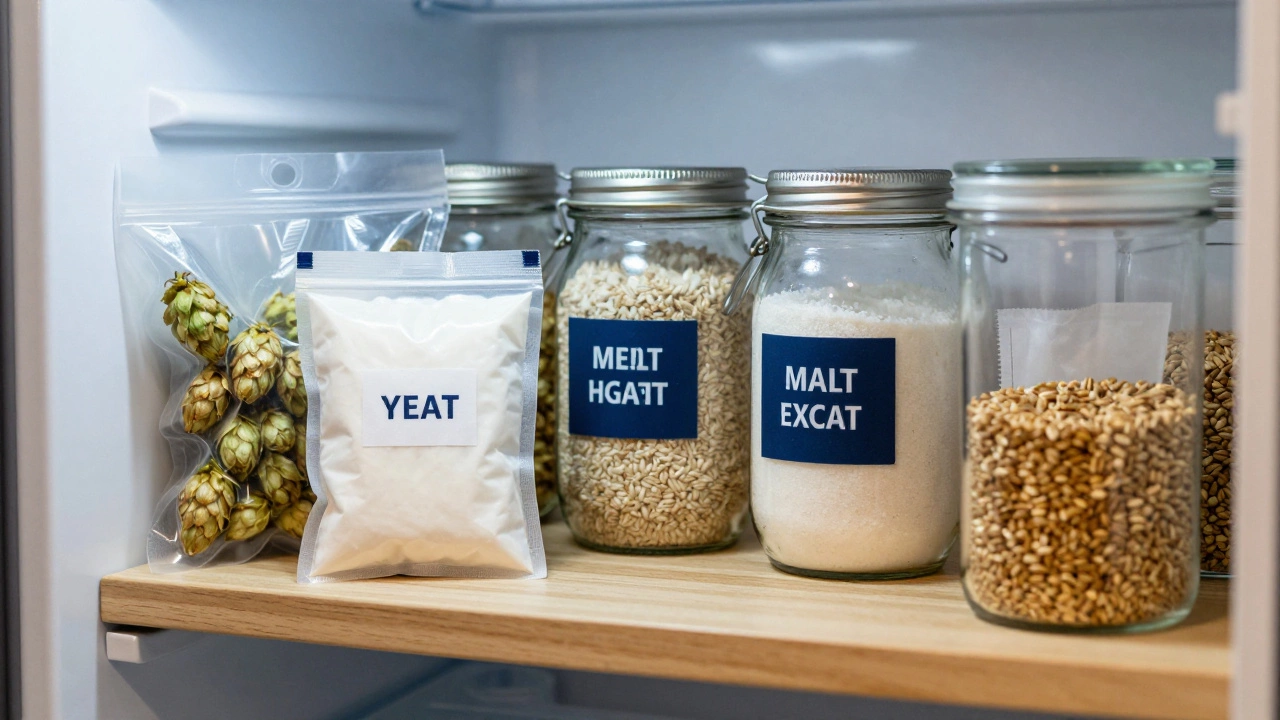
When it comes to yeast, pick a strain that matches your style. Ale yeasts work at lower temps and give fruity notes, while lager yeasts need cooler storage but produce clean flavors. Store yeast in the fridge and keep it sealed to protect it from moisture.
Advanced Questions Answered
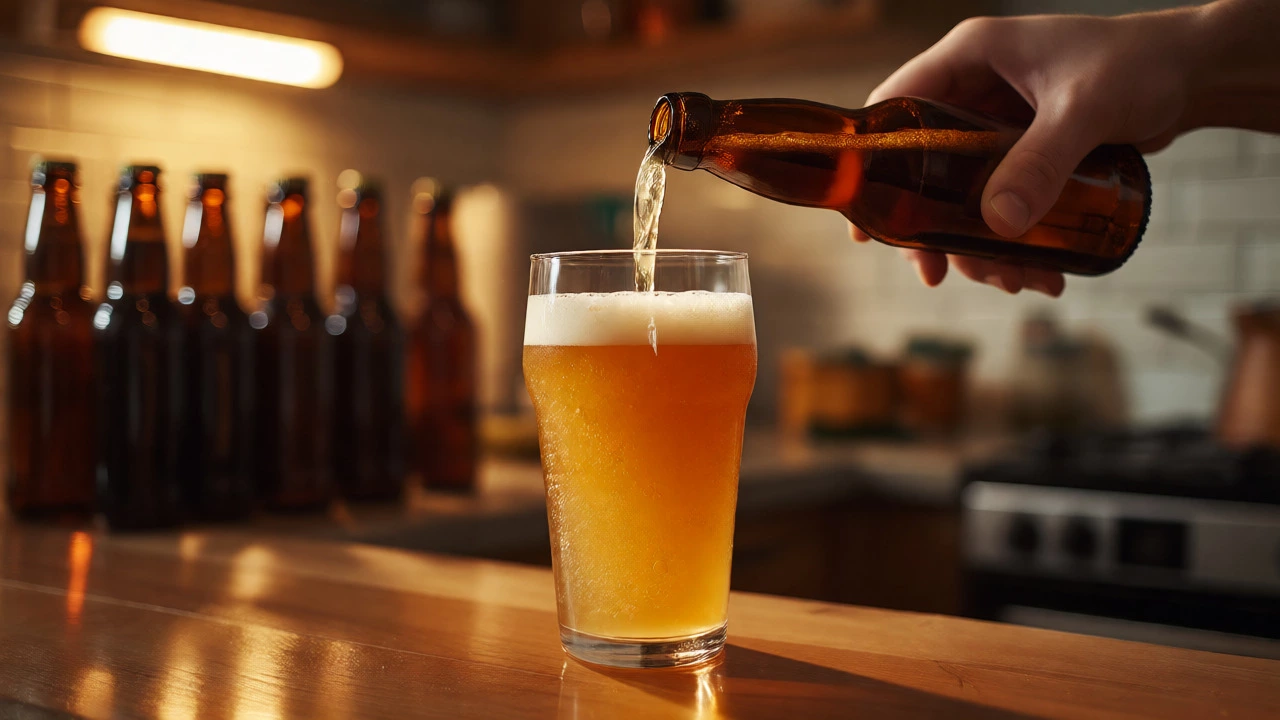
Wondering how long to chill your beer before cracking it open? Most styles taste best after 48‑72 hours in the fridge, which lets carbonation settle and flavors meld. Light‑sensitive beers should stay in dark containers; exposure can cause a skunky off‑taste.
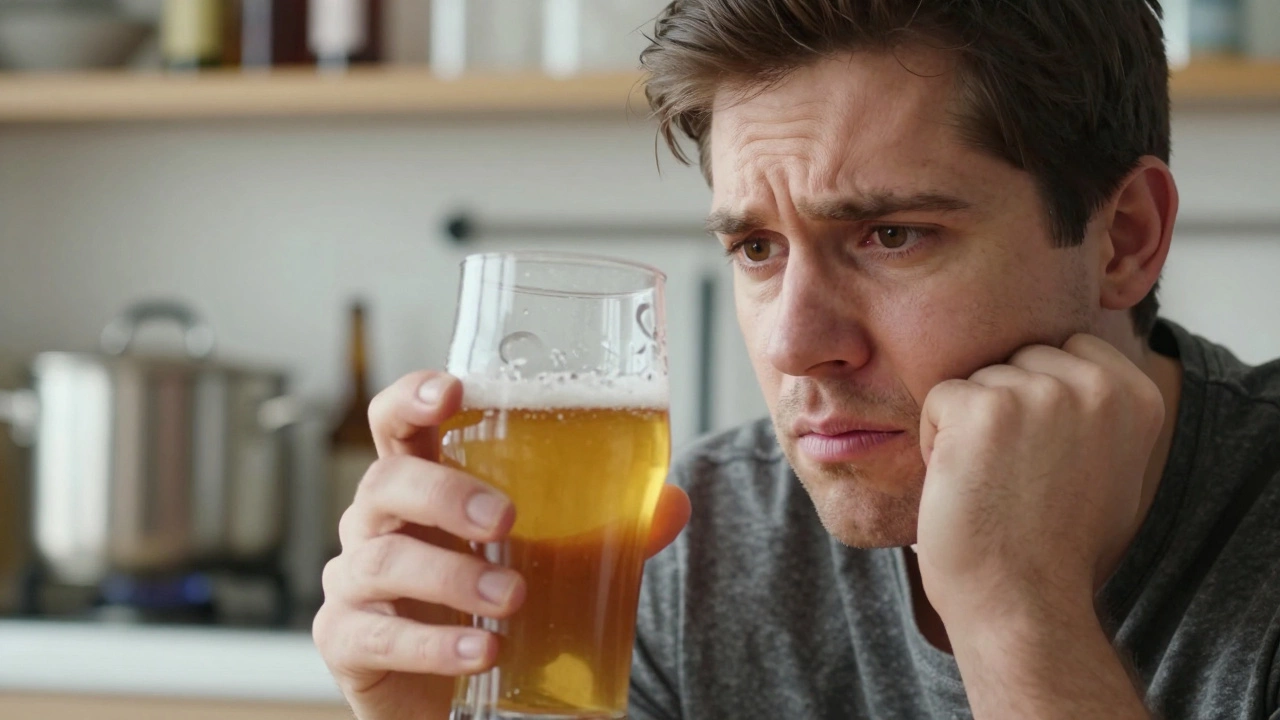
Safety matters. Before you sip, check for off‑smells, odd colors or excessive foam. If anything looks or smells sour in a non‑sour beer, it could be contamination. A quick pH test or checking the specific gravity can also confirm fermentation ended correctly.
Cost can surprise new brewers. The biggest expense is usually equipment – a fermenter, airlock and sanitizer. Ingredients are a smaller chunk, but premium hops and specialty yeast add up. Budget‑friendly brewers can reuse bottles and keep fermenters for multiple batches.
Can you sell your homebrew? Generally no – most countries prohibit selling home‑brewed beer without a license because of health regulations. You can share with friends, but turning it into a side hustle requires commercial permits and proper label compliance.
If you’re hunting for a challenge, try brewing a Belgian Tripel or a barrel‑aged stout. These styles demand precise temperature control and longer aging, but nailing them earns serious bragging rights. Start simple, then step up as you get comfortable.
Finally, keep track of how much beer each kit actually yields. A typical 5‑gallon kit gives roughly 40‑45 pints, but losses happen during transfers and packaging. Knowing your true output helps you plan future batches and avoid surprise shortages.
Home brewing is a mix of science and fun. Follow these basics, experiment with one variable at a time, and you’ll see steady improvement. Grab a kit, set a fermentation schedule, and enjoy the first sip of something you made yourself.





Categories