Homebrew Difficulty Calculator
Temp Precision
Required strictness
Time Commitment
Patience required
Technical Skill
Knowledge needed
Analysis:
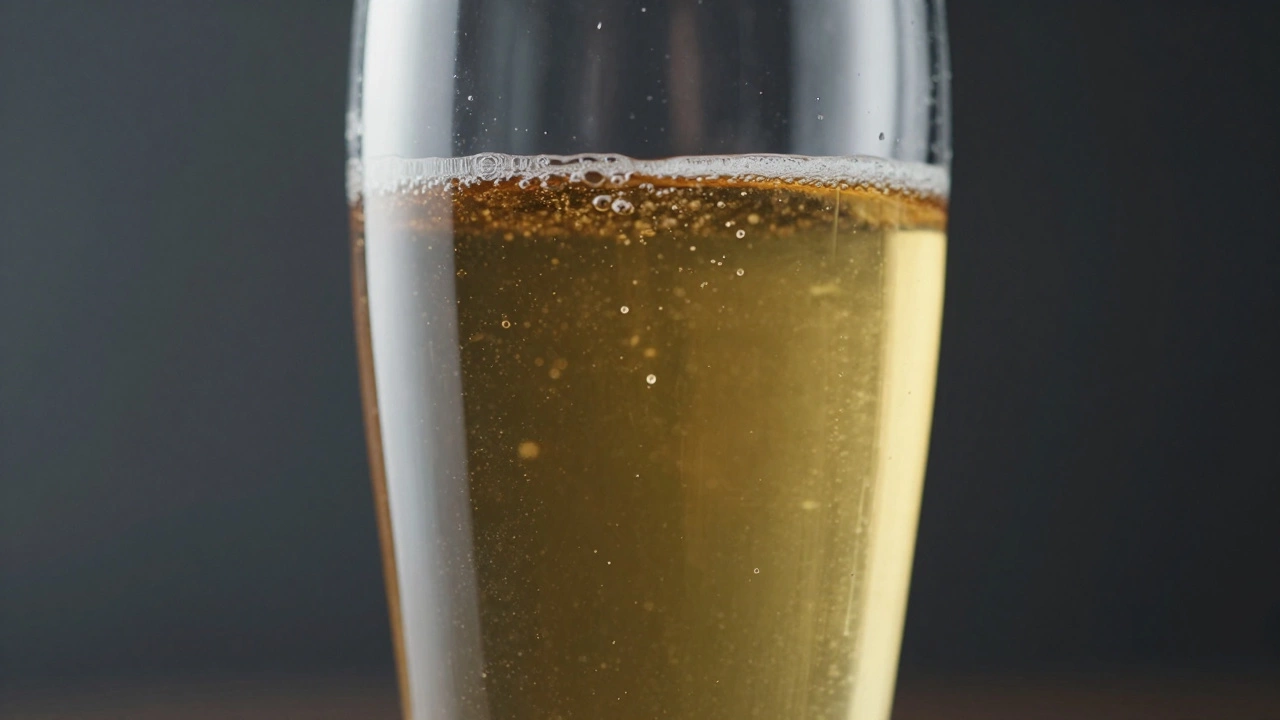
There is a specific kind of heartbreak in homebrewing that only happens when you brew a beer with almost no flavor. You pour a glass of crystal-clear, golden liquid, take a sip, and taste... nothing. Or worse, you taste a faint hint of buttery diacetyl or green apple acetaldehyde. In an American IPA, those flaws would be drowned out by piney hops. In a stout, they’d hide behind roasted malt. But in a clean lager? They scream.
This is why certain beer styles have earned a reputation as the "boss levels" of homebrewing. These aren't just hard because they are complex; they are hard because they are unforgiving. If you make a mistake in sanitation, temperature control, or yeast management, the beer will tell you exactly what you did wrong. For new brewers looking to expand their repertoire, knowing which styles to avoid-and which to tackle first-is crucial for maintaining sanity and confidence.
The Clean Slate: Why Pale Lagers Are the Ultimate Test
If you ask experienced brewers on forums like HomebrewTalk or read expert analyses from authors like John Palmer, one style consistently rises to the top of the difficulty list: German Pilsner (and its cousins, Czech Premium Pale Lager and Munich Helles). According to a widely cited poll by Michael Tonsmeire on The Mad Fermentationist, nearly 40% of respondents identified clean pale lagers as the toughest beers to brew. This isn't about the recipe complexity-Pilsners often use simple ingredient lists-but about execution precision.
The core challenge is transparency. A Pilsner has low original gravity (typically 1.030-1.052), moderate bitterness (8-45 IBU), and a very light color (2-5 SRM). There is no heavy roast, no aggressive hop aroma, and no fruity ester profile to mask fermentation errors. As Jeff Alworth noted in his analysis for Beervana, Pilsners expose every flaw. Even trace amounts of diacetyl (>0.10 ppm) or oxidation become glaringly obvious.
Beyond flavor masking, these beers demand strict environmental control:
- Tight Temperature Windows: Traditional lager yeast (Saccharomyces pastorianus) ferments best between 8-12 °C (46-54 °F). Maintaining this within a ±1 °C window usually requires a dedicated fermentation chamber with a digital controller, not just a cool closet.
- Diacetyl Rests: To ensure a clean finish, you must raise the temperature to ~15-18 °C near the end of fermentation to allow yeast to reabsorb buttery byproducts, then crash chill quickly.
- Extended Lagering: Commercial Pilsners aged for months. Homebrewers typically need 3-8 weeks at near-freezing temperatures (0-2 °C) to clarify the beer and smooth out harsh edges. This means your fermenter is occupied for 6-10 weeks total, compared to 2-3 weeks for an ale.
For beginners, the combination of expensive equipment needs, long wait times, and zero margin for error makes the Pilsner a frustrating first project. It is far better to master a forgiving American Pale Ale before attempting this level of precision.
The Wild Card: Traditional Mixed-Fermentation Sours
If lagers test your technical precision, traditional sour beers test your patience and microbiology knowledge. Styles like Lambic, Gueuze, and Flanders Red Ale accounted for 27% of votes in the same community poll as lagers. These beers rely on mixed cultures of Brettanomyces, Lactobacillus, and Pediococcus, creating complex, tart, and funky profiles that are incredibly rewarding but notoriously unpredictable.
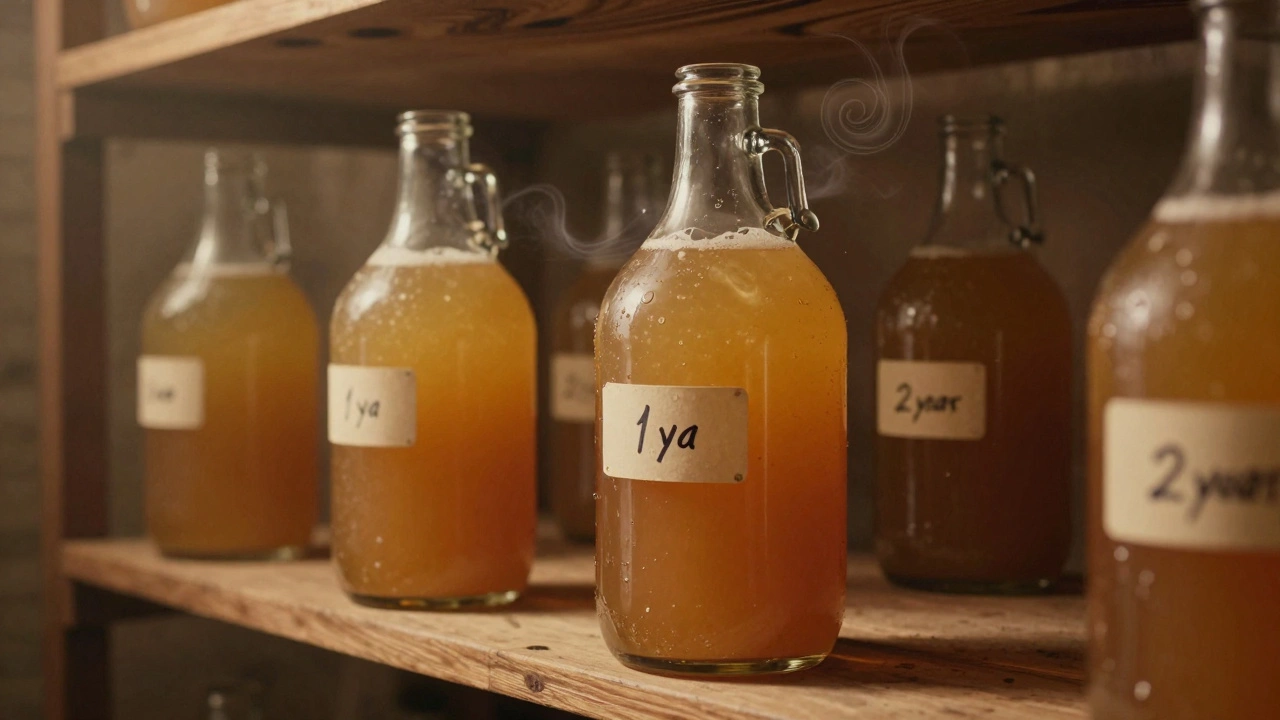
The primary hurdle is time. Traditional Lambics undergo spontaneous fermentation and age for 1-3 years. Homebrewers using commercial blends still face timelines of 6-36 months. During this period, the beer evolves slowly, requiring regular tasting and blending decisions. You cannot simply bottle a Lambic after two weeks and hope for the best.
Sanitation becomes a double-edged sword. While cleanliness is vital to prevent unwanted spoilage organisms, you also need to manage beneficial wild bacteria without cross-contaminating your other batches. Experts like Michael Tonsmeire recommend dedicating specific plastic tubing, buckets, and even kegs exclusively to sour brewing. Mixing up your equipment can ruin a batch of IPA with Brettanomyces, leading to a "barnyard" funk that is impossible to remove.
Furthermore, blending is an art form. Gueuze, for example, is made by blending young (1-year-old) and old (2-3-year-old) Lambics to balance acidity, carbonation potential, and flavor complexity. Without experience, it is easy to create a beer that is either too vinegary or flatly dull.
The Yeast Stress Test: High-Gravity Beers
High-gravity beers-anything with an Original Gravity (OG) above 1.080, such as Imperial Stout, Barleywine, or Belgian Quadrupel-present a different set of physiological challenges. In community surveys, these styles ranked third in difficulty (12%), largely due to the stress placed on yeast during fermentation.
Yeast cells struggle in high-sugar environments. As they consume sugar and produce alcohol, they face osmotic pressure and toxicity from the rising ABV. If you do not pitch enough healthy yeast cells, the fermentation will stall, leaving the beer cloyingly sweet. Alternatively, stressed yeast produces fusel alcohols, resulting in a hot, solvent-like taste that ruins the drinkability of the beer.
To brew these successfully, you must calculate precise pitching rates. For a 20-liter batch of 1.100 OG wort, you may need 350-450 billion viable cells, which often requires multiple yeast starters or repitching from previous batches. Oxygenation is equally critical; dissolved oxygen solubility decreases as gravity increases. Using pure oxygen with a diffusion stone to achieve 8-10 ppm dissolved oxygen is often necessary, rather than just shaking the fermenter with air.
Even if you nail the fermentation, high-gravity beers rarely taste good immediately. Imperial Stouts and Barleywines benefit from 6-12 months of aging to mellow out harsh alcohol notes. This represents a significant investment of ingredients (often >7 kg of malt per batch) and time, with no guarantee of success if the initial fermentation was flawed.
The Flavor Balancing Act: Yeast-Driven Belgian and Wheat Styles
While less frequently cited as the "absolute hardest," yeast-driven styles like Hefeweizen, Saison, and Belgian Tripel require a nuanced understanding of fermentation chemistry. Unlike lagers where you minimize esters and phenols, here you must actively cultivate them.
A classic Bavarian Hefeweizen relies on a delicate balance between banana (isoamyl acetate) and clove (4-vinyl guaiacol) flavors. Achieving this ratio depends heavily on:
- Fermentation Temperature: Typically 17-22 °C, with slight variations affecting ester production.
- Pitch Rate: Under-pitching slightly can increase ester formation, but too little leads to stuck fermentation.
- Mash Regime: A ferulic acid rest at ~44 °C helps convert precursors into the desired clove character.
Saisons present their own unique challenge: unpredictability. Many Saison strains, particularly those derived from Dupont, are known to stall around 1.030 unless fermented at warm temperatures (24-32 °C) and given ample time. Managing this ramp-up while avoiding fusel alcohol production requires careful monitoring and intuition that comes only with practice.
Process-Intensive Specialties: Barrel-Aging and Additions
Beyond specific beer styles, certain processes add layers of complexity that deter beginners. Beers involving post-primary additions-such as oak chips for barrel-aged character, fruit, spices, or coffee-require knowledge of extraction rates and contamination risks.
For example, adding oak cubes involves balancing surface area, toast level, and contact time. Too much oak or too long a duration results in astringent, woody flavors that overpower the beer. Similarly, adding fruit introduces water content and varying sugar levels, which can restart fermentation and cause over-carbonation or bottle bombs if not managed correctly. Gordon Strong suggests bench trials for spice additions to determine optimal dosing, a step many novice brewers skip at their peril.
| Beer Style Category | Primary Challenge | Key Equipment Needed | Typical Timeline | Flaw Masking Ability |
|---|---|---|---|---|
| Clean Pale Lagers (Pilsner) | Temperature precision & sanitation | Fermentation chamber, digital controller | 6-10 weeks | Very Low |
| Traditional Sours (Lambic) | Microbiology & blending skill | Dedicated sour equipment, storage space | 12-36 months | Low (complexity hides some flaws) |
| High-Gravity (Imperial Stout) | Yeast health & oxygenation | Oxygen wand, large starters | 3-12 months | Medium (roast/hops help) |
| Yeast-Driven (Hefeweizen) | Ester/Phenol balance | Temperature control | 3-4 weeks | Low-Medium |
Strategic Advice: When to Tackle Hard Styles
So, should you avoid these beers entirely? Not necessarily. But sequencing matters. Most experts, including John Palmer and Jamil Zainasheff, recommend starting with forgiving ales like American Pale Ale or Porter. These styles have higher bitterness and darker malts that mask minor fermentation off-flavors, allowing you to focus on mastering sanitation, basic mash chemistry, and packaging techniques.
Once you have brewed several successful batches of ales, consider moving to intermediate styles like Kölsch (a hybrid ale/lager) or lighter Belgian ales. Only after you have invested in proper temperature control equipment and gained confidence in yeast management should you attempt a German Pilsner or a traditional Sour.
Modern advancements have lowered some barriers. Kveik yeasts allow for clean lager-like profiles at warmer temperatures, and kettle souring enables quick sour beers without long-term aging. However, the traditional versions of these difficult styles remain excellent benchmarks for skill. They teach you that brewing is not just about following a recipe, but about controlling the environment and respecting the biology of fermentation.
Why are Pilsners considered the hardest beer to brew?
Pilsners are considered the hardest because they offer no flavor cover for flaws. Their light color, low bitterness, and clean profile mean that any fermentation off-flavors like diacetyl (butter) or acetaldehyde (green apple) are immediately noticeable. Additionally, they require strict temperature control (8-12°C) and extended cold conditioning (lagering) for several weeks, demanding more equipment and patience than most ales.
Can beginners brew sour beers like Lambic?
Traditional Lambics are generally not recommended for beginners due to their complexity. They require managing mixed cultures of yeast and bacteria, dedicated equipment to prevent cross-contamination, and aging periods of 1-3 years. Beginners might start with "kettle sours," which are faster and easier to control, before attempting traditional mixed-fermentation sours.
What makes high-gravity beers like Imperial Stout difficult?
High-gravity beers stress yeast significantly due to high sugar concentrations and rising alcohol levels. This can lead to stalled fermentations or the production of fusel alcohols (hot, solvent-like flavors). Success requires precise yeast pitching rates, adequate oxygenation (often using pure O2), and sometimes nutrient supplementation. They also benefit from long aging periods to mellow out harsh flavors.
Is it harder to brew a Hefeweizen than an IPA?
It depends on your goals. An IPA allows you to mask fermentation flaws with hops, making it more forgiving for beginners. A Hefeweizen requires you to intentionally produce specific esters (banana) and phenols (clove) in a balanced ratio. This demands precise temperature control and understanding of yeast behavior, making it technically more challenging to get right consistently, though less punishing if slightly off.
Do I need special equipment to brew lagers at home?
Yes, reliable temperature control is essential for brewing clean lagers. A standard refrigerator or freezer modified with an external digital temperature controller (like an Inkbird) is highly recommended to maintain the tight 8-12°C fermentation window. Without this, achieving a clean, professional-tasting lager is extremely difficult.




Categories