Home Brewing Kit Freshness Calculator
Kit Details
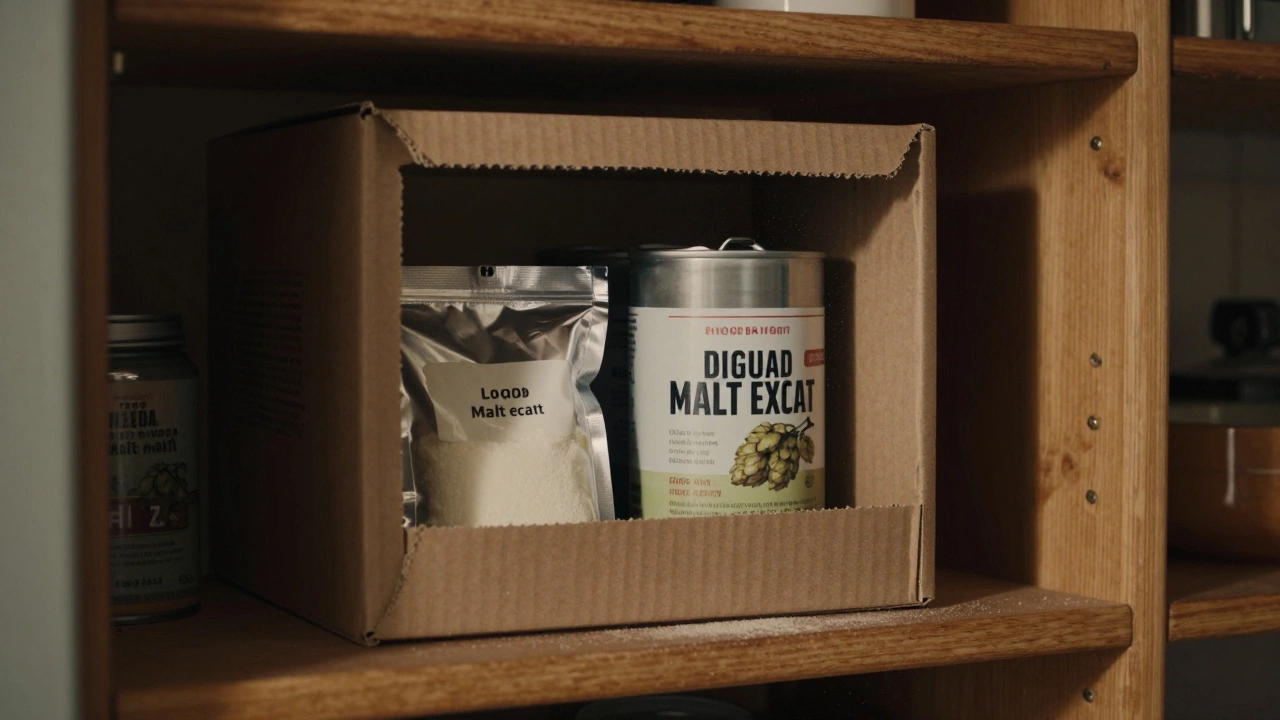
You bought that home brewing kit is a complete package containing malt extract, yeast, hops, and instructions for making beer at home on sale last month. You didn’t have time to brew it then, so you shoved it in the cupboard. Now, months later, you’re staring at the box wondering if it’s still good to use. Can you really wait six months before opening a beer kit? Or will your batch turn into vinegar?
The short answer is: it depends entirely on what’s inside that box. A home brewing kit isn’t one single product with one expiration date. It’s a collection of perishable ingredients-yeast, malt extract, and hops-that degrade at different speeds. If you store them correctly, you might get away with using an older kit. If you don’t, you could end up with a flat, stale, or infected brew.
Key Takeaways
- Overall Kit Lifespan: Most complete kits last 12-18 months from manufacture if stored in cool, dark conditions.
- Dry Yeast: The most stable component; lasts up to 2 years unopened, but only a few months once opened.
- Liquid Malt Extract (LME): Good for 1-2 years unopened, but only 3 months after opening due to oxidation.
- Hops: Lose aroma quickly; best used within 6-12 months, especially if not frozen.
- Storage Rule: Keep everything cool (50-70°F), dry, and away from light. Never store dry ingredients in the fridge unless specified.
Why Your Kit Has No Single Expiration Date
When you buy a pre-packaged beer kit, the manufacturer usually prints a "best by" date on the box. This date is often conservative, designed to guarantee peak quality rather than safety. However, this date applies to the entire package as a whole. In reality, the yeast might be fresh while the malt extract has already started oxidizing, or vice versa.
To understand how long your kit will last, you need to look at its components individually. The limiting factor-the ingredient that expires first-determines when you should brew. For most kits, this is either the liquid malt extract or the yeast. If you ignore the individual lifespans, you risk brewing with dead yeast or stale sugar sources.
Dry Yeast: The Survivor of the Kit
If your kit comes with dry yeast, you are in luck. Dry yeast is dehydrated, which puts the cells into a dormant state. This makes it incredibly resilient compared to other ingredients. An unopened packet of dry yeast can remain viable for up to 24 months if stored at room temperature in a dry place.
However, "viable" doesn't always mean "vigorous." Older yeast may take longer to start fermenting, known as a longer lag phase. This increases the risk of wild bacteria contaminating your wort before the yeast gets going. If you’re using a dry yeast packet that’s over a year old, consider making a small starter or adding a pinch of fresh yeast to ensure a healthy fermentation.
Once you open the foil pouch, the clock starts ticking fast. Moisture and oxygen kill dry yeast quickly. Use any leftover dry yeast within a few weeks, and store it in an airtight container in the refrigerator if you must save it. Do not freeze dry yeast, as the ice crystals can rupture the cell walls.
Liquid Malt Extract (LME): The Oxidation Risk
Liquid malt extract is the most common form of sugar source in beginner kits. It comes in heavy cans or bags. Unopened, LME can last between 1 and 2 years. The key here is the packaging. High-quality kits use cans with oxygen-barrier linings to prevent oxidation. Cheap cans may allow slow oxygen ingress, leading to stale flavors even before the expiration date.
Once you puncture the can or open the bag, the lifespan drops dramatically. Oxygen exposure causes the malt to oxidize, resulting in cardboard-like or sherry-like off-flavors in your beer. You should use opened LME within 3 months. Store it in a sealed plastic jug in a cool, dark place. Do not refrigerate LME for long periods, as extreme cold can cause it to thicken or separate, though it is usually safe to warm and stir before use.
How do you know if LME has gone bad? It’s hard to tell visually. Old LME darkens slightly and becomes more viscous, but these changes aren’t definitive signs of spoilage. Smell it. Fresh LME smells like sweet bread or caramel. Stale LME smells dusty, musty, or like wet cardboard. If it smells off, toss it.
Dry Malt Extract (DME): A Closer Alternative
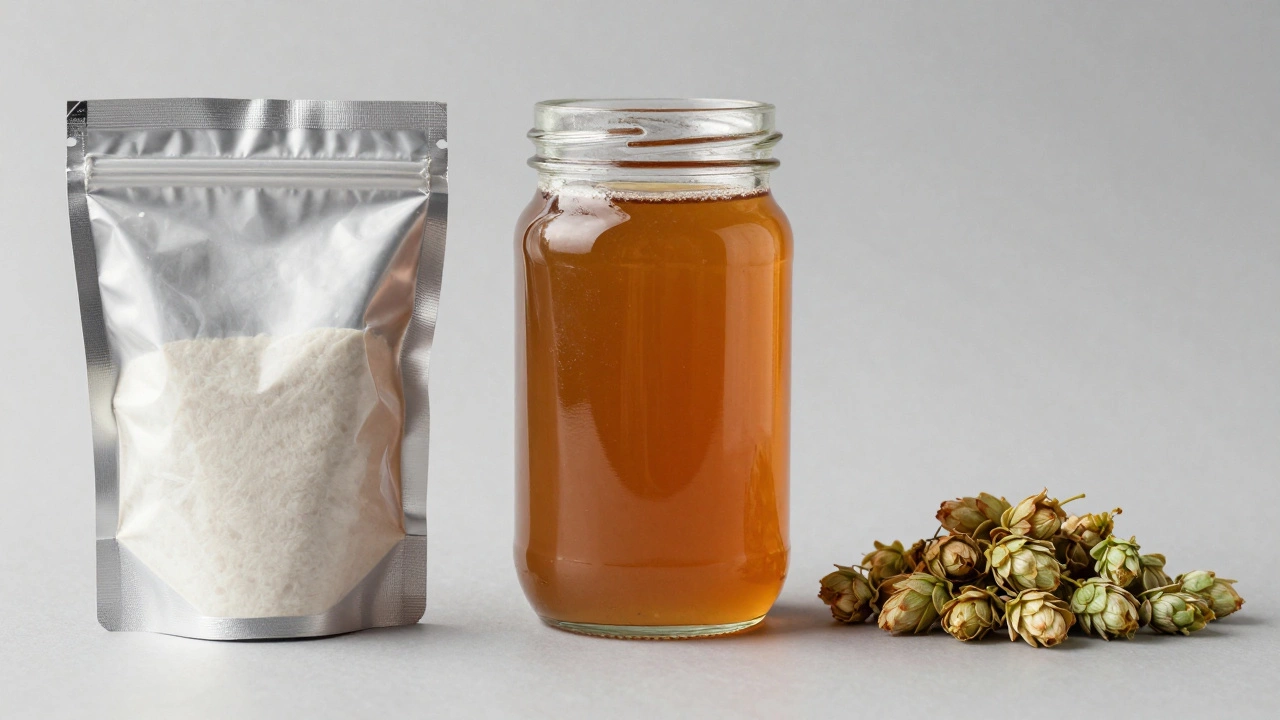
Some kits use dry malt extract instead of liquid. DME looks like coarse brown sugar. It has a similar shelf life to LME when unopened: about 1.5 to 2 years. However, DME is hygroscopic, meaning it absorbs moisture from the air very easily. If the bag is compromised or left open, DME will clump and become unusable.
Store DME in a tightly sealed container with a desiccant pack if possible. Like LME, once opened, try to use it within 3-6 months. DME is generally less prone to oxidation than LME but more prone to moisture damage.
Hops: Aroma vs. Bitterness
Hops are delicate. They contain essential oils that provide aroma and flavor, and alpha acids that provide bitterness. Over time, the oils evaporate and oxidize, leaving behind mostly bitter compounds. Hops in a kit typically last 6 to 12 months if stored properly.
If your kit uses pelletized hops, they are more stable than whole cone hops. To maximize hop life, store them in the freezer. Freezing slows down the degradation of hop oils significantly. If you don’t have a dedicated freezer space for hops, keep them in the coldest part of your pantry, away from light. Light kills hops faster than heat does.
Using old hops won’t make your beer unsafe, but it will change the character. You’ll get more bitterness and less aroma. If you’re brewing an IPA or a pale ale where hop aroma is crucial, avoid using hops older than 6 months. For stouts or porters, where bitterness is balanced by roasted malts, older hops are less noticeable.
Specialty Grains and Steeping Ingredients
Many kits include specialty grains for steeping, such as crystal malt, chocolate malt, or oats. These grains are relatively stable. Unmilled grains can last for over a year without significant quality loss. However, if the grains are pre-crushed or milled, their surface area is exposed to oxygen, causing them to stale much faster. Use milled grains within 2 to 4 weeks.
Check for signs of pest infestation. Grains can attract weevils or moths if stored in non-airtight containers. Inspect the grains before use. If you see bugs or webbing, discard them immediately.

Optimal Storage Conditions for Maximum Shelf Life
Temperature and light are the enemies of brewing ingredients. Here is how to store each component to extend its life:
| Component | Ideal Temperature | Light Exposure | Container Type |
|---|---|---|---|
| Dry Yeast | Room Temp (Cool) | None (Dark) | Airtight Foil Pouch |
| Liquid Malt Extract | 50-70°F (10-21°C) | None (Dark) | Sealed Jug/Can |
| Dry Malt Extract | 50-70°F (10-21°C) | None (Dark) | Airtight Plastic Bag |
| Hops | Freezer (Best) | None (Dark) | Vacuum Sealed/Opaque |
| Specialty Grains | Cool & Dry | Minimal | Airtight Container |
Never store dry ingredients in the refrigerator unless specifically instructed. Refrigerators are humid environments, and condensation can ruin dry yeast and malt extract. Instead, find a cool, dark closet or cupboard. Avoid garages or sheds where temperatures fluctuate wildly, as heat cycles accelerate degradation.
Can You Brew with an Expired Kit?
Yes, but with caution. "Expired" usually means past the manufacturer’s recommended date, not that the ingredients are toxic. Using an out-of-date kit may result in:
- Slower Fermentation: Weak yeast takes longer to work, increasing infection risk.
- Off-Flavors: Oxidized malt leads to stale, cardboard notes.
- Flat Beer: Dead yeast may not produce enough carbonation during bottling.
If you decide to brew with an old kit, take these steps:
- Inspect Ingredients: Smell the malt and check the yeast packet for bloating (sign of CO2 buildup from dying yeast).
- Boost the Yeast: Add a fresh packet of dry yeast to ensure vigorous fermentation.
- Add Priming Sugar: If bottling, add extra priming sugar to compensate for potential weak carbonation.
- Sanitize Rigorously: Old ingredients mean higher risk. Ensure all equipment is impeccably clean.
Don’t expect award-winning results. The beer might be drinkable, but it likely won’t match the freshness of a kit brewed within three months of purchase.
Finished Beer vs. Kit Shelf Life
It’s important to distinguish between the shelf life of the kit and the shelf life of the finished beer. Once you’ve brewed your beer, it doesn’t last forever either. Most homebrews are best consumed within 6 months of bottling. Unlike wine, beer does not improve with age. Flavors fade, and oxidation occurs. So, even if your kit lasted two years in the cupboard, your finished beer should be enjoyed relatively soon.
Pro Tips for Buying and Storing Kits
To maximize your success, follow these practical tips:
- Buy Fresh: Ask retailers about the production date. Avoid kits sitting on shelves for months.
- Brew Soon: Aim to brew within 2-3 weeks of purchase for optimal flavor.
- Label Opened Items: If you split a large LME can, label the remaining portion with the date it was opened.
- Freeze Hops: If you buy extra hops, freeze them immediately in small portions.
- Check Sales Wisely: Only buy discounted kits if they are close to current production dates. Old stock on clearance is rarely worth the risk.
Can I put my home brewing kit in the fridge?
Generally, no. Dry yeast, malt extract, and grains should be stored in a cool, dry place at room temperature. Refrigeration introduces humidity, which can clump dry ingredients and promote mold growth. The exception is liquid yeast, which requires refrigeration to stay viable.
How do I know if my dry yeast is dead?
You can perform a simple viability test. Dissolve a pinch of yeast in warm water (not hot) with a tiny bit of sugar. If it foams and bubbles within 15-30 minutes, it’s alive. If nothing happens, the yeast is likely dead or too weak to ferment effectively.
Does malt extract expire?
Yes. Unopened liquid malt extract lasts 1-2 years. Once opened, it should be used within 3 months. Signs of expiration include a sour smell, unusual discoloration, or separation that doesn’t mix back together.
Can I freeze my entire brewing kit?
No. Freezing liquid malt extract can cause it to separate and become difficult to pour. Dry yeast can be damaged by freezing. Only hops benefit from freezing. Store the rest of the kit in a cool, dark cupboard.
Is it safe to drink beer made from an expired kit?
Usually yes, but it may taste bad. Expired ingredients don’t typically produce toxins, but they can lead to incomplete fermentation or contamination by wild bacteria. If the beer smells foul, vinegary, or cheesy, do not drink it. If it just tastes stale, it’s safe but unpleasant.
What is the difference between LME and DME shelf life?
Both last about 1-2 years unopened. However, DME is more sensitive to moisture and can clump if exposed to humidity. LME is more sensitive to oxidation once opened. Choose based on your storage environment: dry places favor DME, while cool, dark places favor LME.
How long do hops last in a kit?
Hops lose aroma potency quickly. In a standard kitchen cupboard, they last 6-12 months. In the freezer, they can last 1-2 years. For best results in aromatic beers, use hops within 6 months of purchase.
Should I buy kits in bulk?
Only if you brew frequently. If you brew once every 3-4 months, buying in bulk ensures you always have fresh ingredients. If you brew sporadically, buy only what you need to avoid wasting expired stock.




Categories