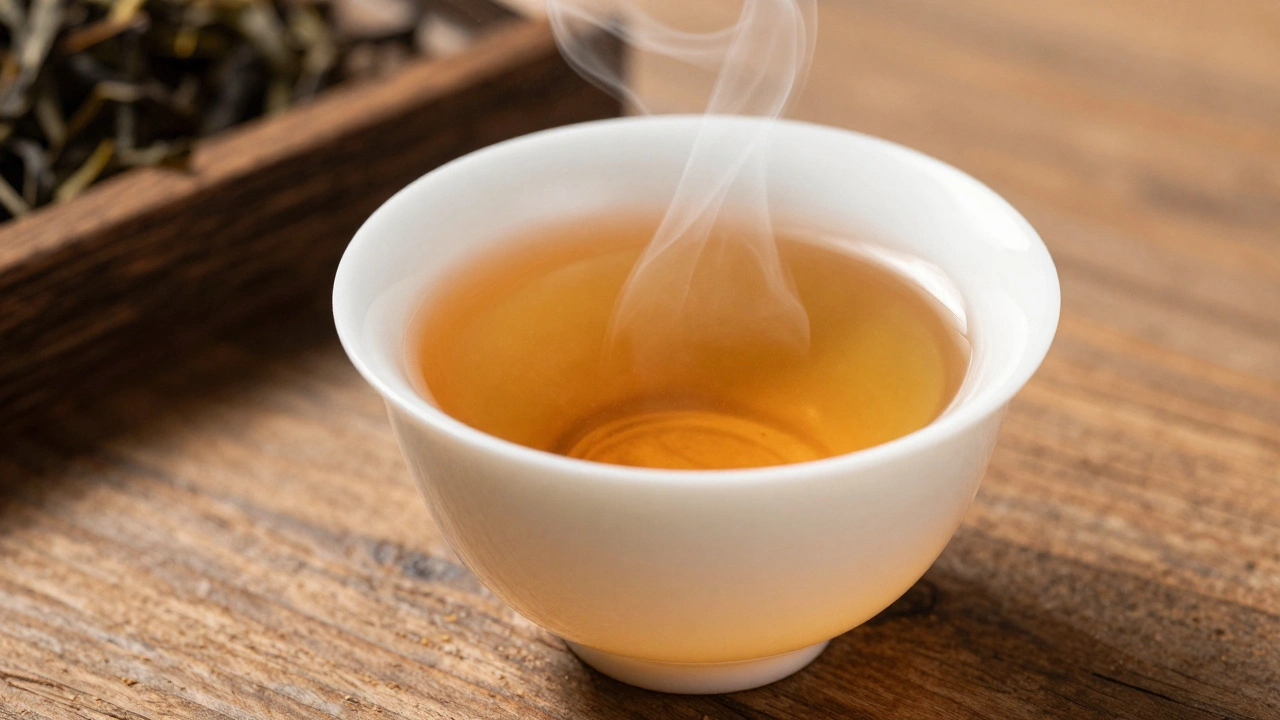
Tea Tasting Profile Builder
Have you ever sipped a cup of tea and struggled to explain exactly what made it special? You might know it tastes "good," but when asked for details, the words just don't come. This is a common hurdle for anyone moving from casual drinking to serious tea tasting, which is the practice of systematically evaluating the sensory qualities of tea to identify its unique characteristics. Describing tea isn't about using fancy vocabulary to sound smart; it's about building a shared language so you can communicate your experience clearly. Whether you are comparing two green teas or trying to find that one perfect oolong again, knowing how to break down the sensation into aroma, flavor, mouthfeel, and finish changes everything.
Before we get into the specific words, let's look at why this matters. If you work in an industry where precision helps, like reviewing profiles on this directory, you quickly learn that vague descriptions lead to bad choices. The same logic applies to tea. If you tell a vendor you want something "nice," they have no idea what you mean. But if you say you want a "brisk black tea with malty notes and a long finish," you get exactly what you're looking for. It’s the difference between guessing and knowing.
The Four Pillars of Tea Description
To describe tea effectively, you need to separate the experience into four distinct parts. Most people lump everything together as "taste," but our brains process these signals differently. Think of it like analyzing a song: you have the melody, the rhythm, the bassline, and the lingering echo. In tea, those elements are aroma, flavor, mouthfeel, and finish.
- Aroma: What you smell before and while you drink. This comes from volatile compounds hitting your nose.
- Flavor: The actual taste sensations detected by your tongue (sweet, sour, bitter, salty, umami).
- Mouthfeel: How the liquid feels physically-thick, thin, creamy, drying.
- Finish: The aftertaste that remains after you swallow.
By isolating these four pillars, you stop giving generic reviews and start providing actionable feedback. Let’s look at each one closely.
Aroma vs. Flavor: The Nose Knows
Here is a surprising fact: up to 80% of what we think of as "flavor" actually comes from our sense of smell. When you sip tea, aromas travel from the back of your throat up to your nasal cavity. This is called retronasal olfaction. That’s why your food tastes bland when you have a cold.
In tea tasting, we distinguish between orthonasal aroma (smelling the dry leaf or the steam) and retronasal aroma (what smells rise while you sip). Professional tasters often note these separately. For example, a high-mountain oolong might smell like fresh orchids in the cup (orthonasal) but reveal a buttery, sweet creaminess as you swallow (retronasal). Using words like "heady" for intense, spicy aromas or "delicate" for subtle floral scents helps pinpoint exactly where the scent hits you.
Decoding Mouthfeel and Body
Mouthfeel is often the most overlooked part of tea description, yet it’s crucial. It’s not about taste buds; it’s about texture. Does the tea feel light and watery, or thick and coating? We use the term "body" to describe this weight.
| Descriptor | Sensation | Example Tea Type |
|---|---|---|
| Thick / Heavy | Coats the tongue, feels substantial | Aged Pu-erh, High-grade Gyokuro |
| Thin / Light | Watery, quick to pass through | Young White Tea, weakly brewed Green |
| Astringent | Drying, puckering sensation (like over-steeped black tea) | Strong Assam, Over-brewed Oolong |
| Smooth / Round | No harsh edges, easy to drink | Well-balanced Black Tea, Milk Oolong |
| Lubricant / Creamy | Slippery, oily texture | Tie Guan Yin, Some Roasted Oolongs |
Astringency is a key concept here. It’s that drying feeling in your mouth caused by polyphenols binding to proteins in your saliva. A little astringency adds structure (we call this "briskness" in black teas), but too much makes the tea taste harsh. Learning to distinguish between pleasant briskness and unpleasant dryness is a sign of a developing palate.
The Flavor Families: Building Your Vocabulary
Once you’ve handled the texture and smell, you need to name the actual flavors. Instead of inventing new words every time, rely on established flavor families. These categories act as anchors for your descriptions.
- Vegetal / Grassy: Common in green teas. Think cut grass, spinach, or seaweed.
- Floral: Jasmine, rose, orchid, or honey blossom notes. Often found in oolongs and white teas.
- Fruity: Can be citrusy (lemon, orange peel), berry-like, or tropical (mango, peach). Darjeeling blacks often have a muscat grape character.
- Nutty / Toasty: Chestnut, almond, or roasted corn. Typical of Chinese Longjing or roasted hojicha.
- Earthy / Woody: Damp forest floor, mushroom, cedar, or old wood. Hallmarks of aged pu-erh or shu teas.
- Smoky: Campfire, bacon, or pine smoke. Lapsang Souchong is the classic example.
- Savory / Umami: Brothy, soy-sauce-like richness. Found in shade-grown Japanese greens like gyokuro.
Notice how specific these are. Saying a tea is "fruity" is okay, but saying it has "dried apricot and citrus zest notes" is far more useful. Don’t be afraid to borrow terms from other foods. If a tea tastes like the caramel in a crème brûlée, say so. The goal is clarity, not pretension.
The Finish: How Long Does It Last?
The finish, or aftertaste, tells you about the quality and balance of the tea. A good tea doesn’t just disappear; it leaves a memory. Pay attention to two things: duration and direction.
Duration: Is the aftertaste short (disappearing in 5 seconds), medium (10-20 seconds), or long (30+ seconds)? Generally, higher-quality teas have longer, more pleasant finishes.
Direction: Does the aftertaste become sweeter? Do you feel a cooling sensation in the throat (often called "throat singing" in some traditions)? Or does it turn bitter and astringent? A "hui gan" (returning sweetness) is highly prized in Chinese tea culture, where bitterness fades quickly into a refreshing sweet saliva production.
Practical Steps to Start Tasting Today
You don’t need expensive equipment to start describing tea better. You just need a systematic approach. Here is a simple routine you can follow with your next cup:
- Examine the Dry Leaf: Look at the color and shape. Smell it. Note any immediate aromas (floral, dusty, fresh).
- Brew Standardized: Use consistent water temperature and time. For black tea, try 95°C for 3 minutes. For green, 75°C for 2 minutes. Consistency lets you compare apples to apples.
- Slurp Loudly: Yes, really. Slurping aerates the tea, spreading it across your entire palate and pushing aromas up your nose. It’s standard practice in professional cupping rooms worldwide.
- Note the Attack: What is the first thing you taste? Sweetness? Bitterness? Aroma?
- Assess Mouthfeel: Swirl it around. Is it thick or thin? Smooth or drying?
- Wait for the Finish: After swallowing, close your mouth and breathe out through your nose. What do you smell? How long does the taste linger?
Keep a notebook. Write down the very first word that comes to mind, even if it seems strange. "Damp wood" is better than "earthy" because it’s specific. Over time, you’ll build a personal lexicon that helps you predict what you’ll enjoy.
Describing Flaws: It’s Okay to Hate It
Not every tea will be good, and learning to describe flaws is just as important as praising virtues. Common negative descriptors include:
- Flat / Dull: Lacking energy or complexity; tastes like hot water.
- Harsh: Aggressive bitterness or astringency that doesn’t fade.
- Stale: Oxidized, cardboard-like flavors from poor storage.
- Watery: Thin body with no substance, often due to under-extraction or low-quality leaf.
If a tea tastes "off," trust your gut. Use degree words: "too bitter," "overwhelmingly smoky," or "lacking depth." This feedback is invaluable whether you’re buying from a shop or brewing at home.
What is the difference between aroma and flavor in tea?
Aroma refers to the scents detected by your nose, both before sipping (orthonasal) and while swallowing (retronasal). Flavor is the combination of taste sensations (sweet, bitter, etc.) detected by your tongue plus the aromatic components. Roughly 80% of what we perceive as flavor actually comes from our sense of smell.
Why should I slurp my tea?
Slurping aerates the liquid, mixing it with air and spreading it rapidly across all areas of your tongue. This also forces vapor up into your nasal passages, enhancing your ability to detect complex aromas and flavors. It is a standard technique in professional tea and coffee cupping.
What does "mouthfeel" mean in tea tasting?
Mouthfeel describes the physical texture of the tea in your mouth, unrelated to taste. It includes attributes like thickness (body), smoothness, creaminess, and astringency (the drying sensation). For example, a high-quality oolong might feel "creamy" or "lubricant," while a strong black tea might feel "brisk" or "astringent."
How do I describe the "finish" of a tea?
The finish is the aftertaste that remains after you swallow. You should note its duration (short, medium, long) and its character (sweet, bitter, cooling). A long, sweet finish is often a sign of high-quality tea, while a short, flat finish may indicate lower quality or improper brewing.
Is there a standard flavor wheel for tea?
Unlike wine or coffee, there is no single universally adopted official flavor wheel for tea. However, many educators and companies use generalized wheels that categorize flavors into families like floral, fruity, vegetal, nutty, earthy, and smoky. These tools help beginners organize their sensory experiences.




Categories