
Homebrew Health Diagnostic Tool
Step 1: The Visual Check
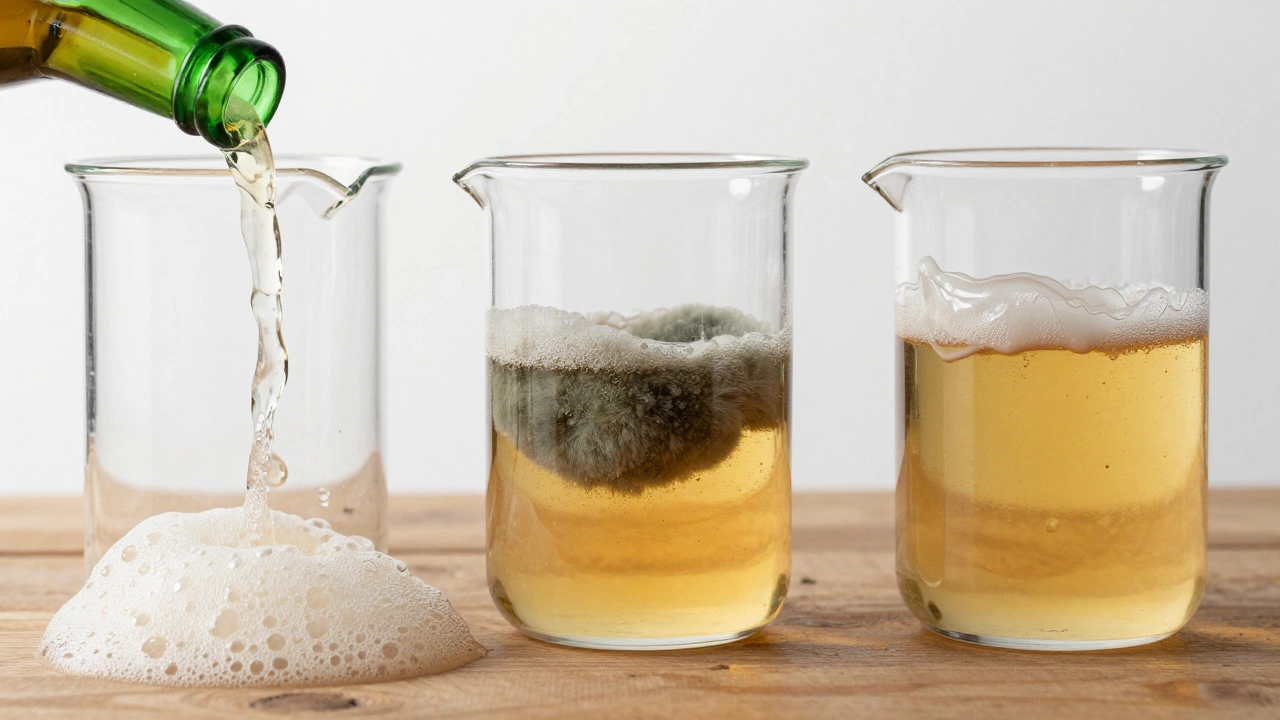
Look at your beer closely. Do you see any of these abnormalities?
Step 2: The Smell Test
Give it a sniff. Does it smell like malt/hops, or something else?
Step 3: The Taste Test
Take a small sip. How does it taste?
Is Your Homebrew Safe? A Quick Guide
You’ve waited weeks for your batch of homemade beer to be ready. You crack open a bottle, pour it into a glass, and take that first sip. It tastes... weird. Not just different from what you planned, but distinctly off-putting. Panic sets in. Is this beer infection? Did you mess up the sanitization? More importantly, will drinking it make you sick?
Here is the good news: in almost every case, infected homebrew is not dangerous to your health. The alcohol content and low pH level of beer create an environment where deadly pathogens simply cannot survive. However, that doesn’t mean you want to drink it. Spoiled beer can taste like wet cardboard, vinegar, or old socks. Before you dump an entire batch down the drain, you need to know exactly what you are looking at.
Identifying bad beer comes down to a simple sensory check: look, smell, and taste. If your beer fails these tests, it’s likely contaminated. But sometimes, what looks like trouble is just normal brewing science. Let’s break down how to tell the difference between a brewer’s nightmare and a perfectly fine pint.
The Visual Check: What You See Matters
Your eyes are your first line of defense. Before you even uncork the bottle, look at the liquid itself. Healthy beer should match the expected appearance of its style-golden for a lager, dark brown for a stout, etc. If it looks cloudy when it should be clear, or vice versa, something might be wrong.
- Foaming Volcanoes: If you open a bottle and it erupts with foam, you have over-carbonation. This usually happens because wild yeast or bacteria produced extra CO2 during storage. Unless you were intentionally making a highly carbonated sour beer, this is a sign of contamination.
- Mold on the Surface: Real mold is fuzzy, discolored (often green or brown), and sits strictly on the surface. Mold cannot survive in alcohol, so it only grows where the air touches the liquid. If you see this, skim it off immediately. The beer underneath might still be okay, but proceed with caution.
- The Pellicle: This looks like a slimy, wavy film on top of the beer, resembling ramen noodles or webbing. It indicates an infection by Brettanomyces, Lactobacillus, or Pediococcus. If you didn’t plan to make a wild sour beer, this is an accidental infection.
- Slimy Strands: If you see stringy, slimy bits floating in the beer, it’s likely a Lactobacillus infection. This is a definitive sign that the batch is compromised.
- Milky Layer: A thick, milky layer at the top often signals bacterial growth. Unlike natural yeast sediment, which settles at the bottom, this type of cloudiness on top is a red flag.
Don’t confuse these signs with normal sediment. Yeast naturally falls to the bottom of the fermenter as fermentation finishes. Shining a light through the side of your carboy should show a healthy, active fermentation if bubbles are rising steadily. Sediment at the bottom is normal; slime on top is not.
| Sign | Appearance | Verdict |
|---|---|---|
| Yeast Sediment | Cloudy layer at the bottom | Normal |
| Mold | Fuzzy, green/brown spots on surface | Dangerous/Spoiled |
| Pellicle | Wavy, slimy film on top | Infected (unless intentional) |
| Over-Foaming | Explosive release upon opening | Contaminated/Over-Carbonated |
| Slimy Strands | Stringy bits in the liquid | Infected |
The Smell Test: Trust Your Nose
If the beer looks okay, give it a sniff. Human noses are incredibly sensitive to volatile compounds created by bacteria and wild yeast. Often, the smell tells you everything you need to know before you risk a sip.
A healthy beer should smell like malt, hops, or yeast, depending on the style. If you detect any of the following, your batch is likely spoiled:
- Vinegar: A sharp, acidic smell indicates Acetobacter has turned the alcohol into acetic acid. Your beer has become beer-vinegar.
- Butter or Buttered Popcorn: While a hint of diacetyl (butter flavor) is common in some ales, a strong, rancid butter smell means the yeast didn’t clean up after itself properly, or a bacterial infection took hold.
- Rotten Eggs or Sulfur: A faint sulfur smell can disappear with time, but a pungent, rotten egg odor suggests a serious issue with yeast health or contamination.
- Band-Aids or Medicinal: This phenolic note often points to Brettanomyces or wild yeast infections. It smells like horse sweat or a barnyard.
If the smell makes you recoil, don’t force yourself to taste it. Your body’s natural rejection response is there for a reason. Dump the batch and move on.
Tasting the Truth: Flavor Faults Explained
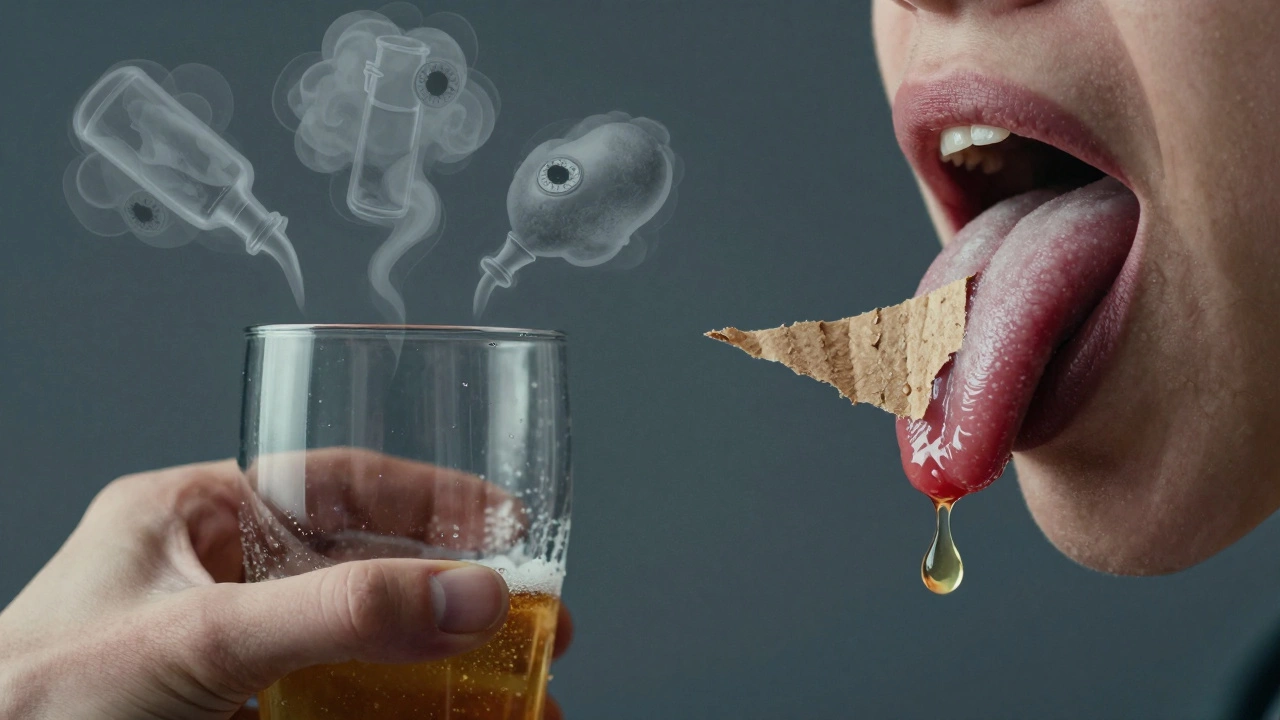
Sometimes, the beer looks and smells fine, but the taste is off. Tasting is the final assessment. Remember, tasting infected beer won’t make you ill, but it will ruin your palate for a while. Take a small sip and let it coat your mouth.
Common flavor faults include:
- Wet Cardboard or Sherry: This is the classic taste of oxidation. Oxygen got into your beer during bottling or storage, causing the flavors to stale. It tastes flat and papery.
- Grassy or Herbaceous: If you used old or improperly stored hops, they can impart a grassy, unpleasant flavor. Fresh hops should smell floral or piney, not like cut lawn clippings.
- Excessive Yeast or Bread: If the beer tastes overly yeasty, bready, or doughy, the yeast hasn’t settled out yet. This isn’t necessarily an infection, but it means the beer needs more time in secondary fermentation.
- Alcohol Burn: Unless you brewed a barrel-aged stout or high-gravity ale, you shouldn’t taste distinct alcohol. A harsh, solvent-like burn suggests the fermentation got too hot or was infected.
If the beer tastes "off" but you can’t pinpoint why, trust your gut. If it doesn’t taste like the beer you intended to brew, it’s probably best to discard it.
False Alarms: When It’s Not Actually Bad
New brewers often panic over things that are completely normal. Don’t throw away good beer based on misunderstandings.
Condensation on the Bottle Neck: Seeing residue or water droplets on the neck of the bottle inside the airspace? That’s just condensation. It’s harmless and evaporates once the bottle warms up.
Haze in Wheat Beers: Styles like Hefeweizen are supposed to be cloudy. If your wheat beer looks hazy, that’s a feature, not a bug. Only worry about haze in beers that should be crystal clear, like Pilsners or Lagers.
Yeast Sediment: As mentioned earlier, a layer of yeast at the bottom of the bottle is normal. Just avoid pouring it into your glass. It’s not contamination; it’s the engine that made your beer.
Preventing Future Infections
Once you identify a bad batch, the goal is to prevent it from happening again. Most infections come from two sources: poor sanitation and temperature control.
- Sanitize Everything: Use a no-rinse sanitizer like Star San on every piece of equipment that touches the beer after boiling. Fermenters, bottles, caps, siphons, and tubing all need attention.
- Check Your Equipment: If your plastic fermenter has deep scratches, bacteria can hide in them. Replace scratched vessels regularly.
- Control Temperature: Wild yeast and bacteria thrive in warm environments. Keep your fermenter cool and stable. A sudden spike in temperature can stress your brewer’s yeast, allowing contaminants to take over.
- Use Fresh Ingredients: Old hops, expired yeast, or contaminated grain can introduce problems from the start. Store ingredients properly and use them within their recommended shelf life.
If you find repeated infections, consider switching to stainless steel fermenters, which are less prone to harboring bacteria than plastic.
What to Do With Bad Beer
If your beer is confirmed spoiled, don’t drink it. Pour it down the drain or use it for non-consumption purposes. Some brewers use mildly infected beer for cleaning brass instruments or as a garden fertilizer (diluted heavily). Avoid using moldy beer for anything, as spores can linger.
Learning from mistakes is part of home brewing. Every batch, good or bad, teaches you something. Analyze what went wrong, adjust your process, and brew again. The next batch will be better.
Can drinking contaminated homemade beer make you sick?
Generally, no. The alcohol content and acidity of beer prevent most harmful pathogens from surviving. While infected beer may taste terrible, it is unlikely to cause food poisoning. However, if you see visible mold, do not consume it, as mold spores can cause allergic reactions or respiratory issues.
What does oxidized beer taste like?
Oxidized beer typically tastes like wet cardboard, sherry, or stale paper. This happens when oxygen enters the beer during bottling or storage, breaking down the hop and malt flavors. It is not an infection, but it renders the beer undrinkable for most people.
Is a pellicle always a sign of infection?
A pellicle-a wavy, slimy film on the surface-is usually a sign of wild yeast or bacterial infection, such as Brettanomyces or Lactobacillus. However, if you are intentionally brewing a sour beer or wild ale, a pellicle is expected and desirable. For standard lagers or ales, it indicates contamination.
Can I save beer that smells like vinegar?
No. A vinegar smell indicates Acetobacter infection, which has converted the alcohol into acetic acid. Once this happens, the beer is essentially vinegar and cannot be saved or corrected. You must discard the batch and sanitize your equipment thoroughly before brewing again.
Why is my beer foaming excessively when I open it?
Excessive foaming, or "gushing," is caused by over-carbonation. This often occurs when wild yeast or bacteria continue to ferment sugars in the bottle after packaging, producing extra CO2. It can also result from adding too much priming sugar. If the beer tastes off, it is likely contaminated.
How do I prevent beer infections in future batches?
Prevention relies on strict sanitation and temperature control. Sanitize all equipment with a no-rinse sanitizer like Star San. Keep your fermenter at a stable, cool temperature to discourage wild yeast growth. Regularly inspect your plastic fermenters for scratches and replace them if necessary.





Categories