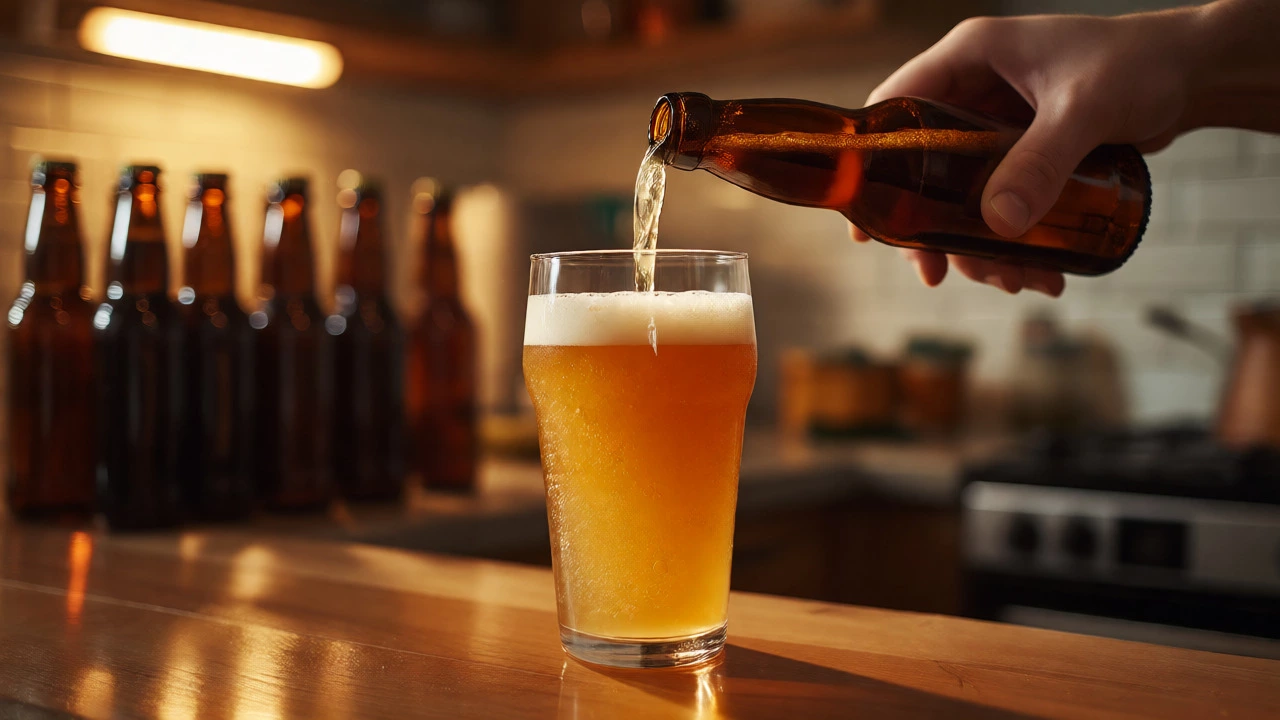
Home Brew Readiness Checker
Select your beer style and days since bottling to determine if it's ready to drink or needs more conditioning.
You’ve just bottled your latest batch. The smell of malt and hops is still fresh in the air, and you’re itching to crack one open. But can you drink home brew early without ruining it? The short answer is yes, but with a major caveat: it might not taste like the beer you intended to make.
Most beginners face this dilemma. Waiting two to four weeks feels like an eternity when you have cold bottles sitting in the fridge. While drinking home brew early is generally safe from a health perspective if fermentation was complete, it often results in "green" flavors, poor carbonation, and hazy appearance. This guide breaks down exactly when you can pull a bottle out, what happens to the flavor, and how different styles handle early consumption.
The Safety Question: Is It Dangerous?
Let’s clear up the biggest fear first. If your beer has finished primary fermentation and you bottled it hygienically, drinking it at day three or five won’t hurt you. There are no toxic byproducts created simply because you opened a bottle too soon. The yeast has done its job converting sugars to alcohol.
However, safety does depend on one critical factor: did fermentation actually finish? If you bottled while gravity readings were still dropping, you risk over-carbonation. This doesn’t make the beer poisonous, but it can turn bottles into small grenades. Always check your final gravity before bottling. Once packaged correctly, early consumption is a matter of quality, not health hazards. The main risks are flat beer, yeasty sediment, and harsh tastes, not stomach upset.
Understanding "Green Beer" and Conditioning
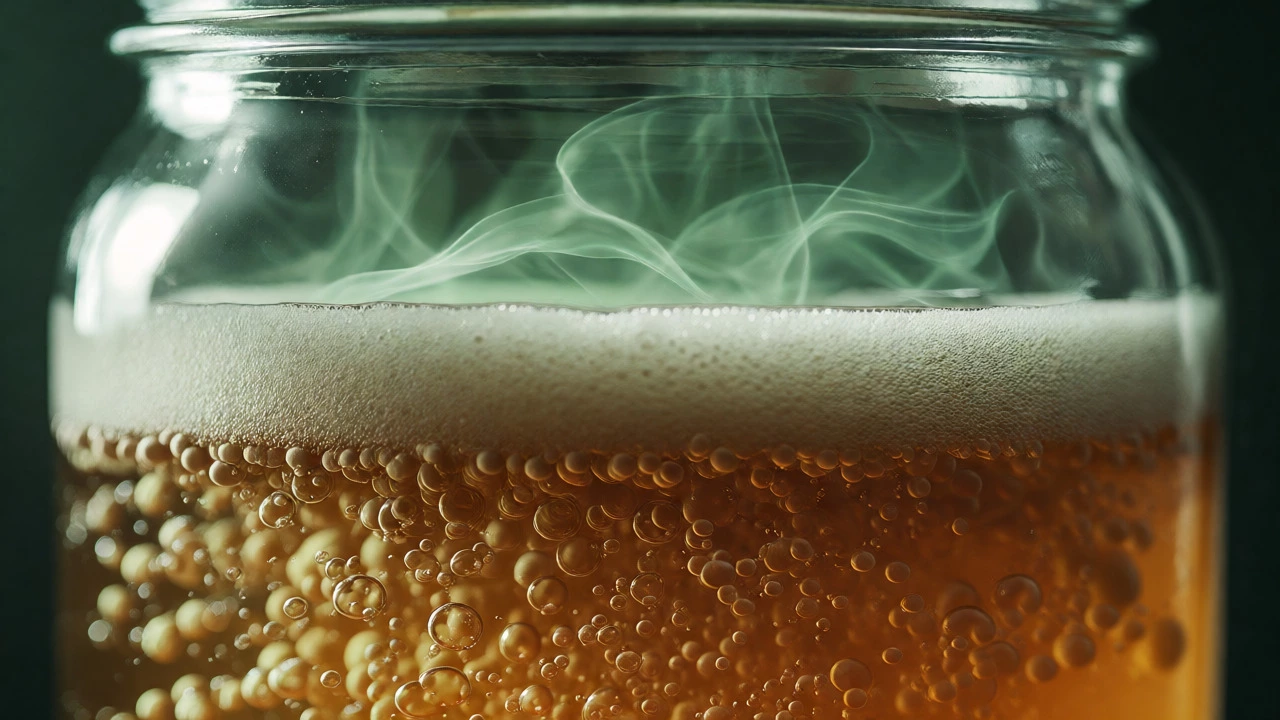
Why do experts tell you to wait? They are avoiding green beer a term for under-conditioned beer that tastes rough, yeasty, or unintegrated due to unfinished chemical processes. During the first few days after bottling, yeast consumes priming sugar to create CO2. This process also helps scrub out off-flavors like acetaldehyde (which tastes like green apples) and diacetyl (buttery notes).
If you drink during this window, those compounds haven’t fully reabsorbed or broken down. The result is a beer that tastes sharp, metallic, or overly sweet. Think of it like bread straight out of the oven versus bread that has cooled and set. Technically edible, but the texture and flavor profile aren’t right yet. Most ales need at least 10-14 days for this cleanup phase to begin working effectively.
Timeline Breakdown: When Can You Actually Drink?
There is no single magic number, but there are reliable benchmarks based on packaging method and style. Here is what experienced brewers typically observe:
- Bottle Conditioned Ales: You can technically drink at 7 days, but expect low carbonation and yeasty flavors. By 14 days, most standard ales (IPAs, Pale Ales, Stouts) will be fizzy and cleaner. The American Homebrewers Association suggests 2-4 weeks for optimal results.
- Lagers: These are less forgiving. Lager yeast works slowly and produces sulfur compounds that take time to dissipate. Drinking a lager at 2 weeks often results in a rotten egg smell. Wait 4-6 weeks minimum.
- Kegged Beer (Force Carbonated): If you use a gas regulator, you can carbonate beer in 24 hours. Some methods even work in 2-3 hours. However, the beer will still taste "green." Cold conditioning for another week significantly improves smoothness.
- Cask Conditioned: Traditional cask beer can be ready in as little as 24-48 hours if served immediately, though clarity may suffer.
Style-Specific Guidelines
Not all beers age the same way. High-alcohol beers benefit from long aging, while hoppy beers degrade quickly. Here is a quick reference for common styles:
| Beer Style | Minimum Days in Bottle | Optimal Window | Risk of Drinking Early |
|---|---|---|---|
| Session IPA / Pale Ale | 7-10 days | 2-3 weeks | Harsh bitterness, flat mouthfeel |
| Standard Stout / Porter | 14 days | 3-4 weeks | Diacetyl (buttery) notes |
| Hefeweizen / Witbier | 10-14 days | 2-4 weeks | Suspension issues, yeasty taste |
| American Lager | 21 days | 4-6 weeks | Sulfur smell, lack of crispness |
| Belgian Strong Ale | 28 days | 2-6 months | Fusel alcohols (hot/spicy burn) |
Tips for Drinking Early Without Ruining the Experience
If you absolutely cannot wait, you can mitigate the downsides of early drinking. First, serve colder. Lower temperatures mute volatile off-flavors and mask the harshness of green beer. Aim for 3-4°C (37-39°F) rather than cellar temperature.
Second, decant carefully. Early beer often has more suspended yeast and protein haze. Pour gently, leaving the last inch of liquid in the bottle to avoid pouring sediment into your glass. This won’t fix the taste, but it improves the visual appeal and reduces the "yeasty" mouthfeel.
Third, treat it as a diagnostic tool. Open one bottle at 7 days, another at 14, and keep the rest for 28 days. Taste them side-by-side. You’ll likely notice the 7-day beer tastes thin and sharp, while the 14-day version is balanced. This feedback loop helps you adjust future recipes. Maybe your yeast strain needs more time, or maybe your priming sugar amount was too low.
The Kit Brewer’s Shortcut
Using home brewing kits pre-packaged ingredient sets designed for simplicity and faster turnaround times often simplifies this timeline. Many extract kits are formulated with highly flocculent yeasts that drop clear faster. For these, 10-14 days is often sufficient for a drinkable product. However, remember that "drinkable" is not the same as "excellent." If you are hosting a party, brew ahead of schedule. If you brewed late, accept that the beer might be a learning experience rather than a showcase piece.
Market trends show that many new brewers prefer speed. With the homebrew kit market growing steadily, manufacturers are optimizing for quicker cycles. Yet, patience remains the secret ingredient. Even a simple pale ale transforms dramatically between day 10 and day 20.
Final Verdict
Can you drink home brew early? Yes. Will it be good? That depends on your expectations and the style. For a session IPA, 10 days is acceptable. For a lager, it’s a gamble. For a stout, give it time. The general rule of thumb: wait 2 weeks for ales, 4 weeks for lagers, and longer for strong beers. If you must drink sooner, chill it hard and pour carefully. Your palate will thank you for waiting, but your thirst might forgive the rush.
Is it safe to drink homebrew after 3 days?
Yes, it is physically safe provided fermentation was complete before bottling. However, the beer will likely be flat, very cloudy, and taste strongly of yeast. It lacks carbonation and refined flavor.
Why does my homebrew taste like green apples?
This is caused by acetaldehyde, a natural byproduct of fermentation. It usually disappears during conditioning as the yeast reabsorbs it. Drinking too early prevents this cleanup process, leaving the green apple taste.
Can I force carbonate and drink immediately?
You can force carbonate beer in a keg within 24 hours using high pressure. However, the beer will still taste "green" because it hasn't had time to mature. Cold conditioning for at least a week is recommended for better flavor.
Does higher alcohol content require longer conditioning?
Yes. High-ABV beers like imperial stouts or barleywines often contain fusel alcohols that taste harsh or solvent-like when young. Aging allows these compounds to mellow, creating a smoother, warmer character over several months.
Will drinking early ruin the rest of the batch?
No. Opening one bottle early does not affect the others. In fact, tasting early is a great way to monitor progress. Just ensure you reseal the opened bottle properly or consume it immediately to prevent oxidation.



Categories