Home Brewing Kit Expiration: When Your Gear Goes Bad and What to Do
When you buy a home brewing kit, a bundled set of equipment and ingredients for making beer at home. Also known as homebrew starter kit, it’s meant to get you started without the hassle of sourcing each piece separately. But over time, things inside it don’t last forever. The truth? Most people don’t realize that home brewing kit expiration isn’t just about the yeast—it’s about every single component, from plastic tubing to hop pellets. And using expired stuff doesn’t just ruin your batch—it can make it unsafe.
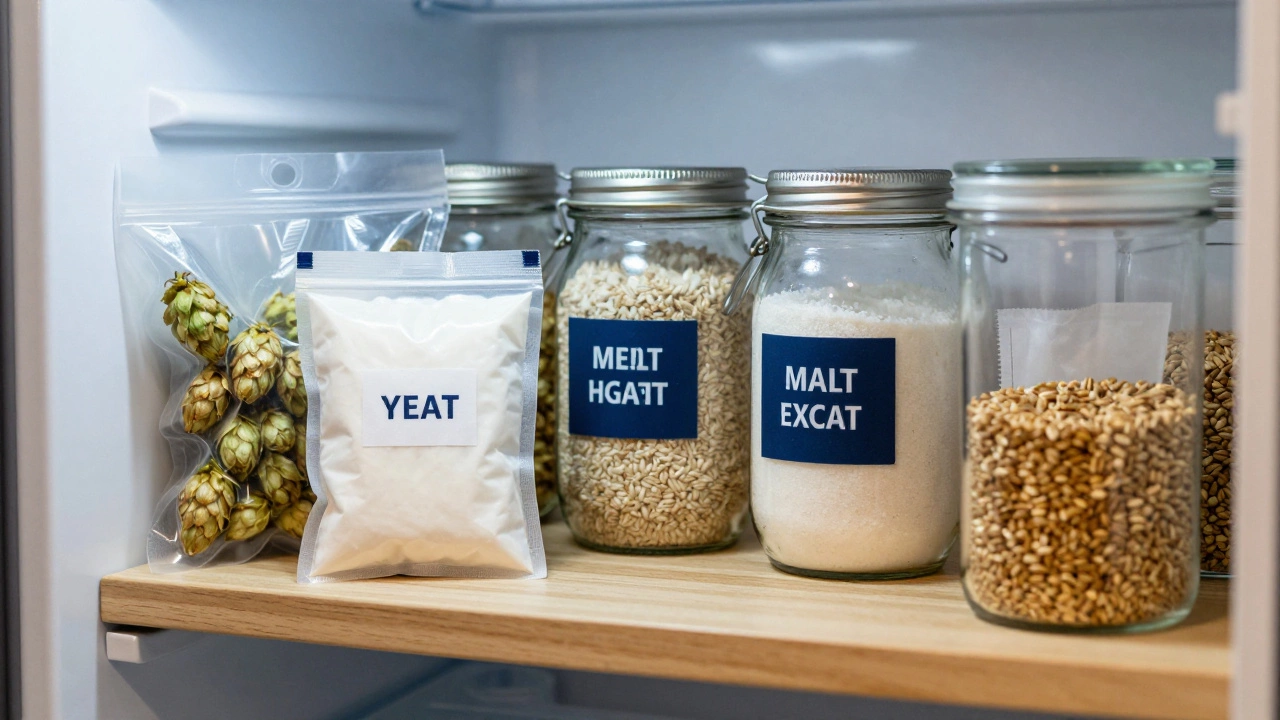
Your yeast, the living microorganism that turns sugar into alcohol is the most time-sensitive part. Dry yeast lasts 1–2 years if sealed and refrigerated. Liquid yeast? Maybe 4 months max. If it’s been sitting in your cupboard since last winter, it’s probably dead. You won’t see it, smell it, or know for sure until your beer doesn’t bubble. That’s when you realize you wasted a whole batch. Then there’s the hops, the flower cones that add bitterness, flavor, and aroma to beer. Once opened, they start losing potency within weeks. If they smell like old grass or cardboard instead of citrus or pine, they’re done. Even your sanitizer—yes, even that—can break down. Some no-rinse formulas lose effectiveness after 6 months, especially if exposed to light or heat.
Plastic parts don’t expire like food, but they degrade. Tubing gets brittle. Bottling wands crack. Airlocks dry out and warp. You might think, "It still looks fine," but a tiny leak or a warped seal means oxygen gets in—and that’s the enemy of good beer. Oxygen turns your fresh IPA into flat, cardboard-flavored disappointment. And don’t forget the malt extract, the concentrated syrup or powder that provides the fermentable sugars. Liquid extract can ferment on its own if left too long, turning sour or funky. Powdered extract clumps and absorbs moisture, making it hard to dissolve and unpredictable in fermentation.
So how do you know if your kit’s still good? Check dates. Smell everything. Look for discoloration, weird textures, or off odors. If the yeast packet is swollen or leaking, toss it. If the hops smell like wet paper, skip them. If your tubing feels stiff, replace it. Don’t guess. Brewing is science, not luck. And if you’re unsure? It’s cheaper to replace a $10 packet of yeast than to pour out 5 gallons of bad beer.
What you’ll find below are real stories and tests from people who’ve brewed with old kits, what went wrong, and how to avoid the same mistakes. No fluff. No marketing. Just what works—and what doesn’t—when your home brewing gear is past its prime.





Categories