Wine tasting isn’t just about sipping and saying "it’s good." It’s a structured way to understand what’s actually in your glass-what makes one wine bold, another delicate, and why some taste like citrus while others smell like wet earth. If you’ve ever felt lost at a wine tasting or wondered how professionals pick out flavors you can’t even name, this is your guide. No jargon. No pretense. Just clear steps that work whether you’re at a vineyard, a dinner party, or your kitchen table.
Step 1: Look at the Wine
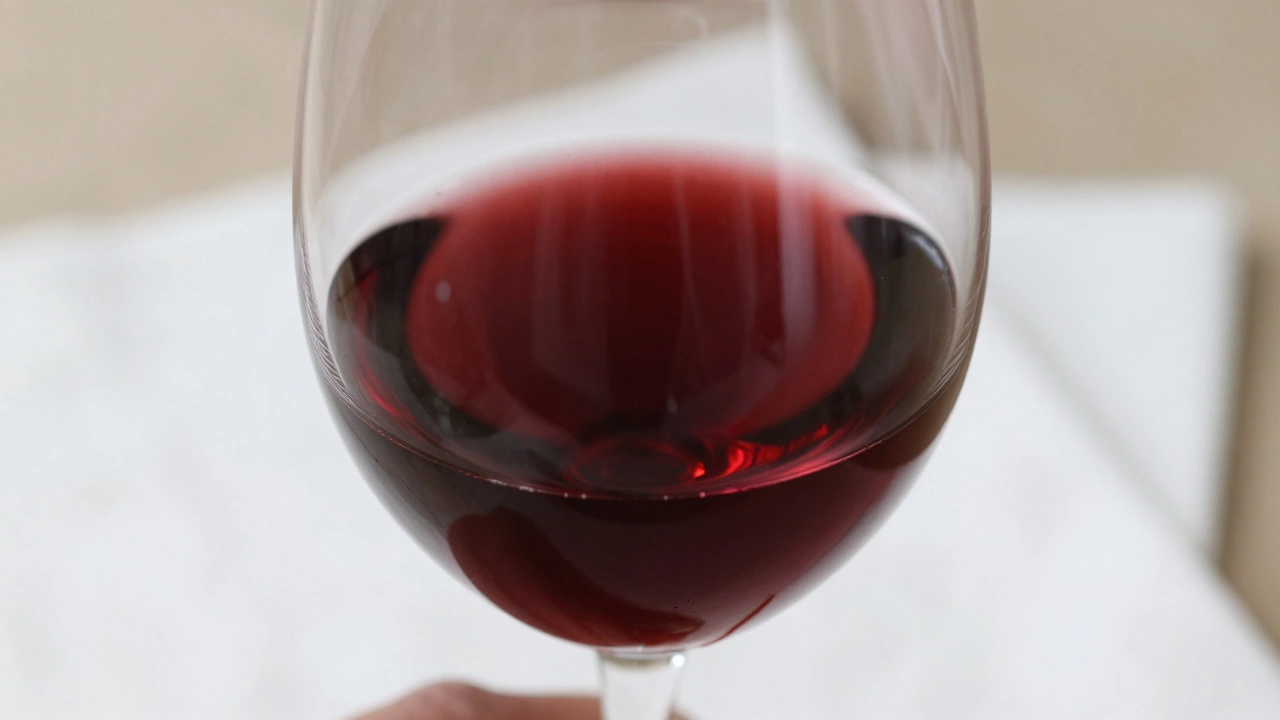
Start by pouring about two ounces (59 ml) into a clear glass-preferably a standard ISO tasting glass, but any clean, tulip-shaped glass works. Hold it up against a white surface, like a napkin or a piece of paper. Tilt it slightly and check the color. Is it pale yellow or deep gold? Is the red wine bright ruby or dark purple? That tells you about age and grape variety. Young whites are often lighter; older ones turn golden. Young reds are vibrant; older ones fade to brick red. Look for clarity. Cloudy wine? That could mean it’s unfiltered-or spoiled. Most quality wines are clear, with no haze. Then swirl the glass gently for 15-20 seconds. Watch the liquid run down the sides. Those streaks are called "legs" or "tears." Thick, slow legs usually mean higher alcohol or sugar content-common in full-bodied reds or sweet dessert wines. Thin, fast legs? Likely a lighter, drier wine.Step 2: Swirl and Smell
Swirling isn’t for show. It’s science. When you swirl, you expose the wine to oxygen, which wakes up its aromas. A 2020 UC Davis study found swirling releases 30-50% more volatile compounds-the chemicals that give wine its smell. Don’t just sniff right away. After swirling, wait a second. Then bring the glass to your nose, but keep your mouth slightly open. Research from E. J. Gallo Winery shows this increases olfactory sensitivity by 35%. Now, try to identify what you smell. Start broad: fruity, floral, earthy, spicy? Then get specific. Is it citrus like lemon, or stone fruit like peach? Is it vanilla, smoke, or leather? Don’t worry if you can’t name them all. Even professionals use a tasting grid with hundreds of descriptors. Beginners should aim for just five distinct smells. A Reddit user with over 2,400 upvotes suggests counting them out loud-"berry, herb, oak, spice, nut"-as a simple benchmark. Pro tip: Smell from different heights in the glass. Fruit and meaty notes sit lower; floral and herbal ones rise. Master Sommelier Pascaline Lepeltier calls this "nose mapping." It helps you catch layers you’d miss with one sniff.Step 3: Taste It
Take a small sip-about a tablespoon. Don’t gulp. Let it roll around your mouth. Pay attention to texture. Is it thin and watery? Thick and syrupy? That’s body. Then notice the flavors. Do you taste the same things you smelled? Often, yes. But here’s the twist: up to 80% of what you think is taste actually comes from smell traveling up the back of your throat-called retronasal olfaction. That’s why wine tastes different when you breathe out through your nose after sipping. Check for acidity. Does your mouth water? That’s good acidity-it’s what keeps wine fresh and lively. Too little? The wine feels flat. Too much? It’s sharp or sour. Tannins? Those are the drying, grippy sensations in red wines. Think of biting into an unripe persimmon. High tannins mean the wine will age well. Low tannins? It’s softer, easier to drink now. Sugar level matters too. Is it dry, off-dry, or sweet? Dry wines leave no sticky feeling on your tongue. Sweet wines cling slightly. Most table wines are dry, but if you’re tasting a Riesling or Port, sweetness is expected.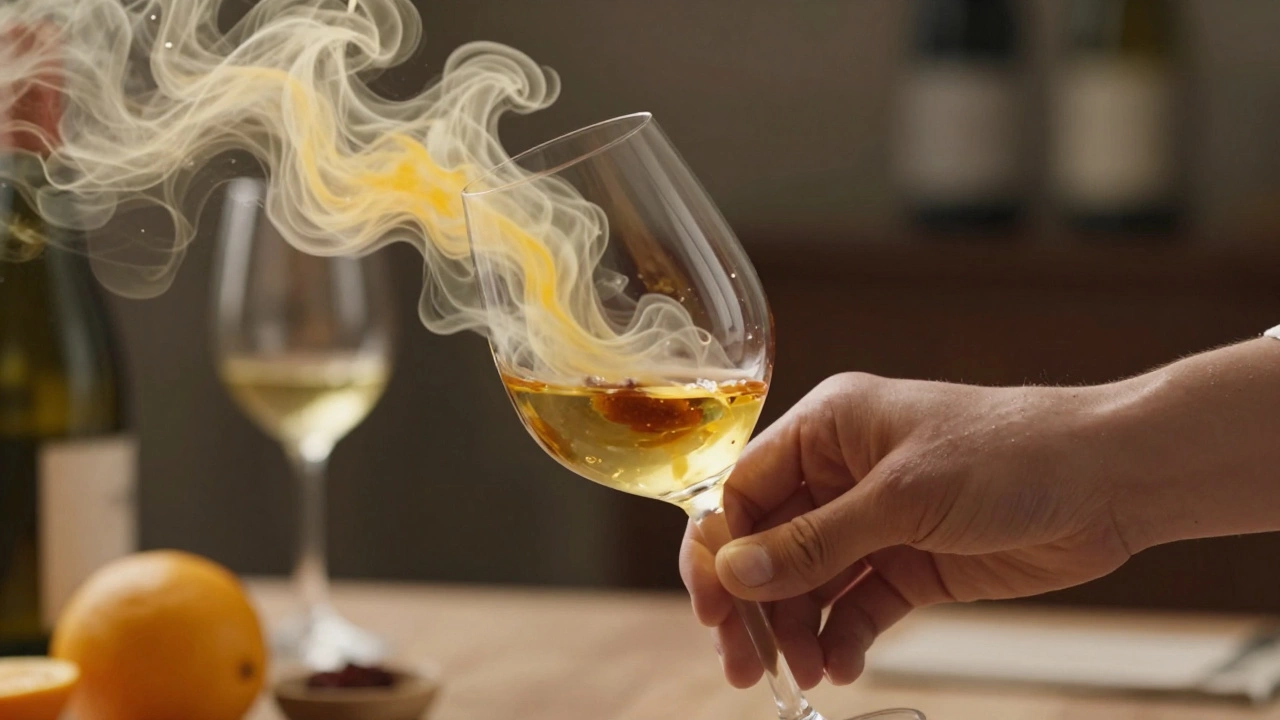
Step 4: Consider the Finish
After you swallow-or spit, if you’re tasting multiple wines-what happens? The aftertaste, or finish, lasts from a few seconds to over a minute. This is where quality shines. A premium wine lingers. A cheap one vanishes fast. The University of Bordeaux found a strong link between finish length and perceived quality (r=0.78). If the flavor sticks around for 30 seconds or more, you’re likely drinking something well-made. But here’s the catch: finish is subjective. UC Davis professor Roger Boulton says it doesn’t always match chemical data. Some people love a long, smoky finish. Others find it overwhelming. Trust your own palate. The goal isn’t to agree with experts-it’s to understand what you like.Step 5: Think and Conclude
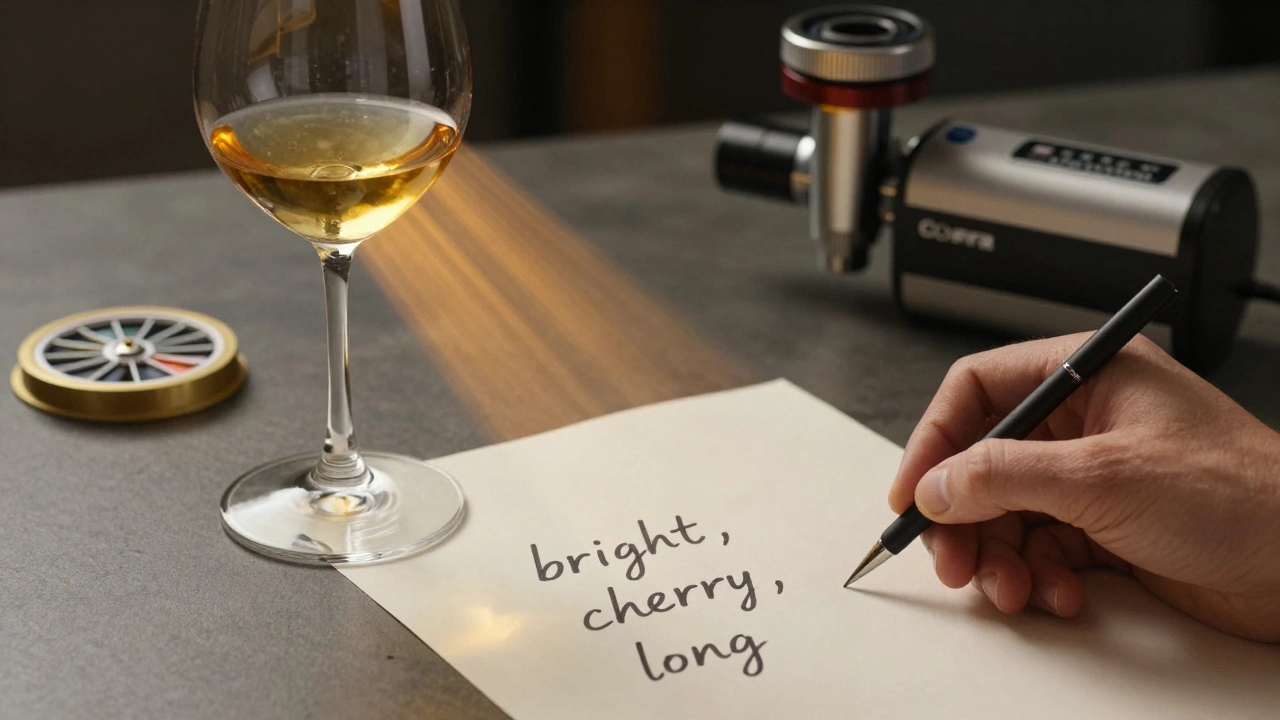
Now, put it all together. Was the wine balanced? Did the fruit, acidity, tannin, and alcohol work together? Or was one element overpowering? Was it complex-changing in the glass-or one-note? Did it remind you of anything? A place? A memory? That’s the magic of wine. If you’re tasting more than one wine, write down quick notes. Even just three words: "bright," "cherry," "long finish." It trains your brain to recognize patterns. WSET data shows it takes 15-20 tastings to get comfortable with visual assessment, and 40-50 to reliably identify aromas. Don’t rush it.Common Mistakes and How to Fix Them
Most people mess up the basics. Here’s what goes wrong-and how to fix it:- Wine served too cold or too warm. Sparkling wines should be 3-7°C (38-45°F). Light whites: 8-10°C (46-50°F). Full-bodied reds: 15-18°C (59-64°F). If your red is cold, let it sit for 20 minutes. If your white is warm, chill it for 15.
- Not swirling. Skipping this step means missing half the aromas. Just do it. Even once.
- Trying to taste too many wines. After six, your nose gets tired. Sensory accuracy drops 35%. Stick to three or four. Cleanse your palate between them with plain crackers or water. Professionals prefer crackers-they don’t add flavor.
- Forcing yourself to taste "notes" you don’t smell. If you don’t smell vanilla, don’t say you do. It’s okay to say "I’m not sure." The goal is honesty, not impressing others.
Tools That Help
You don’t need fancy gear, but a few things make it easier:- ISO tasting glass: The standard shape focuses aromas. You can buy them online for under $10.
- Aroma wheel: The WSET’s updated version has 156 scientifically validated descriptors. Use it as a cheat sheet, not a test.
- Coravin Model Six: This device lets you pour wine without removing the cork-and keeps it at perfect temperature for weeks. Great for tasting over time.
- Smartphone apps: Vivino and Wine Folly have tasting logs and community ratings. Use them to track what you like.
Why This Matters
Structured tasting isn’t about becoming a sommelier. It’s about enjoying wine more deeply. When you know why a wine tastes the way it does, you stop guessing. You start choosing. You find bottles that match your taste, not just your budget. And you can talk about wine without sounding like you’re reading a menu. The global wine education market is growing fast-up 12% a year since 2018. More people are learning to taste properly. By 2028, experts predict nearly half of regular wine drinkers will use formal tasting techniques. You don’t need a certification. You just need curiosity.Final Tip: Keep It Simple
The 5-step method (See, Swirl, Sniff, Sip, Savor) is the gold standard for professionals. But 68% of casual tasters, according to Wine Enthusiast’s 2022 survey, simplify it to three steps: Look, Smell, Taste. That’s fine. If you’re drinking a bottle at home, skip the swirling if you’re in a hurry. Just notice the color, smell what you can, and taste what you feel. Wine tasting is a skill, not a test. It gets better with time, not perfection. The best wine isn’t the one with the highest score-it’s the one that makes you pause, smile, and want another sip.Do you have to swirl wine every time you taste it?
Swirling helps release aromas, especially in reds and fuller whites. But if you’re in a hurry or just enjoying a casual glass, it’s not mandatory. The key is to smell the wine before drinking-swirling just makes that smell stronger and more complex.
Can you taste wine without a proper glass?
Yes, but you’ll miss details. A standard wine glass is shaped to concentrate aromas near the rim. A tumbler or juice glass spreads them out. If you’re serious about tasting, use the best glass you have-even a clean, narrow mug works better than a wide one.
Why do some wines taste dry even if they’re sweet?
That’s usually due to high acidity or tannins balancing the sugar. A sweet wine like a German Riesling can still feel dry if it has bright acidity. Tannins in red wine create a drying sensation, which can mask sweetness. It’s not about sugar alone-it’s about balance.
How do you know if a wine is bad?
Signs of spoilage: a vinegar smell (acetic acid), wet cardboard (cork taint from TCA), or fizzy still wine (unintended fermentation). Cloudiness, bubbles in non-sparkling wine, or a flat, lifeless taste also signal problems. If it smells or tastes off, trust your nose-it’s usually right.
Should you spit wine during tastings?
Yes, if you’re tasting more than three or four wines. Spitting keeps your palate fresh and your blood alcohol low. It’s standard practice in professional settings. You don’t have to be dramatic-just tilt your head and let it flow out. Most tasting rooms provide spittoons.
How long does it take to get good at wine tasting?
You’ll notice improvements after just a few sessions. Recognizing basic flavors takes 10-15 tastings. Identifying specific aromas like peach vs. apricot or leather vs. tobacco takes 40-50. The key is consistency-taste one or two wines a week with attention, not just when you’re drinking for fun.


Categories