Tea Cupping vs. Home Brewing Simulator
Adjust the settings below to see how changing water temperature, steep time, and leaf ratio shifts the experience from "Pleasure" to "Professional Assessment."
Sensory Evaluation Output
| Feature | Home Brewing Goal | Pro Cupping Goal |
|---|---|---|
| Objective | Maximize Pleasure & Balance | Expose Flaws & Consistency |
| Technique | Gentle Sipping | Loud Slurping & Spitting |
| Standard | Personal Preference | ISO 3103 (Scientific Reproducibility) |
You’ve probably heard someone say they’re "tasting" a new oolong or a fresh batch of Earl Grey. But if you walk into a professional tea warehouse in Edinburgh or London, nobody just "tastes" tea. They perform tea cupping. It sounds like coffee terminology, and for good reason-it shares DNA with coffee cupping-but the methods, standards, and goals are distinctively their own.
So, what is the process actually called? The short answer depends on who you ask. In everyday conversation, it’s tea tasting. But in the trade, where decisions worth millions are made based on a sip, it’s tea cupping. And in the lab, scientists call it sensory evaluation.
Why "Tasting" Isn’t Enough
If you brew a cup of tea at home, you’re aiming for pleasure. You adjust the water temperature to bring out the sweetness in your green tea or steep longer to get that robust kick from black tea. You’re optimizing for enjoyment.
Professional tea cuppers do the opposite. They want to expose flaws. They use harsh, standardized conditions to make sure every sample faces the same brutal scrutiny. If a tea tastes bad under these strict rules, it will likely taste worse when brewed properly by a consumer. This isn’t about enjoying the drink; it’s about quality control, blending consistency, and pricing accuracy.
| Feature | Home Brewing | Professional Tea Cupping |
|---|---|---|
| Goal | Enjoyment & Flavor Optimization | Quality Assessment & Comparison |
| Water Temp | Varies (e.g., 80°C for Green) | Usually Boiling (100°C) for Extraction |
| Steep Time | Short (1-3 mins) | Longer (often 5-6 mins) |
| Leaf Ratio | To Taste (approx. 1 tsp/cup) | Strict (approx. 2.8g per 150ml) |
| Action | Sip Quietly | Slurp Loudly & Often Spit |
The Science Behind the Sip: Sensory Evaluation
At its core, evaluating tea is a scientific discipline known as sensory analysis. It’s not just about having a "good palate." It’s about training your senses to detect specific chemical compounds. Astringency comes from tannins. Briskness relates to caffeine and certain polyphenols. Sweetness might indicate amino acids like L-theanine.
This field relies heavily on international standards to ensure that a "high-quality Assam" in India means the same thing to a buyer in Scotland. The most critical document here is ISO 3103. First published in 1980 and updated in 2019, this standard doesn’t tell you how to enjoy tea. It tells you exactly how to prepare the liquor so that two different people can compare samples fairly.
Without such standards, one person’s "malty" could be another person’s "burnt." Standardization removes the variables of brewing technique, leaving only the intrinsic qualities of the leaf.
How Professional Tea Cupping Works
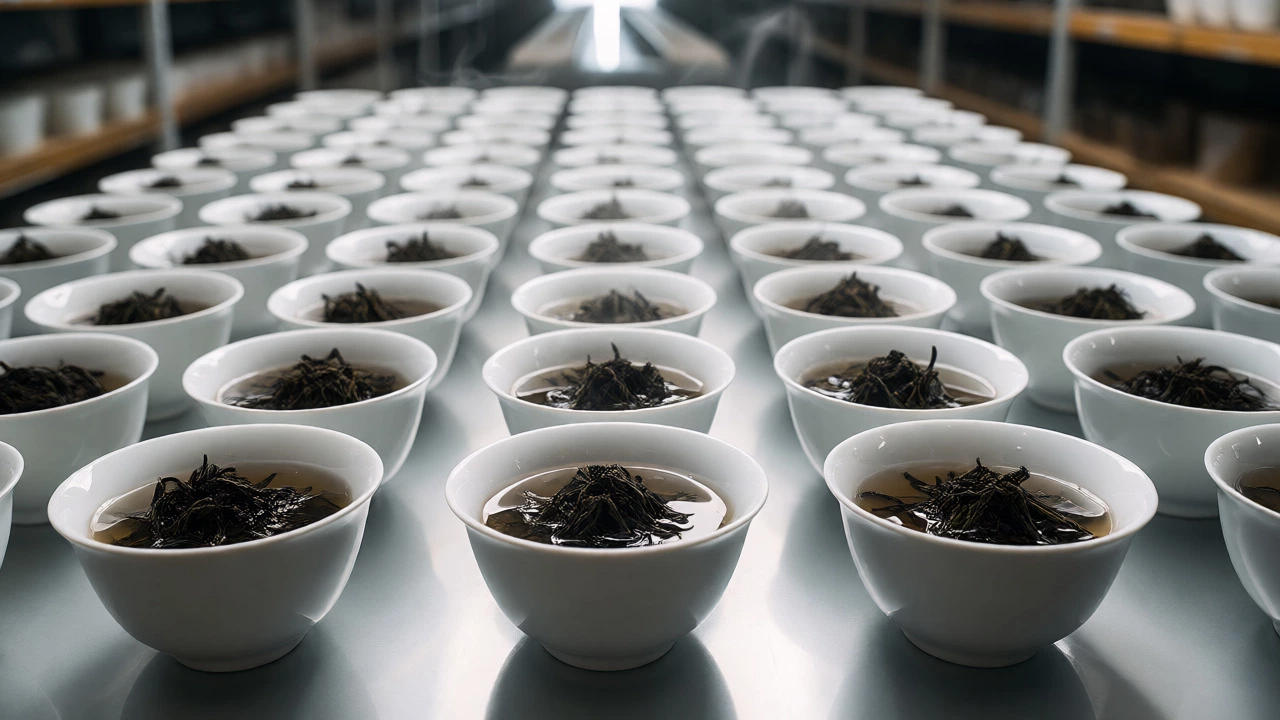
Walk into a cupping room, and you’ll see rows of identical white porcelain bowls. Each contains a small amount of dry tea leaves-usually around 2.8 grams. Boiling water is poured over them, covering the leaves completely. Then, the clock starts. Most protocols dictate a six-minute infusion time. Why six minutes? Because it’s long enough to extract all the soluble solids, including the bitter ones that shorter brews hide.
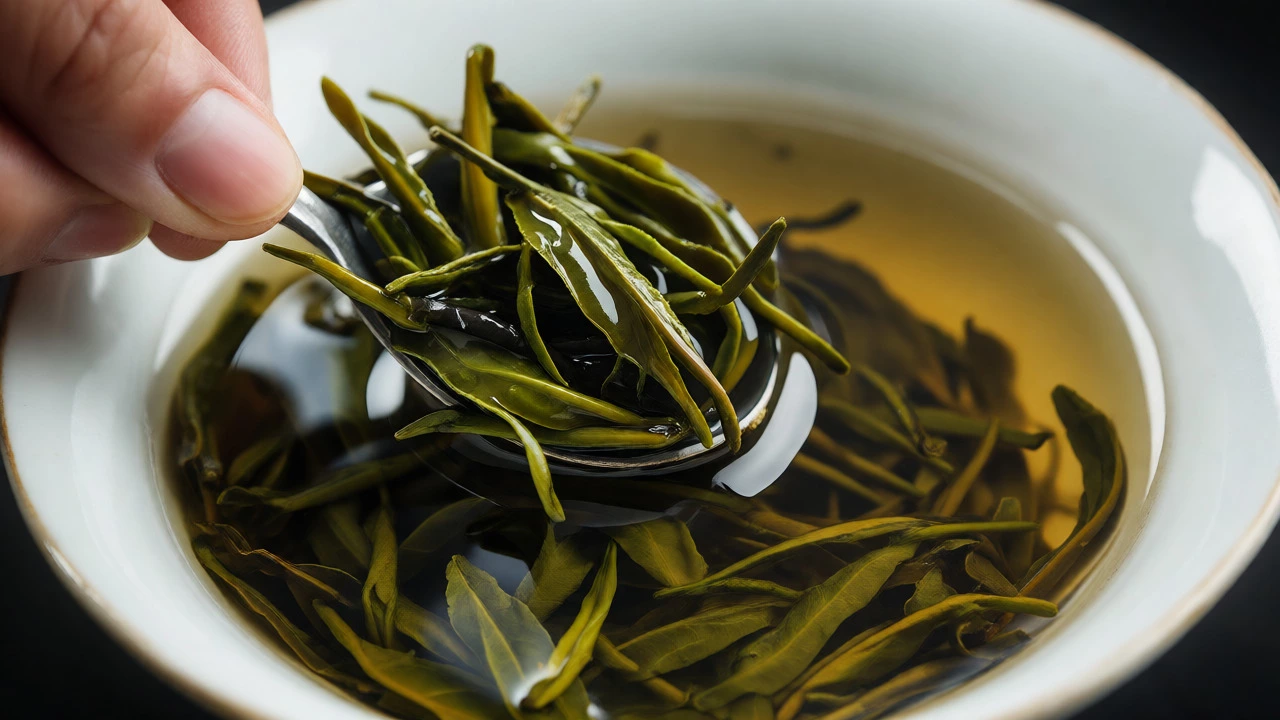
After the timer goes off, the taster uses a specialized spoon to break the crust of floating leaves. This releases the aromas trapped beneath. Then comes the inspection of the wet leaf. Is it uniform? Are there too many broken pieces? Does the color match the expected profile for that grade?
Next, the liquor is poured into a separate clean bowl, leaving the leaves behind. Now, the actual tasting begins. This is where things get noisy.
The Art of the Slurp
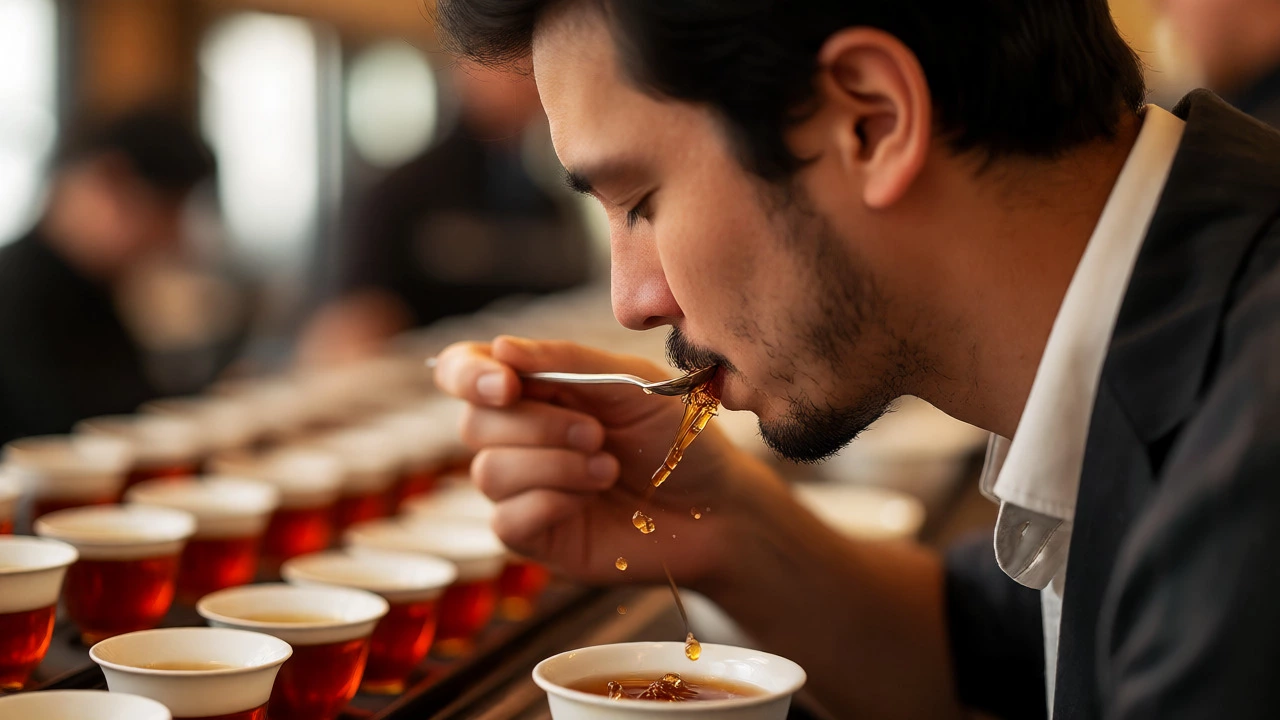
If you slurp loudly while drinking tea in a quiet cafe, people might stare. In a cupping session, silence is suspicious. A skilled tea taster sucks air in along with the tea. This aerates the liquid, spraying it across the entire tongue and palate. More importantly, it pushes volatile aromatic compounds up through the back of the throat into the nasal cavity-a process called retronasal olfaction.
Flavor is a combination of taste (sweet, sour, salty, bitter, umami) and smell. By slurping, you engage both simultaneously. You’re not just tasting bitterness; you’re detecting floral notes, smokiness, or vegetal undertones that would otherwise be missed.
And then, the spit. Yes, professionals spit. Imagine evaluating fifty different teas in an afternoon. Swallowing that much caffeine and tannin would leave anyone jittery and nauseous. Spitting allows the taster to maintain focus and physical comfort throughout the day.
Who Are These Experts?
A person who performs this task is often called a tea sommelier or simply a tea taster. Unlike wine sommeliers, who often work in hospitality, tea tasters frequently work in procurement for large brands or independent blenders.
Training takes years. You have to learn to identify hundreds of descriptors. Is that note "muscatel," typical of Darjeeling second flush? Or is it "smoky," indicating proper charcoal drying? Misidentifying a defect can cost a company thousands. A slight moldiness might be dismissed as "earthy" by an amateur but flagged as a rejection by a pro.
Beyond the Bowl: Related Concepts
While tea cupping is specific to tea, it borrows heavily from adjacent fields. Coffee cupping, for instance, follows similar principles but often uses different vessel shapes and grind sizes. Wine tasting focuses more on fermentation profiles and terroir expression, whereas tea emphasizes processing techniques like oxidation levels (green vs. black) and roasting.
Understanding these differences helps you appreciate why tea terminology is so precise. When a blender says a lot has "good body," they aren’t being vague. They mean the viscosity and weight of the liquor on the tongue meet a specific benchmark established through repeated sensory evaluation.
Is tea cupping the same as coffee cupping?
They are similar in concept-both involve standardized brewing and slurping-but differ in execution. Tea cupping typically uses boiling water and longer steep times (around 6 minutes) to fully extract tannins, while coffee cupping often uses slightly cooler water and shorter contact times. Additionally, tea tasters pay closer attention to leaf appearance (dry and wet), which is irrelevant in coffee since beans are ground.
What does ISO 3103 actually specify?
ISO 3103 specifies the method for preparing tea liquor for sensory tests. It details the ratio of tea to water (typically 2g per 100ml), the use of boiling water, the steeping time (6 minutes), and the equipment required (porcelain pots and bowls). Its goal is to create consistent conditions so that differences between samples reflect the tea itself, not variations in brewing.
Why do tea tasters spit out the tea?
Professional tasters evaluate dozens or even hundreds of samples in a single session. Swallowing that much strong, caffeinated tea would lead to excessive caffeine intake, potential nausea from high tannin levels, and palate fatigue. Spitting allows them to assess flavor without the physiological side effects, keeping their judgment sharp.
Can I practice tea cupping at home?
Absolutely. To mimic professional cupping, use a scale to weigh 2.8 grams of tea, pour 150ml of boiling water over it, and let it steep for exactly six minutes. Use a white bowl to see the liquor color clearly. Don’t worry about elegance; slurp loudly to aerate the tea. Try comparing two different batches of the same type of tea to spot subtle differences in aroma and astringency.
What is the difference between 'liquor' and 'tea'?
In tea terminology, "liquor" refers specifically to the brewed liquid-the infusion separated from the leaves. The term distinguishes the final product being evaluated from the raw material (the leaf). It has nothing to do with alcohol; it’s simply the technical name for the prepared beverage during the evaluation phase.



Categories