Wine Pairing Finder
Select a wine type to discover what foods pair best with it.
Red
Bold & StructuredWhite
Crisp & RefreshingRosé
Pink & VersatileSparkling
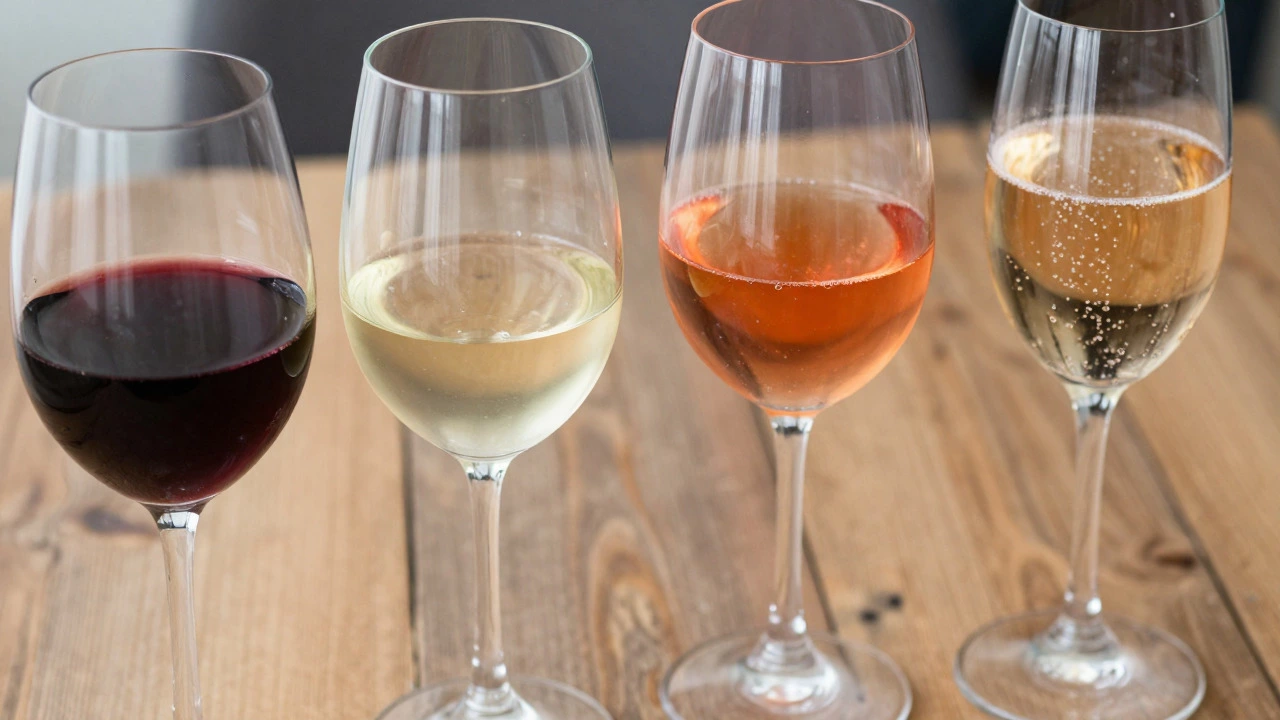
Bubbly & CelebratoryWalk into any grocery store or wine shop, and you’ll see rows upon rows of bottles. It can feel overwhelming if you are new to drinking wine. You might wonder: what is the difference between them? Is it just about color? While professionals use complex systems involving grape varieties, regions, and production methods, there is a simple framework that works for almost everyone. The answer lies in understanding the four types of wine: red, white, rosé, and sparkling.
This guide breaks down these four categories so you can navigate menus and store shelves with confidence. We will look at how each type is made, what they taste like, and how to choose the right one for your next meal.
Red Wine: Bold, Structured, and Versatile
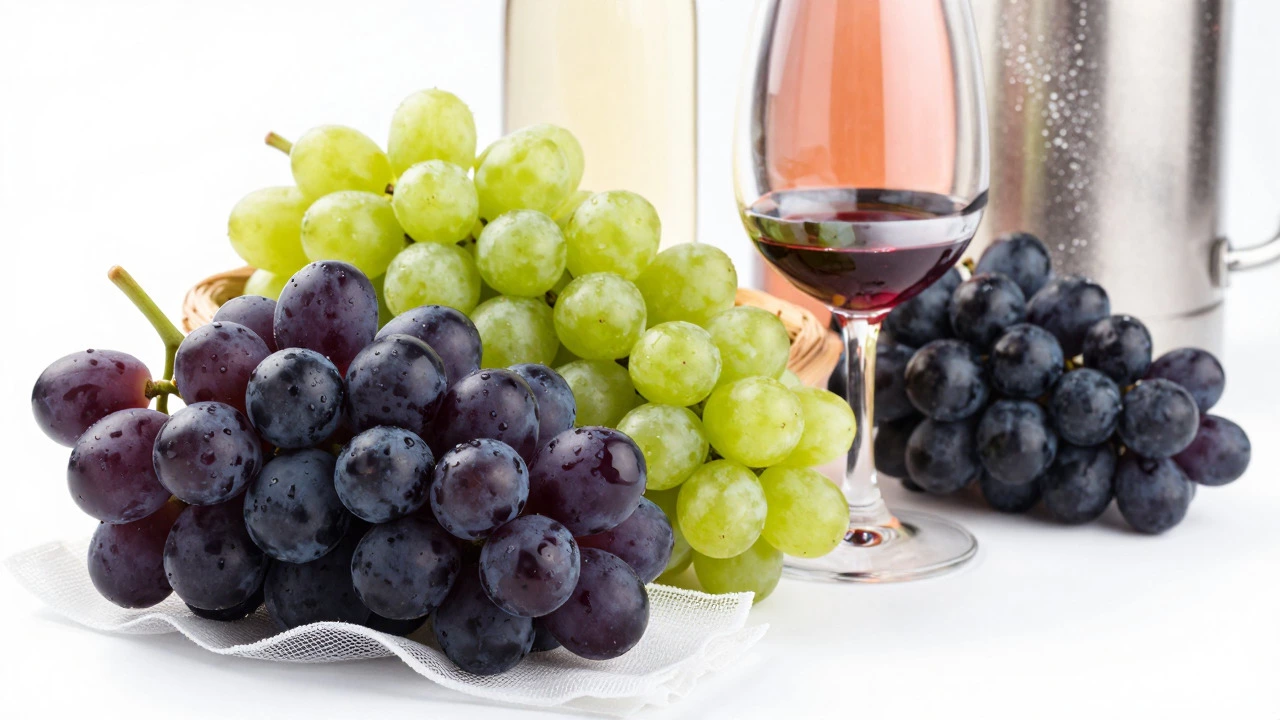
Red wine gets its name from the fermentation process. Winemakers leave the grape skins in contact with the juice during fermentation. This step extracts pigments, which give the wine its color, and tannins, which create that dry, slightly astringent feeling on your gums. Without skin contact, even dark grapes would produce a clear liquid.
When you think of red wine, you might picture heavy, bold flavors. However, red wines span a wide spectrum. Light-bodied reds like Pinot Noir offer delicate notes of cherry and earth, making them easy to drink. On the other end, full-bodied reds like Cabernet Sauvignon or Syrah pack intense flavors of dark fruit, spice, and often oak, along with higher tannin levels.
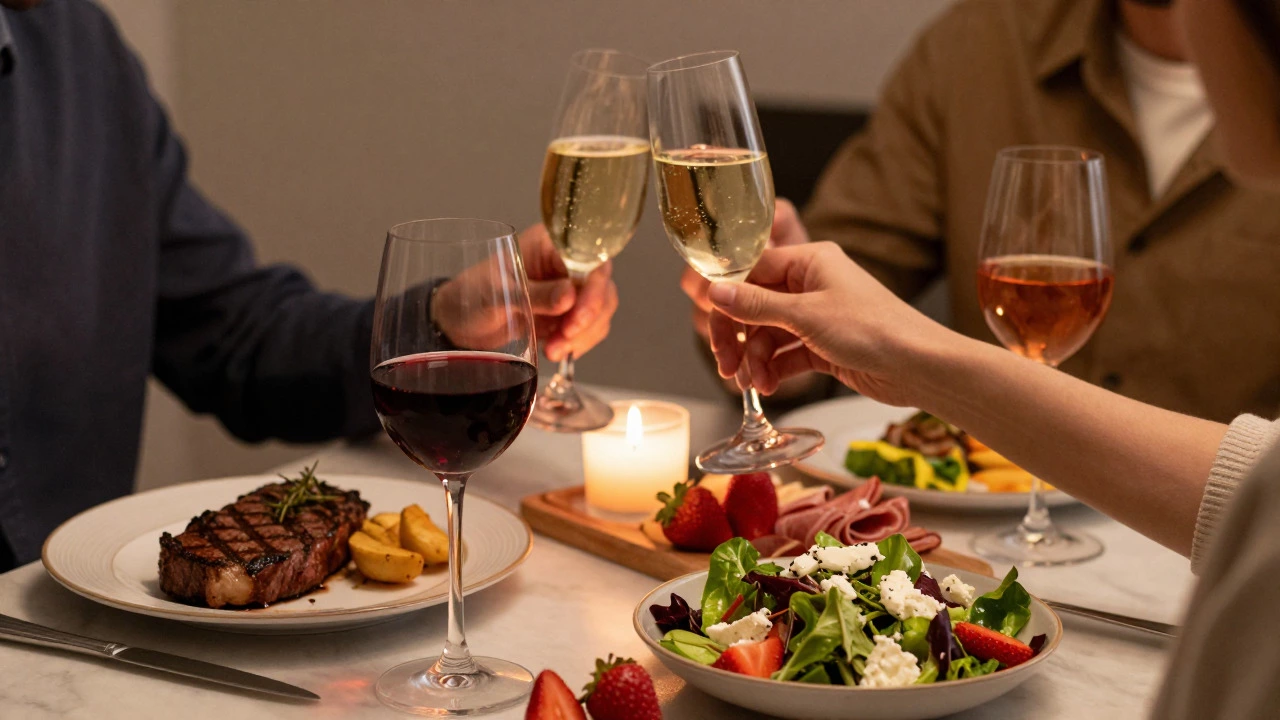
Because of their structure, red wines pair exceptionally well with rich foods. The tannins cut through the fat in grilled steaks, lamb chops, or hearty pasta dishes. If you prefer something lighter, a Pinot Noir complements roasted chicken or salmon beautifully. Most standard red table wines have an alcohol by volume (ABV) of up to 14%, keeping them balanced for everyday enjoyment.
White Wine: Crisp, Refreshing, and Low in Tannins
Unlike red wine, white wine is fermented without the grape skins. Even if winemakers use dark-skinned grapes, they press the juice away from the skins immediately. This prevents pigment and tannin extraction, resulting in a pale straw to golden color and a smooth, non-astringent mouthfeel.
White wines are generally defined by their acidity and aromatic profiles. They tend to be more tart and refreshing than reds, offering bright notes of citrus, green apple, peach, and flowers. Because they lack tannins, they feel lighter on the palate. This makes them ideal warm-weather drinks or starters before a heavy meal.
The variety within white wine is vast. You have crisp, dry styles like Sauvignon Blanc and Pinot Grigio, which are perfect with salads or goat cheese. Then there are richer, fuller-bodied whites like oaked Chardonnay, which can stand up to creamy sauces or roasted poultry. Some whites, like certain Rieslings or Moscato, are naturally sweeter, providing a nice contrast to spicy Asian or Mexican cuisines. Like reds, most white table wines sit at or below 14% ABV.
Rosé Wine: The Perfect Middle Ground
Rosé sits comfortably between red and white wine. It is not simply red wine mixed with white wine (though blending is allowed in some regions); instead, it is usually made from red grapes where the skins are removed after only a short period of contact-often just a few hours. This brief touch extracts enough color to turn the wine pink but leaves behind most of the tannins and deep pigments.
The result is a wine that has the refreshing acidity and light body of a white wine but carries the vibrant red fruit flavors of strawberries, raspberries, and watermelon found in reds. Rosé is incredibly versatile. It can range from bone-dry styles popular in Provence, France, to slightly sweeter versions found elsewhere.
Because it is low in tannins and usually served chilled, rosé is a go-to choice for casual gatherings and summer dining. It pairs wonderfully with grilled seafood, light pasta dishes, charcuterie boards, and fresh salads. If you find reds too heavy and whites too neutral, rosé offers a flavorful bridge that satisfies both cravings.
Sparkling Wine: Celebratory Bubbles and Effervescence
While the first three types are "still" wines (meaning no bubbles), sparkling wine stands apart due to its carbonation. This fizz comes from a second fermentation that traps carbon dioxide inside the bottle or tank. Whether made from white, red, or rosé base wines, the defining feature is the bubbles.
Sparkling wines come in many shapes and sizes. Champagne from France, Prosecco from Italy, and Cava from Spain are famous regional examples, but sparkling wine can be produced anywhere. They also vary greatly in sweetness. The scale runs from Brut Nature (bone dry) to Doux (sweet). When you order a glass, "Brut" is the most common term, indicating a dry style that balances acidity with subtle fruit notes.
Sparkling wine is often associated with celebrations, but it is actually a fantastic food companion. The bubbles and high acidity act as a palate cleanser, cutting through grease and salt. Try pouring a glass over fried chicken, pizza, or oysters-the combination is surprisingly harmonious. With an ABV similar to still table wines (usually 11-13%), sparkling wine fits neatly into the broader wine family while offering a unique sensory experience.
Understanding the Differences: A Quick Comparison
To help you visualize how these four types differ, here is a breakdown of their key characteristics. This comparison highlights why they are categorized separately despite all being made from grapes.
| Type | Color Range | Production Method | Tannin Level | Typical ABV | Key Examples |
|---|---|---|---|---|---|
| Red | Ruby to Deep Purple | Fermented with grape skins | Medium to High | Up to ~14% | Cabernet Sauvignon, Merlot, Pinot Noir |
| White | Pale Straw to Golden | Fermented without skins | Very Low to Low | Up to ~14% | Chardonnay, Sauvignon Blanc, Riesling |
| Rosé | Pale Pink to Salmon | Limited skin contact | Low | Up to ~14% | Grenache Rosé, Pinot Noir Rosé |
| Sparkling | White, Rosé, or Red | Secondary fermentation for CO₂ | Varies by base wine | Often ~11-13% | Champagne, Prosecco, Cava |
Notice that sparkling wine is the odd one out regarding color. It can be white, rosé, or even red (like Blanche de Noirs Champagne). What defines it is the method of production, specifically the trapped gas. In contrast, red, white, and rosé are primarily defined by color and skin contact time. All three are "still" wines, meaning they lack significant carbonation.
Beyond the Basics: Fortified and Dessert Wines
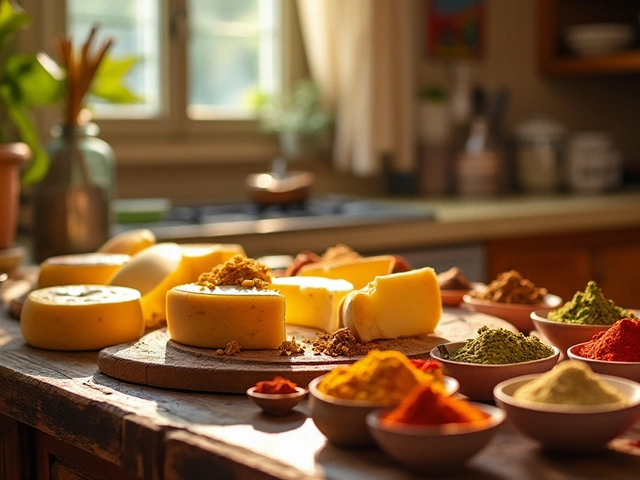
You might hear people mention Port, Sherry, or Sauternes. Where do these fit? These fall under the categories of fortified and dessert wines. Fortified wines have added grape spirit, raising their alcohol content to 15-22%. Dessert wines are often sweet and may be fortified or made from dried grapes. While delicious, they are considered specialized styles rather than part of the core four types because they serve different culinary roles and have distinct production rules. For beginners, mastering red, white, rosé, and sparkling provides a solid foundation before exploring these more niche categories.
How to Choose Your First Bottle
Now that you know the four types, how do you pick one? Start with your mood and the occasion. Are you grilling burgers? Grab a medium-bodied red like Merlot. Enjoying a light salad on a hot day? Go for a crisp white like Sauvignon Blanc or a dry rosé. Celebrating a milestone? Open a bottle of sparkling wine. There are no wrong answers, only preferences. Taste is subjective, and the best way to learn is to try a little bit of each.
Is rosé wine just red wine mixed with white wine?
Not necessarily. While blending red and white wine is a legal method in some regions like Champagne, most rosé is made using the saignée method or direct pressing. This involves fermenting red grapes with very limited skin contact-just long enough to extract a pink hue but not enough to make the wine red. This gives rosé its characteristic light body and low tannin levels.
Why does red wine have tannins but white wine doesn't?
Tannins come from grape skins, seeds, and stems. Red wine is fermented with the skins intact, allowing tannins to leach into the juice. White wine is pressed quickly, separating the juice from the skins before fermentation begins. This results in a wine with minimal to no tannins, creating a smoother, less astringent texture.
Can sparkling wine be red?
Yes. Sparkling wine refers to the presence of bubbles, not the color. You can find sparkling white, sparkling rosé, and even sparkling red wines (such as sparkling Shiraz from Australia or Blanche de Noirs from Champagne). The classification depends on the secondary fermentation process that creates carbonation, regardless of the grape color used.
What is the difference between dry and sweet wine?
Dryness refers to the amount of residual sugar left in the wine after fermentation. Dry wines have very little sugar, tasting crisp and tart. Sweet wines retain more sugar, offering fruity, syrupy flavors. Both red and white wines can be dry or sweet, though many consumers associate white wines like Moscato with sweetness and reds like Cabernet with dryness.
Which wine type has the lowest alcohol content?
Generally, lighter-bodied wines like Pinot Grigio, Pinot Noir, and many sparkling wines tend to have lower alcohol levels, often ranging from 11% to 12.5% ABV. Full-bodied reds and ripe whites can reach 14% or higher. Fortified wines, however, have the highest alcohol content, typically between 15% and 22% ABV, due to the addition of spirits during production.

Categories