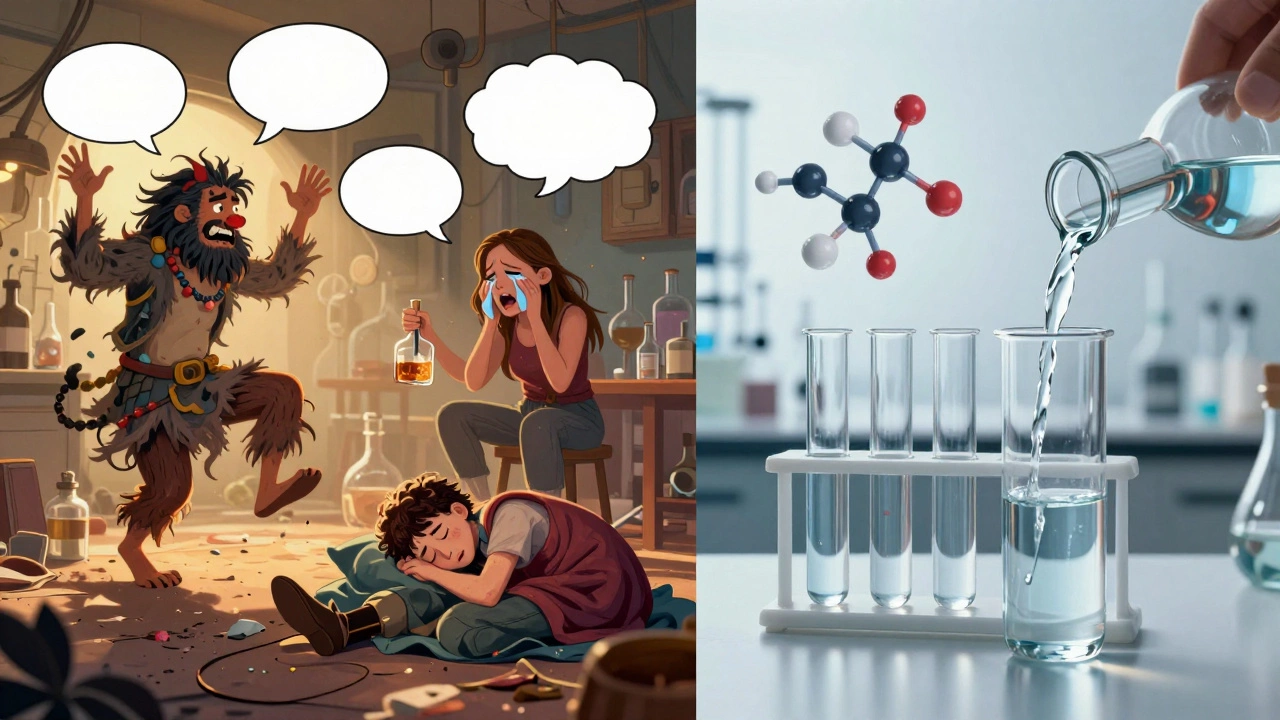
The "Happy Drunk" Mood Simulator
Select your scenario to see what the science predicts about your experience.
You’ve probably heard the jokes before. Tequila makes you wild, whiskey makes you emotional, and red wine makes you sleepy. But if you’re looking for that specific buzz where everything feels light, funny, and genuinely good-the so-called “happy drunk”-you might be asking which bottle actually delivers it. The short answer is going to surprise you: chemically, none of them do. The long answer involves your brain chemistry, how fast you drink, and what you expect to feel.
As someone who spends a lot of time in Edinburgh’s bars and tasting rooms, I’ve seen every type of "drunk" in action. From the quiet contentment after a pint of local ale to the high-energy chaos of a night out on gin cocktails. It turns out, while the folklore says different alcohols create different moods, the science points to something else entirely. Let’s break down what really happens when you take that first sip, and why some drinks feel happier than others even though they contain the same active ingredient.
The Myth of Different Kinds of Drunk
First, we need to address the elephant in the room: ethanol. Whether you are drinking a crisp lager, a bold Cabernet, or a shot of vodka, the psychoactive ingredient is ethanol, the primary alcohol found in all fermented beverages that affects the central nervous system. Chemically, ethanol is ethanol. It does not change its personality just because it’s mixed with grape juice or hops.
Clinical researchers like Subhash Pandey from the University of Illinois have pointed out repeatedly that there is no evidence that different types of alcohol cause distinct mood states. In controlled lab settings, if you give one group beer and another group an equivalent amount of alcohol in soda, their physiological responses are nearly identical. So why do we swear that wine makes us poetic and tequila makes us reckless?
It comes down to expectation and context. This is known as the placebo effect in drinking. If you believe red wine is sophisticated and relaxing, your brain primes itself for relaxation. If you think shots of liquor are for partying, your brain ramps up the energy. A study published in BMJ Open surveyed nearly 30,000 adults across 21 countries and found that these associations are powerful. About 53% of people reported feeling relaxed with red wine, while only 20% felt relaxed with spirits. Conversely, spirits were linked to higher energy and aggression. These aren't chemical facts; they are cultural scripts we follow.
How Your Brain Creates the "Happy" Feeling
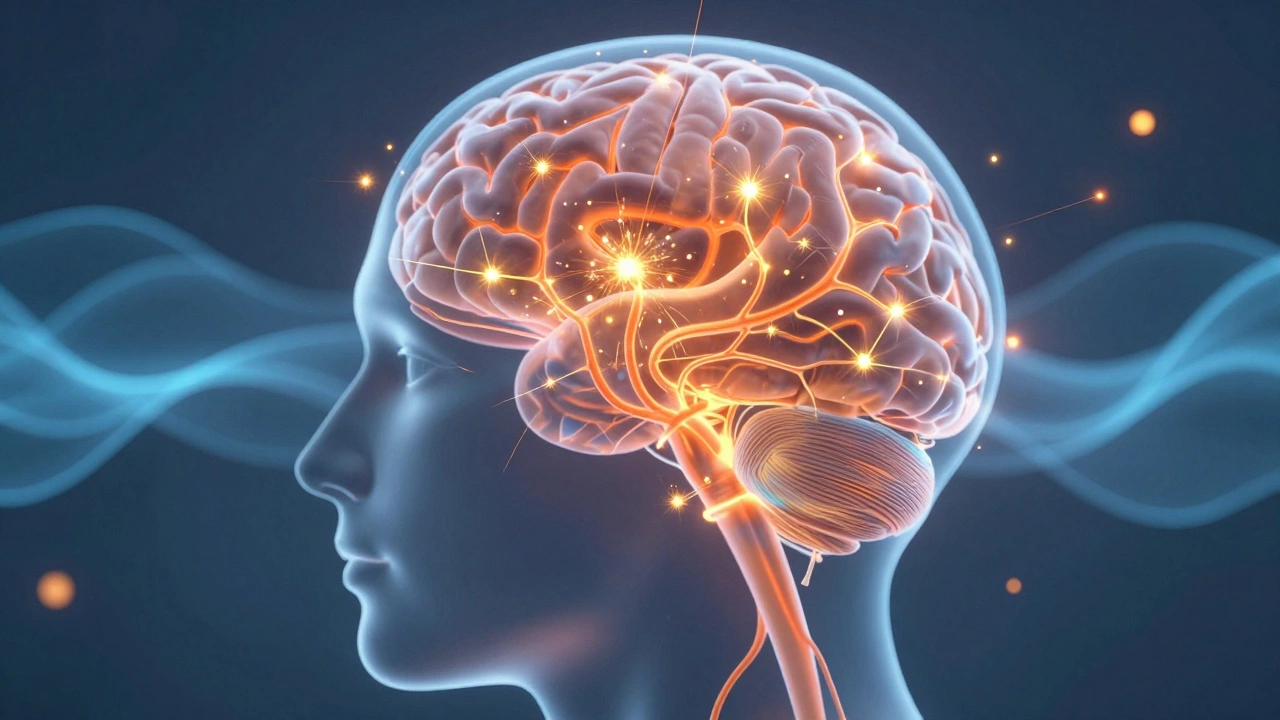
To understand why you feel happy at first, we have to look at neurotransmitters. When you start drinking, alcohol triggers the release of dopamine in your brain’s reward centers. Dopamine is the chemical associated with pleasure and motivation. At the same time, alcohol boosts GABA (gamma-aminobutyric acid), which calms your nerves, and suppresses glutamate, which reduces anxiety.
This combination creates that initial window of euphoria. You feel looser, talkative, and confident. This is the "happy drunk" phase. However, this state is fragile. As your blood alcohol concentration rises, the balance shifts. The calming effect of GABA becomes too strong, leading to slurred speech and coordination issues. Meanwhile, the dopamine high fades, often replaced by irritability or sadness as the alcohol wears off.
The key takeaway here is dose. Low to moderate doses tend to produce the positive mood effects. High doses almost always lead to negative outcomes like aggression, tearfulness, or numbness. This is true regardless of whether you drank a bottle of wine or a pitcher of beer. The "happy" part is strictly tied to staying in that low-to-moderate zone.
Beer, Wine, and Spirits: Which Feels Happiest?
Even though the chemistry is the same, the delivery method changes the experience. Here is how the three main categories compare based on survey data and behavioral patterns:
| Drink Type | Primary Mood Association | Negative Risk | Typical Consumption Pace |
|---|---|---|---|
| Beer | Relaxed, Sociable | Bloating, Boredom | Slow (Social setting) |
| Wine (Red) | Chilled, Introspective | Tiredness, Sadness | Moderate (Meal pairing) |
| Spirits | Energetic, Confident | Aggression, Recklessness | Fast (Shots/Mixers) |
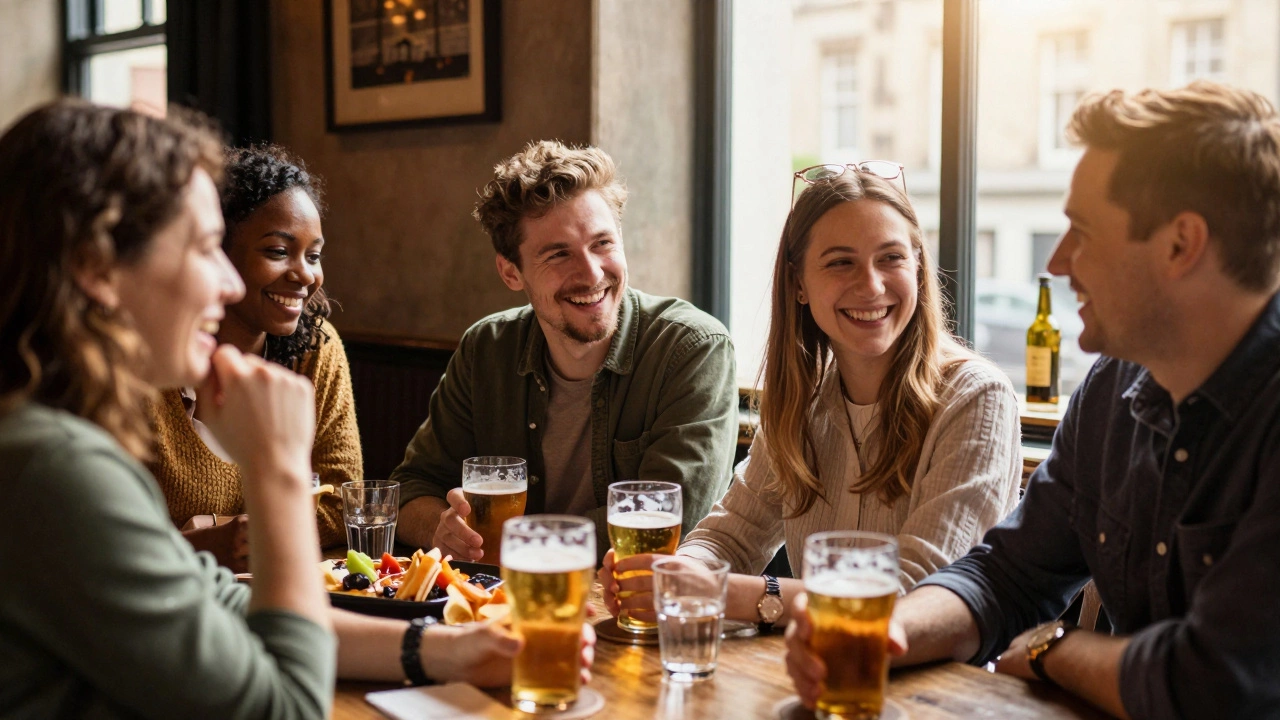
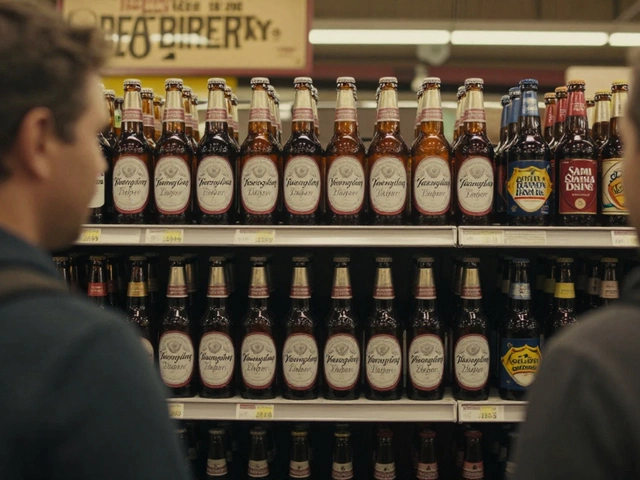
Beer is often the safest bet for a "happy drunk." Because it has a lower alcohol by volume (ABV) usually between 4% and 6%, it takes longer to consume a significant amount of ethanol. This slow pace helps keep you in that mild euphoria zone without spiking your blood alcohol level too quickly. Plus, beer is often consumed in social groups, which amplifies feelings of connection and joy.
Wine is tricky. Red wine, in particular, is associated with relaxation, but also with tiredness. In the BMJ Open study, 60% of respondents said red wine made them feel sleepy. While this can be pleasant after a long day, it can kill the "party" vibe. Also, red wine contains tannins and histamines, which can cause headaches or lethargy in some people, shifting the mood from happy to hangry.
Spirits like vodka, gin, and whiskey are high-proof, usually around 40% ABV. This means you ingest a lot of alcohol very quickly. While this can create a surge of confidence and energy, it also carries the highest risk of swinging into negative emotions. Almost 30% of spirit drinkers in the study reported aggression. If you want happiness, spirits require careful moderation-like sipping a neat whiskey or having one cocktail-not rapid consumption.
The Role of Expectation and Setting
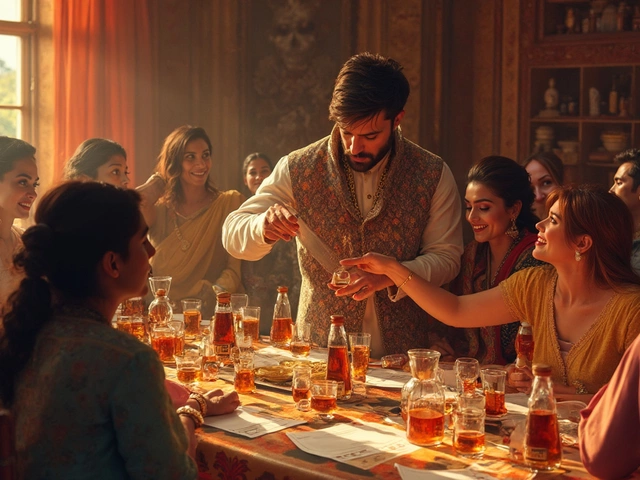
If you go to a bar expecting to have a great time, you likely will, regardless of what’s in your glass. This is called expectancy theory. Your brain prepares for the outcome you anticipate. If you believe champagne makes you celebratory, the ritual of popping the cork and the social cue of clinking glasses trigger those feelings before the alcohol even hits your bloodstream.
Context matters more than you think. Drinking alone in a dark room with a glass of wine might make you introspective or sad, even if that same wine would make you chatty at a dinner party. The environment shapes the emotion. Alcohol lowers inhibitions, meaning it amplifies whatever mood you already have. If you’re stressed, alcohol might make you anxious. If you’re relaxed, it makes you happier. It doesn’t create happiness from scratch; it turns up the volume on your current state.
Who Is Most Likely to Feel "Happy Drunk"?
Your baseline mental health plays a huge role. Research shows that people with higher levels of anxiety or depression might initially feel a stronger relief from symptoms when they start drinking. This is because alcohol temporarily quiets the overactive parts of the brain associated with worry. However, this is a trap. As the alcohol wears off, the rebound effect can make anxiety worse.
For most people, the "happy drunk" is a transient state available to anyone who drinks moderately. But for those using alcohol to cope with stress, the window of happiness is shorter, and the crash is harder. A 2024 study on adults with bipolar disorder found that increased alcohol use led to greater mood instability, highlighting that for vulnerable individuals, chasing the "high" can lead to dangerous lows.
How to Maximize the Happy Buzz Safely
If your goal is to enjoy that pleasant, sociable buzz without the downsides, here is a practical guide based on the science:
- Start Slow: Give your body time to process the alcohol. One standard drink per hour is the general rule for staying in the moderate zone.
- Eat First: Food slows down the absorption of alcohol into your bloodstream, preventing the sharp spike that leads to confusion or aggression.
- Choose Lower ABV: Beer or light wines allow you to extend the duration of the buzz without consuming excessive ethanol.
- Set the Scene: Go where you feel safe and happy. Good company is a bigger factor in feeling "happy drunk" than the type of liquid.
- Avoid Mixing: Switching between beer, wine, and spirits often leads to losing track of total intake. Stick to one type to better gauge your limits.
Remember, the goal isn’t to get drunk; it’s to enhance the moment. The "happy drunk" is really just a well-managed mild intoxication. Once you cross the line into heavy drinking, the neurochemistry shifts from pleasure to impairment, and the happiness disappears.
Long-Term Effects on Mood
It’s worth noting that relying on alcohol for happiness is unsustainable. Over time, regular heavy drinking depletes dopamine and serotonin levels, making it harder to feel happy without a drink. This is why many people find that cutting back or quitting alcohol leads to improved mood stability and less anxiety in the long run. The "happy drunk" is a fleeting gift, not a reliable strategy for mental well-being.
Does red wine make you happier than beer?
Not necessarily. While surveys show red wine is more associated with relaxation and beer with sociability, the actual mood depends on your expectations and how much you drink. Both can produce a "happy" feeling at moderate doses, but red wine may make you sleepier due to its composition.
Why do I feel aggressive after drinking spirits?
Spirits have a high alcohol content, which can raise your blood alcohol level quickly. Rapid intoxication impairs judgment and lowers inhibitions more sharply, which can amplify underlying frustrations or anger. Additionally, cultural expectations link spirits with high-energy or reckless behavior, influencing your reaction.
Can alcohol cure anxiety?
No. Alcohol provides temporary relief by boosting GABA, but it ultimately disrupts neurotransmitter balance. As it wears off, anxiety often returns stronger. Regular use can worsen anxiety disorders over time.
Is there a "best" drink for a first date?
A light beer or a single glass of wine is often recommended. They are lower in alcohol, allowing for conversation without rapid intoxication. Avoid shots or strong cocktails, which can lead to embarrassment or loss of control.
Why do I feel sad after drinking wine?
This is common and known as "wine drunk" sadness. It can be due to the drop in serotonin after the initial high, dehydration, or the presence of histamines and tannins in red wine. It may also reflect lowered inhibitions revealing existing emotional stresses.
Categories