Tea Tasting 101: Simple Steps to Enjoy Every Sip
Ever wondered why some people talk about “the nose” and “the body” when they sip tea? It’s not pretension – it’s a way to get more out of the drink. Knowing a few basic steps lets you catch flavors that most people miss, and you’ll start picking your favorite blends faster.
Prepare Your Cup and Palate
First, use fresh, clean water. Anything with mineral buildup or chlorination will mask tea flavors. Heat the water to the right temperature for the tea you’re testing – 175°F (80°C) for green teas, 200‑212°F (93‑100°C) for black and herbal teas. Don’t guess; a quick digital thermometer does the trick.
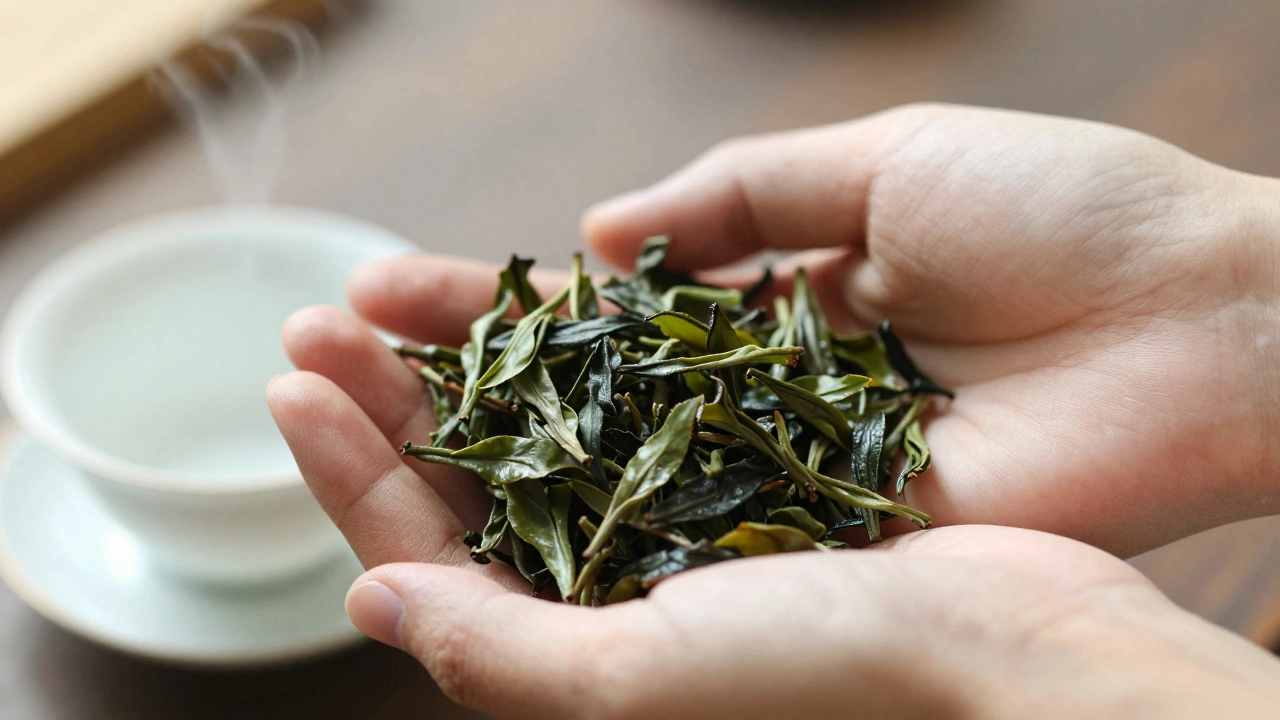
Next, measure the leaf correctly. A good rule is one teaspoon (about 2‑3 g) per 8 oz cup. Too much leaf makes the brew bitter, too little leaves it weak, and both hide subtle notes.
While the tea steeps, give your palate a reset. Sip a plain glass of water or munch on a small cracker. This clears lingering flavors from previous drinks and lets you hear the new tea clearly.
What to Look for When Tasting
When the timer dings, pour the tea into a clear glass or cup. Look at the color first. A golden hue often signals a light, grassy tea, while a deep amber suggests richer oxidation. Color can hint at the processing method.
Bring the cup close and inhale gently. Try to pick out at least two aromas – maybe a vegetal note, a hint of citrus, or a floral scent. Don’t over‑sniff; a quick sniff keeps the aroma from evaporating.
Take a small sip and let it roll over your tongue. Notice the first impression (the “burst”) and then the body – does it feel thin, medium, or full? Identify flavors: sweet, bitter, astringent, or umami. Count how long the taste lasts; a long finish means the tea has depth.
Finally, note the after‑taste. Some teas leave a lingering sweetness, others a dry, clean finish. Write down these observations in a simple notebook or phone app. Over time you’ll see patterns and know which teas match your mood.
Extra tips: avoid adding milk or sugar during the first tasting. These additions mask the tea’s true character. If you must compare two teas side by side, use the same water temperature and steep time for both.
That’s it – a quick, practical way to taste tea like a pro. With a little practice you’ll spot nuances that turn an ordinary cup into a mini adventure. Have fun experimenting, and share your favorite finds with friends.
Try a simple tasting session at home. Pick three teas of different types—green, black, herbal—and follow the steps above for each. Compare notes side by side; you’ll notice how water temperature and steep time change the flavor. This mini‑session builds confidence for larger tastings at cafés or tea houses.
Now you’ve got the basics—go enjoy your next cup and keep exploring.















Categories