Juniper Berries: What They Are, How They're Used, and Why Coffee Lovers Care
When you think of juniper berries, a small, piney cone-like fruit used primarily in gin and traditional European cooking. Also known as juniper fruits, these aren’t actual berries but modified cones from the juniper shrub—often mistaken for berries because of their size and color. They’re the backbone of gin’s signature taste, but they also show up in teas, smoked meats, and even some herbal tisanes that coffee drinkers are starting to explore. If you’ve ever sipped a gin and thought, ‘What’s that sharp, forest-like note?’—that’s juniper. It’s not sweet, not fruity, not floral. It’s resinous, clean, and slightly bitter, like crushed pine needles mixed with citrus zest.
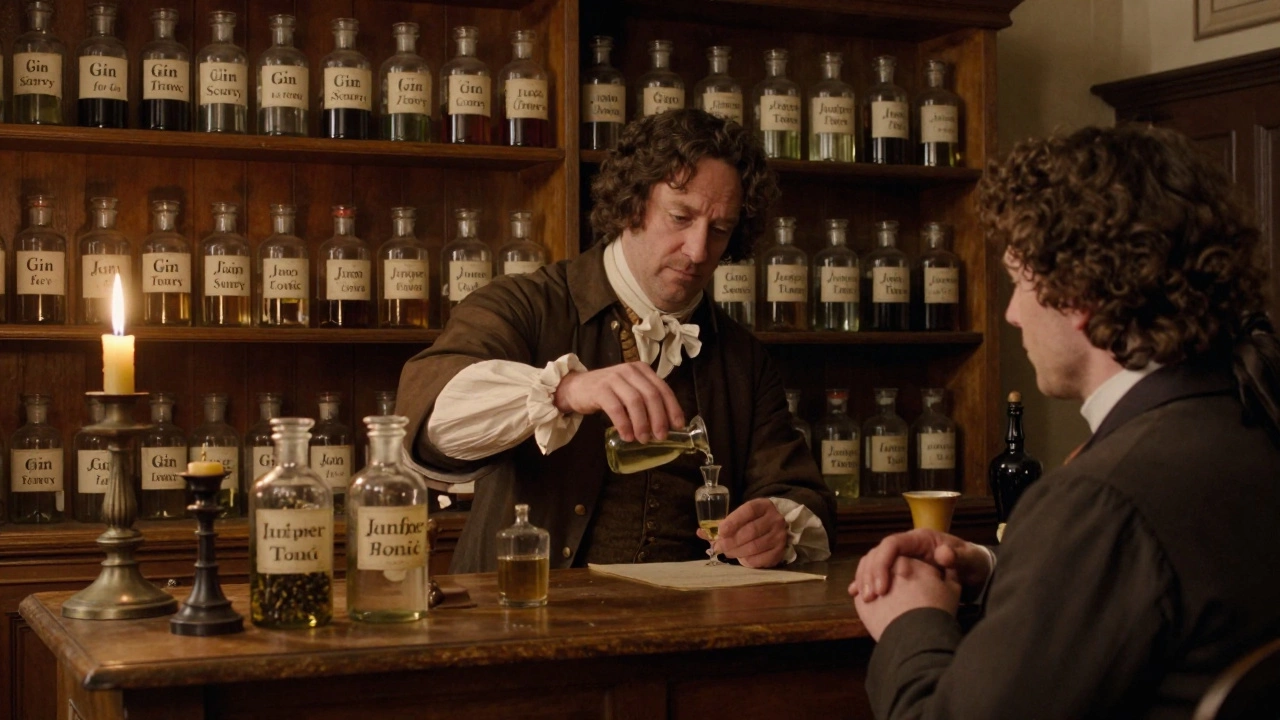
Juniper berries are closely tied to gin, a distilled spirit flavored primarily with juniper and other botanicals. In fact, without juniper, it’s not gin—it’s just flavored vodka. That’s why premium gins like Monkey 47, which uses 47 botanicals, still put juniper front and center. But beyond spirits, these berries show up in herbal tasting, the practice of evaluating non-coffee, non-alcoholic botanicals for aroma, bitterness, and mouthfeel. Think of it like tea tasting, but with wilder, earthier ingredients. Some coffee shops now serve juniper-infused hot water as a caffeine-free alternative to espresso—especially for people cutting back on alcohol or looking for complex, non-sweet flavors.
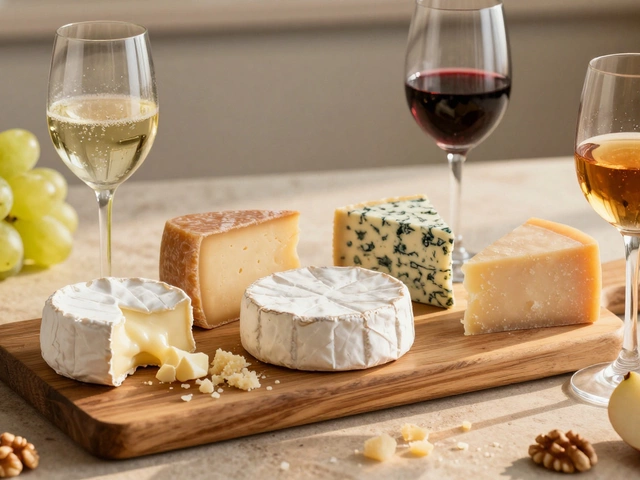
There’s a reason these berries show up in both your cocktail and your spice rack. They’ve been used for centuries in Europe to aid digestion and add depth to game meats. Modern food science confirms what old recipes knew: juniper’s terpenes (the same compounds found in pine trees) interact with our taste receptors in a way that enhances savory notes and cuts through fat. That’s why pairing juniper with rich foods—like duck or aged cheese—works so well. And if you’ve ever noticed how a bold red wine tastes sharper after sipping gin? That’s juniper resetting your palate, just like water does before wine tasting.
What’s surprising is how little most people know about them. You don’t need to be a distiller to appreciate juniper. Try crushing a few berries between your fingers and smelling them. Notice the sharpness? Now imagine that flavor in a drink—clean, herbal, grounding. That’s the same kind of complexity coffee lovers chase in a single-origin pour-over. It’s not about sweetness. It’s about depth. About balance. About something wild, natural, and unfiltered.
Below, you’ll find posts that explore how juniper connects to spirits, tasting rituals, and even non-alcoholic drink trends. Whether you’re curious about gin, herbal infusions, or just want to understand what makes certain drinks taste the way they do, these articles break it down without the fluff. No jargon. No hype. Just real flavor, explained plainly.




Categories