Mocktail Balance Calculator
This tool helps you understand how the ratios of key components in a mocktail affect its flavor balance. Enter values for sweetness, sourness, bitterness, and dilution, and see how they interact to create a professional-quality drink.
Any bar can make a mocktail-but not every bar makes a good one. It’s not about having the tools. It’s about having the mindset.
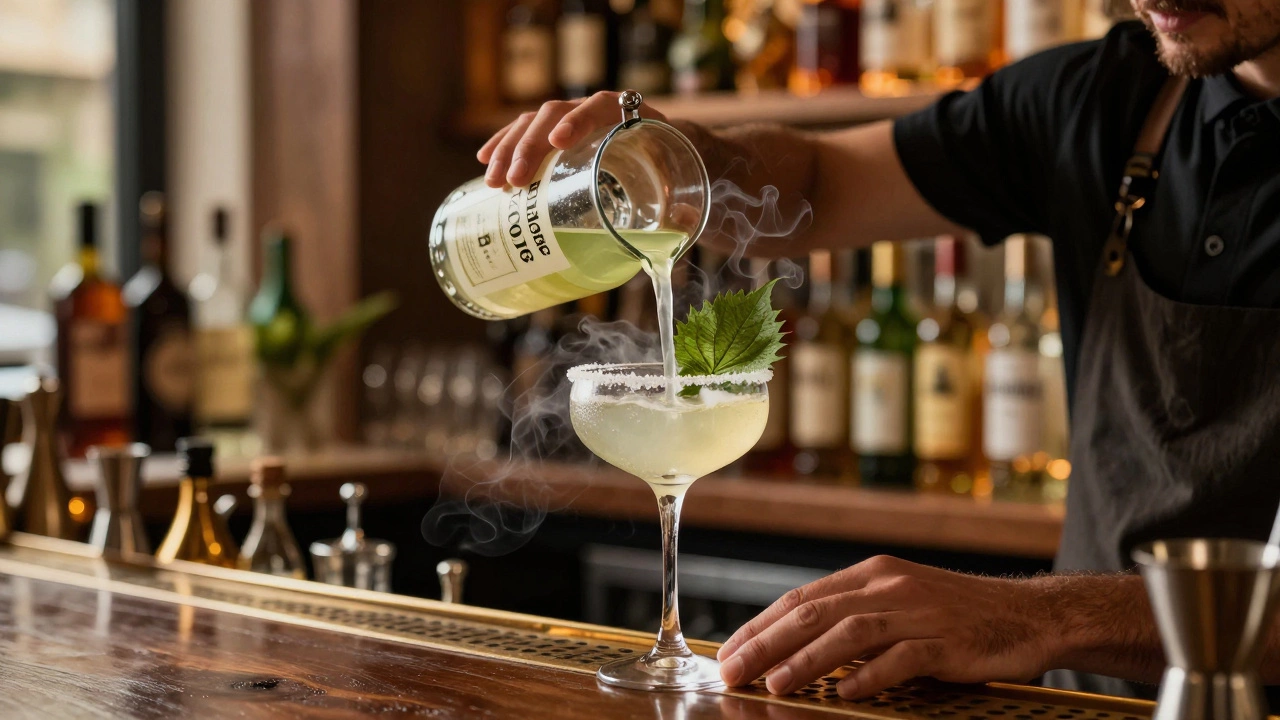
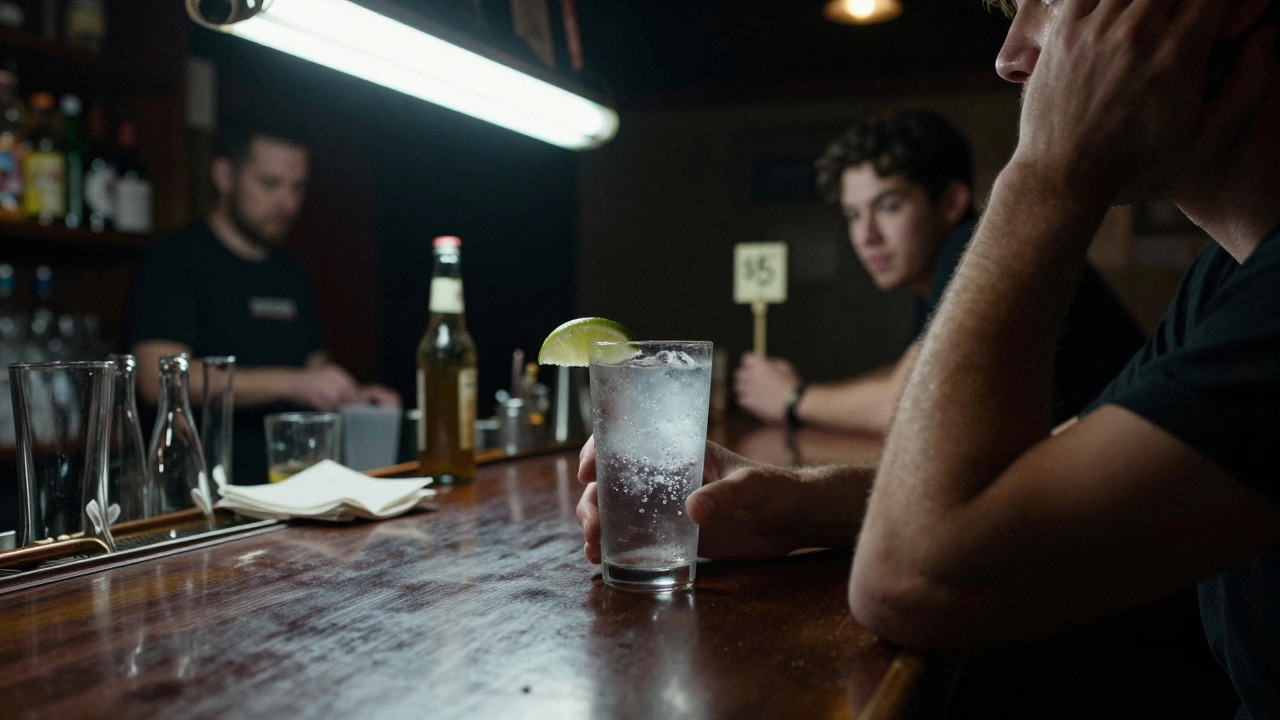
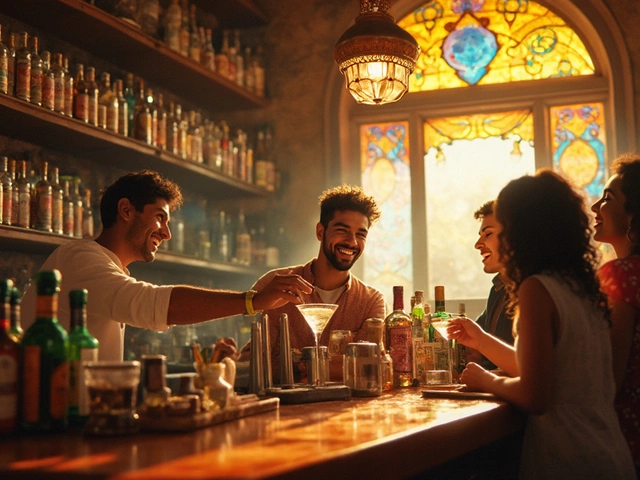
Walk into a dive bar on a Friday night and ask for something non-alcoholic. You might get a glass of club soda with a lime wedge. Charge you $5 for it, too. Walk into a craft cocktail spot and ask the same thing, and you could walk out with a drink made with house-made cucumber syrup, Seedlip Garden 108, shiso leaf, and a smoked salt rim-all in a chilled coupe glass. Same request. Two wildly different experiences.
The truth? The hardware is everywhere. Shakers. Jiggers. Citrus. Simple syrup. Club soda. Most bars already have these. You don’t need a fancy setup. But if you treat a mocktail like an afterthought, your customers will taste it. And they’re paying attention.
What Makes a Mocktail Different From Soda Water?
A mocktail isn’t just alcohol-free. It’s designed to deliver the same balance, texture, and intrigue as a cocktail. That means layers. Depth. Complexity. It’s not lemonade with a splash of soda. It’s about controlling sweetness, acidity, bitterness, and mouthfeel-all without a drop of alcohol.
Take the classic Virgin Margarita. On paper, it’s simple: lime juice, orange juice, agave syrup, salt rim. But the best versions? They use fresh-squeezed lime, not bottled. The syrup is made in-house with equal parts sugar and water, simmered just long enough to dissolve, then cooled. The salt isn’t table salt-it’s flaky sea salt, lightly toasted. The glass is chilled. The ice is fresh. The garnish? A dehydrated lime wheel, not a wedge.
That’s the difference between a drink and a moment.
Can Your Local Bar Do It?
Not all bars are created equal when it comes to mocktails. Data from Yelp and the National Restaurant Association shows clear patterns:
- Bars with a dedicated mocktail menu: 82% customer satisfaction, average price $12-$16
- Bars with trained staff but no dedicated menu: 63% satisfaction, $6-$10
- Bars that wing it: 28% satisfaction, often serve soda with a lime
Why the gap? It’s not ingredients. It’s training. In a 2025 survey of 1,247 Yelp reviews, craft cocktail bars got a 89% success rate when asked to make a mocktail. Sports bars? Only 34%. Why? Because the staff at craft bars treat mocktails like cocktails-same technique, same care, same pride.
At The Aviary in Chicago, their mocktail program includes fat-washed coconut oil and centrifuged juices. At a neighborhood bar? They might just grab whatever juice is left over from last night’s Bloody Mary mix.
The Tools You Already Have
You don’t need a $500 backbar to make a good mocktail. The baseline is shockingly simple:
- Three citrus fruits: lemon, lime, orange
- Two sweeteners: simple syrup, agave nectar
- Three carbonated bases: club soda, tonic water, kombucha
That’s it. According to A Bar Above’s 2024 Craft Mocktail Guide, 92% of bars already have these. The real question isn’t capability-it’s willingness.
Take the ‘NoPaloma.’ It’s the easiest upgrade a bar can make: grapefruit juice, club soda, lime, agave, salt rim. No special equipment. No new bottles. Just a tweak to an existing cocktail formula. And 87% of bars surveyed in 2025 could make this on the spot.
The Rise of Non-Alcoholic Spirits
But if you want to go further? That’s where non-alcoholic spirits come in.
Seedlip has been around since 2015. Clean Co. and Ritual Zero Proof are now in over 28,000 U.S. bars. Ritual Whiskey Alternative is in 73% of craft cocktail bars as of early 2026. These aren’t gimmicks-they’re ingredients.
They add structure. They mimic the botanicals of gin, the warmth of whiskey, the bitterness of vermouth. A Spirit-Free Negroni made with Lyre’s Italian Spritz doesn’t taste like alcohol. But it tastes like something real-bitter, herbal, balanced. And that’s what customers are looking for.
It’s not about replacing alcohol. It’s about replacing disappointment.
Why Bars Are Finally Taking Mocktails Seriously
It’s not just about being nice. It’s about money.
Mocktails have 60-80% profit margins-same as cocktails. The ingredients cost pennies. But they sell for $10-$16. And people are willing to pay. A 2025 BarBuddy App survey found 78% of non-drinkers choose a bar based on whether they offer good mocktails.
At Union Square Hospitality Group, every property now has a mocktail menu. At The Office in Chicago, bartenders get a $0.50 bonus per mocktail sold. In six months, staff engagement jumped 67%. Mocktails aren’t a side note-they’re a revenue stream.
And the numbers back it up. The non-alcoholic drink market is projected to hit $31.9 billion globally by 2027. In the U.S., 32% of Millennials and 27% of Gen Z are cutting back on alcohol. That’s not a trend. That’s a demographic shift.
What Makes a Mocktail Great?
Here’s what separates the good from the great:
- House-made ingredients: 97% of award-winning mocktails use at least one homemade component-syrup, shrub, infused water.
- Proper dilution: Shaking for 15-20 seconds, not 8-10. Cold dilutes flavor. Warm dilutes quality.
- Temperature: Serving at 38-42°F, not 50°F. Cold drinks taste cleaner, crisper.
- Glassware: A rocks glass for a ‘Zero Proof Old Fashioned’ isn’t enough. Use a coupe. A highball. Match the drink’s personality.
- Balance: Too sweet? 63% of negative reviews say so. Too sour? Same issue. It’s not about adding more. It’s about adjusting.
One Reddit user wrote: ‘At The Dead Rabbit in NYC, they made me a mocktail with Seedlip Garden 108, house-made cucumber syrup, and shiso leaf. $14. Worth every penny.’
Another wrote: ‘Asked for something non-alcoholic and got club soda with lime. Charged $5 for what’s normally free.’
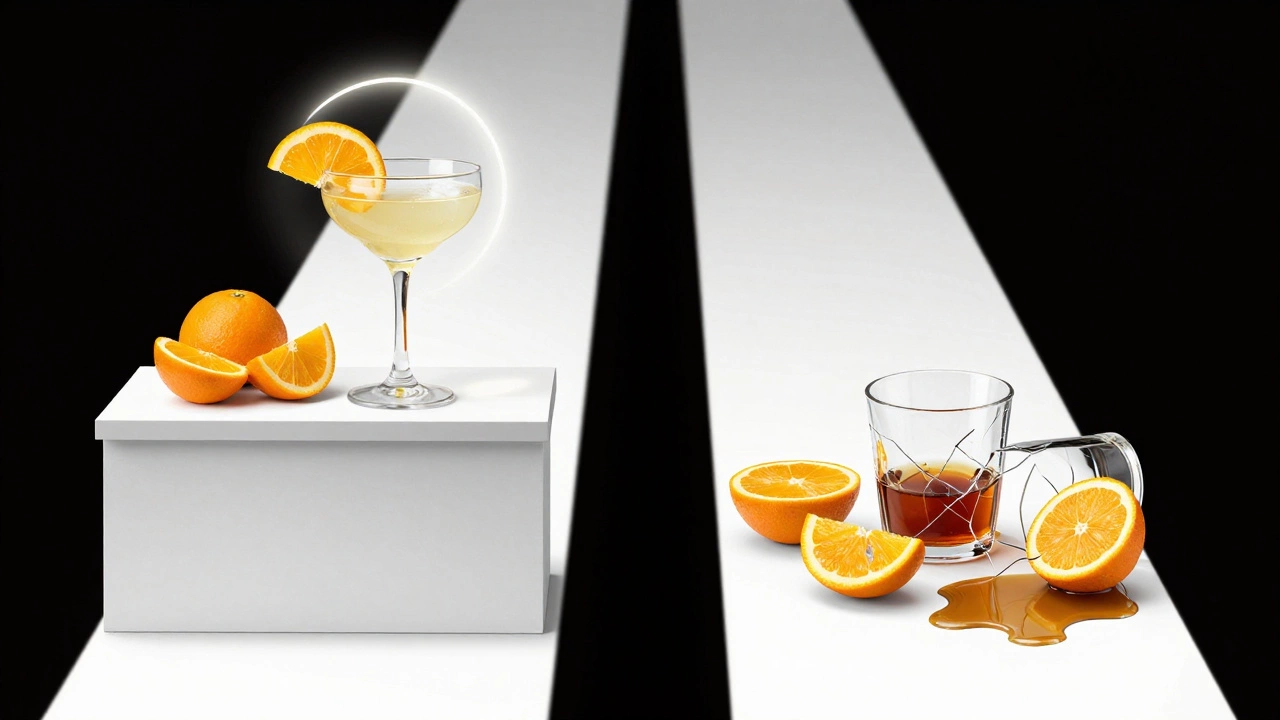
One drink costs $14. The other costs $5. But the real cost? Reputation.
What’s Holding Bars Back?
Two things: mindset and fear.
Some bartenders think mocktails are ‘just juice.’ Others worry they’ll slow down service. Some say, ‘My customers don’t ask for them.’ But the data says otherwise. Demand is rising. And customers notice when you don’t try.
Ingredient spoilage is a real issue. Fresh citrus doesn’t last. Syrups go bad. The fix? Concentrated syrups with 90-day shelf lives. Or make small batches daily. It’s not hard.
The bigger problem? Training. If you don’t teach your staff how to make a mocktail like a cocktail, they’ll make it like a mistake.
As Ivy Mix, James Beard Award-winning bartender, said: ‘The barrier isn’t capability-it’s mindset. When bartenders approach mocktails as an afterthought, customers taste the difference.’
Where Is This All Going?
By 2028, industry analyst Sarah Tracey predicts 95% of bars will offer at least one mocktail. Refusing to do so? That’ll be as outdated as refusing credit cards.
The 2026 Bar Guild certification program just introduced its first mocktail module. It’s not optional anymore. It’s professional.
Mocktails are no longer a novelty. They’re a standard. And the bars that treat them like one-like real drinks, with real care-are the ones winning customers, loyalty, and revenue.
So can any bar make a mocktail? Technically, yes.
But only the ones that care will make one worth drinking.

Categories