When you swap out alcohol for something else, you expect it to be better for you. But too many non-alcoholic drinks are just sugar bombs in disguise. A bottle of "alcohol-free" sparkling wine might have as much sugar as a can of soda. A "wellness" mocktail could be loaded with hidden sweeteners. So what’s actually the healthiest non-alcoholic drink? It’s not about what’s trendy. It’s about what’s clean, functional, and free from tricks.
It’s Not Just About No Alcohol
The biggest mistake people make is thinking "alcohol-free" means "healthy." It doesn’t. Many non-alcoholic wines and beers add sugar to make up for the missing alcohol’s flavor. One 125ml glass of some popular alcohol-free wines has 2-3g of sugar-fine, but not great if you’re drinking more than one. Some even hit 4g per serving. That’s the same as a Coke. And don’t get fooled by phrases like "naturally sweetened." That still means sugar. Honey, agave, coconut sugar-they all spike your blood sugar the same way.Then there’s the issue of additives. Some drinks use artificial flavors, preservatives, or coloring just to look and taste like the real thing. These aren’t harmful in small amounts, but if you’re switching to non-alcoholic drinks to reduce toxins, why add more?
The real winners? Drinks that don’t just remove alcohol-they add something good. Think botanicals, adaptogens, electrolytes, probiotics. These aren’t marketing buzzwords. They’re ingredients with real, measurable effects on your body.
Seedlip Garden 108: The Clean Botanical Spirit
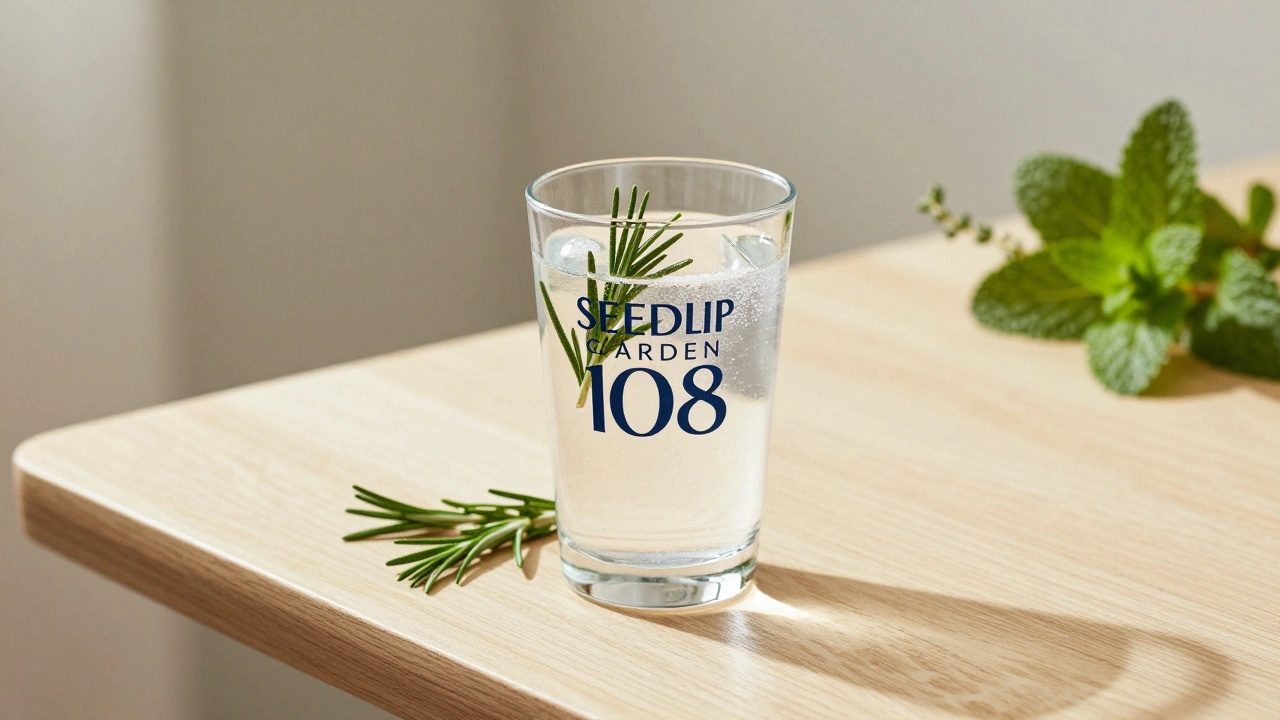
If you miss the complexity of a gin and tonic, Seedlip Garden 108 is your best bet. Launched in 2015 as the world’s first non-alcoholic spirit, it’s made from peas, hops, hay, rosemary, thyme, and spearmint. No sugar. No calories. No artificial anything.It’s not just empty flavor. These botanicals contain natural antioxidants. Rosemary and thyme, for example, have compounds linked to reducing inflammation. The drink works beautifully with tonic water-just make sure it’s the sugar-free kind. Mixing Seedlip with regular tonic adds back 10g of sugar per glass. That defeats the whole point.
Seedlip was bought by Diageo in 2022 for $100 million. That’s not because it’s popular-it’s because it’s trusted. Thousands of users on Reddit report better sleep, less bloating, and even normalized liver enzymes after switching from nightly gin to Seedlip and soda water. It’s not magic. It’s just clean.
Sobah Non-Alcoholic Beer: More Than Just a Beer Replacement
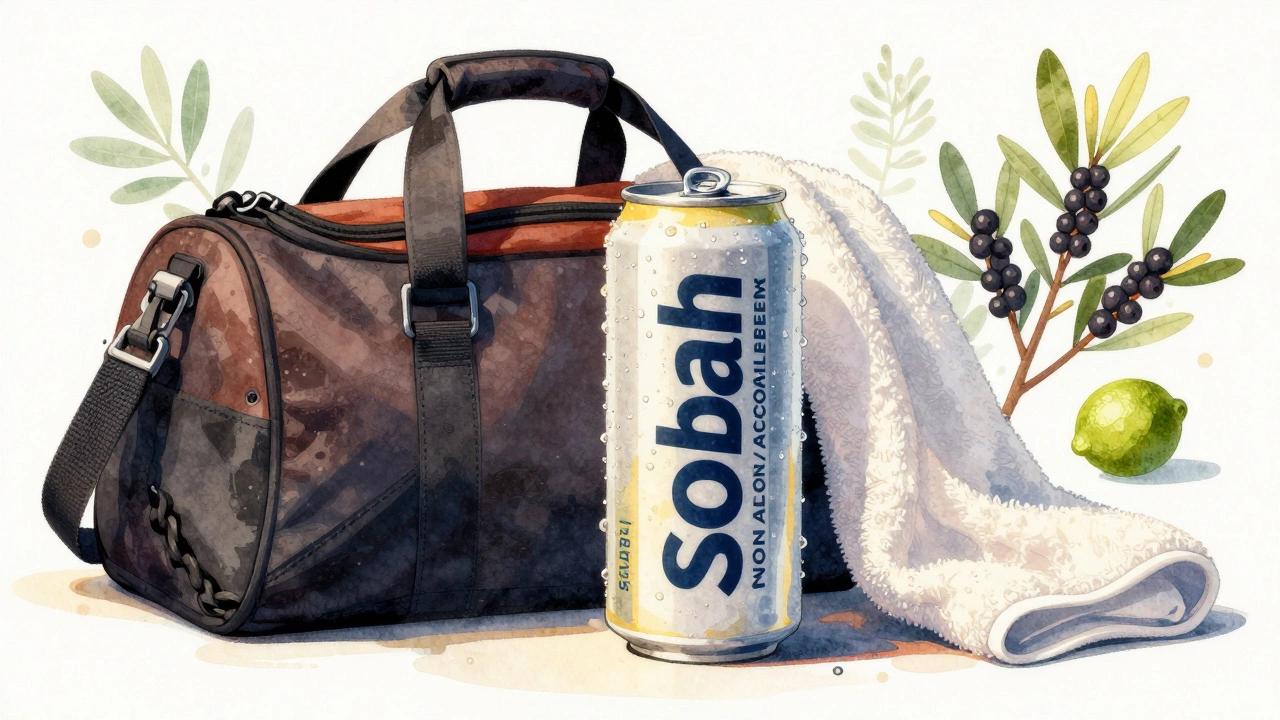
Most non-alcoholic beers are bland. Sobah isn’t. Created by Australian Aboriginal entrepreneur Andrew Deering, it uses native Australian ingredients like pepperberry, lemon aspen, and finger lime. These aren’t just for flavor-they’re nutrient-rich. Pepperberry has high levels of folate and vitamin E. Lemon aspen is packed with vitamin C. Each 375ml can has less than 1g of sugar and only 17 calories.It’s also isotonic, meaning it helps your body absorb water faster than plain water. That’s why athletes and fitness folks swear by it. Unlike regular beer, which dehydrates you, Sobah actually hydrates. And with 4.6 stars on Trustpilot from over 1,200 reviews, people notice the difference. One user wrote: "I used to drink beer after training. Now I drink Sobah-and I don’t feel sluggish the next day."
Goodrays CBD Drink: For Stress and Recovery
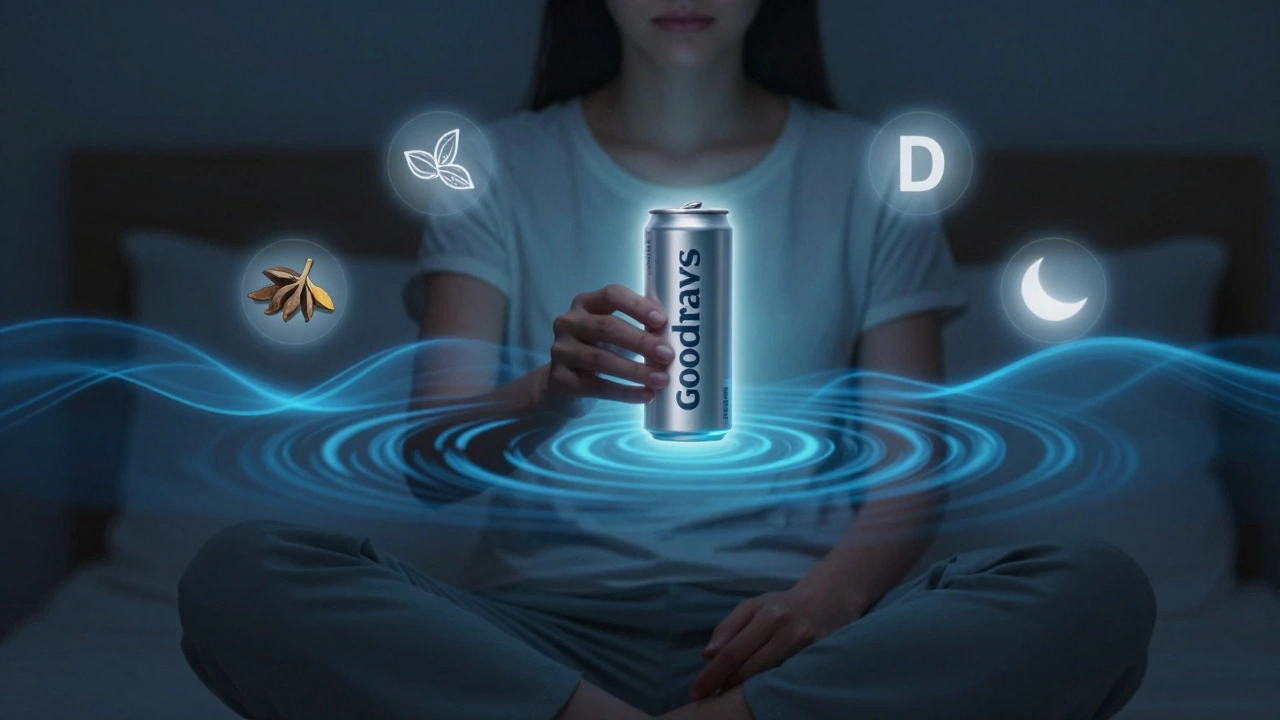
If your main reason for cutting alcohol is stress, anxiety, or poor sleep, then a CBD-infused drink like Goodrays might be your match. Each 250ml can contains 30mg of CBD from Colorado-grown hemp and a full day’s dose of vitamin D. No sugar. Vegan. Gluten-free.There’s science behind this. A December 2025 study in the American Journal of Clinical Nutrition found that people who drank CBD-infused beverages daily for eight weeks saw a 27.9% drop in cortisol, the main stress hormone. That’s comparable to some prescription medications-without the side effects.
On Amazon, Goodrays has 4.4 stars from nearly 2,000 reviews. Common feedback: "I used to need a glass of wine to unwind. Now I have one can of Goodrays and I fall asleep faster." The catch? Price. A 12-pack costs $25. That’s about $2.10 per serving. It’s not cheap, but if stress is wrecking your health, it’s worth considering.
hiyo: The Adaptogen Cocktail
hiyo is designed for people who want the ritual of a cocktail without the crash. Each 355ml can has 3-5g of sugar-low, but not zero. What makes it stand out? It’s packed with clinically studied adaptogens: ashwagandha, lion’s mane, L-theanine, and lemon balm.Ashwagandha reduces cortisol. Lion’s mane supports brain function. L-theanine calms your nervous system without making you drowsy. These aren’t random herbs. They’re backed by peer-reviewed research. One Reddit user, u/CalmWithoutAlcohol, wrote: "I tried everything-tea, kombucha, sparkling water. Nothing helped my anxiety like hiyo. I drink it after work. No grogginess. Just calm."
It’s not perfect. The sugar content is higher than Seedlip or Sobah. But if you’re using it for mental wellness, the trade-off makes sense. A 12-pack costs $45. That’s $3.75 per serving. Compare that to therapy or supplements-you’re paying for convenience and taste.
What to Avoid
Not all non-alcoholic drinks are created equal. Here’s what to skip:- Alcohol-free wines with more than 2g sugar per 100ml-like Thomson & Scott’s "Noughty" sparkling wine. It’s marketed as organic and vegan, but it has 3g of sugar per serving. That’s sugar you didn’t need.
- Kombucha with added fruit juice-Health-Ade and similar brands have 6-8g of sugar per bottle. That’s from fermentation, but the added juice pushes it over the edge. Look for "raw" and "unsweetened" versions.
- "Zero-calorie" flavored sodas-even if they’re sugar-free, artificial sweeteners like sucralose or acesulfame K can still trigger sugar cravings and disrupt gut bacteria.
- Mocktails with syrups-if it says "made with agave syrup" or "honey mix," walk away. Those are just liquid sugar.
How to Choose: The 3-Point Test
You don’t need to be a nutritionist to pick the healthiest drink. Just ask yourself these three questions before buying:- How much sugar is in 100ml? If it’s more than 2g, it’s not a health drink. It’s a dessert.
- Are there functional ingredients? Look for names like ashwagandha, CBD, lion’s mane, electrolytes, or probiotics. If the label reads like a cocktail menu, skip it.
- What’s the ingredient list like? If it’s longer than 8 items and includes things you can’t pronounce, it’s not clean.
Water with lemon and a pinch of sea salt is still the gold standard. But if you want something more interesting, these drinks deliver real benefits without the hangover.
What About Plain Water?
Yes, plain water is the healthiest drink on earth. But let’s be real-some days, you don’t just want hydration. You want ritual. You want flavor. You want to feel like you’re treating yourself without guilt.That’s where these drinks shine. They’re not replacements for water. They’re upgrades for moments when you want more. Swap out your nightly wine for Seedlip and tonic. Choose Sobah after the gym instead of a sugary sports drink. Crack open a Goodrays when you’re feeling overwhelmed. These aren’t luxuries. They’re tools for better living.
The Bottom Line
The healthiest non-alcoholic drink isn’t one thing. It depends on what you need:- For clean flavor and zero sugar → Seedlip Garden 108
- For hydration and nutrients → Sobah Non-Alcoholic Beer
- For stress and sleep → Goodrays CBD Drink
- For focus and calm → hiyo
And if you’re just thirsty? Drink water. Add lemon. Add mint. Add nothing at all. The best drink is the one that helps you feel better-without tricking you.
Is alcohol-free wine healthy?
Most alcohol-free wines are low in alcohol but high in sugar-often 3-4g per serving. That’s similar to soda. While they’re better than regular wine for liver health, they’re not a health drink. Look for brands with under 2g of sugar per 100ml, or skip them entirely. Better options include sparkling water with a splash of cranberry or a dash of bitters.
Are CBD drinks legal everywhere?
No. CBD-infused drinks like Goodrays and VYBES are legal in the U.S., Canada, and Australia, but restricted in the EU and some parts of Asia. In the UK, CBD is allowed if it contains no THC and comes from licensed sources. Always check local regulations before buying or traveling with CBD beverages. The FDA now requires third-party testing labels on all CBD drinks sold in the U.S. as of November 2025.
Can non-alcoholic drinks help with weight loss?
Yes-if you replace high-calorie alcoholic drinks with low-sugar, low-calorie options. A daily glass of wine (120 calories) plus a sugary mixer adds up to 200+ calories. Switching to Seedlip and sugar-free tonic cuts that to 15 calories. Over a month, that’s nearly 5,000 fewer calories. Combine that with better sleep and reduced cravings, and weight loss becomes easier. But don’t replace alcohol with sugary mocktails-that just swaps one problem for another.
Do adaptogens in drinks really work?
Some do, and the science is growing. Ashwagandha, lion’s mane, and L-theanine have been studied in clinical trials for stress, focus, and sleep. A 2025 study showed a 28% drop in cortisol with daily ashwagandha intake. But not all brands use effective doses. hiyo and Little Saints use clinically studied amounts. Others just sprinkle a pinch for marketing. Check the label: if it says "contains adaptogens" but doesn’t list the amount, it’s probably not enough to matter.
What’s the best non-alcoholic drink for workouts?
Sobah Non-Alcoholic Beer and UpFlow Hypotonic Pale Ale are top picks. Both are isotonic, meaning they help your body absorb fluids faster than plain water. They contain natural electrolytes from botanicals and minimal sugar. Unlike sports drinks, they don’t overload you with artificial additives. For post-workout recovery, they’re better than sugary protein shakes or soda. Pair with a protein snack for full recovery.
Are there any non-alcoholic drinks with probiotics?
Yes, but most kombuchas have too much sugar. Look for brands like Kombucha Kult or Brew Dr. Kombucha’s "Unsweetened" line, which have under 2g of sugar per serving and live cultures. Some new brands, like GutLove, are launching probiotic sparkling waters with 1 billion CFUs per bottle and no sugar. These are promising, but still rare. Always check the label for "live and active cultures"-if it’s pasteurized, the probiotics are dead.
Categories