Sober Sip Selector
Not sure what to order? Answer three quick questions to find a drink that fits your vibe, situation, and health preferences.
Recommendation
Why this works:
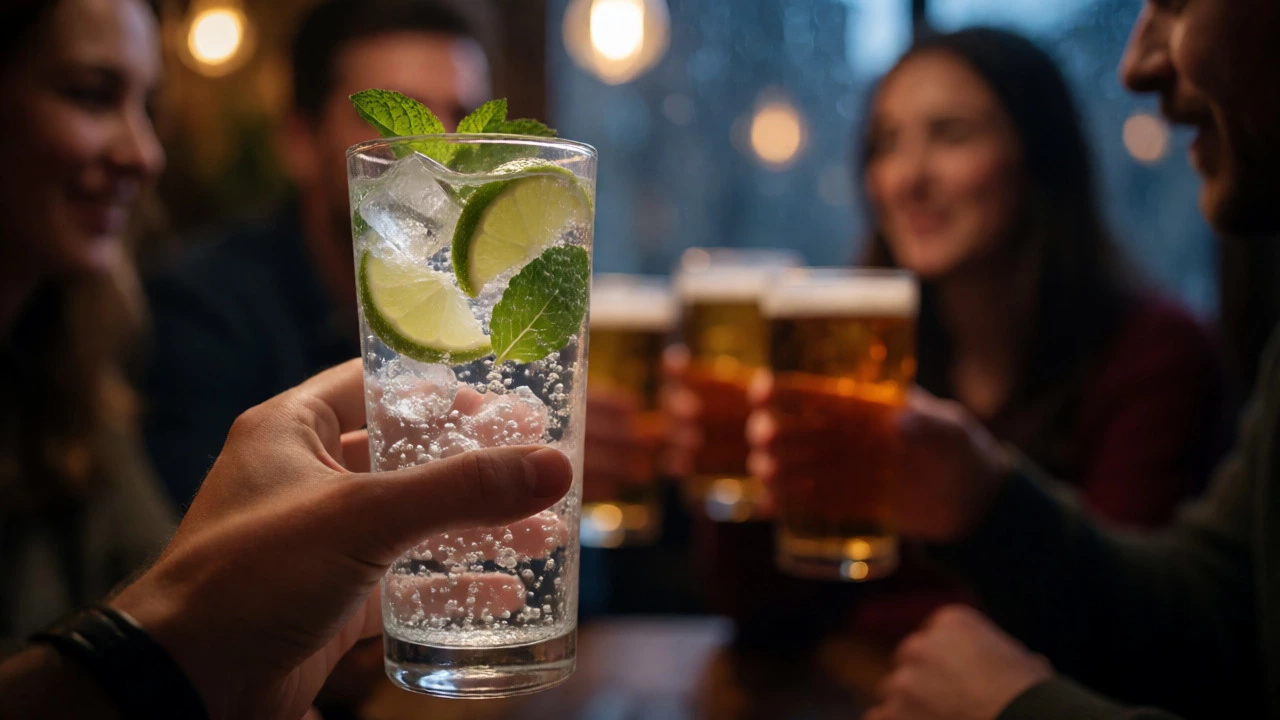
You’re at a pub in Edinburgh, the rain is hammering the window, and your friends are ordering pints. You order a soda water with lime, but you feel like an outsider looking in. Or maybe you’ve decided to cut out alcohol for health reasons, but you miss the ritual of holding a glass, the complexity of flavors, and the social lubricant that ethanol provides. The good news? The landscape of non-alcoholic drinks has exploded since 2018. It’s no longer just about sugary sodas or flat ginger ale. Today, you can find sophisticated botanical spirits, craft non-alcoholic beers, and functional beverages that actually taste good.
But with so many options, where do you start? Do you need a $40 bottle of alcohol-free gin? Is kombucha safe for everyone? Does non-alcoholic beer trigger cravings? This guide breaks down exactly what to drink when you don’t drink alcohol, categorized by situation, taste preference, and health goals.
The Foundation: Hydration That Doesn’t Feel Like Punishment
Before you buy expensive bottles, look at what’s already in your kitchen. The most common mistake people make when quitting alcohol is replacing it with nothing, or worse, high-sugar soft drinks. Water is essential, but plain water lacks the sensory engagement that makes drinking enjoyable. Carbonation is key here. The fizz mimics the mouthfeel of beer or champagne, tricking your brain into feeling like you’re partaking in something special.
Try sparkling mineral water with fresh citrus. In Scotland, we have access to excellent local mineral waters, but any quality sparkling water works. Add a wedge of lime, lemon, or grapefruit. The acidity cuts through the blandness, and the aroma engages your senses before you even take a sip. For those who miss the bitterness of hops or tonic, try adding a dash of aromatic bitters (check labels, as some contain trace alcohol, though usually negligible) or a slice of cucumber and mint. This simple upgrade transforms hydration into a ritual.
Crafted Mocktails: Complexity Without the Ethanol
If you enjoy cocktails, you likely appreciate the balance of sweet, sour, bitter, and salty. Mocktails aren’t just fruit juice mixed with soda; they are engineered drinks that replicate these profiles. The secret ingredient in many great mocktails is acid-lemon, lime, or vinegar-based shrubs-and bitterness, often from non-alcoholic bitters or herbal teas.
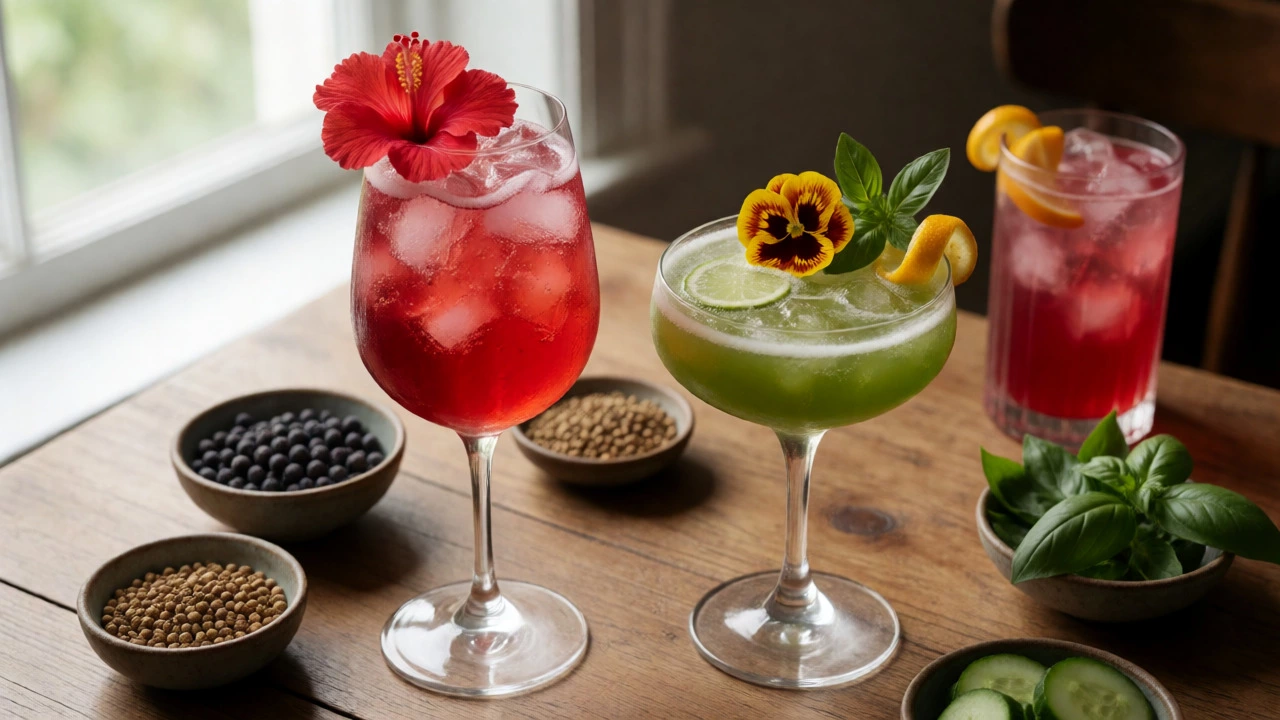
A Virgin Mojito is a classic for a reason. Muddle fresh mint and lime wedges with a teaspoon of sugar, top with club soda, and add ice. The mint releases oils that provide a cooling sensation, while the lime provides sharp acidity. Another favorite is the Nojito, which uses elderflower cordial instead of simple syrup for a floral note that mimics gin. For dinner parties, consider serving complex mocktails in proper stemware. Presentation matters. If you serve a vibrant red hibiscus spritz in a wine glass, guests won’t question why you aren’t drinking wine.
- Bloody Mary Alternative: Tomato juice, Worcestershire sauce, hot sauce, celery salt, and lemon. It’s savory, spicy, and satisfying.
- Gin & Tonic Substitute: Use a botanical tea (like juniper and coriander) brewed strong and chilled, mixed with tonic water and a heavy pour of soda water.
- Whiskey Sour Analogue: Strongly brewed black tea or rooibos mixed with lemon juice, simple syrup, and egg white (or aquafaba) for texture.
Non-Alcoholic Beer and Wine: Taste vs. Trigger
This category is controversial. For some, non-alcoholic (NA) beer is a godsend. Brands like Guinness 0.0, Heineken 0.0, and Athletic Brewing Co. have made massive strides in flavor technology. They use vacuum distillation or arrested fermentation to remove alcohol while retaining hoppy or malty notes. Lagunitas IPNA, for instance, offers a genuine IPA experience without the buzz.
However, there’s a catch. For individuals recovering from alcohol use disorder, NA beer can be a psychological trigger. The smell, the packaging, and the act of drinking from a pint glass can stimulate cravings. Studies suggest that even trace amounts of alcohol (up to 0.5% ABV) can affect metabolism and potentially trigger relapse in sensitive individuals. If you are early in sobriety, proceed with caution. Many recovery experts recommend avoiding NA beer entirely until you have established new habits.
Alcohol-free wines have also improved. Brands like Lussory and Ariel offer de-alcoholized options that retain tannins and body. However, they often lack the depth of their alcoholic counterparts. A better alternative might be high-quality grape juice blends or verjus (unripe grape juice), which offer tartness and complexity similar to wine.
| Category | Taste Profile | Social Suitability | Health Considerations | Best For |
|---|---|---|---|---|
| Sparkling Water + Citrus | Fresh, crisp, neutral | High (Universal) | Zero calories, hydrating | Daily hydration, casual meetups |
| Mocktails | Complex, varied | High (Impressive) | Watch sugar content | Dinner parties, cocktail bars |
| Non-Alcoholic Beer | Malty, hoppy, yeasty | Medium (Context-dependent) | Carbs, potential triggers | Sports viewing, pub culture |
| Kombucha | Tangy, effervescent | Medium (Niche) | Probiotics, low alcohol trace | Lunch pairings, gut health |
| Botanical Spirits | Herbal, bitter, aromatic | High (Sophisticated) | Expensive, check additives | Cocktail enthusiasts |
Functional Beverages: The Sober Curious Trend
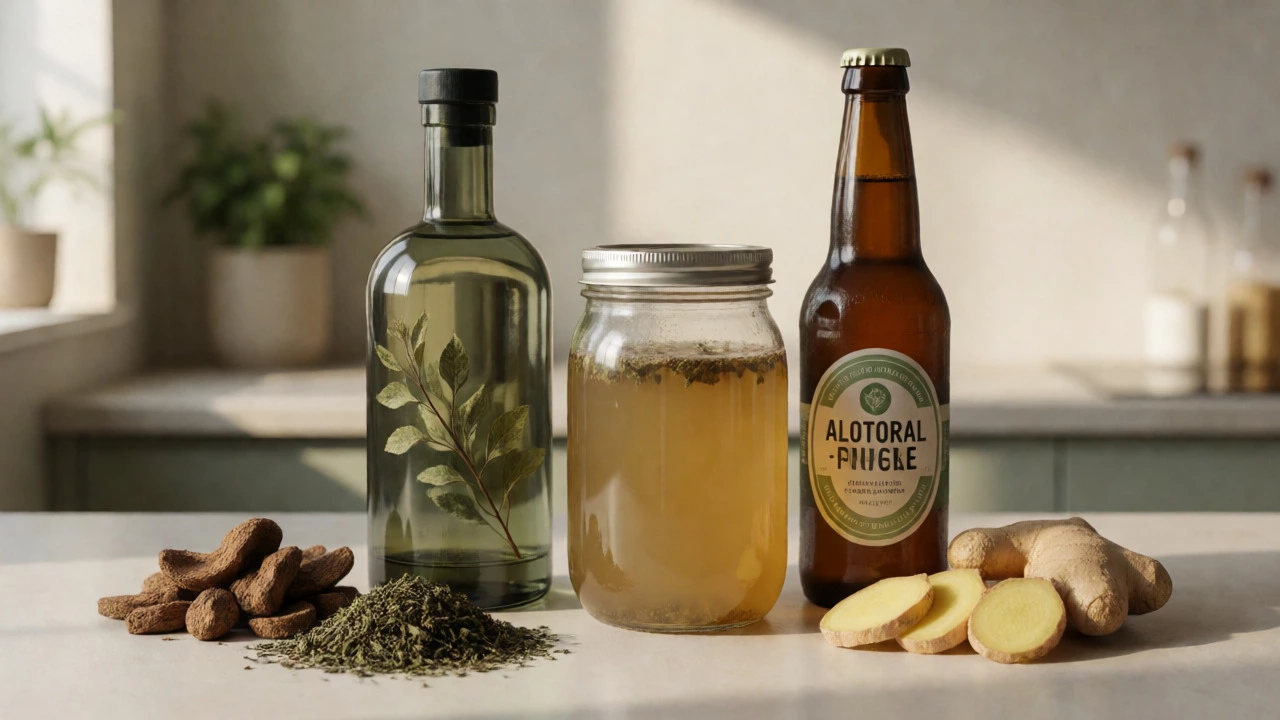
A new wave of drinks promises more than just taste-they promise effects. These "functional" or "euphoric" beverages use ingredients like kava, kanna, L-theanine, magnesium, or CBD to promote relaxation or focus without intoxication. Kin Euphorics and Recess are popular brands in this space.
Do they work? Anecdotally, yes. Many users report a mild sense of calm or social ease. Kava, for example, is a root used in the Pacific Islands for centuries to induce relaxation. However, medical experts urge caution. The long-term safety data on many of these novel compounds is limited. If you have liver issues or take medication, consult a doctor before regularly consuming kava or CBD-infused drinks. Also, be wary of marketing hype; not every adaptogenic drink will give you a "buzz," and some may simply taste like expensive herbal tea.
Fermented Options: Kombucha and Water Kefir
If you miss the tang of wine or the complexity of cider, fermented drinks are a great middle ground. Kombucha is fermented tea containing probiotics, organic acids, and trace amounts of alcohol (usually under 0.5%). It offers a dry, acidic finish that pairs well with rich foods.
Water kefir is another option, made by fermenting sugar water with symbiotic cultures of bacteria and yeast. It’s lighter and sweeter than kombucha but equally fizzy. Both drinks support gut health, which is often compromised by alcohol consumption. Start with small amounts (4 oz per day) if you’re new to them, as the probiotics can cause temporary digestive adjustments. Always buy commercially produced versions rather than home-brewed ones unless you are experienced, as contamination risks exist with improper brewing.
Practical Tips for Social Situations
The hardest part isn’t finding the drink; it’s handling the social dynamics. Here’s how to navigate it:
- Have a Plan: Know what you’ll order before you arrive. Walking up to a bar and hesitating invites questions. Ordering confidently signals that you know what you want.
- Use the Right Glassware: Drinking soda water from a plastic cup feels medicinal. Drinking it from a coupe or highball glass feels intentional. Ask the bartender for a nice glass.
- Bring Your Own: At house parties, bring a bottle of high-quality alcohol-free wine or a six-pack of NA beer. Share it. People are often curious and willing to try.
- Don’t Over-explain: You don’t owe anyone your life story. "I’m taking a break from alcohol" or "I prefer non-alcoholic options" is sufficient. Most people respect boundaries more than they judge them.
Final Thoughts: Experimentation is Key
There is no single best non-alcoholic drink. It depends on whether you want refreshment, complexity, or ritual. Start with the basics: sparkling water and tea. Then, explore mocktails and NA beers to see if they satisfy your cravings. Be mindful of sugar content in juices and sodas, and approach functional drinks with curiosity but caution.
The market is growing rapidly, with projections suggesting the global non-alcoholic sector could reach over USD 2 trillion by 2030. This means better options are coming. Keep experimenting, keep tasting, and remember: the goal is to enjoy the moment, not just avoid the hangover.
Is non-alcoholic beer completely alcohol-free?
Not always. Many products labeled "non-alcoholic" can contain up to 0.5% ABV, which is legally considered non-alcoholic in many countries. True "alcohol-free" beers usually contain less than 0.05% ABV. Check the label carefully if you are avoiding alcohol for medical or religious reasons.
Can kombucha get you drunk?
It is highly unlikely. Commercial kombucha contains trace amounts of alcohol (usually under 0.5%) due to fermentation. To reach intoxication levels, you would need to consume impractical volumes very quickly. However, people with severe alcohol sensitivities should consult a doctor.
Are alcohol-free spirits worth buying?
They can be, especially for mixing cocktails. Brands like Seedlip or Lyre’s offer botanical complexity that plain mixers lack. However, they are often expensive and may not taste identical to real spirits. It’s best to experiment with one brand before committing to a full case.
What is the healthiest non-alcoholic drink?
Plain water, herbal tea, and unsweetened coffee are generally the healthiest choices due to zero calories and no additives. Sparkling water with fresh fruit is also excellent. Avoid high-sugar juices and sodas if weight management or blood sugar control is a priority.
Does non-alcoholic beer trigger cravings?
For some people in recovery, yes. The taste, smell, and visual cues can stimulate dopamine responses associated with alcohol. Others find it helpful for maintaining social rituals. It is highly individual; listen to your body and consider professional advice if you are in early sobriety.

Categories