🍵 Tea Tasting Menu Planner
Step 1: Select Your Teas (Light to Dark)
Click on the tea types below to build your flight. The system will automatically arrange them in the recommended sensory order.
White Tea
Delicate & FloralGreen Tea
Grassy & FreshOolong Tea
Aromatic & ComplexDarjeeling
Fruity & MuscatelBlack Tea
Bold & MaltyPu-erh
Earthy & AgedStep 2: Event Logistics
Your Tasting Flight
Select teas on the left to generate your personalized menu and pairings.
Imagine you are hosting a group of friends for an evening of tea tasting. You have selected five beautiful teas, from delicate white leaves to robust black blends. But as the clock ticks toward the start time, a nagging question remains: what exactly do you put on the table besides the teapots? Do you need full courses of food? Just crackers? Or perhaps something in between? Getting this right is the difference between a confusing mess of flavors and a refined sensory experience that highlights the true character of each leaf.
The answer depends entirely on the style of event you are designing. There is no single universal rulebook, but there are clear principles used by experts ranging from home hosts to Michelin-starred sommeliers. Whether you want a minimalist evaluation of tea qualities or a complex culinary journey, your food choices must support the beverage, not overpower it. Let’s break down exactly what belongs on your table, why specific items work, and how to avoid common pitfalls that ruin the palate.
Building the Core: The Tea Flight Structure
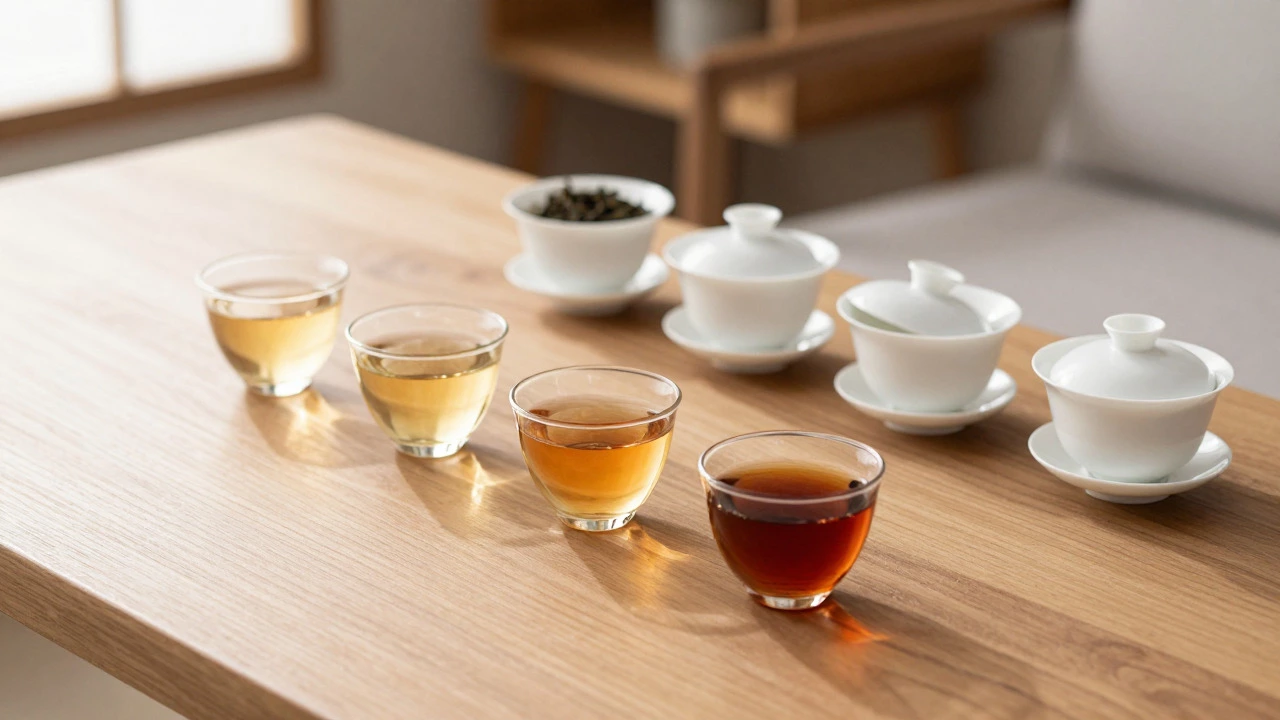
Before touching the food, you must understand the sequence of the drinks themselves. A standard tea tasting follows a logical progression based on oxidation levels and flavor intensity. If you serve a smoky Lapsang Souchong before a subtle Silver Needle white tea, the strong notes will linger and mask the delicate floral aromas of the lighter tea. Therefore, the order is non-negotiable for a clean experience.
- White Tea is the least processed and most delicate category, often featuring floral and sweet notes. Start here to establish a neutral baseline.
- Green Tea is unoxidized, offering grassy, vegetal, or roasted profiles depending on preparation. This adds complexity without heavy tannins.
- Oolong Tea is partially oxidized, bridging the gap between green and black with diverse aromatic ranges. Choose light oolongs first, moving to darker ones if serving multiple varieties.
- Darjeeling is often called the champagne of teas, with muscatel and fruity characteristics. It serves as a transition point.
- Black Tea is fully oxidized, providing bold, malty, or smoky flavors with high tannin content. End here to finish the session with robust notes.
For each tea, serve small pours. Think wine tasting, not afternoon tea. Approximately 30 ml (1 ounce) per guest per tea is ideal. This volume allows guests to taste the aroma, feel the texture, and swallow without feeling overly full or saturated with caffeine. Use glass cups if possible; seeing the color change from pale gold to deep amber enhances the visual appreciation of the brew.
The Essential Palate Cleansers
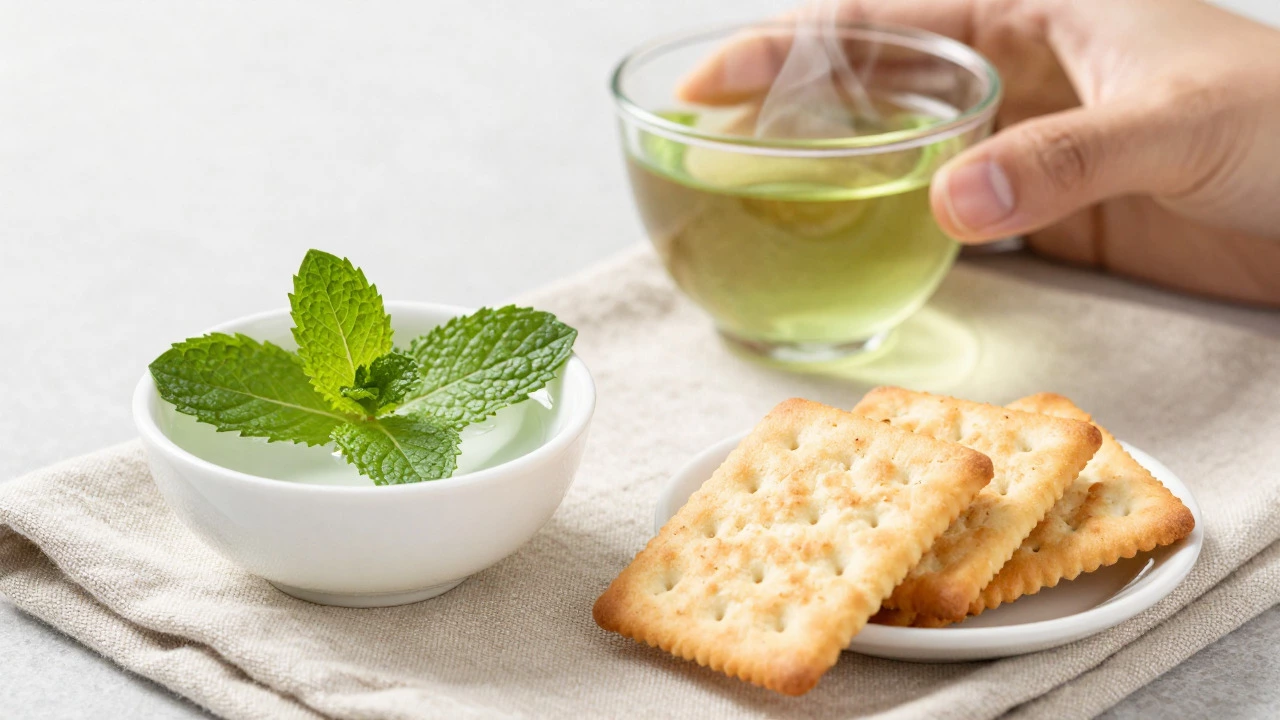
You cannot skip this step. Between every single tea, your guests need to reset their mouths. Without a cleanser, the bitterness of the previous tea will distort the sweetness of the next one. Water is the primary tool here, but it must be served correctly.
Provide a large jug of still water infused with mint leaves or left plain. Mint is excellent because its cooling effect clears residual oils from the tongue. Avoid sparkling water, as the carbonation can irritate the throat and interfere with subtle flavor detection. Additionally, offer a small dish of unsalted crackers or plain rice cakes. These starches absorb lingering tannins and provide a neutral canvas. The key attribute here is low flavor intensity. Salted chips, flavored pretzels, or spicy nuts are forbidden; they introduce competing tastes that take days to fully wash out of the system.
Choosing the Right Snacks: Minimalist vs. Pairing
This is where host preferences diverge significantly. You have two main paths: the Purist Approach and the Culinary Pairing Approach. Your choice dictates the rest of the menu design.
The Purist Approach: Neutral Bites
If your goal is to evaluate the tea objectively, keep the food invisible. In this model, you serve only bland, dry items. Shortbread cookies, plain biscuits, or simple scones without heavy toppings work well. The portion size is critical: guests should eat these in one or two bites. If a snack requires chewing for more than ten seconds, it is likely too substantial. The purpose is simply to prevent stomach grumbles and provide a physical anchor, not to contribute flavor. This style is best for educational tastings or when comparing very similar tea varieties where minute differences matter.
The Culinary Pairing Approach: Intentional Matches
If you want to explore how tea interacts with food, you move into structured pairing. Here, you match the intensity and flavor profile of the tea with specific dishes. The golden rule is matching intensity: delicate teas need delicate foods, while bold teas can handle rich, savory components.
- White and Light Green Teas: Pair with fresh, crisp elements. Sliced peaches, cucumber sandwiches, or sushi work beautifully. The tea acts as a refreshing counterpoint to the freshness of the food.
- Oolong Teas: These are versatile. Light oolongs pair well with soft cheeses like brie or mild goat cheese. Darker, roasted oolongs stand up to aged Gruyère or even light charcuterie.
- Darjeeling and First Flush Blacks: These teas have fruity, floral notes. They shine with fruit desserts, such as stone-fruit tarts or lemon poppy seed cake. The acidity of the fruit complements the tea's brightness.
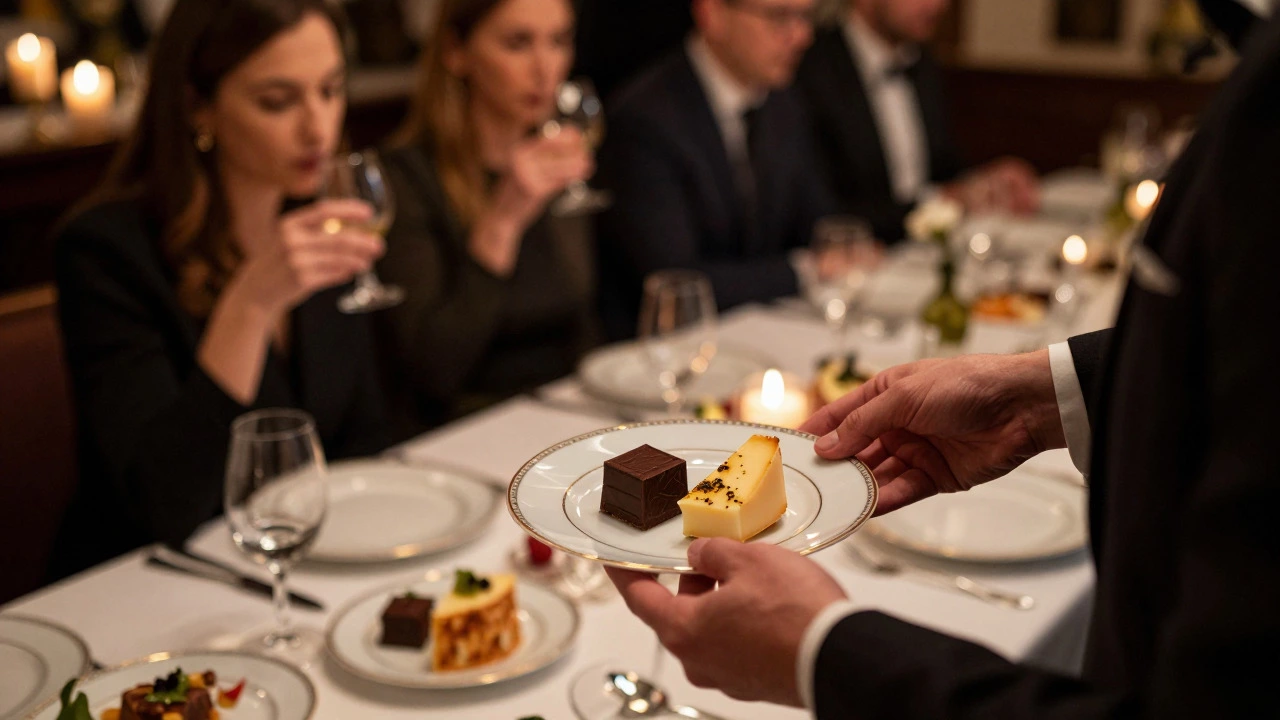
- Robust Black Teas and Pu-erh: These have high tannins and earthy or smoky profiles. Pair them with dark chocolate, roasted meats, or hearty pastas. The fat in cheese or meat cuts through the astringency, creating a smooth mouthfeel.
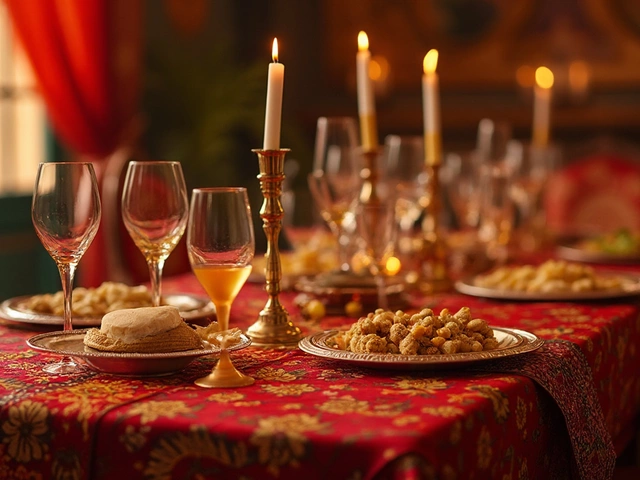
When serving paired foods, use small portions again. Bite-sized pieces of roast beef, cubes of dark chocolate, or individual macarons ensure guests don't get full before finishing the flight. Presentation matters here too; using nice china or glass plates elevates the perceived quality of the event, signaling that this is a curated experience rather than a casual snack break.
Temperature, Equipment, and Logistics
Even the best ingredients fail if the execution is sloppy. Temperature is the most overlooked factor in home tastings. Many people believe hotter is better, but serving tea near boiling point (95-100 °C) actually numbs the tongue. To taste the full spectrum of aromas and flavors, serve your tea at approximately 60-70 °C. This is warm enough to be cozy but cool enough to let the nose detect volatile compounds without pain.
Equipment setup should follow a strict hygiene protocol to prevent cross-contamination. Each tea needs its own dedicated vessel. If you are serving five teas, you need five separate brewing pots or infusers. While you can reuse cups, it is safer and more professional to provide a new cup for each tea. Residual liquid from a smoky black tea in a cup previously used for white tea will ruin the next sample. Glass cups are preferred for their transparency, allowing guests to observe the liquor color, which is a key part of the sensory evaluation.
Don’t forget the condiments. While purists may argue against altering the tea, practical hosting requires accommodating different preferences. Provide a small jug of milk, sugar cubes, honey, and lemon slices. However, place these on the side, not in the center of the tasting table, to subtly encourage guests to try the pure brew first. For non-tea drinkers, have a backup plan ready: fresh lemonade or coffee ensures everyone feels included in the social aspect of the gathering.
Common Mistakes to Avoid
Hosts often make errors that inadvertently sabotage the tasting experience. Being aware of these helps you refine your setup.
- Overloading the Menu: Serving a full three-course meal alongside a five-tea flight is overwhelming. Guests will be too focused on eating to notice the subtle shifts in tea flavor. Stick to snacks or small bites.
- Ignoring Caffeine Content: Five cups of black tea can equal several espressos. Warn sensitive guests beforehand or include decaffeinated options in the lineup to manage energy levels.
- Strong-Smelling Foods Nearby: Keep garlic, onions, and heavily spiced dishes away from the tasting area. Odors travel, and a whiff of frying onion can completely disrupt the perception of a delicate jasmine tea.
- Skipping the Water Breaks: Rushing through the teas without pauses for water leads to flavor fatigue. Build in natural breaks after the second and fourth teas to allow palates to recover.
Designing Your Own Tasting Menu
Now that you understand the components, you can assemble a menu that fits your space and guest count. For a small group of four to six people, a three-tea flight is manageable and effective. Choose one light, one medium, and one dark tea. Pair each with a specific small bite: perhaps a piece of white chocolate with the white tea, a slice of apple with the green tea, and a square of dark chocolate with the black tea. Add the mint water and unsalted crackers as constant companions. This structure provides variety without logistical chaos. If you are hosting a larger party or a more formal event, expand to five teas and introduce a wider array of pairings. Consider adding a tea-infused cocktail as a welcome drink to set the tone. This bridges the gap between traditional tea service and modern mixology, making the event feel current and engaging. Ultimately, the best thing to serve at a tea tasting is attention to detail. Every element, from the temperature of the water to the shape of the cup, contributes to the story you are telling through the leaves.
How much tea should I serve per person?
Aim for approximately 30 ml (1 ounce) per tea per person. This small volume allows guests to taste multiple varieties without becoming overly caffeinated or full, mimicking the format of a wine flight.
Should I add milk or sugar to the tasting teas?
Ideally, no. The goal is to taste the pure character of the tea. However, provide milk, sugar, and lemon on the side for guests who prefer modified beverages, encouraging them to try the pure version first.
What is the best order for serving different types of tea?
Serve from lightest to darkest. Start with White Tea, move to Green Tea, then Oolong, followed by Darjeeling or other semi-black teas, and finish with robust Black Teas or Pu-erh. This prevents strong flavors from masking delicate ones.
Can I use the same cup for all the teas?
It is recommended to use a separate cup for each tea to avoid cross-contamination of flavors. If reusing cups, rinse them thoroughly with hot water, but fresh cups are the standard for professional-grade accuracy.
What kind of snacks are appropriate for a tea tasting?
Choose neutral, low-flavor items like unsalted crackers, plain shortbread, or small pieces of fruit. If doing food pairing, match the intensity of the food to the tea, such as dark chocolate with black tea or soft cheese with oolong.
Categories