Whiskey Pairing Compatibility Checker
Select a food item to check its compatibility with whiskey based on flavor chemistry and sensory balance.
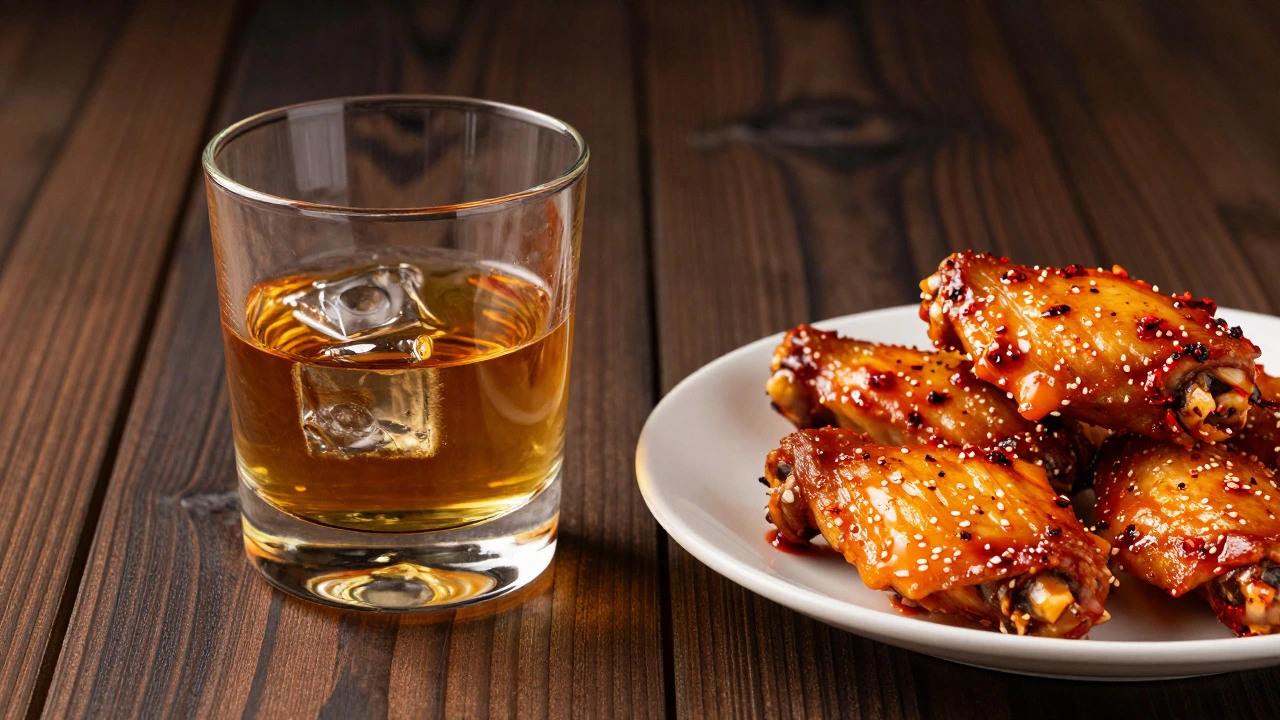
Imagine this: you’ve just poured a glass of your favorite single malt. The amber liquid catches the light, and the aroma of vanilla, oak, and smoke fills the air. You take a sip, savoring the complexity. Then, you bite into a piece of blue cheese or a fiery hot wing. Suddenly, the delicate notes vanish, replaced by a harsh burn or an unpleasant metallic aftertaste. It’s a frustrating experience that many whiskey drinkers have faced at least once.
Finding the right food to accompany whiskey is a high-proof distilled spirit known for its complex flavor profile, including notes of wood, fruit, and spice isn’t just about personal preference; it’s about chemistry and sensory balance. While there are plenty of great pairings out there-like dark chocolate with bourbon or smoked salmon with peated scotch-knowing what not to eat is equally important. Certain foods can clash with the spirit’s natural acidity, mask its subtle aromas, or even cause physical discomfort like bloating and dehydration.
The Science of Flavor Clashes
Before diving into specific foods, it helps to understand why some combinations fail. Whiskey is a potent spirit with a distinct chemical structure. It contains ethanol, congeners (flavor compounds), and varying levels of acidity depending on the grain bill and aging process. When you introduce certain foods, you’re triggering reactions in your mouth that can either enhance or destroy these flavors.
For instance, capsaicin-the compound that makes chili peppers hot-interacts directly with pain receptors in your mouth. When combined with the alcohol burn of whiskey, it creates a compounded sensation of heat that overwhelms your palate. Similarly, strong acids in tomatoes or citrus can react with the tannins and esters in whiskey, creating a sour, unbalanced taste. Understanding these interactions helps you avoid common pitfalls and enjoy your drink to the fullest.
Spicy Foods: The Heat Clash
If there’s one rule that nearly every whiskey expert agrees on, it’s this: avoid extremely spicy foods. We’re talking about dishes loaded with capsaicin, such as Indian vindaloo, Szechuan peppercorn stir-fries, or buffalo wings with extra-hot sauce.
Why is this such a bad idea? Alcohol amplifies heat. When you eat something spicy, the capsaicin binds to TRPV1 receptors in your mouth, signaling "burn." Whiskey, being high in alcohol, activates similar pathways. Combining the two doesn’t create harmony; it creates chaos. The result is a mouthful of fire that masks all the nuanced flavors of the whiskey. You won’t taste the honeyed sweetness of a Speyside or the smoky depth of an Islay-you’ll just feel the burn.
Even moderately spiced dishes can be problematic if they’re heavily seasoned with garlic or onions. These pungent ingredients leave a lingering residue on your tongue, which interferes with your ability to detect the delicate top notes of the spirit. If you must eat something with a kick, opt for mild spices like cinnamon or nutmeg, which complement rather than compete with whiskey’s flavor profile.
Dairy Products and Strong Cheeses
You might think that creamy, rich foods would soften the harshness of whiskey, but dairy products often do more harm than good. Heavy cream sauces, full-fat yogurt, and especially strong cheeses like blue cheese or aged gouda can coat your mouth in a layer of fat that dulls your sense of taste.
This phenomenon is known as palate fatigue. The fats in dairy bind to the aromatic compounds in whiskey, preventing them from reaching your olfactory receptors. Instead of experiencing the full spectrum of flavors, you’re left with a muted, flat impression. Blue cheese is particularly notorious for this. Its intense, funky aroma carries through long after you’ve swallowed, dominating the next sip of whiskey and making it taste thin and watery.
That said, not all dairy is off-limits. Mild cheeses like brie or camembert can work well with lighter whiskies, as their soft textures don’t overwhelm the palate. But when in doubt, skip the heavy creams and sharp cheddars. They’re better suited for beer or wine, where their richness can stand up to the drink’s body without masking its nuances.
Overly Salty Snacks and High-Sodium Foods
Salt has a reputation for enhancing flavors, but too much of it can backfire badly with whiskey. Think about classic bar snacks like pretzels, salted nuts, or cured meats like prosciutto and salami. While a pinch of salt might highlight the sweetness in a bourbon, a flood of sodium can lead to rapid dehydration.
Alcohol is a diuretic, meaning it increases urine production and flushes fluids from your body. Adding high-sodium foods to the mix exacerbates this effect, leading to dry mouth, headaches, and a generally unpleasant drinking experience. Dehydration also distorts your taste buds, making whiskey taste sharper and more alcoholic than it actually is.
Furthermore, salty foods tend to make you thirsty, which encourages you to drink more whiskey faster. This cycle can quickly lead to overconsumption and a worse hangover the next day. If you crave savory snacks, look for options with moderate seasoning, like unsalted almonds or lightly roasted chickpeas. These provide crunch and flavor without the dehydrating punch of excess salt.
Acidic Fruits and Tomato-Based Dishes
Acidity is a double-edged sword in food pairing. While a touch of acid can brighten a dish, too much can clash violently with whiskey. Tomatoes, citrus fruits, and pineapple are prime examples of acidic foods that often ruin the experience.
Tomato-heavy dishes, such as marinara pasta or pizza, contain high levels of citric and malic acid. When paired with whiskey, these acids interact with the spirit’s own mild acidity, creating a sour, puckering sensation. The result is a disjointed flavor profile where neither the food nor the drink shines. Citrus fruits like lemons and limes suffer from the same issue. Their sharp tartness cuts through the whiskey’s smoothness, leaving behind a bitter aftertaste.
Pineapple is another culprit. Its enzymatic content and high acidity can break down proteins in your saliva, altering how you perceive flavors. This can make whiskey taste metallic or overly sweet, depending on the style. If you love acidic foods, consider enjoying them before or after your whiskey session, rather than during. Or, try balancing them with fatty foods like avocado or olive oil to mellow the impact.
Sugary Desserts and Candy
Sweetness can be a friend to whiskey, especially with sweeter styles like bourbon or cask-strength expressions finished in sherry casks. However, overly sugary desserts and candies can throw the balance completely off. Pavlovas, candy-coated chocolates, and sugary pastries are notorious for drowning out whiskey’s subtle notes.
When you consume large amounts of sugar, your brain releases dopamine, which can mask the bitterness and complexity of the spirit. Instead of appreciating the layers of flavor, you’re just tasting sweetness. This imbalance can make the whiskey seem harsh or thin by comparison. Additionally, high sugar intake can lead to energy crashes and worsen hangovers, adding to the physical discomfort.
Chocolate deserves special mention. While dark chocolate with high cocoa content can pair beautifully with whiskey, milk chocolate and white chocolate are often too sweet and milky. They can clog your palate and prevent you from detecting the spirit’s aromatic compounds. Stick to dark chocolate with at least 70% cocoa for a more balanced pairing.
Greasy Fried Foods and Processed Carbs
We’ve all been there: late-night whiskey paired with greasy fries or a heavy burger. While it might sound appealing in the moment, this combination is tough on your digestive system. Fried foods are high in saturated fats and trans fats, which slow down digestion. When combined with alcohol, which irritates the stomach lining, the result can be bloating, indigestion, and nausea.
Processed carbohydrates like white bread, pasta, and rice also pose problems. They cause rapid spikes in blood sugar, followed by crashes that can make you feel sluggish and tired. This fluctuation can impair your judgment and lead to overdrinking. Moreover, the bland nature of these carbs offers little to enhance the whiskey’s flavor, making the meal feel uninspired.
If you’re hungry while drinking, opt for whole-grain crackers, fresh vegetables with hummus, or lean proteins like grilled chicken. These options provide sustained energy and gentle digestion, allowing you to focus on the enjoyment of the whiskey rather than fighting off stomach upset.
Beans, Lentils, and Gas-Producing Foods
It might seem odd to list beans as a poor pairing, but there’s a practical reason behind it. Beans, lentils, and other legumes are known to produce gas during digestion. While this might not matter much when eating alone, combining them with alcohol can amplify bloating and discomfort.
In a social setting, such as a whiskey tasting, this can be particularly awkward. Flatulence and burping are rarely desirable outcomes when trying to appreciate a fine spirit. Beyond the social aspect, the digestive distress can distract you from the tasting experience. Your mind will be focused on physical discomfort rather than the intricate flavors of the whiskey.
To avoid this, steer clear of baked beans, chili con carne, and heavy lentil soups when planning a whiskey session. If you’re craving protein-rich plant-based foods, try edamame or roasted chickpeas, which are less likely to cause significant gas production.
Caffeinated Items and Carbonated Drinks
Caffeine and carbonation are two elements that can interfere with whiskey appreciation. Caffeinated drinks like coffee or energy drinks, as well as caffeinated desserts like tiramisu, can stimulate your nervous system. This stimulation might mask the sedative effects of alcohol, leading you to drink more than intended before feeling the full impact.
Carbonated beverages, whether mixed with whiskey or consumed alongside it, can cause bloating and increase the rate at which alcohol is absorbed into your bloodstream. This means you’ll get intoxicated faster, potentially ruining the gradual exploration of flavors that whiskey tasting is all about. Soda water, tonic, and colas should be used sparingly, if at all, when the goal is pure flavor appreciation.
| Food Category | Why It Clashes | Better Alternative |
|---|---|---|
| Spicy Foods | Amples alcohol burn, masks flavors | Mildly spiced dishes, cinnamon-infused treats |
| Strong Cheeses | Coats palate, causes fatigue | Mild cheeses like brie or mozzarella |
| Salty Snacks | Dehydrates, distorts taste | Unsalted nuts, fresh fruit |
| Acidic Fruits | Creates sour, unbalanced taste | Low-acid fruits like bananas or melon |
| Sugary Desserts | Drowns out subtle notes | Dark chocolate, dried fruits |
| Fried Foods | Causes bloating, slows digestion | Grilled vegetables, lean meats |
Practical Tips for Enjoyable Whiskey Sessions
Knowing what to avoid is half the battle. The other half is choosing foods that complement whiskey’s unique character. Here are some practical tips to ensure your next whiskey session is a success:
- Start with a clean palate: Brush your teeth or rinse with water before tasting to remove any residual flavors from previous meals.
- Choose neutral accompaniments: Plain crackers, unsalted bread, or mild nuts provide texture without overpowering the whiskey.
- Experiment with complementary flavors: Look for foods that share flavor notes with your whiskey. For example, if your whiskey has fruity notes, try pairing it with apple slices or pear compote.
- Stay hydrated: Drink a glass of water between sips of whiskey to keep your palate refreshed and reduce dehydration.
- Listen to your body: If a pairing feels off, trust your instincts. There’s no rule saying you must finish a particular food or drink combination.
Remember, whiskey tasting is a personal journey. What works for one person might not work for another. Use these guidelines as a starting point, but don’t be afraid to experiment and find your own perfect pairings.
Can I eat chocolate with whiskey?
Yes, but choose wisely. Dark chocolate with high cocoa content pairs well with many whiskeys, enhancing their sweetness and complexity. Avoid milk chocolate or overly sugary chocolates, as they can mask the whiskey's flavors and cause palate fatigue.
Is it okay to drink whiskey on an empty stomach?
While possible, it's not recommended. Drinking whiskey on an empty stomach can lead to faster absorption of alcohol, increasing the risk of intoxication and irritation to the stomach lining. Eating a small snack beforehand can help mitigate these effects.
What is the best food to pair with bourbon?
Bourbon's sweet and vanilla notes pair well with caramelized onions, smoked bacon, pecans, and dark chocolate. Avoid highly acidic or spicy foods, as they can clash with bourbon's inherent sweetness.
Does salt really affect how whiskey tastes?
Yes, salt can significantly alter perception. A tiny pinch might enhance sweetness, but excessive salt leads to dehydration and distorts taste buds, making whiskey taste sharper and more alcoholic than it is.
Are there any vegetables that go well with whiskey?
Absolutely. Roasted root vegetables like carrots and parsnips, as well as grilled zucchini or eggplant, can complement whiskey's earthy and smoky notes. Avoid raw, pungent vegetables like onions or garlic-heavy dishes.


Categories