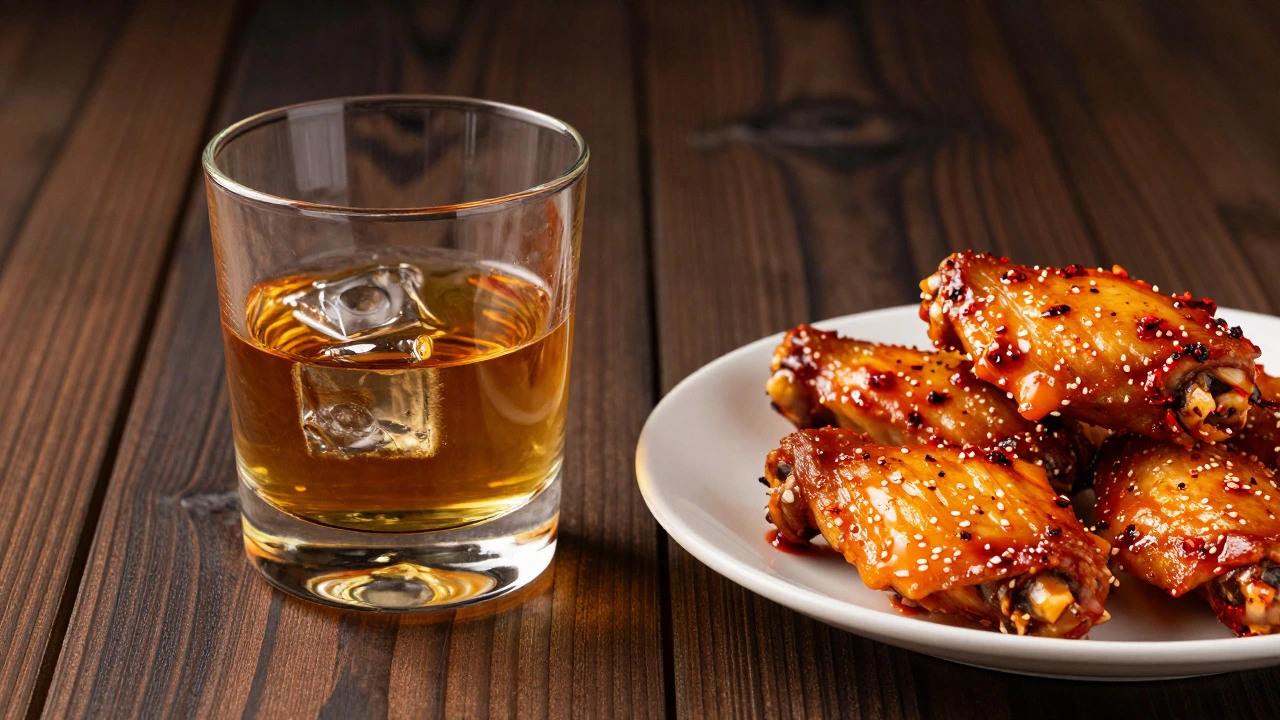
What Not to Eat with Whiskey: The Ultimate Guide to Avoiding Bad Pairings
Posted On July 28, 2026 0Discover the worst foods to eat with whiskey. From spicy clashes to dairy dulling, learn how to protect your palate and enjoy every sip.
Got a glass of whiskey and want to know what’s really in it? You don’t need a sommelier degree – just a few easy habits. Follow these tips and you’ll start picking up fruit, spice, smoke, and other notes in no time.
First, pick a clear, tulip‑shaped glass. The shape traps aromas and lets you see the color. If you only have a tumbler, wipe it dry and avoid any lingering soda taste.
Next, give the whiskey a gentle swirl. This releases volatile compounds that carry the scent. Let the liquid sit for a few seconds, then bring the glass up to your nose.
Take three short sniffs, each time pausing to let the smell settle. Don’t over‑inhale – you want to catch distinct layers, not overwhelm your senses. A quick tip: inhale through your mouth slightly open; it softens the alcohol punch.
Before you sip, clear your palate. Water, a plain cracker, or a bite of mild cheese works well. This reset helps you taste the whiskey cleanly, without lingering flavors from your last bite.
1. Look: Observe the color. Light amber suggests younger or lighter cask influence; deep mahogany may mean longer aging or sherry casks.
2. Swirl: A slow swirl coats the glass, releasing more aroma. Watch the “legs” – the droplets sliding down the wall. Thick, slow‑moving legs often indicate higher alcohol or richer texture.
3. Smell: Identify three main scents. Common categories are fruit (apple, pear, citrus), spice (cinnamon, pepper), and wood (vanilla, oak). Pinpointing a few key aromas gives you a base to compare later.
4. Sip: Take a small sip and let it sit on your tongue. Notice the initial hit, the mid‑palate, and the finish. Ask yourself: Is it sweet, bitter, spicy, or smooth? Does the flavor change as it rolls?
5. Add a splash of water (about a teaspoon). The water reduces alcohol burn and often opens up hidden flavors. Taste again and note any new notes – you might hear a hint of honey or dried fruit that was masked before.
6. Take notes. Jot down the aromas, flavors, and how long the finish lasts. Over time you’ll see patterns and develop a personal vocabulary.
Remember, there’s no right or wrong answer. The goal is to enjoy the process and learn what you like. If a smoky note feels too strong, try a lighter bourbon next time. If a sweet vanilla vibe excites you, explore whiskeys aged in bourbon barrels.
Finally, share your experience. Talking with friends or posting a short review helps cement what you’ve learned. The more you talk about it, the sharper your senses become.
With these straightforward steps, you’ll go from “just drinking” to actually tasting whiskey. Grab a glass, follow the tips, and watch each sip become more interesting. Cheers to better tasting adventures!
Discover the worst foods to eat with whiskey. From spicy clashes to dairy dulling, learn how to protect your palate and enjoy every sip.
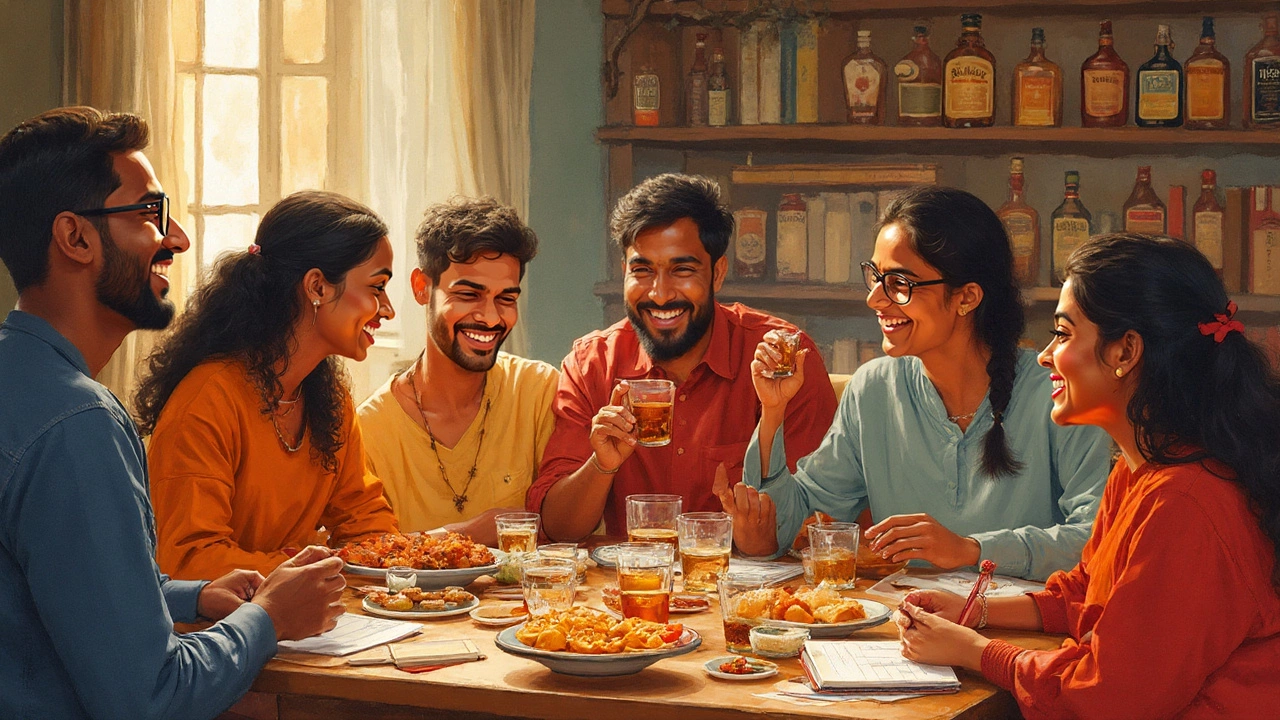
Heading to a whiskey tasting? Here's exactly what to bring, from snacks to notebooks, plus little-known pro tips for both first-timers and seasoned sippers.


Categories