Yeast Viability: What It Means for Brewing, Fermentation, and Better Drinks
When you're making beer, wine, or even sourdough, yeast viability, the percentage of live, active yeast cells in a sample. Also known as yeast health, it's what turns sugar into alcohol, bubbles, and flavor. If your yeast is dead or weak, nothing else matters—your brew won't ferment, your wine won't sparkle, and your bread won't rise. It’s not about how much yeast you add, but how much of it is actually alive and ready to work.
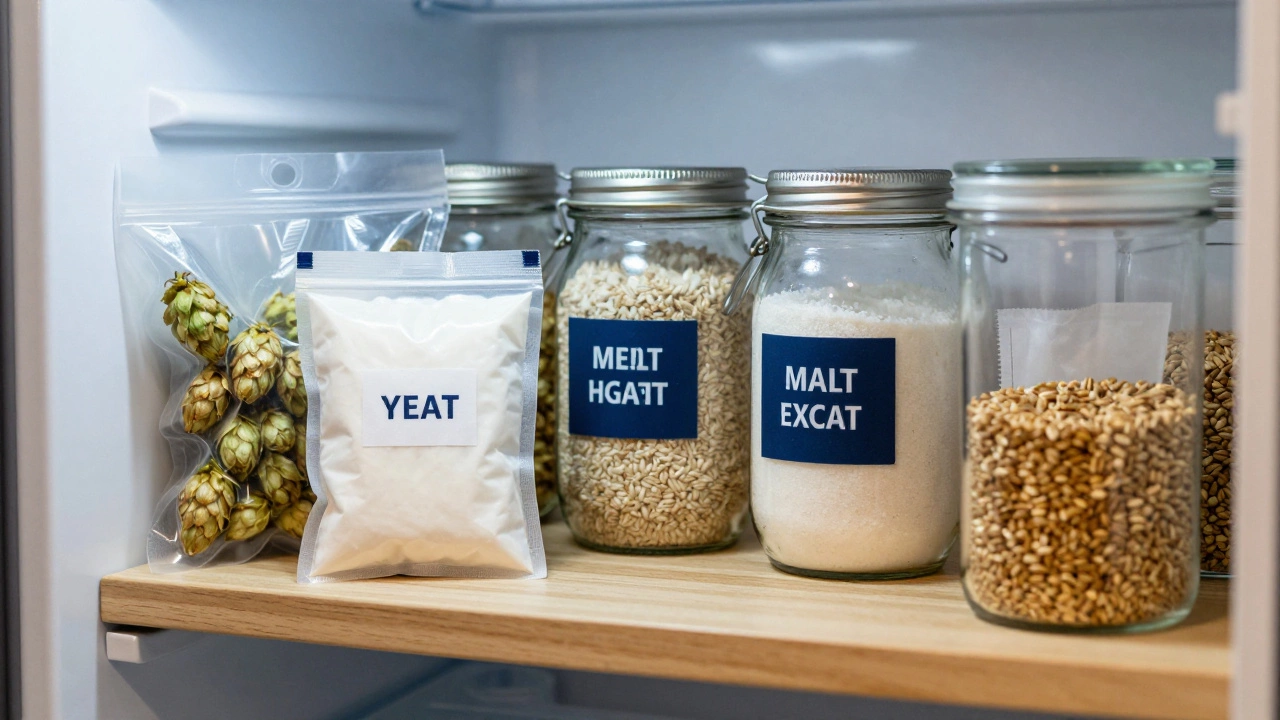
Yeast viability connects directly to fermentation health, how efficiently yeast converts sugars into alcohol and CO2. In home brewing, a low viability rate means stuck fermentations, off-flavors, or worse—bottles that explode because fermentation finished too late. Professional brewers test viability daily. Home brewers? They guess. And that’s why so many batches fall flat. The good news? You don’t need a microscope. Simple techniques like a yeast starter, proper storage, and checking expiration dates can boost viability without spending a dime.
It also ties into yeast activation, the process of waking up dormant yeast before pitching it into your brew. Rehydrating dry yeast in warm water isn’t just tradition—it’s science. Cold yeast thrown straight into wort? Half of it dies before it even starts. That’s wasted money and wasted time. And if you’re using liquid yeast, age matters. A six-month-old smack pack? Probably dead. A fresh one? Might be perfect. This isn’t guesswork. It’s control.
Look at the posts here. You’ll find guides on home brewing costs, craft beer sales, and how to taste wine like a pro. But none of that matters if your yeast isn’t alive. The best gin, the top-rated lager, the perfect cheese pairing—they all start with the same quiet, invisible step: healthy yeast. You can’t taste viability, but you sure can feel its absence. A flat beer. A wine that tastes like grape juice. A loaf that never puffed up. These aren’t accidents. They’re symptoms.
Below, you’ll find real-world advice from people who’ve been there. From how to save a stuck fermentation to why your homebrew kit’s yeast packet might be the reason you’re frustrated. No jargon. No fluff. Just what works. Because when it comes to making good drinks, the best ingredient isn’t the hop or the grape—it’s the one you can’t see until it’s too late.



Categories