Wine Tasting Guide
When you start exploring Wine Tasting Guide, a step‑by‑step roadmap for evaluating wine aromas, flavors, and textures. Also known as wine tasting fundamentals, it gives beginners and seasoned sippers a clear path to better perception. The guide encompasses the classic “Three S's” method, which we’ll break down in a moment. It also requires basic sensory skills – sight, smell, and taste – to spot quality, faults, and style. Finally, the guide influences how you choose food pairings and even how you store bottles.
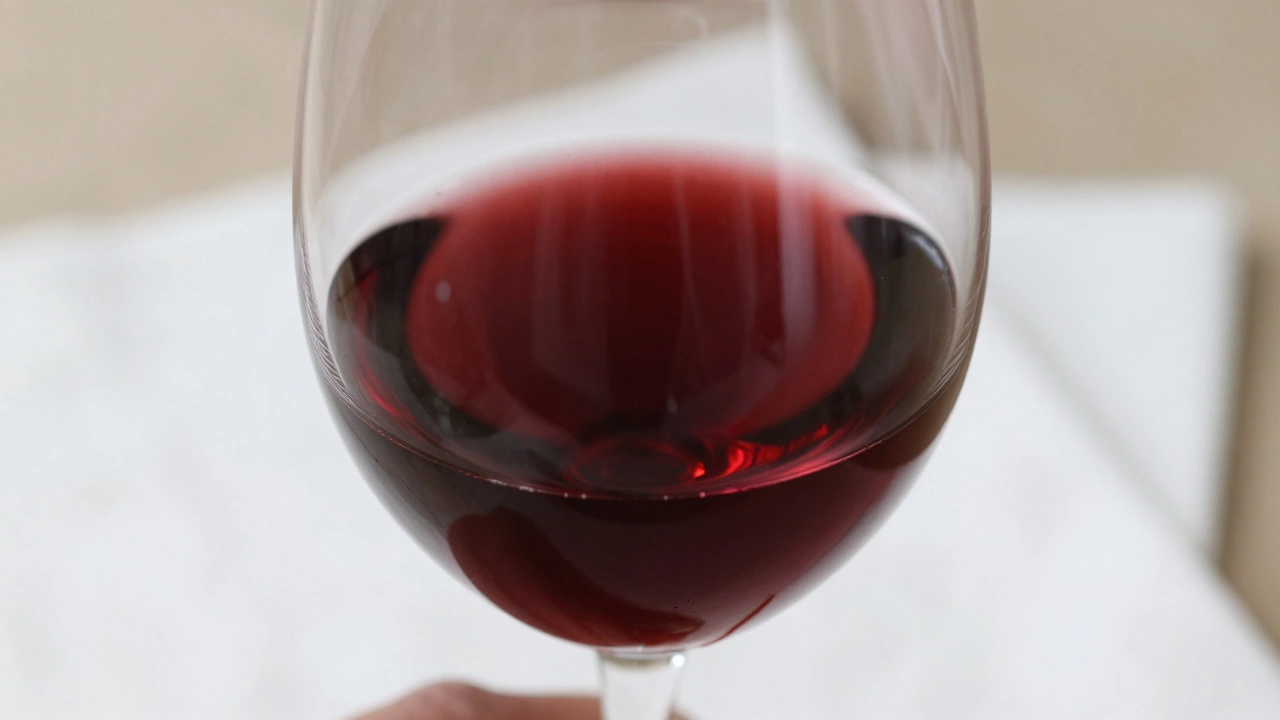
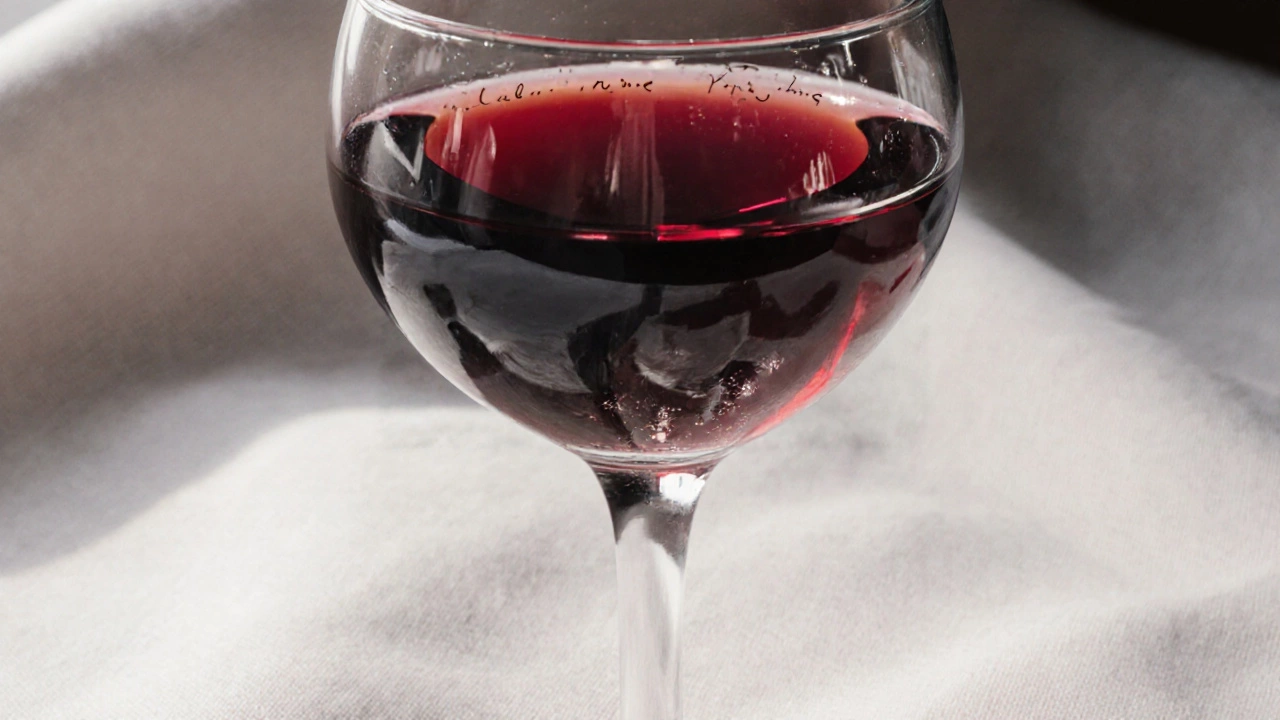
One of the core pillars is the Three S's of Wine Tasting, the sequence Swirl, Smell, Sip that trains your palate to notice subtle notes. Swirl releases volatile compounds, Smell captures the bouquet, and Sip lets you assess body, acidity, and finish. Mastering these steps lets you spot a buttery Chardonnay or a tannic Cabernet without second‑guessing. Another essential piece is Wine Tasting Secrets, pro tricks like noting the wine’s “legs” and using a tasting notebook for consistency. These secrets turn a casual glass into a learning experience and help you compare wines across regions.
Many newcomers wonder why tasters often spit instead of swallowing. That habit ties into Wine Tasting Spitting, a technique that prevents palate fatigue while allowing multiple samples in one session. Spitting reduces alcohol load, so you stay sharp enough to detect fine nuances. It also aligns with competition rules where participants must evaluate dozens of wines in a limited time. Knowing when and how to spit keeps your judging accurate and your evening enjoyable.
What to Drink If You Skip the Alcohol?
Not everyone wants to drink alcohol every time they explore flavors. Wine Alternatives, non‑alcoholic options like sparkling water, kombucha, or low‑alcohol ciders that mimic mouthfeel and acidity let you practice the same sensory steps without the buzz. These drinks still have aromatic profiles you can swirl, smell, and sip, making them perfect for practice sessions, dinner parties, or early‑morning tastings.
With these building blocks – the Three S's, secret tricks, spitting etiquette, and smart alternatives – you’ll be ready to dive into the collection below. Expect detailed how‑tos, flavor breakdowns, and real‑world tips that turn theory into practice. Whether you’re tasting at home, a bar, or a formal event, the articles ahead will give you the confidence to trust your palate and enjoy every glass.





Categories