Tea Evaluation: How to Taste, Compare, and Appreciate Every Sip
When you sip tea, you’re not just drinking a hot beverage—you’re experiencing a tea evaluation, the systematic process of assessing tea’s aroma, color, flavor, and mouthfeel to determine its quality and character. Also known as tea tasting, it’s how professionals grade leaves, how growers improve crops, and how you can stop guessing and start truly knowing what you’re drinking. It’s not about fancy words or pretending to be an expert. It’s about noticing what your nose picks up, how the tea feels on your tongue, and whether the aftertaste lingers or vanishes.
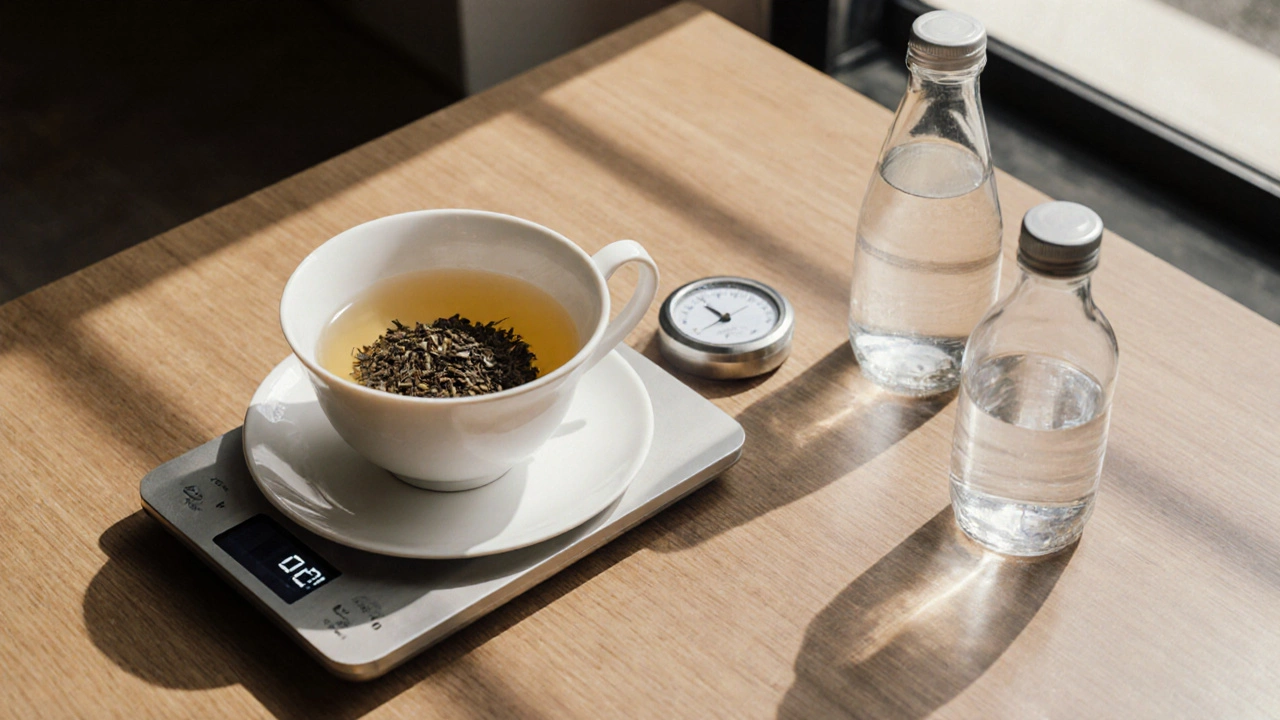
Tea evaluation doesn’t need special tools—just a clean cup, hot water, and a moment to pay attention. The same principles used by tea masters in China, Japan, and India apply whether you’re drinking a $3 bag or a $50 loose-leaf sample. You’re looking at four things: aroma, the scent released when tea is steeped, which reveals floral, fruity, smoky, or earthy notes; liquor color, the hue of the brewed tea, which signals oxidation level and processing; flavor profile, the combination of sweetness, bitterness, astringency, and umami on the palate; and mouthfeel, how the tea coats your mouth—thin and watery, or thick and silky. These aren’t abstract ideas. They’re real, repeatable observations. A good oolong should smell like ripe peaches and feel smooth. A poorly made green tea might smell grassy but taste muddy. You don’t need a certification to notice that.
Tea evaluation connects directly to what you’ve read in posts about wine tasting, gin comparisons, and cocktail pairings. Just like you wouldn’t judge a whiskey by its bottle, you shouldn’t judge tea by its brand name or packaging. The real test is in the cup. That’s why the posts here focus on sensory details—how to avoid common mistakes, what to drink before tasting, how to spot quality in plain sight. Whether you’re comparing a budget Darjeeling to a premium Matcha, or just wondering why your morning cup tastes different today, tea evaluation gives you the framework to make sense of it.
Below, you’ll find real-world examples of how people are learning to taste tea like professionals—not to impress others, but to enjoy it more. You’ll see what makes one tea worth savoring and another worth skipping. No fluff. No hype. Just clear, practical insights you can use the next time you brew a cup.




Categories