Pre-Tasting Hydration: Why Water Before Tasting Matters
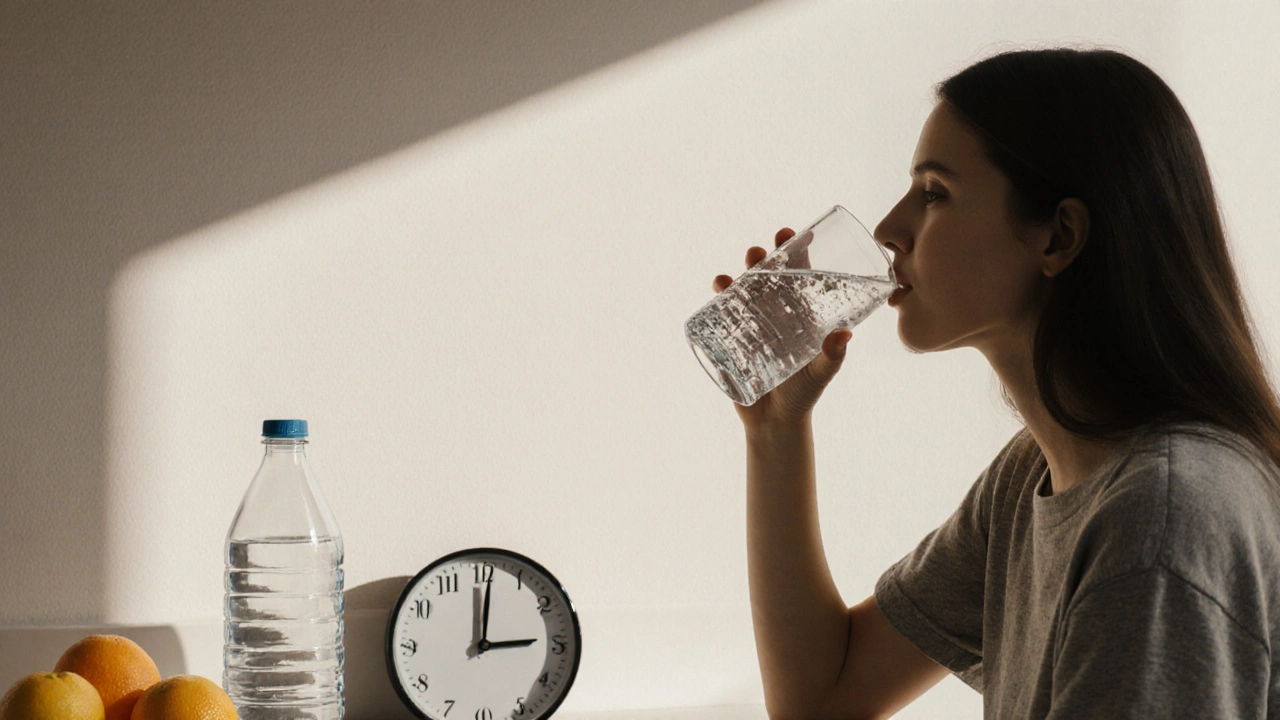
When you’re about to taste coffee, wine, or a craft spirit, pre-tasting hydration, the practice of drinking water before sampling any beverage to prepare your palate and senses. Also known as palate cleansing, it’s not a ritual—it’s a necessity. Your tongue doesn’t work well when it’s dry. Saliva is what lets flavors unlock, and if you haven’t had water in the last hour, you’re tasting through a fog. This isn’t guesswork. Studies from the Journal of Sensory Studies show that even mild dehydration cuts flavor sensitivity by up to 30%. That means you’re missing half the nuance in that single sip of espresso or the third glass of Pinot Noir.
Palate fatigue, the dulling of taste perception after repeated exposure to strong flavors happens fast—especially with bold coffees or high-alcohol spirits. Without water to reset your mouth, the next taste blends into the last. That’s why professional tasters sip water between each sample. It’s not about quenching thirst. It’s about clearing residue, reactivating taste buds, and giving your brain a clean slate. Same goes for coffee tasting, the methodical evaluation of coffee’s aroma, body, acidity, and finish. If you skip hydration, you’ll mistake bitterness for depth, or acidity for sourness. You’ll think the coffee is flawed when it’s just your mouth that’s tired.
And it’s not just about taste. alcohol tasting, the process of evaluating spirits like gin, vodka, or whiskey for quality and character, demands mental clarity. Alcohol dehydrates you as you go. If you start already low on water, you’re fighting a losing battle. Your nose dulls. Your focus slips. You start guessing instead of tasting. That’s why top sommeliers and baristas always have a glass of room-temperature water beside them—even if they’re not drinking it. They’re using it as a reset button.
Simple rules work best: Drink a full glass of water 20 minutes before you start. Don’t chug it. Let it settle. Avoid ice-cold water—it numbs your tongue. Room temperature is ideal. If you’re tasting multiple things, sip water between each one. No sugar. No lemon. Just plain water. It’s not glamorous. But it’s the difference between noticing the blueberry note in your wine and thinking it tastes like grape juice.
Pre-tasting hydration isn’t a trick. It’s the quiet foundation of every great tasting experience. Whether you’re sipping espresso at home, joining a wine club, or trying a new craft gin, your senses are your tools. And tools need maintenance. Water is the oil. Skip it, and everything else you taste will feel off—even if the drink itself is perfect.

Categories