Gendered Cocktails: Breaking the Myths and Finding Your Perfect Drink
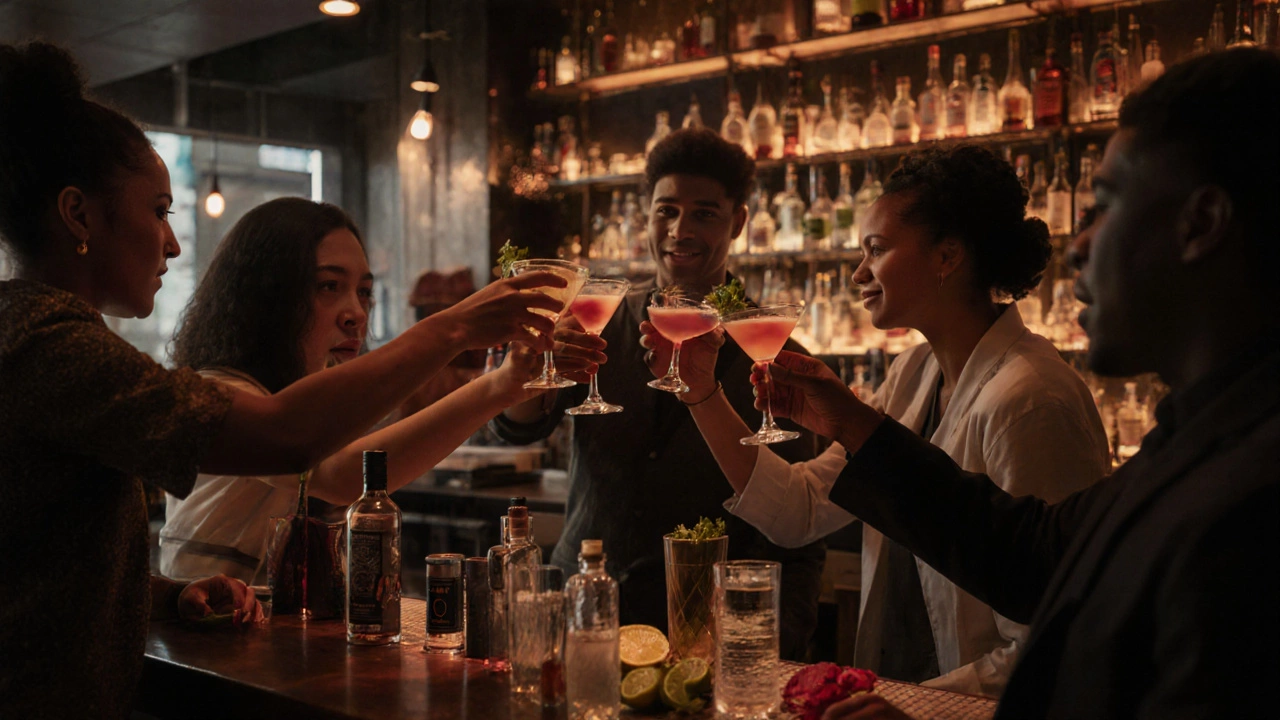
When you hear "gendered cocktails," you might think of pink martinis for women and dark whiskeys for men—but that’s not how taste works. Gendered cocktails, a marketing construct from the 20th century that assigned drinks to genders based on color, sweetness, or glass shape. Also known as sexed drinks, these labels say more about advertising than about what people actually enjoy. The truth? No drink is inherently masculine or feminine. A Negroni isn’t "manly" because it’s bitter. A Mojito isn’t "girly" because it has mint. These are just flavors—and your palate doesn’t care about your gender.
These labels stuck because of ads, movies, and bars that sold drinks as identity markers. But real drinkers know better. People who love complex, bitter flavors drink Old Fashioneds regardless of gender. People who enjoy bright, citrusy drinks sip Aperol Spritzes—same as anyone else. The masculine drinks, a cultural category including bourbon neat, whiskey sours, and gin and tonics, often marketed as bold or rugged aren’t any better than the feminine drinks, a misleading label for sweeter, fruitier, or lighter cocktails like the Cosmopolitan or Pimm’s Cup. They’re just different. And both can be made well—or poorly. What matters is balance, quality ingredients, and how it makes you feel.
Bar culture is changing. More people are drinking what they like, not what they’re told to like. Bartenders are dropping the pink straw and the "ladies’ drink" sign. The real trend? Personalization. Your drink should reflect your taste, not your gender. Whether you’re sipping a dirty martini at noon or a rum punch at midnight, it’s your choice. The next time someone says "that’s not for you," ask them: who decided that? And why should they get to say?
Below, you’ll find real conversations, honest reviews, and practical tips from people who’ve pushed past the labels. No fluff. No stereotypes. Just drinks that taste good—and the stories behind them.

Categories