Alcohol and Health: What Science Says About Drinking, Weight, and Relaxation
When we talk about alcohol and health, the complex relationship between drinking habits and physical well-being. Also known as alcohol consumption and wellness, it’s not just about whether drinking is good or bad—it’s about how much, how often, and what you’re drinking. Many assume alcohol is harmless in moderation, but the science tells a more layered story. Spirits like vodka and whiskey have no sugar, yet they still contribute to weight gain by slowing fat burning and triggering late-night snacks. Even a single glass of wine can disrupt sleep quality, which in turn affects metabolism and stress hormones.
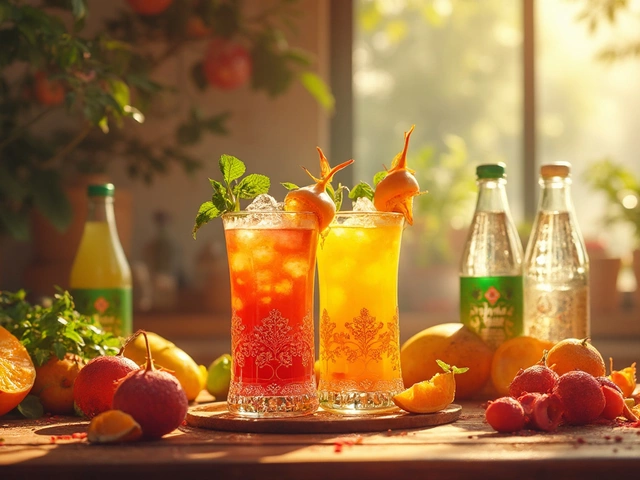
spirits weight gain, how distilled liquors impact body composition through calories and metabolic interference. Also known as alcohol and belly fat, it’s a topic many avoid because it’s uncomfortable. But the truth? Alcohol doesn’t turn directly into fat—it tricks your body into storing it. Your liver prioritizes breaking down alcohol over fat, so the fat you eat gets stored instead of burned. And while beer gets blamed for the "beer belly," the real issue is often what you eat while drinking, not the drink itself. Then there’s relax without alcohol, finding calm without relying on drinks to unwind. Also known as sober stress relief, this isn’t about giving up joy—it’s about discovering what truly quiets your mind. Breathing exercises, herbal teas, walking in nature, or even a good stretch can lower cortisol better than a glass of wine. Studies show people who replace alcohol with non-alcoholic rituals report better sleep, clearer skin, and more energy within weeks. And if you’re curious about how alcohol fits into broader habits, non-alcoholic drinks, beverages that mimic the experience of alcohol without the ethanol. Also known as mocktails, they’ve exploded in popularity not because they’re trendy, but because people want to enjoy social rituals without the crash. From sparkling ginger kombucha to carefully crafted zero-proof gin alternatives, these drinks let you savor flavor and ritual without the downside.
What you’ll find below isn’t a list of dos and don’ts—it’s a collection of real stories, science-backed facts, and practical insights. You’ll learn why Michelob Ultra became the top-selling beer in the U.S., how Monkey 47 gin justifies its price tag, and why water is the only thing you should drink before tasting wine. You’ll also find guides on how to relax without alcohol, what really happens when you drink spirits, and why the "best cocktail for a lady" is a myth that’s finally fading. This isn’t about judgment. It’s about awareness. Whether you drink, cut back, or quit, these posts give you the tools to make smarter, more enjoyable choices.
Categories