Non-Alcoholic Cocktail Creator
Choose Your Base
Select a "spirit" that matches your craving.
Select a Base and Mixer
Choose options above to see your custom recipe and expected physiological effect.
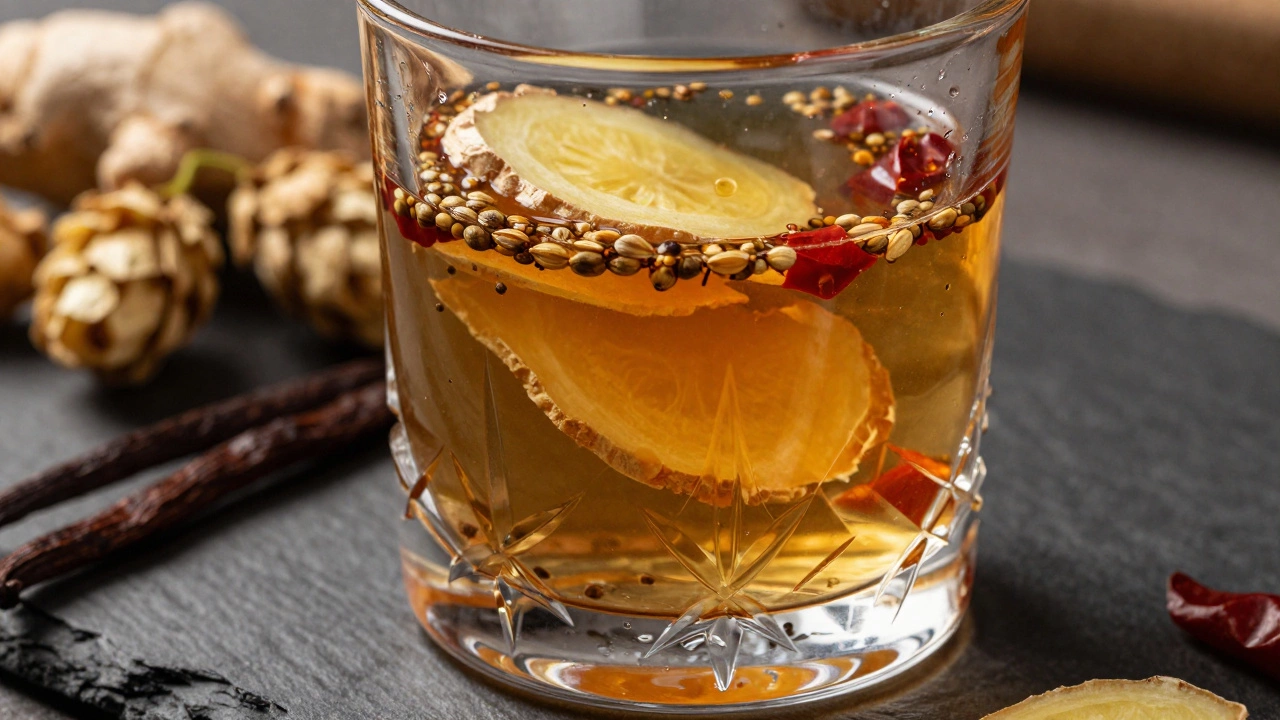
There is a specific feeling you get when holding a heavy glass filled with amber liquid. It’s the clink of the ice, the herbal aroma wafting up, and even before the first sip, your body braces for the burn. You might have noticed that by 2026, more bars in Edinburgh are stocking shelves with bottles that look suspiciously like gin or whiskey but don't contain a drop of ethanol. You aren't hallucinating. These drinks actually taste-and sometimes feel-like alcohol. But how does that work, and which ones should you actually pour into your glass?
We've moved past the era where "no alcohol" meant warm cranberry juice in a plastic cup. Today, you can grab a spirit alternative that replicates the bitter bite of rye whisky or the juniper snap of a classic London Dry. The technology has shifted from sugary fruit punches to complex distillates that trigger your palate in familiar ways. If you are wondering what tastes like alcohol but isn't, you aren't alone in the market. Let's break down exactly what's available, why it works, and which bottle deserves your cash.
The Science Behind the "Booze" Taste
Before we open any bottles, you need to understand why your brain thinks it's drinking spirits. When you drink alcohol, you aren't just getting the buzz from ethanol; you are tasting the esters and compounds created during fermentation and aging. A whiskey barrel, for instance, imparts vanilla and oak. Gin gets its character from macerated botanicals. To replicate this without the ethanol, manufacturers use high-intensity distillation methods similar to how real gin is made, minus the fermentation step.
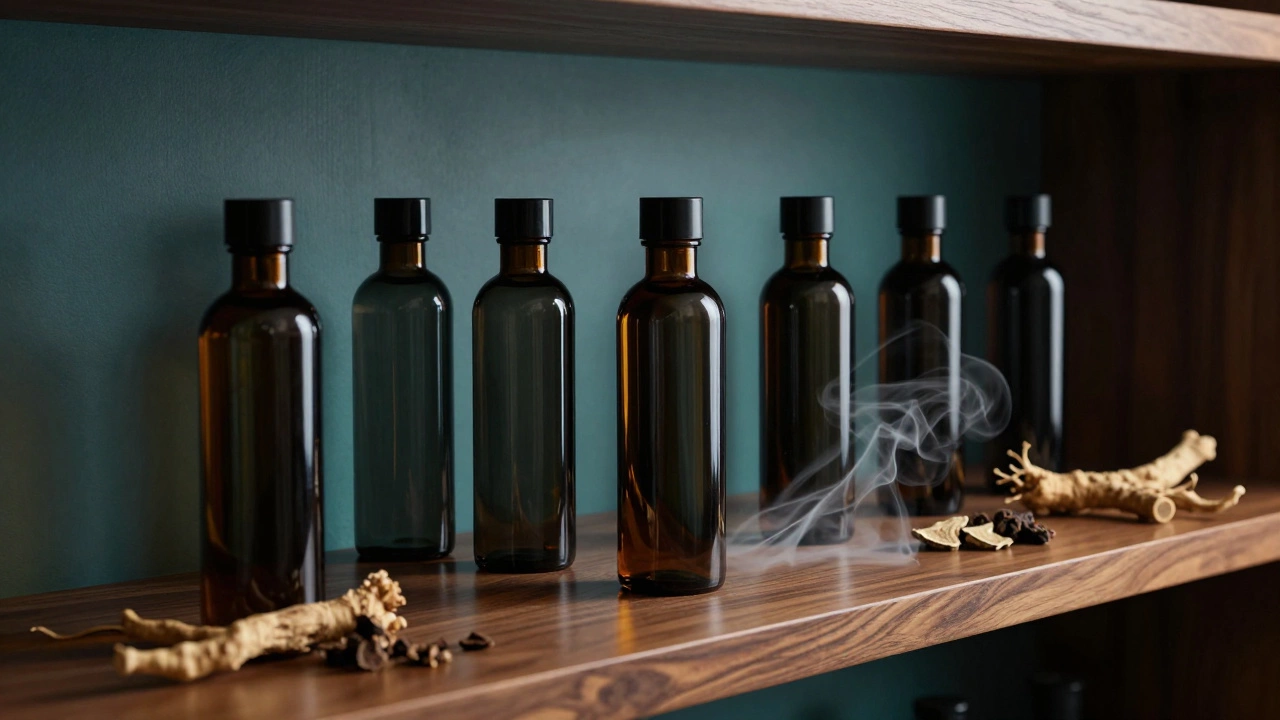
Botanical Spirits are the core of this revolution. Unlike basic juices, these are complex extracts using herbs, spices, and roots that mimic the mouthfeel and finish of alcoholic drinks. They often contain ingredients like angelica root, coriander seeds, and dried hops. These substances interact with the same receptors on your tongue that detect alcohol's heat and bitterness. When you sip one, the sensation of "burn" comes from capsaicin (often from chili peppers) or concentrated essential oils, tricking your throat into the familiar sting.
This distinction matters because not all "mocktails" are created equal. A store-bought syrup won't cut it. You need products designed for complexity. Think of it like the difference between eating a chocolate truffle and eating a candy bar wrapped in foil; one offers depth, the other is just sugar.
Top Picks for Authentic Flavor Profiles
If you walk into a well-stocked liquor store in 2026, the shelf labeled "Non-Alcoholic Spirits" will be crowded. To save you time, let's focus on the brands that consistently hit the mark regarding flavor authenticity.
Ritual Zero Proof stands out as a pioneer in the space. Their Zero Proof Spirits come in profiles like Alternative Gin, Rum, and Tequila. What makes Ritual different is their commitment to texture. Many alternatives feel watery on the tongue. Ritual uses a thickening agent derived from natural sources to give that slightly viscous "coat" you expect from high-proof liquor. Their Gin Alternative pairs incredibly well with tonic water, creating a classic G&T experience complete with a lime wedge. You cannot tell it is alcohol-free unless the label is visible.
For those who crave something darker, like Scotch or Bourbon, Three Spirit is the go-to recommendation. Specifically, their product called "Nightcap." It costs around $42 for a 17oz bottle, which sounds pricey until you realize it functions as both a mixer and a standalone relaxation beverage. It features notes of vanilla, woodsmoke, and a distinct bitterness similar to hops.
Why does Nightcap stand out? It contains a blend of adaptogens. In addition to valerian root and lemon balm, it includes ashwagandha. This brings us to the second layer of the experience: not just the taste, but the effect.
Can You "Feel" It Without the Intoxication?
This is the tricky part. Can a drink without alcohol give you that wind-down sensation? Most people associate alcohol with relaxation, not just the flavor. Several modern drinks aim to bridge that gap through neuroscience rather than chemistry.
Sentia is a UK-based brand designed by neuroscientists. It targets GABA receptors in the brain, which alcohol also activates. While it doesn't make you drunk, it is formulated to lower anxiety levels and produce a state of calmness. Users describe it as feeling like you've had a few glasses of wine-your shoulders drop, conversation flows easier-but your mind remains sharp enough to drive home safely. It lacks the "flavor" replication of spirits like Ritual, focusing instead on the evening ritual and the physiological shift.
Then there is Kava Haven, which takes a different route entirely. Using Noble Kava root, this product has been used in traditional medicine for centuries to induce relaxation. Modern formulations clean up the muddy taste of raw kava powder found in older preparations. According to consumer feedback trends from 2025-2026, Kava shows a unique "reverse tolerance" effect. With traditional alcohol, you build resistance and need more to feel the same effect. With Kava, many users report that consistent use makes the relaxing effect stronger over time. It's a significant departure from how standard spirits behave, yet it fills the "wind down after work" job description effectively.
Spritzes and Light Evening Options
You don't always want a heavy, dark alternative. Sometimes, Friday evening calls for something crisp. Enter the world of sparkling spritzes.
Brands like Ghia Le Spritz offer a range of flavors, including spicy sumac and chili. These are pre-mixed, ready-to-drink cans that mimic the effervescence and acidity of Prosecco or Aperol Spritz. The beauty here is convenience. You open a can, add some ice, and you have a cocktail-level drink in seconds. They typically contain about 7 grams of sugar per serving, which keeps them light compared to sugary sodas.
Another contender is Ume Aplos Spritz. This option leans heavily on health benefits alongside the taste profile. Each can delivers plum and grapefruit notes with a touch of white tea. Crucially, it includes 20mg of broad-spectrum hemp, aiming to provide a mild calming effect. It is positioned as a "functional beverage," meaning you drink it to achieve a specific state rather than just quench thirst.
Cocktail Recipes That Actually Work
If you decide to buy these alternatives, you need to treat them with respect. Pouring a bottle of alcohol-free tequila into a sugary mix won't yield a great result. The balance must be right. Here is a quick guide to building your own cocktails.
- The Classic Gin & Tonic: Use 2 oz of a botanical spirit alternative (like Ritual Zero Proof Gin). Add 4 oz of premium Indian Tonic Water. Garnish with a twist of lime. The bitterness of the tonic balances the sweetness of the alternative spirit.
- The Whiskey Sour: Mix 2 oz of whiskey alternative (Three Spirit works well here) with 0.75 oz fresh lemon juice and a splash of maple syrup instead of sugar. Shake hard with ice. The foam adds that crucial mouthfeel associated with alcohol-heavy sour mixes.
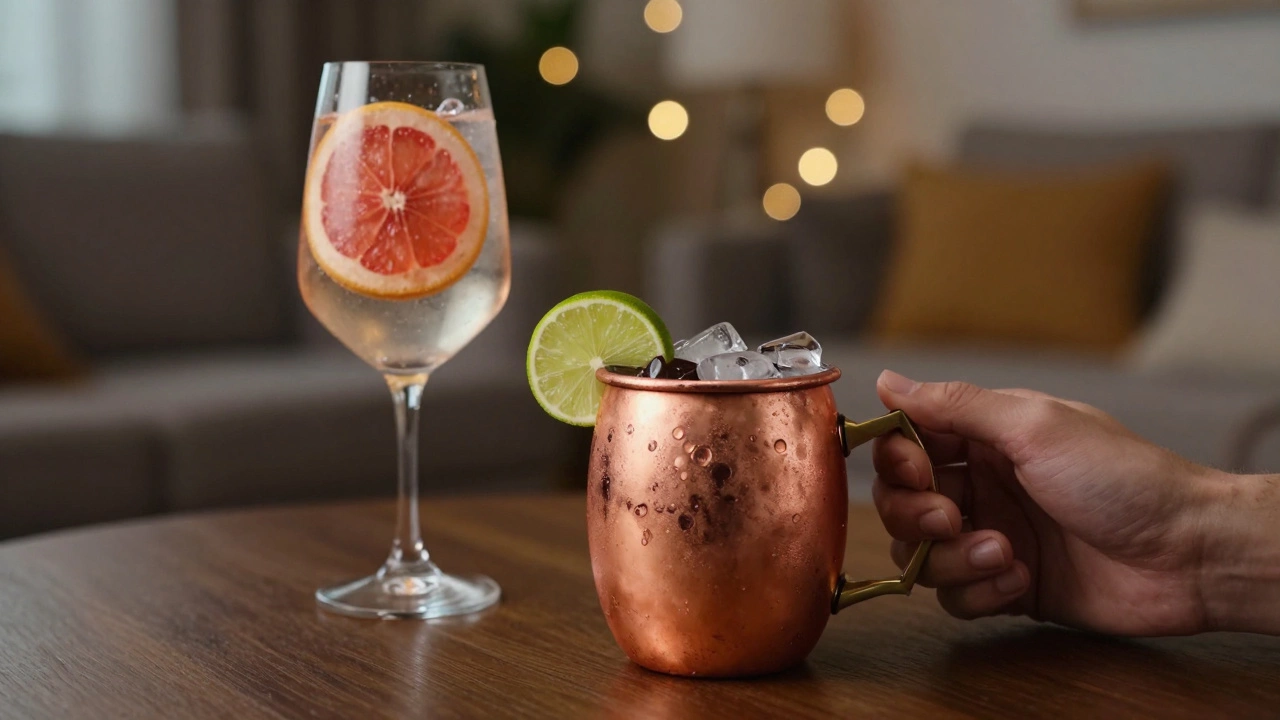
- The Mule: Combine 2 oz of spiced alternative (look for cinnamon or clove notes), 4 oz ginger beer, and a squeeze of lime. Serve in a copper mug to trap the chill.
One pro tip: Always chill your non-alcoholic spirit before mixing. Even though it doesn't burn, the cold temperature enhances the perception of crispness and reduces any artificial aftertaste. Treat the glassware seriously too. Serve your nightcap in a low-ball rocks glass, and serve your spritz in a stemmed flute. Visual cues signal to your brain that "this is a special drink," enhancing the psychological experience.
Navigating the Health Aspect
While these drinks avoid the toxicity of ethanol, "healthy" doesn't always mean zero impact. You still have calories. Some spritzes run higher in sugar than you'd think. Always check the label. Furthermore, ingredients like adaptogens or kava are biologically active. If you are pregnant, nursing, or on medication, consult your doctor before introducing high-dose botanical supplements like ashwagandha or kava into your routine. These aren't just flavored waters; they contain concentrated plant matter.
Avoid the trap of thinking they are free-for-all hydration. One study noted in nutritional journals from 2024 emphasized that while non-alcoholic beer was generally safe, functional drinks required dosage awareness due to the concentration of active compounds.
Frequently Asked Questions
Do alcohol-free spirits contain ANY alcohol?
Most products labeled "alcohol-free" legally contain less than 0.05% ABV, which is negligible. However, fermented drinks like non-alcoholic beer or wine may retain up to 0.5% alcohol by volume due to the brewing process. True distilled botanical spirits usually sit at 0.0% or near-zero because they skip fermentation entirely.
Will I get hungover from these drinks?
No. Hangovers are primarily caused by acetaldehyde, a toxic byproduct of alcohol metabolism. Since these drinks lack significant ethanol, the physiological mechanism for a hangover does not exist. However, dehydration or high caffeine intake in mixers could lead to headaches.
Is Kaven Haven better than Sentia?
They serve different purposes. Sentia is designed specifically for social anxiety reduction through GABA activation without altering consciousness significantly. Kava Haven provides a heavier, sedative-like relaxation closer to a physical "buzz". If you want clarity to socialize, choose Sentia. If you want to sleep, choose Kava.
Can I drink these if I'm designated driving?
Yes. As long as the product is under 0.5% ABV, it will not affect your blood alcohol content. Always check the nutrition label to confirm the ABV rating, especially for dealcoholized wines which sometimes vary in batch production.
Where can I find these in stores?
Availability has improved drastically in 2026. Look for dedicated sections in major supermarkets. Online platforms like Ritual's storefront or specialty retailers like The Zero Proof are also excellent sources. High-end bars now stock these prominently behind the counter for guest preference.
Categories