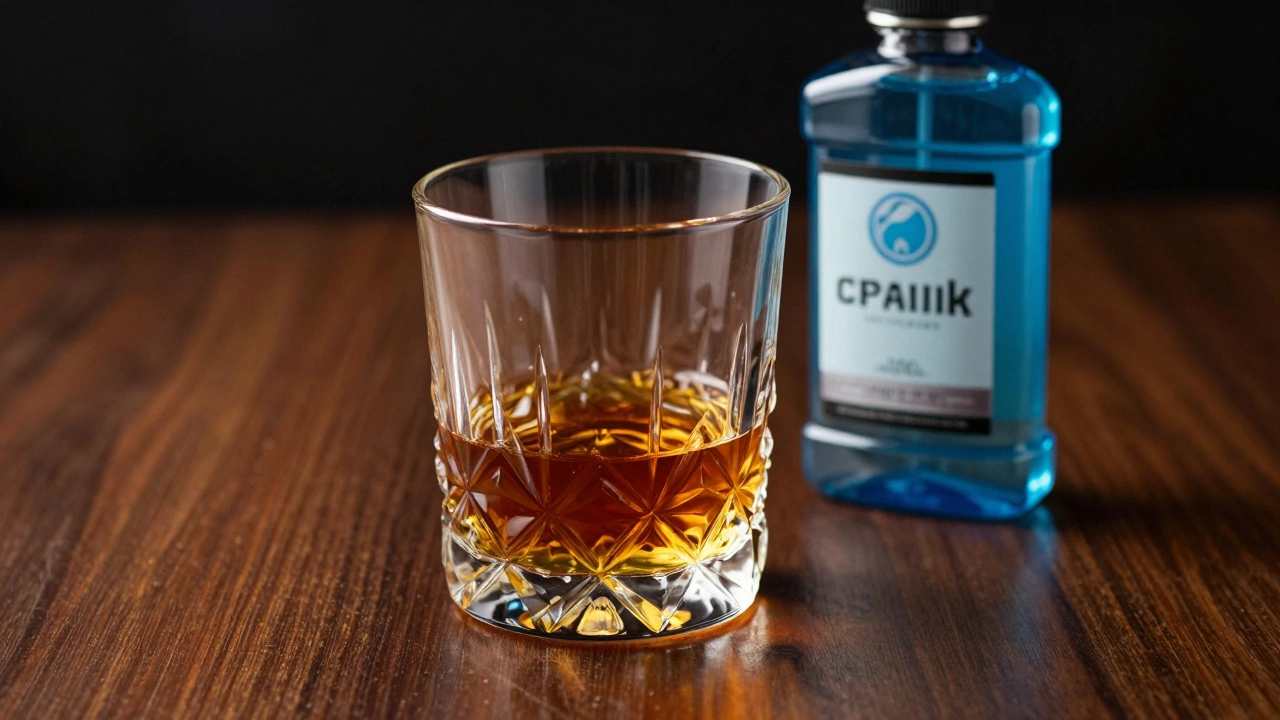
Oral Care Impact Simulator: Whiskey vs. Mouthwash
Select a substance to see how it interacts with your mouth's ecosystem:
You've probably heard someone claim that a sip of strong scotch or bourbon acts like a natural mouthwash. It seems logical on the surface: whiskey is packed with alcohol, and alcohol kills germs. But if you're thinking about swapping your morning rinse for a dram of whiskey sanitize mouth efforts, you're actually doing more harm than good. While the alcohol in a glass might kill a few bacteria on contact, it's not a cleaning agent; it's a disruptor that can leave your teeth and gums vulnerable.
The alcohol myth: Why whiskey isn't a sanitizer
To understand why whiskey fails as a sanitizer, we have to look at the chemistry. Most whiskeys sit around 40% alcohol by volume. In the world of antimicrobial agents, that's a bit of a middle ground. For something to truly sanitize a surface-like the alcohol-based rubs used in hospitals-you typically need a concentration between 60% and 80%. At 40%, whiskey is simply not strong enough to provide a reliable "kill" of oral pathogens.
Wait, if whiskey has more alcohol than some commercial mouthwashes, why is the mouthwash better? It comes down to formulation. Mouthwash is a specialized oral rinse formulated with specific antibacterial agents designed to target the oral cavity. Even when a mouthwash has a lower alcohol percentage (often around 20%), it contains active ingredients at concentrations specifically calibrated to fight plaque and gingivitis. Whiskey, on the other hand, contains trace amounts of various compounds from the fermentation and aging process, but none of them are present in high enough doses to act as a medical sanitizer.
| Feature | Typical Whiskey | Commercial Mouthwash |
|---|---|---|
| Alcohol Concentration | ~40% (Ethyl Alcohol) | ~20% (Denatured Alcohol) |
| Active Antibacterial Agents | Trace amounts (Natural) | High (Targeted chemicals) |
| Effect on Saliva | Dries out the mouth | Variable (Some dry, some neutral) |
| Impact on Enamel | Acidic; can soften enamel | Often contains fluoride for protection |
| Primary Purpose | Consumption/Tasting | Oral Hygiene/Sanitization |
The danger of non-selective killing
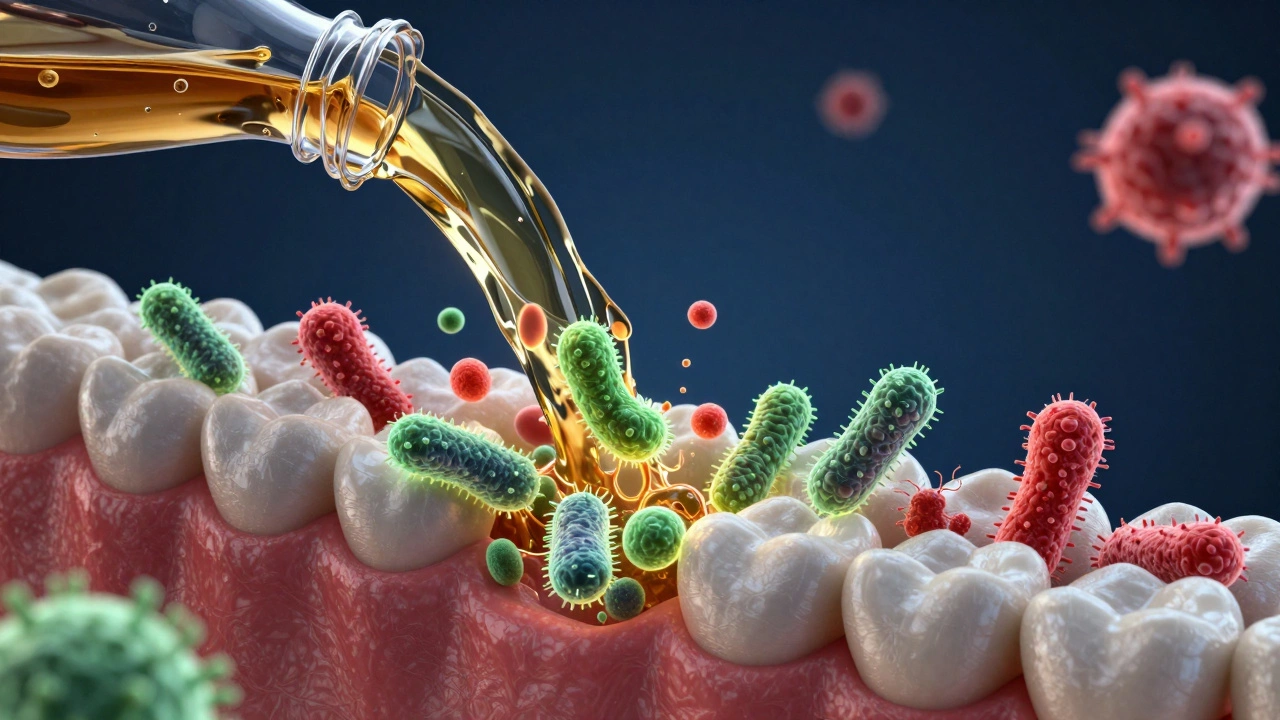
Even if whiskey could kill a significant number of bacteria, that wouldn't actually be a win for your health. Your mouth isn't a sterile countertop; it's a complex ecosystem. You have a Oral Microbiome which is the community of microorganisms, including bacteria, fungi, and viruses, that live in the mouth. This community includes beneficial bacteria that protect you from infection and help regulate your oral environment.
Alcohol is "non-selective." It doesn't distinguish between the bad bacteria that cause cavities and the good bacteria that keep your gums healthy. When you use whiskey as a rinse, you're essentially carpet-bombing your mouth. By wiping out the good microbes, you create a vacuum that can be filled by more resistant, harmful strains, leading to a state of dysbiosis-a fancy way of saying your bacterial balance is totally wrecked.
How whiskey actually damages your teeth
Beyond the bacteria issue, drinking whiskey introduces three major problems for your dental health: dehydration, acidity, and microbiome shifts.
First, there is the "dry mouth" effect. Saliva is a critical oral fluid that neutralizes acids, washes away food particles, and provides minerals to the teeth. Alcohol suppresses saliva production. When your mouth dries out, you lose your primary defense system. This makes it much easier for food debris to stick to your teeth and for acids to eat away at your enamel.
Second, whiskey is acidic. This acidity softens the tooth enamel, the hardest substance in the human body. If you've ever noticed that your teeth feel "fuzzy" after a few drinks, that's a sign of enamel softening. A common mistake is brushing your teeth immediately after drinking whiskey. Because the enamel is softened, brushing right away can actually scrub the enamel off, causing permanent wear. It's best to wait about 30 minutes for your saliva to remineralize the surface before you pick up the toothbrush.
Finally, heavy consumption changes the environment of the mouth to favor pathogens. This increases the risk of gum disease and, in severe long-term cases, can contribute to the development of oral cancers. While a single tasting session won't cause this, relying on spirits for "hygiene" is a dangerous road.
Practical tips for whiskey lovers
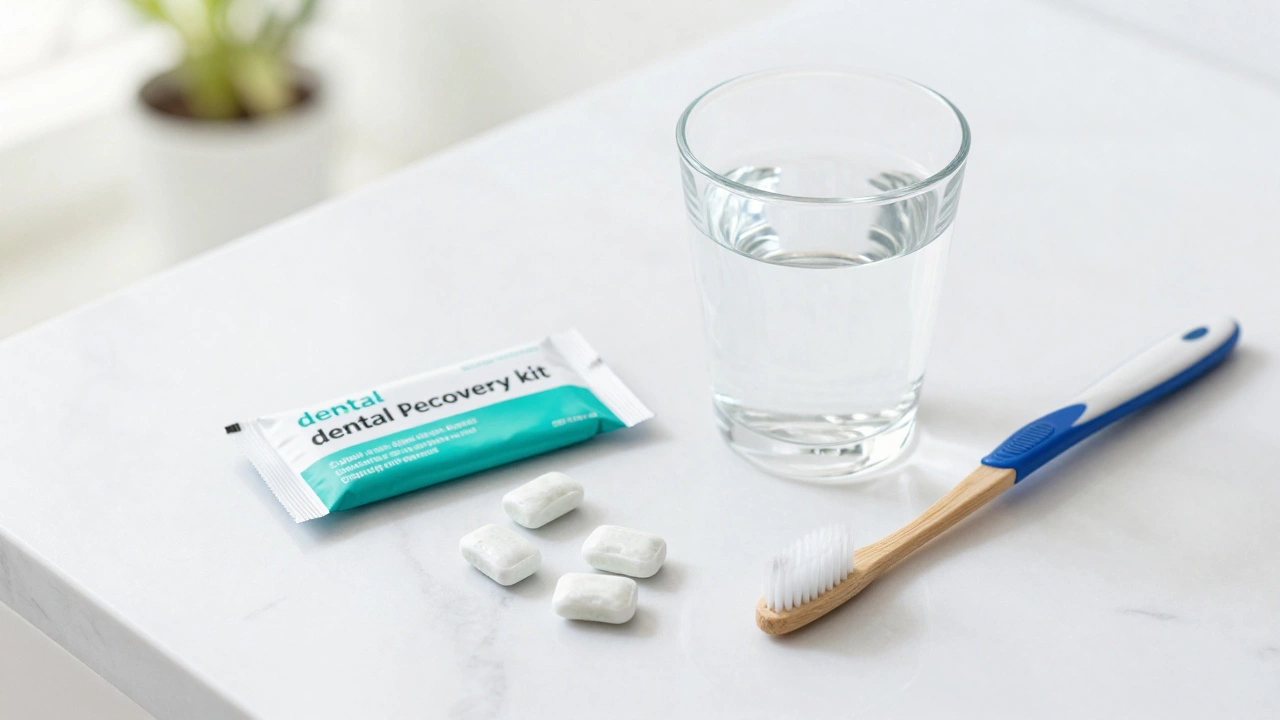
You don't have to stop enjoying a fine malt or a smooth bourbon, but you should be smart about how you handle the aftermath. If you're spending an evening tasting different spirits, a few simple steps can protect your smile.
- Rinse with water: After a sip of whiskey, drink some water. This helps wash away the acidity and rehydrates your mouth, stimulating saliva flow.
- Chew sugar-free gum: Xylitol-based gums are great because they trigger saliva production without adding sugar that feeds the bad bacteria.
- Avoid the "Immediate Brush": As mentioned, let your mouth stabilize for half an hour before brushing your teeth.
- Maintain regular checkups: Alcohol can sometimes mask early symptoms of oral health issues. Regular dental visits are the only way to catch problems before they become emergencies.
Comparing the types of alcohol
It is worth noting the difference between the Ethyl Alcohol found in whiskey and the version found in mouthwash. While they are chemically the same base, the alcohol in oral care products is often "denatured." This means additives are included to make it taste terrible or be toxic if swallowed, preventing people from drinking it. More importantly, the mouthwash version is integrated into a formula with surfactants and antibacterial agents that whiskey lacks.
Some might argue that whiskey is better than a sugary cocktail because it doesn't have added glucose. While that's true-sugar is the primary fuel for cavity-causing bacteria-the dehydrating and acidic effects of the spirit still outweigh the benefit of having no sugar. A neat pour is better for your teeth than a sweet drink, but it's still not a substitute for a toothbrush.
Can I use whiskey as a mouthwash in an emergency?
It's not recommended. While it might make your breath smell like whiskey, it doesn't effectively sanitize. In a pinch, rinsing with plain water is actually more beneficial because it removes debris and hydrates the tissues without the acidic damage of the alcohol.
Does the age of the whiskey affect its antibacterial properties?
Not significantly. Whether it's a young bourbon or a 25-year-old scotch, the alcohol percentage remains the primary driver of any antibacterial action. The complex flavors and tannins developed during aging don't provide enough antimicrobial power to turn the drink into a sanitizer.
Why does alcohol cause dry mouth?
Alcohol is a diuretic, meaning it encourages the body to lose fluids. It also affects the salivary glands, reducing the amount of saliva produced. This lack of moisture removes the mouth's natural way of neutralizing acids and clearing bacteria.
Will rinsing with whiskey help with bad breath?
Only temporarily by masking the scent. In the long run, alcohol actually contributes to bad breath (halitosis) by drying out the mouth. A dry mouth allows anaerobic bacteria to thrive, which are the primary cause of unpleasant odors.
Is 80-proof whiskey enough to kill most mouth bacteria?
No. 80-proof is 40% alcohol. Most healthcare standards for sanitization require 60% to 80% alcohol to effectively destroy a wide range of bacteria and viruses. At 40%, it's simply not potent enough for a medical-grade clean.


Categories