French Cheese & Wine Pairing Simulator
Pairing Result
Analyzing...Select options to see the chemical breakdown.
Chemistry Breakdown
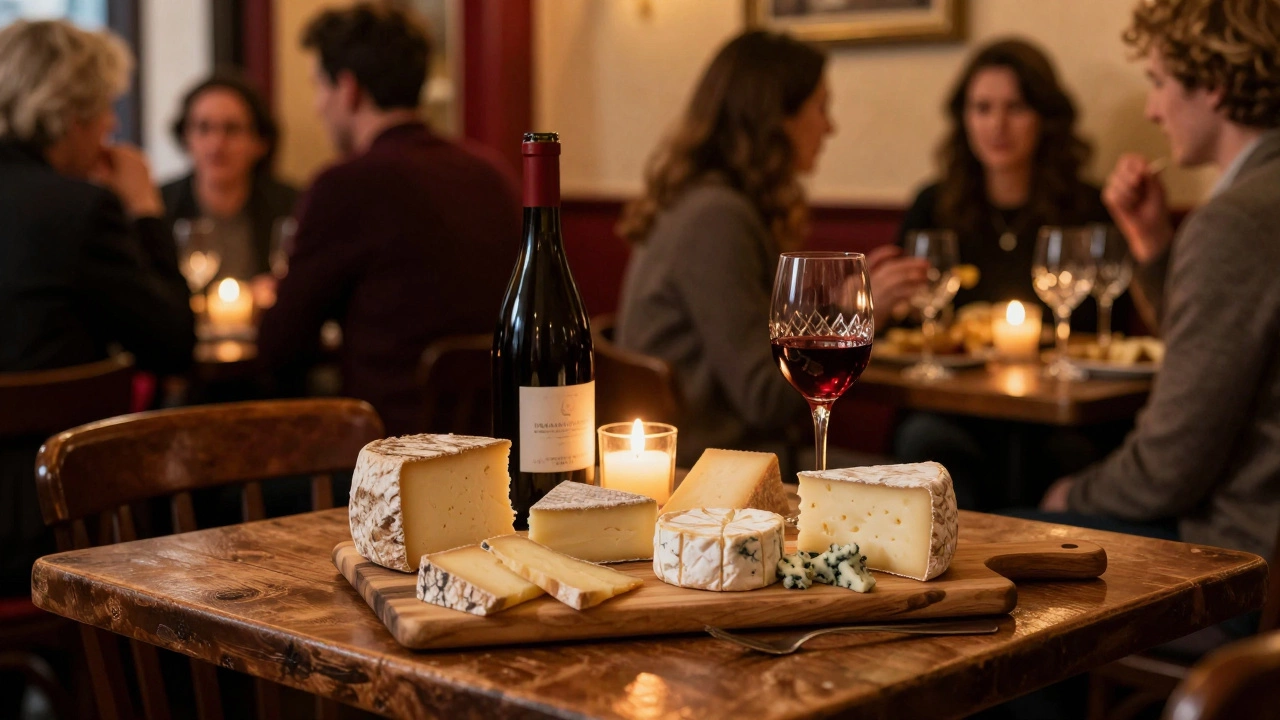
Walk into any traditional bistro in Lyon or Paris after dinner, and you’ll likely see a board of cheeses arriving at tables alongside a bottle of red. It’s not just a random snack; it’s a ritual. For centuries, the French have treated cheese and wine pairing as the essential bridge between the main course and dessert. But why? Is it just because they taste good together, or is there something deeper driving this cultural obsession?
The answer isn’t simple. It’s a mix of history, geography, chemistry, and social habit. If you’ve ever wondered why a heavy Cabernet might clash with a soft goat cheese while a crisp Sauvignon Blanc seems made for it, you’re tapping into a system that has evolved over hundreds of years. Let’s break down exactly why this combination is so central to French life.
The Power of Terroir: Drinking What Grows Together
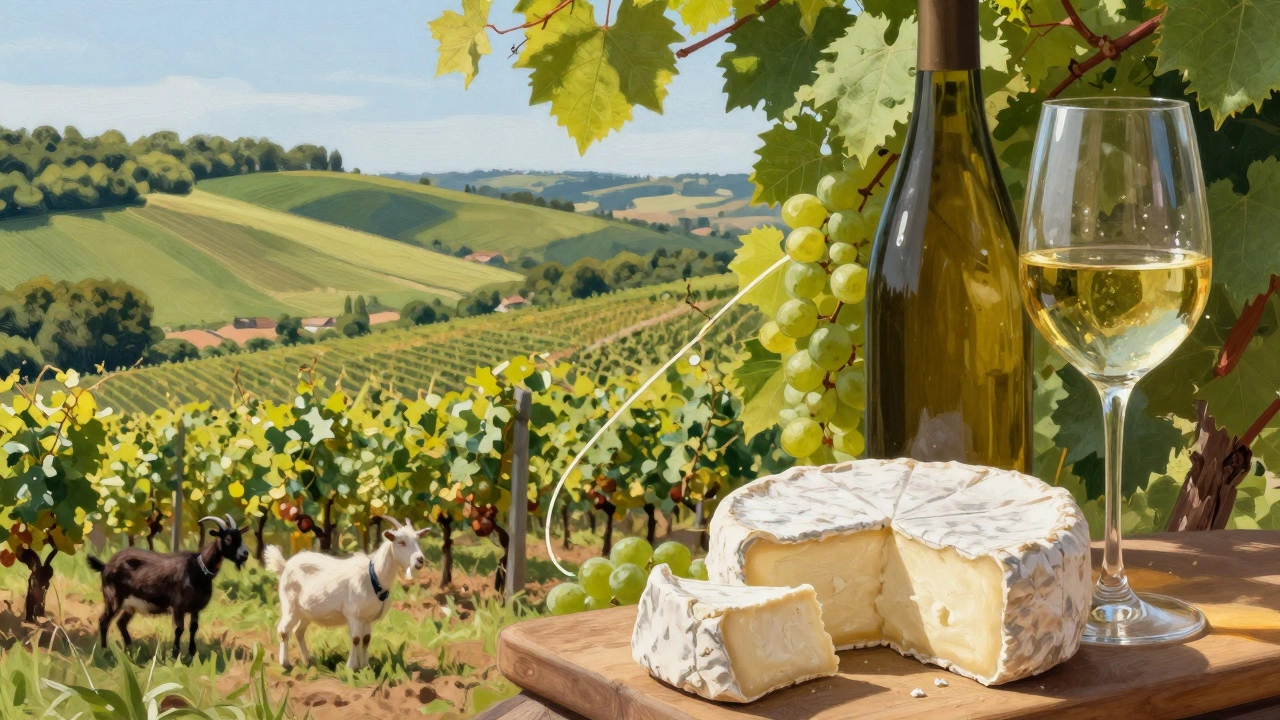
The biggest reason the French eat cheese with wine is practical: historically, they drank what was available locally. This concept is known as terroir. In France, food and drink are deeply tied to the land. A village in the Loire Valley produces goat cheese from local pastures and grows grapes for white wine in the same soil. Naturally, people started eating them together.
This isn’t just folklore; it’s flavor logic. Cheeses and wines from the same region often share similar flavor profiles and intensity levels. For example:
- Loire Valley: Fresh, tangy goat cheese (Chèvre) pairs perfectly with high-acid Sauvignon Blanc from Sancerre or Pouilly-Fumé.
- Burgundy: Earthy, mushroomy cheeses match well with Pinot Noir, which shares those earthy notes.
- Provence: Herbaceous sheep’s milk cheeses go beautifully with Rosé or light reds grown in the same sunny climate.
When you pair products from the same area, you aren’t guessing. You’re relying on generations of locals who figured out that these specific flavors harmonize. As Château Virant, an estate in Provence, notes, cheese is an embodiment of regional heritage. Drinking the local wine with the local cheese is a way of tasting the landscape itself.
The Chemistry Plate: Tannins, Fat, and Acid
Beyond geography, there’s science. Your mouth reacts differently when fat, protein, salt, and acid meet. Understanding this helps explain why some pairings feel magical and others feel like a mistake.
Here’s how the components interact:
- Fat and Acid: Cheese is fatty. Wine has acid. Acid cuts through fat, cleansing your palate so each bite tastes fresh. Without the wine, rich cheese can feel cloying or heavy.
- Protein and Tannins: Red wines contain tannins (those drying compounds). Cheese contains casein (a milk protein). When they meet, tannins bind to casein. This softens the harshness of the wine and reduces the bitterness you might feel if you drank the wine alone.
- Salt and Sweetness: Salt in cheese enhances the fruitiness in wine. That’s why salty blue cheeses often pair surprisingly well with sweet wines like Sauternes-the salt balances the sugar.
However, it’s not always smooth sailing. L’Atelier du Vin, a French education company, points out that highly tannic reds can sometimes react with moist, soft cheeses to create a metallic or bitter taste. This is why the French don’t just throw any red with any cheese. They look for balance. A dry, aged hard cheese handles tannins better than a wet, bloomy-rind cheese.
| Cheese Component | Wine Component | Result |
|---|---|---|
| Fat | Acidity | Cleanses palate; prevents heaviness |
| Casein (Protein) | Tannins | Softens wine; reduces astringency |
| Salt | Sweetness/Fruit | Enhances fruit perception; balances sugar |
| Moisture | High Tannins | Risk of metallic/bitter taste |
The Ritual of the 'Fromage' Course
In many countries, cheese is an appetizer or a snack. In France, it has its own dedicated spot in the meal structure. The fromage course is a distinct stage of dining served after the main dish and before dessert.
This structural placement matters. By the time you reach the cheese course, you’re satisfied but not full. The wine poured during the main course might be finished, or a new bottle is opened specifically for the cheese. This creates a natural pause in the meal-a moment to slow down, chat, and transition from savory meat or vegetables to the sweetness of dessert.
MyWineDays, a tour operator, describes this as “everyday pleasure” that brings people together. It’s not about luxury; it’s about conviviality. The act of cutting cheese, passing bread, and sharing a bottle encourages conversation. It turns eating into a social event rather than just fueling up.
Matching Intensity: The Golden Rule
If you want to pair like a French person, forget complex charts. Start with one rule: match intensity with intensity. Taste of France magazine emphasizes that a delicate cheese will be overwhelmed by a powerful wine, just as a mild wine will taste watery next to a pungent cheese.
Think of it like volume control. If the cheese is shouting (strong blue, aged gouda), the wine needs to shout back (bold Syrah, fortified wine). If the cheese is whispering (fresh mozzarella, mild Brie), the wine should whisper too (light Pinot Grigio, dry Rosé).
Texture also plays a role. Dry, crumbly cheeses stand up to structured wines. Creamy, soft cheeses need wines with lower tannins and higher acidity to cut through the richness without clashing.
Moving Beyond Red Wine Myths
A common misconception outside France is that all cheese goes with red wine. While reds are popular, especially with aged cow’s milk cheeses, this isn’t a universal rule. In fact, forcing a heavy Bordeaux onto a fresh goat cheese is a classic beginner mistake.
French experts encourage experimentation:
- Goat Cheese (Chèvre): Best with crisp whites (Sauvignon Blanc) or sparkling wines (Crémant). The acidity matches the tang.
- Bloomy Rind (Brie/Camembert): Pairs well with light-bodied reds (Gamay/Beaujolais) or oaked Chardonnays. Avoid high-tannin wines here.
- Washed Rind (Époisses/Taleggio): These pungent cheeses need big, bold reds (Pinot Noir, Nebbiolo) to handle their strong aroma.
- Blue Cheese (Roquefort/Gorgonzola): Try sweet wines (Sauternes, Port) or fruity reds. The contrast works wonders.
L’Atelier du Vin notes that younger cheeses often prefer white or light reds, while older, harder cheeses can handle sweeter or more robust options. The key is flexibility.
How to Serve Like a Pro
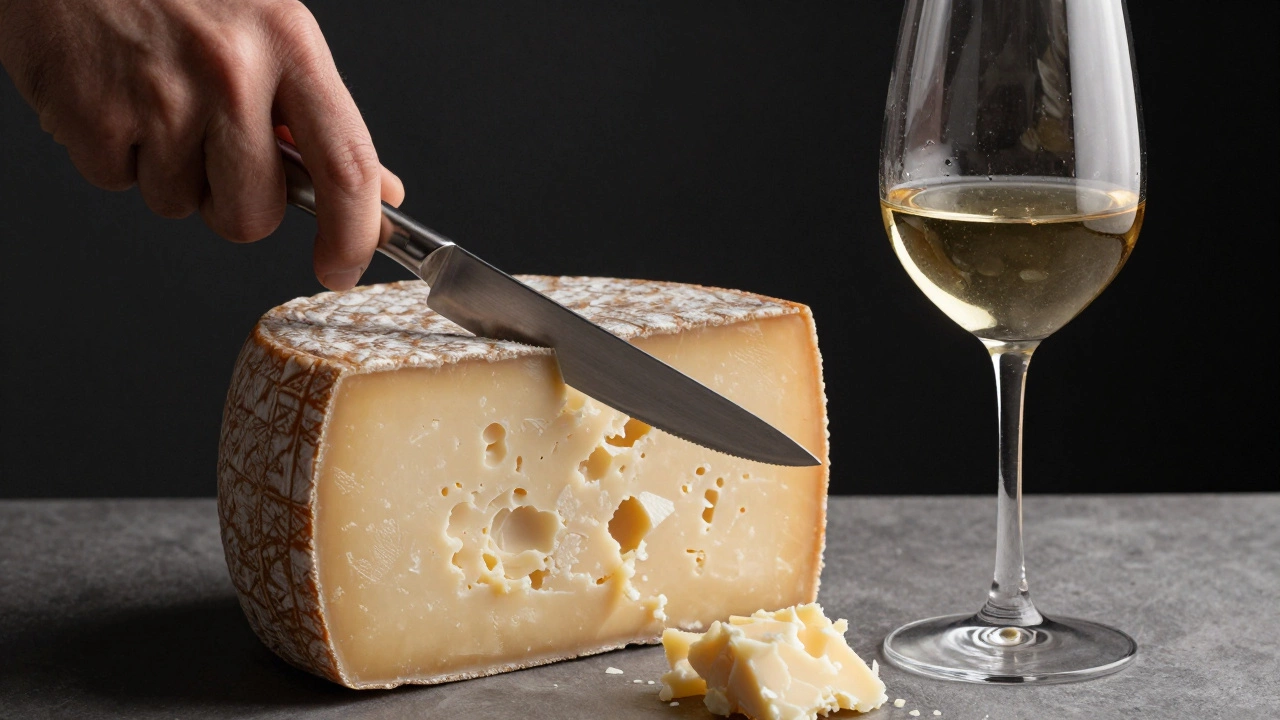
Even the best pairing fails if served incorrectly. Temperature is crucial. Cold cheese locks in flavors, making it taste bland. Cold wine masks aromas.
Follow these simple guidelines:
- Cheese: Take it out of the fridge 30 minutes before serving. Room temperature allows the fats to soften and flavors to open up.
- White Wine: Serve at 7-10 °C (45-50 °F). Too cold kills the fruit; too warm makes it flabby.
- Light Red Wine: Serve at 12-14 °C (54-57 °F). Many people serve reds too warm, which highlights alcohol and hides freshness.
- Full-Bodied Red: Serve at 15-18 °C (59-64 °F).
Keep the board simple. Wine Tours France suggests a “rule of three”: pick one soft, one semi-hard, and one hard cheese. Add bread, crackers, and maybe some honey or nuts. Then choose one or two wines that complement the range. Don’t overcomplicate it. The goal is enjoyment, not perfection.
Why This Tradition Endures
The French continue to eat cheese with wine because it works. It’s pleasurable, socially bonding, and rooted in a deep respect for local produce. Whether you’re in a fancy restaurant in Paris or a kitchen in the countryside, the principle remains the same: let the food and drink reflect the place they come from, and trust that harmony comes from balance, not force.
Next time you open a bottle, think about where it’s from. Find a cheese from that same region. Watch how the flavors lift each other up. That’s the secret behind the French way.
Why do French people eat cheese after the main course?
In France, the cheese course (fromage) traditionally serves as a bridge between the savory main dish and the sweet dessert. It provides a satisfying, flavorful pause that allows diners to cleanse their palates and extend the social aspect of the meal before finishing with sweets.
Does red wine always go with cheese?
No. While red wine pairs well with aged, hard cheeses, it can clash with soft, moist cheeses due to tannin interactions. Whites, rosés, and even sparkling wines are often better choices for fresh goat cheeses or creamy bries.
What is the "terroir" rule in pairing?
The terroir rule suggests pairing wines and cheeses from the same geographic region. Because they share similar climates and soils, their flavor profiles often naturally complement each other, such as Loire Valley goat cheese with Loire Valley Sauvignon Blanc.
Should cheese be served at room temperature?
Yes. Serving cheese at room temperature (taking it out of the fridge 30 minutes prior) allows its fats to soften and its aromas to fully develop, resulting in a richer and more complex taste compared to cold cheese.
Why do tannins make some cheeses taste metallic?
Tannins in red wine can bind with proteins in moist, soft cheeses, sometimes creating a bitter or metallic sensation on the tongue. Drier, aged cheeses handle tannins better because their protein structure is different and less prone to this reaction.



Categories