US Tea Consumption Explorer
Daily Drinkers
160M+
Approximately half of the US population drinks tea daily.
Iced Tea Dominance
80%
Of all tea consumed in the US is iced tea.
Tea Type Market Share
Insight: While Black tea dominates volume due to iced tea culture, Green tea is growing fastest among health-conscious consumers.
Generational Participation
| Generation | Rate | Motivation |
|---|---|---|
| Gen Z | 94%* | Bubble tea, aesthetics |
| Millennials | 87% | Health, variety |
| Gen X | ~75% | Habit, caffeine alt |
| Boomers | ~70% | Tradition, comfort |
Where We Drink
Regional Hotspots
The South: High volume via sweet iced tea culture.
The Northeast: High value via premium hot tea lounges.
Test Your Knowledge
Answer the following questions based on the article data.
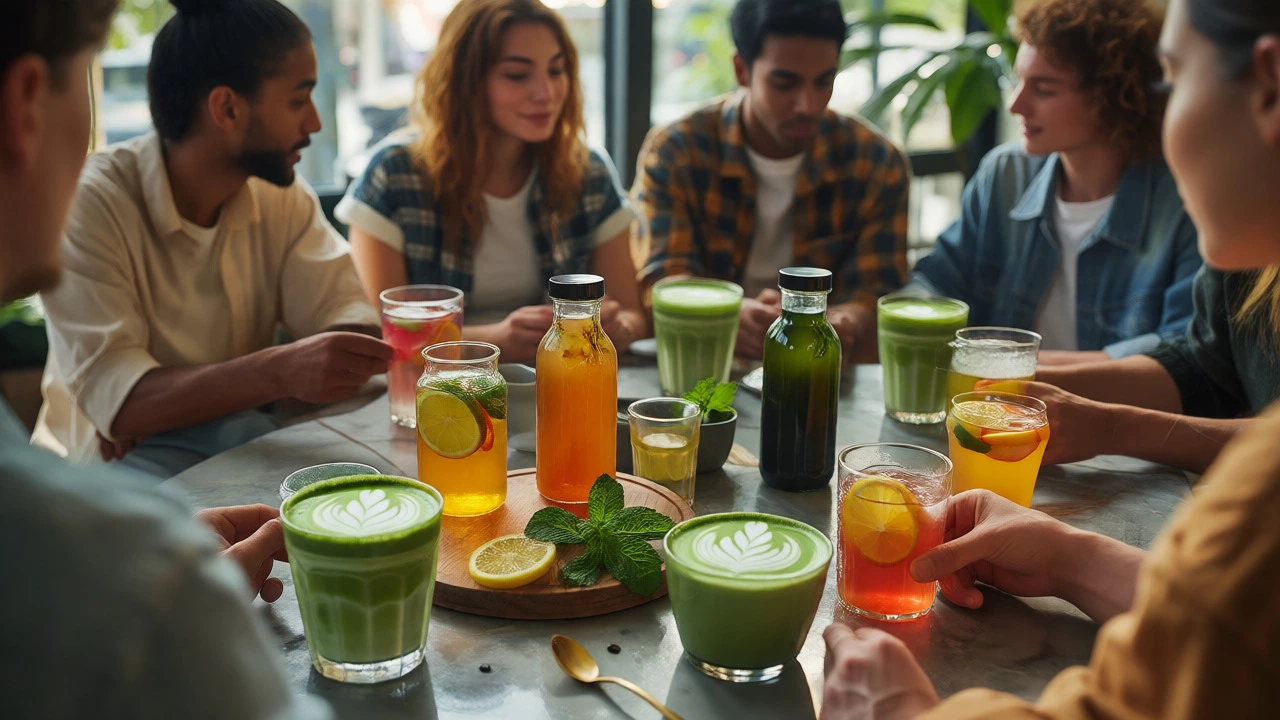
Think Americans are a nation of coffee addicts? Think again. While Starbucks dominates the skyline, tea is quietly winning the war for our daily cups. On any given day, nearly 160 million Americans sip tea. That’s more than half the country. But who exactly is holding the mug (or the plastic cup)? It isn’t your grandparents sipping Earl Grey on the porch. The data points to a clear winner: millennials and residents of the South and Northeast.
If you’re curious about the demographics behind this massive habit, you’re not alone. Understanding who drinks the most tea helps explain why bottled sweet tea is everywhere in Atlanta, while matcha lattes trend in New York. Let’s break down the numbers, the regions, and the reasons behind America’s favorite hot-and cold-beverage.
The Millennial Takeover
Forget the stereotype that older generations stick to tradition. When it comes to tea, younger adults are leading the charge. According to the Tea Association of the U.S.A., roughly 87% of millennials report drinking tea regularly. Compare that to other age groups, and the gap becomes obvious. Millennials aren’t just trying tea; they are integrating it into their daily routines at higher rates than Gen X or Baby Boomers.
Why the shift? Health consciousness plays a huge role. Many millennials view tea as a cleaner alternative to sugary sodas or high-acid coffee. They are also driving demand for variety. While older cohorts might stick to black tea bags, millennials are exploring green, oolong, white, and herbal options. This curiosity fuels market growth, pushing brands to innovate with functional teas, cold brews, and premium loose-leaf blends.
| Generation | Approximate Participation Rate | Primary Motivation |
|---|---|---|
| Millennials | 87% | Health, variety, social trends |
| Gen Z | 94% (trial rate) | Bubble tea, aesthetics, wellness |
| Gen X | ~75% | Habit, caffeine replacement |
| Baby Boomers | ~70% | Tradition, comfort |
The Regional Divide: South vs. Northeast
Geography matters when it comes to tea. If you want to find the highest concentration of tea drinkers, look toward the South and the Northeast. These two regions consistently outperform the Midwest and West in terms of how many people drink tea daily. In the South, tea isn’t just a beverage; it’s a cultural institution. Sweet iced tea is served at almost every meal, from fast-food joints to fine dining restaurants.
The Northeast tells a different story but arrives at a similar conclusion. Here, the volume comes from a mix of traditional hot tea consumption in urban centers and a booming specialty tea scene. Cities like Boston and New York have embraced high-end tea lounges and artisanal blends. While the South drives volume through casual, everyday consumption, the Northeast drives value through premium purchases. Together, they form the backbone of the US tea market.
Iced Tea Dominates the Volume
You might picture a steaming pot of Earl Grey when you think of tea. Reality looks more like condensation on a plastic cup. Between 75% and 80% of all tea consumed in the United States is iced tea. This statistic reshapes how we understand "tea drinking." For most Americans, especially those in the South, tea is a cold, refreshing commodity, often sweetened heavily.
This preference for cold formats lowers the barrier to entry. You don’t need a kettle, a teapot, or precise water temperatures. You grab a bottle from the fridge or order one at a restaurant. This convenience factor explains why daily consumption remains so high among younger demographics. Ready-to-drink (RTD) formats allow people to consume tea without the ritual, making it easy to fit into busy schedules.

Black Tea Still Rules, But Green is Rising
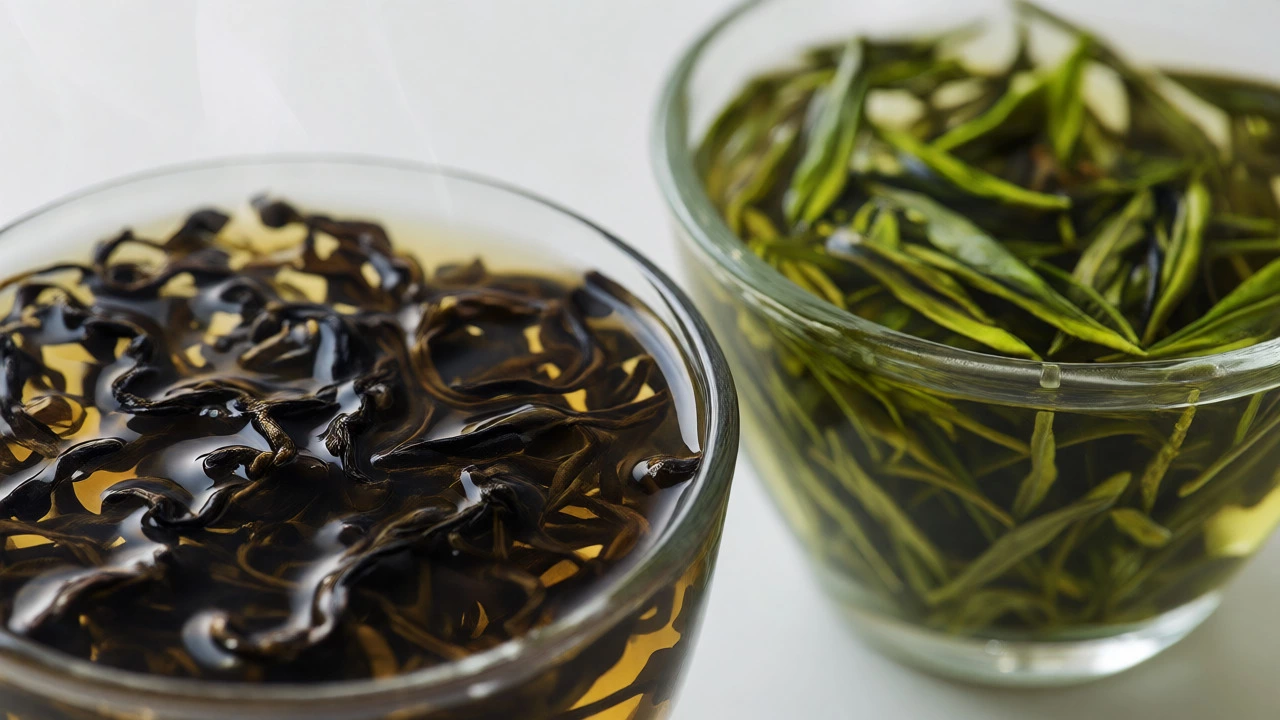
In terms of leaf type, black tea remains the undisputed king. About 84% to 86% of tea consumed in the US is black tea. This aligns perfectly with the popularity of iced tea, as black tea holds up well against ice and sugar. However, green tea is gaining ground, accounting for roughly 13-15% of the market. This segment skews heavily toward health-focused consumers who prioritize antioxidants and lower caffeine levels.
Other varieties like oolong, white, and pu-erh make up the remaining small slice. Yet, within these niche categories, spending per capita is often higher. Specialty shops and online retailers cater to enthusiasts willing to pay more for single-origin leaves. So, while black tea wins on volume, green and specialty teas win on margin and trendiness.
Home vs. Away: Where We Drink
Most tea drinking happens where you’d expect: at home. Surveys indicate that 89% of tea drinkers primarily enjoy their tea in their own kitchens. It’s a low-cost, comfortable routine. However, away-from-home consumption is significant. Nearly half of tea drinkers consume tea in restaurants, leveraging the ubiquity of free refills or included beverages. Workplaces also account for about 29% of consumption, often driven by office supply cabinets or nearby cafes.
This distribution highlights an opportunity for businesses. While home brewing is dominant, the "third place"-cafes and offices-remains crucial for brand discovery. Many millennials try new flavors at work or during lunch before committing to buying boxes for home use.
How the US Compares Globally
Despite the high participation rates, the US doesn’t top global charts for per-capita weight-based consumption. Americans consume between 0.5 and 0.86 pounds of dry tea per person annually. Compare this to Turkey, where citizens drink about 7 pounds per year, or the UK, which hovers around 4 pounds. Why the discrepancy? Because much of US tea consumption is diluted in large volumes of iced tea. A gallon of brewed tea weighs far more than the dry leaves used to make it, skewing perception if you only look at liquid volume.
Still, the trajectory is upward. As RTD markets expand and premiumization continues, per-capita figures are likely to rise. Analysts predict that Gen Z and Gen Alpha will push these numbers even higher by 2028, driven by a rejection of sugary sodas and an embrace of functional beverages.
Key Takeaways
- Demographics: Millennials are the heaviest tea drinkers, with an 87% participation rate.
- Geography: The South and Northeast lead in tea consumption density.
- Format: Iced tea accounts for up to 80% of all US tea consumption.
- Type: Black tea dominates volume, but green tea is growing fastest.
- Context: Most tea is drunk at home, but restaurant and workplace consumption drives trial.
Frequently Asked Questions
Which state drinks the most tea?
While specific state-by-state rankings vary, the Southern states generally show the highest per-capita consumption due to the deep-rooted culture of sweet iced tea. Georgia, North Carolina, and Texas are frequently cited as top consumers, though comprehensive official data often aggregates these into regional blocks rather than individual states.
Do men or women drink more tea in the US?
Publicly available data from major associations focuses more on age and region than gender. However, industry observations suggest that women slightly over-index in hot and specialty tea consumption, while men may participate equally in iced tea and RTD formats. The gap is narrowing as tea becomes a gender-neutral lifestyle choice.
Is tea healthier than coffee for Americans?
This depends on preparation. Unsweetened tea is lower in calories and acid than coffee. However, heavily sweetened iced teas can contain as much sugar as soda. Millennials often choose tea for its perceived antioxidant benefits and gentler caffeine profile, but the health impact varies significantly based on added sugars and milk.
Why do Southerners drink so much iced tea?
Climate and culture drive this behavior. Hot, humid summers make cold beverages preferable. Historically, sweet iced tea became a staple of Southern hospitality, served at family gatherings, churches, and restaurants. This cultural norm reinforces habitual consumption across generations in the region.
What percentage of Americans drink tea daily?
Approximately 50% of Americans drink tea on any given day. This translates to roughly 160 million daily drinkers. While not everyone consumes it multiple times a day, this high frequency indicates tea is a core part of the American dietary routine.




Categories