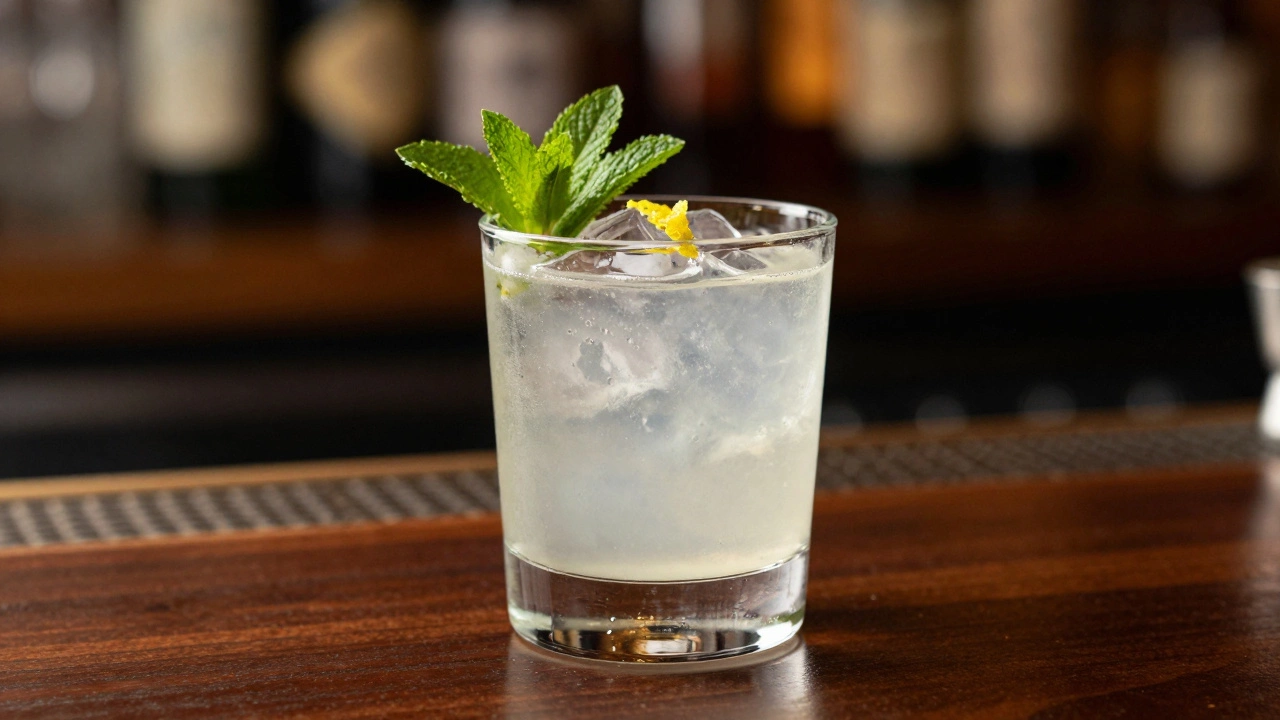
Non-Alcoholic Buzz Matchmaker
Select a drink option below to see detailed analysis including onset time, intensity level, safety warnings, and best use cases.
Sentia
Scientist-designed spirit targeting GABA receptors
High IntensityKava / Kanna
Ancient botanical extracts for deep relaxation
Moderate-HighFunctional Beer
Nootropic-fortified beers with subtle mood lift
Low-ModerateSun Chaser
Predictable tonic with ceiling effect
Capped ModerateHemp Drops
Fast-onset cannabinoid additives
VariableWhat to Expect
Key Characteristics
Best For
⚠️ Safety Notice
ℹ️ Pro Tip
Ever sat at a party with a sparkling water in hand, watching everyone else unwind, and wondered if there’s a way to get that warm, fuzzy, social buzz without the headache or the hangover? You are not alone. The search for a drink that makes you feel drunk but contains no alcohol has exploded in recent years. It is not just about avoiding ethanol; it is about replicating the specific feeling of relaxation and sociability that comes with a pint or a cocktail.
The good news? The market has moved far beyond bland mocktails. In 2026, we have access to sophisticated botanical spirits, functional beers, and adaptogenic tonics designed specifically to trigger those same brain receptors that alcohol does. However, not all "buzz" drinks are created equal. Some offer a gentle lift, while others pack a punch strong enough to make driving unsafe. Here is what actually works, how they work, and what you need to know before you take your first sip.
How Do These Drinks Actually Work?
To understand why these drinks make you feel tipsy, you have to look at what alcohol does to your brain. Ethanol primarily interacts with GABA receptors, which are inhibitory neurotransmitter systems in the brain responsible for reducing neuronal excitability. When alcohol hits these receptors, it slows down brain activity, leading to relaxation, reduced anxiety, and that loosened-up social feeling. It also affects dopamine, giving you a mild sense of reward.
Non-alcoholic buzz drinks mimic this process using different ingredients. Instead of ethanol, they use botanical extracts, adaptogens, or cannabinoids that target the same GABA pathways or similar calming neural circuits. The goal is to deliver the "positive" effects-relaxation and sociability-while skipping the "negative" ones like motor impairment, memory loss, and dehydration. Think of it as hacking the relaxation signal without loading up on the toxic payload.
Sentia: The Scientist-Designed Spirit
If you want the closest experience to feeling genuinely intoxicated without alcohol, Sentia is currently the most prominent non-alcoholic botanical spirit developed by neuroscientists to activate GABA receptors. Created by Professor David Nutt, a renowned neuropsychopharmacologist, Sentia was engineered in a lab rather than brewed in a cellar. It uses a proprietary blend of plant extracts selected specifically because they bind to the same GABA receptors that alcohol targets.
The effect is distinct. Users report a genuine sense of warmth, relaxation, and increased talkativeness. It is not a placebo. In fact, the manufacturer includes a serious warning: do not drive after consuming Sentia. Even though it contains 0.0% ABV (alcohol by volume), the psychoactive effects are strong enough to impair reaction times and judgment. This sets Sentia apart from other options; it is not just a mood lifter, it is a functional intoxicant. It is typically sold as a spirit to be mixed into cocktails, allowing you to maintain the ritual of drinking gin or vodka without the ethanol.
Kava and Kanna: The Botanical Heavyweights
While Sentia represents the high-tech approach, kava and kanna represent the ancient, ethnobotanical route. In 2026, consumer reviews consistently point to these two plants as the most effective natural sources for a non-alcoholic buzz. Brands like Kava Haven offers kava-based spirits and tinctures derived from the Piper methysticum plant native to the South Pacific and Myce produces canned spritzers infused with Sceletium tortuosum, a South African succulent known for mood-elevating properties have gained significant traction.
Kava contains kavalactones, which interact with multiple neurotransmitter systems, including GABA and dopamine, producing a heavy, body-focused relaxation. It can feel quite sedative, making it excellent for unwinding at home but perhaps less ideal if you want to stay sharp for conversation. Kanna, on the other hand, acts more like a mild antidepressant and anxiolytic. It tends to provide a lighter, more uplifting buzz that enhances sociability without knocking you out. Both are potent. If you are looking for a drink that makes you feel distinctly "different" from your baseline state, these are likely your best bets among natural options.
Functional Beers: IMPOSSIBREW and the Nootropic Wave
For beer lovers, the transition to non-alcoholic options has historically been frustrating. Traditional NA beers taste fine but lack the "kick." That is where functional beers come in. IMPOSSIBREW is a brand that produces functional beers fortified with nootropics and adaptogens to enhance mood and relaxation. Their products contain a trace amount of alcohol (around 0.5% ABV), which is not enough to cause intoxication, but the real magic lies in the added ingredients.
Nootropics are substances that may improve cognitive function, while adaptogens help the body resist stressors. By combining these with the familiar taste of beer, brands aim to create a "social lubricant" effect. You won’t feel drunk in the traditional sense-you won’t slur your words or lose coordination-but you may feel looser, happier, and more relaxed. It is a subtle shift, perfect for a casual evening where you want to enjoy the ritual of a pint without the next-day regret. It is important to manage expectations here: this is a buzz, not a blackout.
Sun Chaser and Hemp-Derived Drops: Quick Onset, Controlled Peak
Some people prefer a faster, more predictable experience. Sun Chaser markets itself as a nootropic social tonic designed to produce a warming sensation and mild euphoria within 15-30 minutes. Popularized by viral taste tests, Sun Chaser claims its effects peak at the equivalent of a single standard drink and then gently fade over an hour. Crucially, the formulation is designed with a "ceiling effect," meaning chugging multiple cans will not make you progressively more intoxicated. It prevents the spiral of binge drinking by capping the intensity.
Similarly, hemp-derived drops like those from Sober(ish) promise a rapid onset, sometimes within 5-10 minutes. These often utilize cannabinoids or related compounds to induce a wine-like buzz. They are marketed as additives you can drop into any beverage, offering flexibility. However, the variability in individual metabolism means results can differ. Some users report a pleasant tingling and warmth, while others feel only mild drowsiness. The key advantage here is control: you know exactly how much you are taking, and the effects are time-bound.
| Drink Type | Key Ingredients | Onset Time | Intensity | Best For |
|---|---|---|---|---|
| Sentia | GABA-targeting botanicals | 15-30 mins | High (Impairment possible) | Socializing, replacing spirits |
| Kava/Kanna | Kavalactones / Sceletium | 20-45 mins | Moderate to High | Deep relaxation, evening wind-down |
| Functional Beer | Nootropics, Adaptogens | 30-60 mins | Low to Moderate | Casual gatherings, beer rituals |
| Sun Chaser | Nootropic blend | 15-30 mins | Moderate (Capped) | Predictable, short-duration buzz |
| Hemp Drops | Cannabinoids | 5-15 mins | Variable | Customizable drinks, quick relief |
Safety, Risks, and What to Avoid
Just because a drink doesn't contain alcohol doesn't mean it's risk-free. The most critical rule is this: never drive under the influence of potent non-alcoholic buzz drinks like Sentia. The impairment is real, even if the breathalyzer reads zero. Treat these substances with the same respect you would treat alcohol.
Avoid dangerous shortcuts. You might see online advice suggesting inhaling alcohol vapor or using mouthwash to get drunk. These methods are extremely hazardous and can lead to severe toxicity, organ damage, or death. Stick to formulated, regulated beverages. Also, be aware of interactions. If you are taking medications, especially those affecting the liver or central nervous system, consult a doctor before trying kava or CBD-based products. Kava, in particular, has been linked to liver issues in rare cases when consumed in excess or poor quality.
Finally, listen to your body. These are new categories for many people. Start with half a serving to gauge your sensitivity. The goal is enjoyment and relaxation, not chasing a high that could leave you anxious or overly sedated.
Can you actually get drunk on non-alcoholic drinks?
You cannot get "drunk" in the traditional sense of having a high blood alcohol concentration (BAC). However, you can achieve a subjective feeling of intoxication, relaxation, or buzz through drinks that target GABA receptors or use adaptogens. Products like Sentia are designed to mimic the psychoactive effects of alcohol without the ethanol, so you may feel tipsy or impaired, but you are not technically drunk.
Is it safe to drive after drinking Sentia or similar buzz drinks?
No. Manufacturers of potent non-alcoholic spirits like Sentia explicitly warn against driving. While these drinks contain 0.0% alcohol, their active ingredients can impair judgment, reaction time, and motor skills similarly to low-level alcohol intoxication. Always arrange for alternative transport if you consume these stronger formulations.
Do non-alcoholic beers give you a buzz?
Standard non-alcoholic beers generally do not provide a buzz because they are stripped of alcohol and lack active psychoactive ingredients. However, "functional beers" like IMPOSSIBREW add nootropics and adaptogens to create a mild mood-enhancing effect. This is a subtle relaxation rather than a true intoxication, and it varies by individual sensitivity.
What is the difference between kava and kanna?
Kava is derived from the Piper methysticum plant and is known for its heavy, sedative relaxation effects, often described as a body buzz. Kanna comes from the Sceletium tortuosum succulent and tends to provide a more uplifting, mood-elevating effect with less sedation. Both are used to reduce anxiety and promote sociability, but kava is generally stronger and more calming.
How long does the buzz from non-alcoholic drinks last?
The duration varies by product. Sun Chaser claims its effects last about one hour before fading. Kava and kanna effects can linger for several hours depending on the dose. Functional beers may provide a sustained mild uplift throughout the night. Unlike alcohol, which can build up to higher levels of intoxication, many of these drinks have a ceiling effect, meaning the intensity plateaus and does not escalate dangerously with additional servings.

Categories