Winery Day Planner
Picture this: you’ve finally made it to that dream winery, the sun is shining on the vines, and you’re ready for some great wine. But then the question hits you-how long are you supposed to stay? Do you leave after one sip, or do you hang around for hours? Getting the timing wrong can ruin your day. Arrive too late, and they’ll kick you out before you finish. Stay too long, and you might feel like you’re holding up the line.
I’ve spent years wandering through vineyards from Napa to Scotland’s own whisky belts (yes, we appreciate spirits here too!), and I’ve learned that timing isn’t just about logistics-it’s about respect. Wineries run tight ships. They have other guests waiting, staff who need to clean glasses, and sommeliers who want to give each person their full attention. Knowing exactly how much time to allocate helps you plan a smoother, more enjoyable day without the stress of watching the clock.
The Standard Public Tasting: Quick but Meaningful
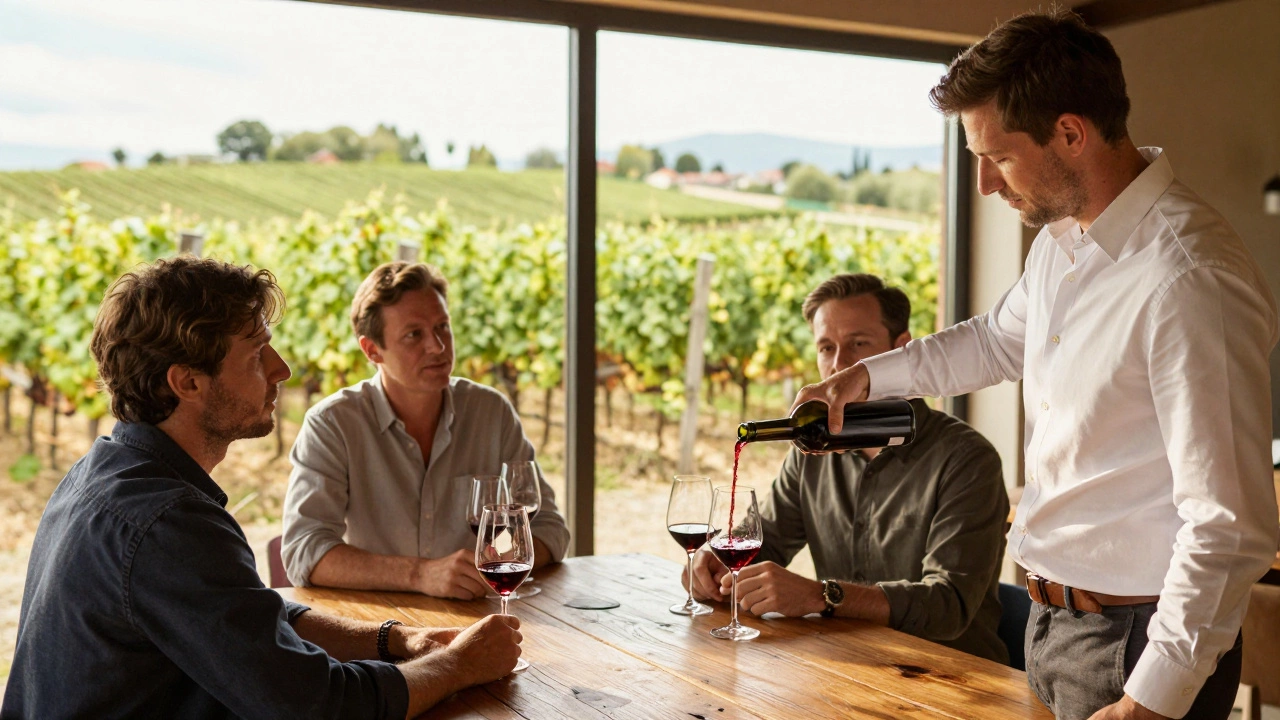
If you walk into a tasting room without a reservation, you’re likely signing up for the standard public experience. This is the bread and butter of most wineries. Typically, these sessions last between 45 minutes and 1 hour. It sounds short, but it’s enough time to taste four to six wines properly. Think of it as a focused conversation rather than a casual chat.
Why does it take an hour for just five wines? Because good tasting takes patience. You aren’t just swallowing; you’re swirling, sniffing, and sipping. Each wine gets about 5 to 10 minutes of your attention. The host will explain the grape variety, the region, and maybe a bit about the fermentation process. If you rush through, you miss the point. If you drag it out, you disrupt the flow for others. For a quick stop at a single winery, especially if you’re driving between locations, aim for 30 to 45 minutes. That’s usually enough for a brief look at the barrel room and three to five pours.
Private and Premium Tastings: Slowing Down
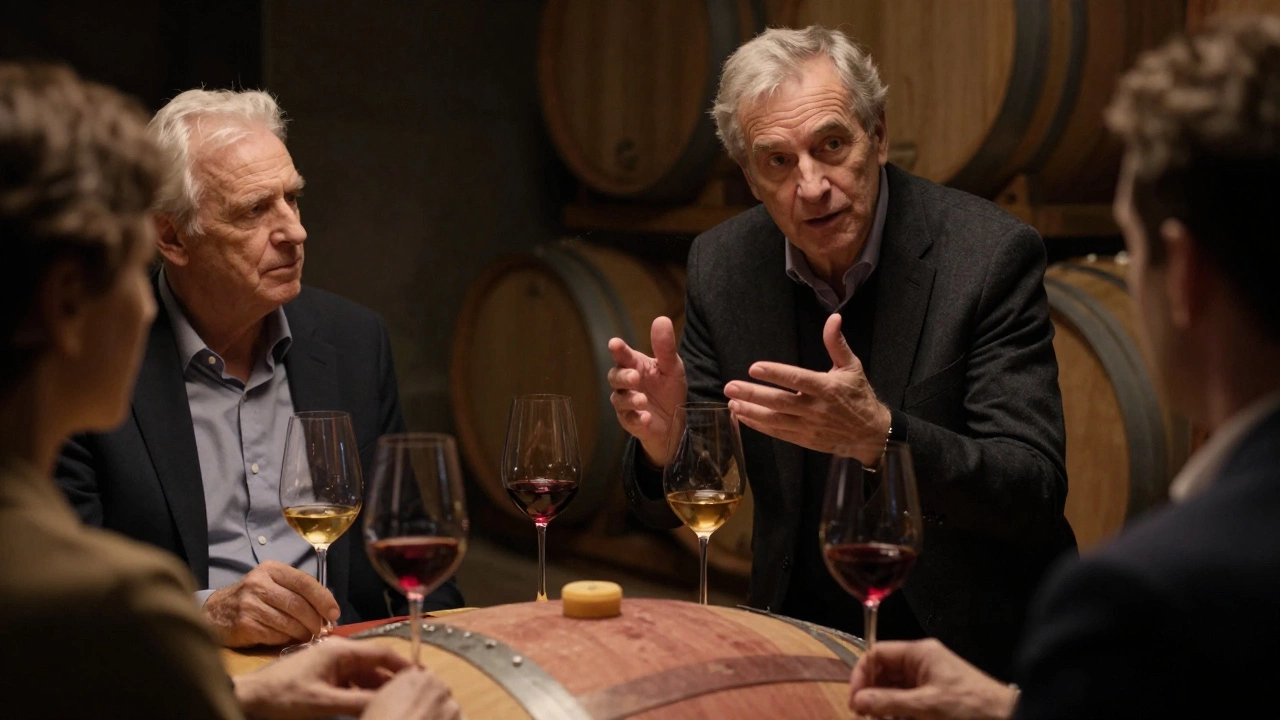
Want to go deeper? Book a private or premium tasting. These experiences are designed for people who want to talk shop with a winemaker or a senior sommelier. Expect to spend 1 to 2 hours here. The difference is intimacy. There’s no crowd behind you. You can ask detailed questions about terroir, aging techniques, or why that specific vintage was challenging.
These tastings often feature reserve wines or library selections not available to the general public. The pacing is slower because the goal is education and connection, not just consumption. If you’re celebrating an anniversary or hosting a small group of serious wine lovers, this format is worth the extra time and cost. Just remember to book in advance-these slots fill up fast.
Tours and Pairings: The Full Experience
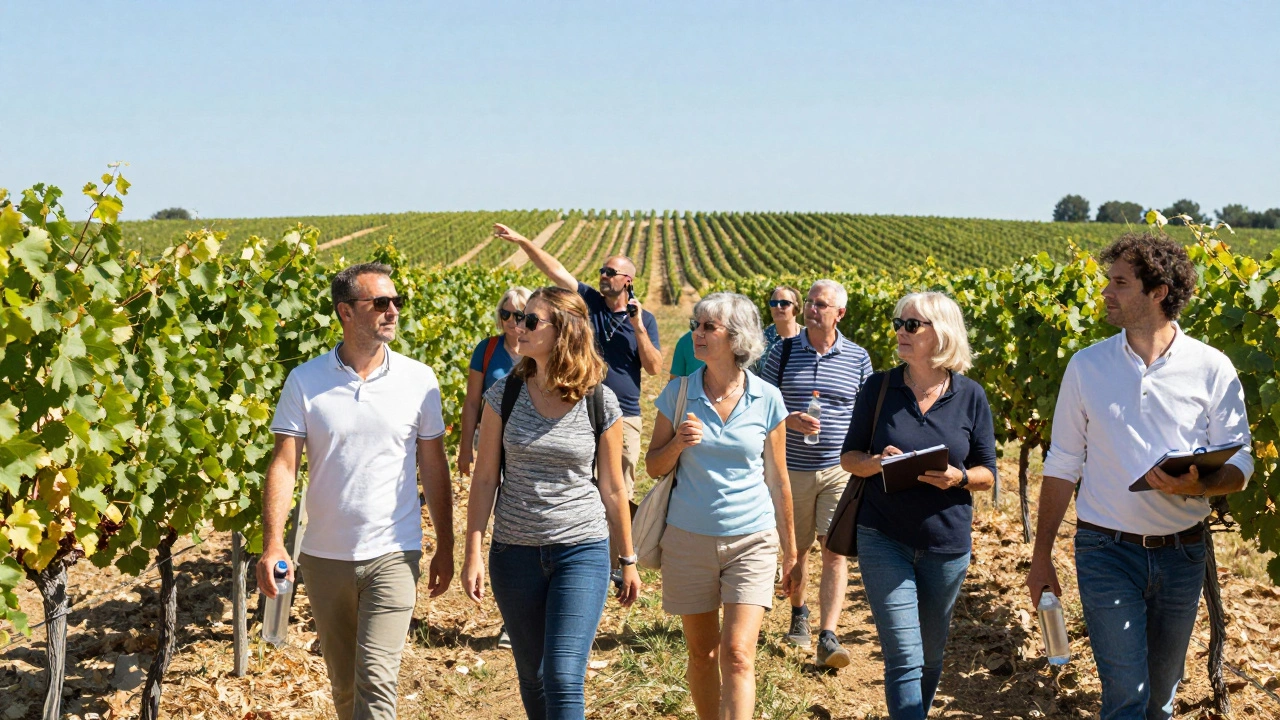
Sometimes, you don’t just want to taste; you want to see where the magic happens. Vineyard tours combined with tastings typically run 2 to 3 hours. This includes walking through the rows, seeing the crushing equipment, and touring the cellar. It’s physical work, so wear comfortable shoes. The tasting portion is usually integrated into the end of the tour, allowing you to connect what you saw with what you taste.
Food and wine pairings are another time-intensive option. These events also span 2 to 3 hours and involve multiple courses. The food changes how you perceive the wine, so you need time to let each pairing settle. It’s a sensory journey, not a race. If you’re hungry and love exploring flavor combinations, this is the best way to spend your afternoon.
| Experience Type | Typical Duration | Best For |
|---|---|---|
| Standard Public Tasting | 45-60 minutes | Casual visitors, multi-stop itineraries |
| Quick Stop / Single Winery | 30-45 minutes | Drivers, tight schedules |
| Private / Premium Tasting | 1-2 hours | Enthusiasts, special occasions |
| Vineyard Tour + Tasting | 2-3 hours | Curious learners, active explorers |
| Food & Wine Pairing | 2-3 hours | Gourmets, date nights |
Planning Your Multi-Winery Day
Here’s the golden rule of wine country travel: visit no more than three wineries per day. I know it’s tempting to hit every spot on the map, but alcohol adds up, and fatigue sets in. Most experts recommend allocating 60 to 75 minutes per winery when you’re doing multiple stops. This includes travel time between locations.
Start early. Many tasting rooms open between 10 AM and noon. Schedule your first tasting in the morning when your palate is fresh. Take a break for lunch after the first stop-this gives your body time to metabolize the alcohol and resets your senses. Then, tackle two more tastings in the afternoon. Most wineries close between 4:30 PM and 6 PM. If you arrive at 3 PM for a 90-minute experience, you’re cutting it dangerously close. Aim to start your last tasting by 2:30 PM to avoid feeling rushed.
For seasoned tasters with high tolerance and deep interest, a fourth stop might be possible, but treat it as a light pour or a water break disguised as a visit. Don’t push it. Quality over quantity always wins.
Guided Tours vs. Self-Driving
If you hate planning, hire a guide. Half-day wine tours usually run 3 to 4 hours and include 2 to 4 winery stops. They handle the driving, so you can relax. These tours are perfect if you’re short on time or on a budget. Some include cheese or local produce tastings, but lunch is rarely included.
Full-day tours last 6 to 8 hours and offer a more immersive experience. You’ll visit three to six wineries, enjoy a sit-down lunch, and have plenty of time to chat with locals. These tours often feature extended tastings with up to 20 wines. It’s a marathon, not a sprint, but it’s incredibly rewarding if you love the culture and history behind the bottle.
Multi-day tours exist too, ranging from weekend getaways to week-long journeys. These include boutique accommodations, cooking classes, and even hot-air balloon rides. They’re less about ticking boxes and more about living in the moment. If you have the time and budget, this is the ultimate wine escape.
Etiquette and Timing Tips
Respect the staff’s time. If you’re done tasting, say so. Don’t linger at the table if there’s a line outside. Wineries rely on turnover to keep business running smoothly. Conversely, don’t rush the sommelier. If they’re explaining something complex, listen. Ask questions. Engage. The interaction is part of the value.
Watch the clock. If a tasting starts at 2 PM and the winery closes at 5 PM, you have a hard limit. Start wrapping up by 4:15 PM. Buy your bottles, sign the receipt, and head out. Nothing kills the vibe faster than being asked to leave abruptly.
Finally, hydrate. Drink water between wines and throughout the day. It keeps your palate clear and your head steady. A well-timed winery visit isn’t just about the wine-it’s about the memory you create. Plan wisely, stay present, and enjoy every sip.
How many wineries should I visit in one day?
Aim for a maximum of three wineries per day. This allows 60-75 minutes per stop, including travel time, while keeping alcohol consumption manageable and ensuring you actually enjoy the experience.
What is the average length of a standard wine tasting?
A standard public tasting typically lasts 45 to 60 minutes. This includes sampling 4-6 wines with brief explanations from the host.
Do I need to book a winery visit in advance?
For standard public tastings, walk-ins are often accepted, but reservations are recommended during peak seasons. Private tastings, tours, and food pairings almost always require advance booking due to limited capacity.
What time should I start my winery visits?
Start early, ideally between 10 AM and noon. Most wineries open by noon and close between 4:30 PM and 6 PM. Starting early ensures you have ample time for multiple visits without rushing.
Is it rude to leave a winery early?
Not if you’re polite. If you’ve finished your tasting, thank the staff and exit gracefully. Lingering unnecessarily when others are waiting can be disruptive. However, don’t rush through the tasting itself-engage with the wines and the host.
How long do guided wine tours last?
Half-day tours typically run 3-4 hours with 2-4 winery stops. Full-day tours last 6-8 hours, offering more extensive tastings, lunch, and deeper exploration of the region.
Categories