Cocktail Recipe Calculator & Guide
Select a cocktail below to view its classic recipe and calculate exact measurements based on your desired serving size.
Select a cocktail to see ingredients and instructions
Ever walked into a bar and felt overwhelmed by the endless menu of colorful concoctions? You aren't alone. Most people don't need to memorize hundreds of recipes to make great drinks at home. In fact, you only need to master a small handful of foundational formulas. These "basic" cocktails act as the building blocks for almost every other drink you'll ever encounter. Once you understand how these seven specific drinks work, you can improvise, adjust sweetness, and create your own variations with confidence.
The concept of "basic" cocktails isn't just a modern internet trend. It dates back to David A. Embury, a tax attorney who wrote The Fine Art of Mixing Drinks in 1948. He argued that all cocktails are variations of just six core types. Today, we've expanded that list slightly to include seven essential drinks that cover the major spirits-gin, whiskey, rum, tequila, and vodka-and the two main structural families: aromatic and sour. If you learn these seven, you have the keys to the kingdom.
Why These Seven Drinks Matter
You might wonder why we focus on these specific seven rather than popular trendy drinks like the Cosmopolitan or the Mojito. The answer lies in structure. Bartenders classify cocktails primarily by their balance of ingredients. There are really only two main categories you need to know: aromatic and sour.
- Aromatic cocktails are spirit-forward. They rely on strong base spirits modified with bitter or herbal liqueurs (like vermouth). They are stirred, not shaken, and served neat or up. Examples include the Martini and Old Fashioned.
- Sour cocktails balance spirit with acid (citrus) and sweetener. They are always shaken to emulsify the ingredients and chill them quickly. Examples include the Daiquiri and Margarita.
By mastering one example from each category for every major spirit, you cover 90% of what a standard bar serves. This approach saves you time, reduces waste, and helps you understand *why* a recipe works, not just how to follow instructions blindly.
The Aromatic Classics: Gin, Whiskey, and Sweet Vermouth
Let's start with the aromatic family. These drinks are about purity and strength. The goal is to let the quality of the spirit shine while adding subtle complexity.
1. The Martini
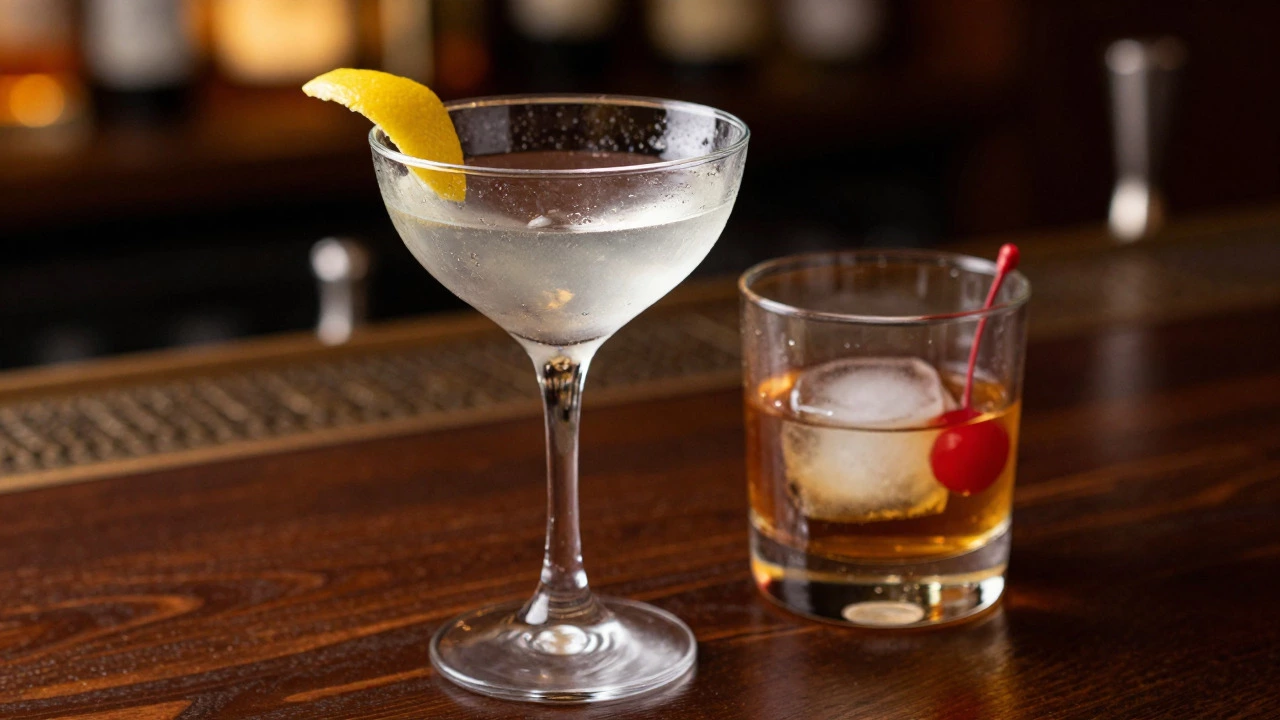
The Martini is often called the king of cocktails. Despite its reputation for being difficult, it is incredibly simple. It consists of gin and dry vermouth. Embury’s classic ratio is 7 parts gin to 1 part French dry vermouth. That’s an 8-part total mixture dominated by the botanicals of the gin.
To make it, combine the gin and vermouth in a mixing glass with ice. Stir gently for about 30 seconds until well-chilled but not watered down. Strain into a chilled coupe or martini glass. Garnish with a lemon twist or an olive. The key here is temperature; if it’s not cold enough, the alcohol bite will be harsh. Use high-quality gin, preferably London Dry, for the best result.
2. The Old Fashioned
If the Martini is king, the Old Fashioned is the wise elder statesman. It is essentially whiskey flavored with sugar and bitters. Embury recommends a ratio of 12 parts American whiskey to 1 part simple syrup and 1-3 dashes of Angostura bitters.
This drink is built directly in an old-fashioned glass (also known as a rocks glass). Add the sugar syrup and bitters first, then a splash of water to dissolve the sugar. Stir vigorously to combine. Add one large cube of ice or two smaller cubes, then pour in the whiskey. Stir again briefly to chill. Garnish with a lemon twist and a maraschino cherry. The slow stirring ensures proper dilution without aerating the drink, keeping it smooth and silky.
3. The Manhattan
The Manhattan is the sweeter cousin of the Martini, but made with whiskey instead of gin. It uses Italian sweet vermouth instead of dry vermouth. The classic ratio is 5 parts American whiskey to 1 part sweet vermouth, plus a dash of Angostura bitters.
Like the Martini, this is a stirred drink. Combine the whiskey, vermouth, and bitters in a mixing glass with ice. Stir until cold, then strain into a chilled cocktail glass. Garnish with a maraschino cherry. Rye whiskey is traditionally preferred over bourbon for Manhattans because its spicier profile cuts through the sweetness of the vermouth better. However, bourbon makes for a smoother, richer version if you prefer less bite.
The Sour Family: Balance of Acid and Sweet
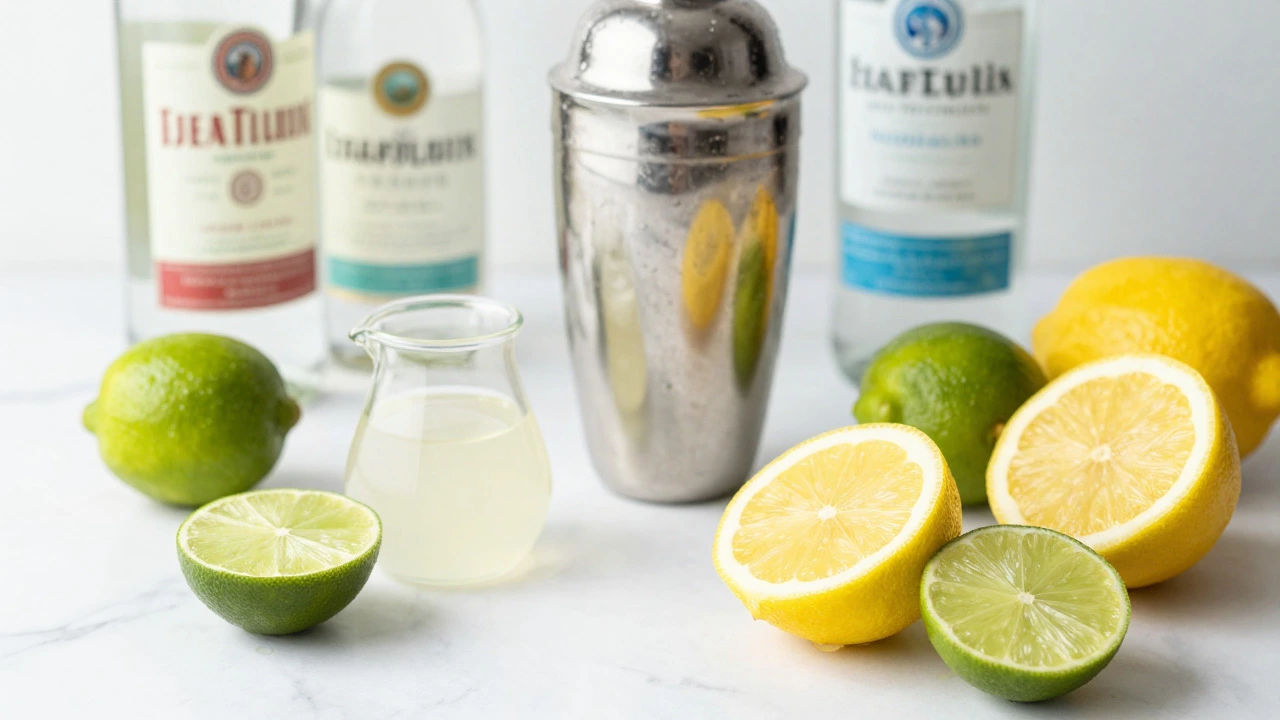
Sours are where magic happens. The interplay between tart citrus and sweet syrup creates a refreshing profile that appeals to almost everyone. The golden rule for sours is the 8:2:1 ratio established by Embury: 8 parts spirit, 2 parts citrus juice, and 1 part sweetener. While modern bars often use 2:1:1 for stronger flavors, understanding the 8:2:1 baseline helps you adjust to your taste.
4. The Daiquiri
Don't confuse the frozen, fruity daiquiris found in tourist traps with the real thing. The classic Daiquiri is a clear, elegant cocktail made with white Cuban rum, fresh lime juice, and simple syrup. Embury’s recipe calls for 8 parts rum, 2 parts lime juice, and 1 part simple syrup.
Combine all three ingredients in a shaker with ice. Shake hard for 10-15 seconds until the outside of the shaker feels frosty. Double-strain (using both the shaker strainer and a fine mesh sieve) into a chilled coupe glass. No garnish is needed-the flavor should speak for itself. Fresh lime juice is non-negotiable here; bottled juice will taste flat and metallic.
5. The Margarita
The Margarita is the tequila-based counterpart to the Daiquiri. It follows the same sour structure but swaps lime for orange liqueur (usually triple sec or Cointreau) as the sweetener component. A balanced ratio is typically 2 parts tequila, 1 part lime juice, and 1 part orange liqueur.
Shake vigorously with ice and strain into a salt-rimmed rocks glass filled with fresh ice, or serve up in a coupe. The salt rim enhances the perception of sweetness and balances the acidity of the lime. Use 100% agave blanco tequila for a clean, crisp flavor. Avoid pre-made mixes; they are loaded with corn syrup and artificial colors.
6. The Whiskey Sour
The Whiskey Sour brings the sour formula to whiskey. It uses bourbon, lemon juice, and simple syrup. Many modern versions add egg white for texture, which creates a creamy foam on top. If using egg white, perform a "dry shake" first (shake without ice) to emulsify the protein, then add ice and shake again.
The standard ratio is 2 parts bourbon, 1 part lemon juice, and 0.75 to 1 part simple syrup. Garnish with a few drops of Angostura bitters drizzled over the foam and a cherry. The bitters add visual appeal and a hint of spice that complements the bourbon. This drink demonstrates how technique (shaking vs. dry shaking) changes the mouthfeel entirely.
7. The Moscow Mule
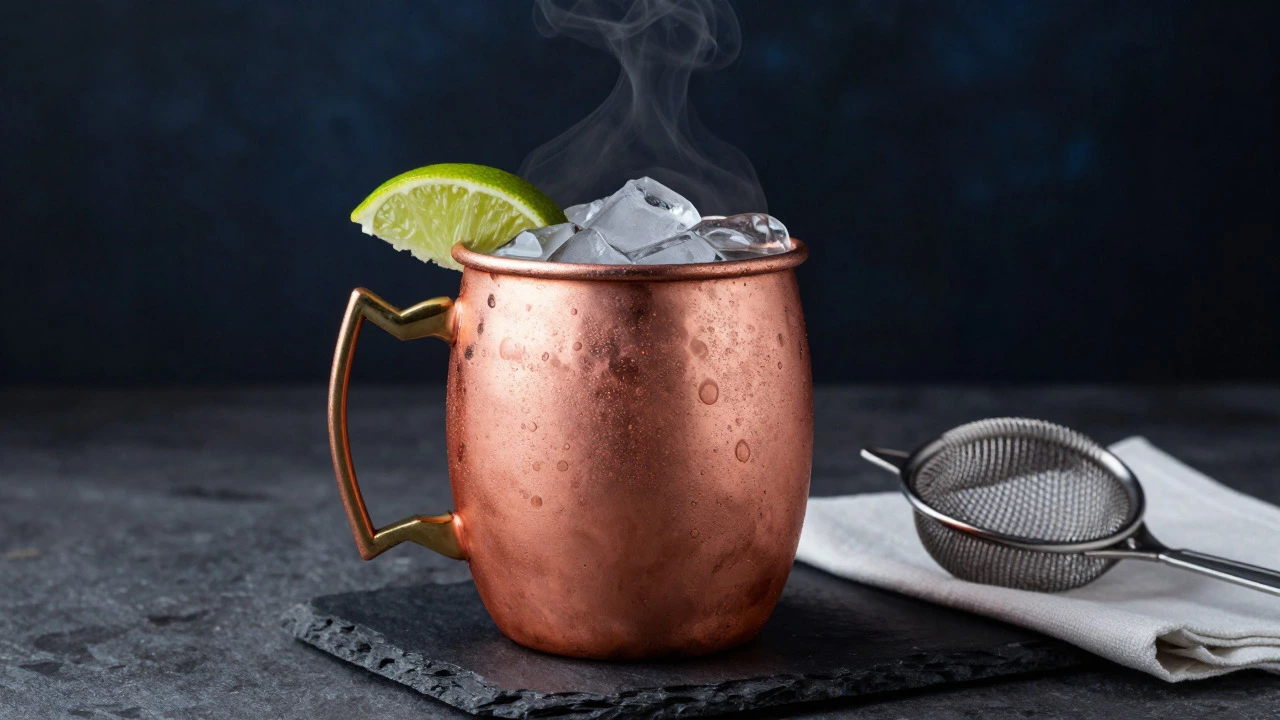
The final basic cocktail is the Moscow Mule. Unlike the others, this is a highball-a long drink built in the glass rather than strained. It represents the vodka category and introduces ginger beer as a mixer. The typical build is 60ml (2 oz) vodka, 15ml (0.5 oz) lime juice, and topped with ginger beer.
Fill a copper mug or highball glass with ice. Pour in the vodka and lime juice, then top with ginger beer. Stir gently to combine. Garnish with a lime wedge. The copper mug is traditional and keeps the drink colder longer due to metal's thermal conductivity, but any glass works. The heat of the ginger beer contrasts nicely with the cold vodka and sharp lime, making it incredibly refreshing. It’s a gateway drink for those who find straight spirits too intense.
| Cocktail Name | Category | Base Spirit | Key Modifiers | Preparation Method |
|---|---|---|---|---|
| Martini | Aromatic | Gin | Dry Vermouth | Stirred, Strained Up |
| Old Fashioned | Aromatic | Whiskey | Sugar Syrup, Bitters | Built in Glass, Stirred |
| Manhattan | Aromatic | Whiskey | Sweet Vermouth, Bitters | Stirred, Strained Up |
| Daiquiri | Sour | Rum | Lime Juice, Simple Syrup | Shaken, Strained Up |
| Margarita | Sour | Tequila | Lime Juice, Orange Liqueur | Shaken, Served On Rocks |
| Whiskey Sour | Sour | Whiskey | Lemon Juice, Simple Syrup | Shaken, Served On Rocks |
| Moscow Mule | Highball | Vodka | Ginger Beer, Lime Juice | Built in Glass |
Pro Tips for Home Bartenders
Knowing the recipes is half the battle. Execution matters just as much. Here are three critical tips to elevate your basic cocktails:
- Use Fresh Citrus: Bottled lemon or lime juice contains preservatives that alter the flavor profile. Always squeeze fresh fruit. If you’re short on time, freeze fresh juice in ice cube trays for later use.
- Invest in Good Ice: Cloudy ice melts faster, watering down your drink. Clear ice melts slower and keeps your cocktail cold without diluting it prematurely. You can make clear ice at home using directional freezing methods.
- Taste As You Go: Ratios are guidelines, not laws. Taste your simple syrup and citrus before mixing. Some limes are more acidic than others. Adjust the sweetener accordingly to achieve balance.
Frequently Asked Questions
Who defined the original basic cocktails?
David A. Embury defined the original six basic cocktails in his 1948 book "The Fine Art of Mixing Drinks." He listed the Daiquiri, Jack Rose, Manhattan, Martini, Old Fashioned, and Sidecar as the foundational drinks from which all others derive.
Why is the Moscow Mule included in the 7 basic cocktails?
The Moscow Mule is included in modern lists because it represents the vodka category and introduces the highball style. While not part of Embury's original 1948 list, it is widely considered essential today due to its popularity and simplicity, covering a major spirit gap left by older taxonomies.
What is the difference between aromatic and sour cocktails?
Aromatic cocktails are spirit-forward, relying on bitters or vermouth for flavor, and are stirred. Sour cocktails balance spirit with citrus acid and sweetener, and are always shaken to emulsify and chill the ingredients quickly.
Can I use bottled lime juice for a Daiquiri?
It is highly recommended to use fresh lime juice. Bottled juice often contains sulfites and lacks the bright, vibrant acidity of fresh fruit, resulting in a flat-tasting cocktail. Fresh juice is crucial for the delicate balance of a Daiquiri.
Is rye whiskey better than bourbon for a Manhattan?
Rye whiskey is traditionally preferred for Manhattans because its spicy character balances the sweetness of the Italian vermouth. Bourbon creates a smoother, richer drink, but rye provides more complexity and cut. Both are acceptable depending on personal preference.

Categories