Find Your Perfect First Whiskey
What is your sweet tooth like?
Whiskey varies greatly in sweetness depending on the grain used.
Sweet Tooth
I love caramel, honey, and vanilla flavors.
Spice & Bold
I prefer dry, spicy, or complex notes over sugar.
How do you handle the "burn"?
Higher proof whiskeys have more heat. Which sounds like you?
Sensitive Palate
I want it smooth. I hate the burning sensation.
Adventurous
A little heat is fine if the flavor is good.
Pick an aroma vibe:
Smell is 80% of taste. What appeals to you?
Fruity & Floral
Fresh, light, citrus, heather, dried fruit.
Woody & Rich
Deep oak, vanilla, smoke, earthy tones.
Your Match:
That first sip of whiskey often feels less like a drink and more like swallowing fire. If you’ve ever taken a cautious gulp and immediately regretted it, you are not alone. The burning sensation is real, but it is also temporary. Behind that initial heat lies a complex world of caramel, vanilla, smoke, and fruit notes that millions of people enjoy daily. The problem isn’t the spirit itself; it’s usually how we approach our first encounter with it.
Understanding what whiskey tastes like requires looking past the alcohol content. For beginners, the goal isn't to become an expert taster overnight. It is about learning to navigate the sensory experience so you can actually enjoy the drink. Whether you prefer sweet notes or something smoky, there is a style of whiskey designed for your palate. This guide breaks down exactly what to expect, which bottles to buy, and how to tame the burn without ruining the flavor.
Why Whiskey Burns (And How to Stop It)
The most common complaint from new drinkers is the "burn." This sensation comes from ethanol, the active ingredient in all alcoholic beverages. Most whiskeys are bottled between 40% and 50% ABV (alcohol by volume). When this high concentration hits your tongue and throat, it triggers pain receptors before your taste buds have time to register flavor. According to a 2022 survey by Whisky Advocate, nearly 78% of novice drinkers struggle to detect specific flavors during their first tasting because the alcohol masks everything else.
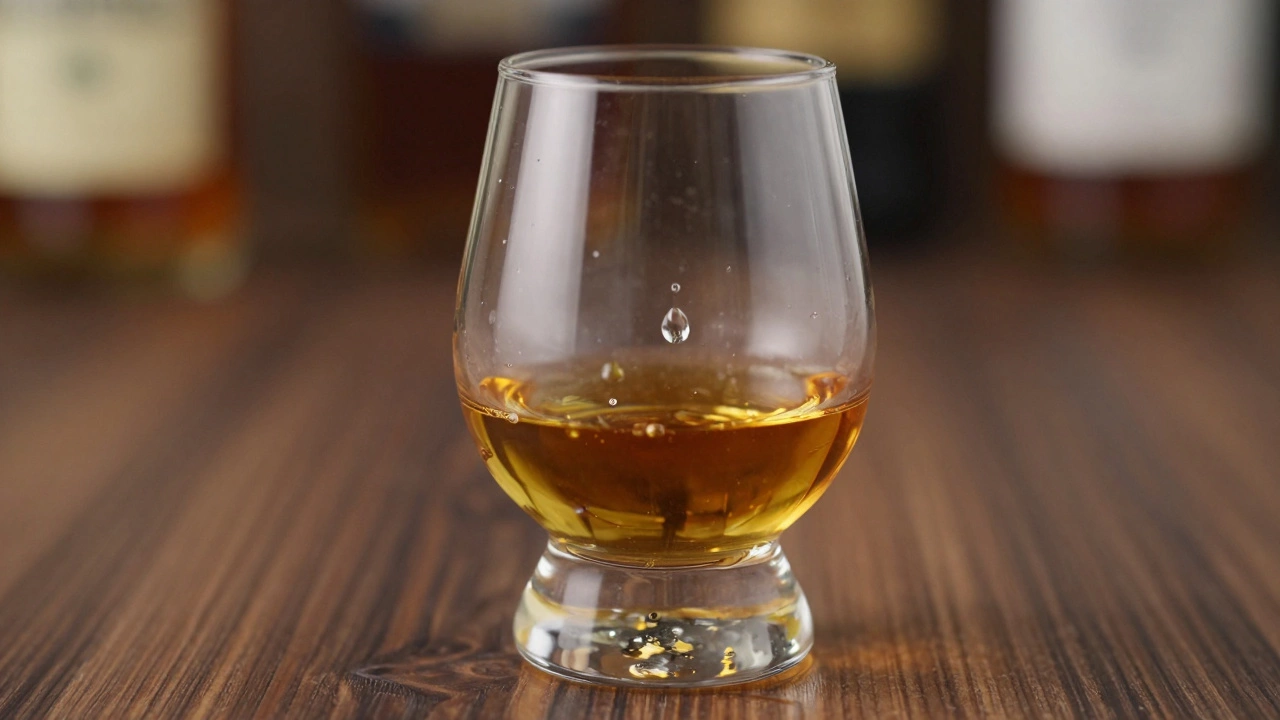
You don’t need to tough it out. In fact, trying to ignore the burn often makes the experience worse. The solution is simple dilution. Adding water changes the chemistry of the liquid. Master Blender Dr. Jim Beveridge explains that adding just a few drops of room-temperature water releases aromatic compounds that remain locked at higher alcohol concentrations. This process lowers the surface tension of the whiskey, allowing the aromas to escape into your nose. Since much of what we perceive as "taste" is actually smell, this small step transforms the drink from harsh to approachable.
- Start with ice: If water feels too intimidating, start with one ice cube. It chills the spirit, numbing the burn slightly while slowly diluting the alcohol.
- Add water gradually: Try 6-8 drops of spring water per ounce of whiskey. Stir gently and smell again.
- Breathe through your mouth: When sipping, keep your mouth slightly open. This allows air to mix with the liquid, softening the alcohol impact on your tongue.
The Four Main Flavors You Will Encounter
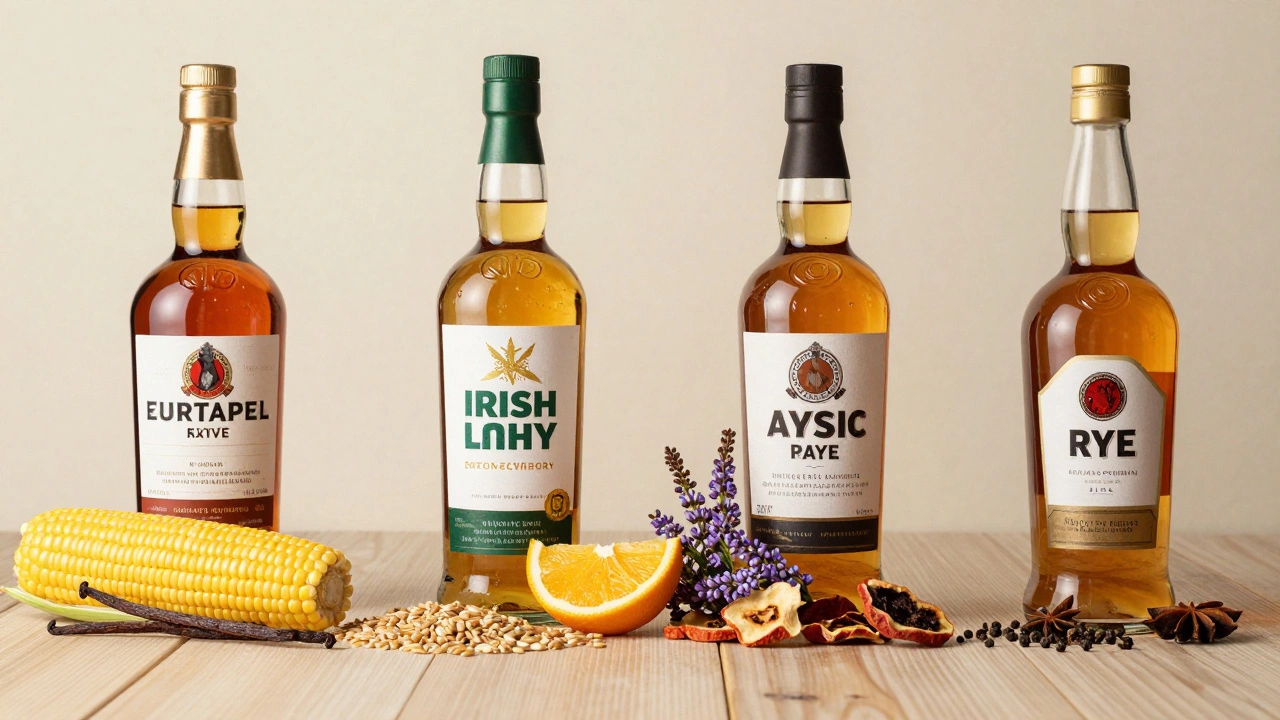
Whiskey is not a single flavor profile. It varies wildly depending on the grain used, where it was made, and how long it aged in oak barrels. For beginners, understanding these four main categories helps you choose a bottle that matches your preferences rather than guessing blindly.
| Type | Primary Grain | Key Flavor Notes | Beginner Friendliness |
|---|---|---|---|
| Bourbon | Corn (min. 51%) | Caramel, Vanilla, Honey, Oak | High (Sweet & Smooth) |
| Irish Whiskey | Malted Barley | Citrus, Light Malt, Floral | High (Light & Clean) |
| Scotch (Unpeated) | Malted Barley | Fruit, Heather, Subtle Smoke | Medium (Complex) |
| Rye Whiskey | Rye (min. 51%) | Spice, Pepper, Dried Fruit | Low (Bold & Sharp) |
Bourbon: The Sweet Entry Point
If you like sweetness, bourbon is your best friend. Made primarily from corn, bourbon naturally develops notes of caramel, vanilla, and honey during aging in new charred oak barrels. Buffalo Trace and Maker's Mark are excellent starting points. They sit around 45% ABV but feel smoother because the corn sugar balances the alcohol heat. Many beginners report tasting "warm dessert" rather than liquor when drinking these styles.
Irish Whiskey: The Smooth Alternative
Irish whiskey is triple-distilled, meaning it goes through the distillation process three times instead of two. This extra step removes more impurities, resulting in a lighter, cleaner spirit. Jameson is the classic example here. It lacks the heavy oakiness of bourbon and offers subtle hints of citrus and malt. It is incredibly versatile and works well neat or with a splash of soda if you still find straight whiskey too intense.
Scotch Whisky: The Complex Choice
Scotch can be tricky. Some is heavily peated (smoked), which tastes like medicinal campfire smoke. Avoid these initially. Instead, look for "unpeated" or "light" Scotch from regions like Speyside. Glenlivet 12 Year Old is a safe bet. It offers floral and fruity notes with minimal smoke. While it may seem less flavorful than bourbon at first glance, it rewards patience with a longer, more interesting finish.
How to Taste Whiskey Like a Pro (Without the Jargon)
You don’t need a fancy degree to appreciate whiskey. You just need a routine. The Society of Whiskey Writers’ 2023 report found that beginners who follow a structured tasting method develop flavor recognition 47% faster than those who just sip randomly. Here is the simplest way to do it.
- Look: Pour a small amount (about 30ml) into a glass. Hold it up to the light. Lighter colors often mean less time in oak or older casks that were previously used for sherry or wine. Darker amber suggests strong oak influence, which brings vanilla and spice.
- Nose: Don’t stick your nose deep into the glass and inhale hard. That blasts alcohol fumes into your brain. Instead, hold the glass under your nose and take short, gentle sniffs. Try to identify one thing: Is it sweet? Fruity? Woody?
- Taste: Take a small sip. Let it coat your tongue. Notice where you feel the sweetness (tip of the tongue) and where you feel the bitterness or alcohol (sides and back).
- Finish: Swallow and wait. How long do the flavors last? A quick fade means a simpler spirit. A finish that lingers for 15-30 seconds with evolving notes indicates higher quality and complexity.
Essential Tools for Your First Bottle
You might think you need expensive gear to start, but you really only need two things: the right glass and room-temperature water.
Standard tumblers (rocks glasses) are wide and flat, which lets the alcohol evaporate quickly. This concentrates the burn and scatters the aroma. A Glencairn glass is shaped like a tulip. The narrow top traps the aromas and directs them into your nose, while the wider base allows you to swirl the whiskey without spilling. Studies show these glasses concentrate aromas 23% more effectively than standard tumblers. They are inexpensive and available online or at most liquor stores.
Keep a carafe of filtered spring water nearby. Tap water with heavy chlorine can clash with delicate whiskey notes. Spring water is neutral and enhances the spirit’s natural character. Remember, adding water is not cheating; it is part of the tasting ritual for many experts.
Common Mistakes Beginners Make
Even with the right bottle, bad habits can ruin the experience. Here is what to avoid.
- Buying the most expensive bottle: Price does not equal beginner-friendliness. A $100 single malt might be fantastic, but its complexity can overwhelm a new palate. Stick to the $30-$60 range for your first few bottles. As Doc Swinson notes in his 2023 guide, you want quality, not prestige.
- Drinking too fast: Whiskey is a slow drink. Limit yourself to one or two ounces per session. Palate fatigue sets in quickly, making everything taste like alcohol after a while.
- Ignoring the nose: If you skip the smelling step, you miss half the flavor. Your olfactory senses are far more sensitive than your taste buds. Trust your nose.
- Chasing the burn: Some people think pain equals quality. It doesn’t. If it hurts, add water. Good whiskey should be enjoyable, not punishing.
Building Your Palate Over Time
Your ability to taste whiskey improves with practice. Most beginners report significant improvement within 4-8 weeks of regular, mindful tasting. Start with sweet bourbons or smooth Irish whiskeys. Once you can easily distinguish vanilla from oak, try a lightly peated Scotch. Eventually, you might explore rye whiskey for its spicy kick.
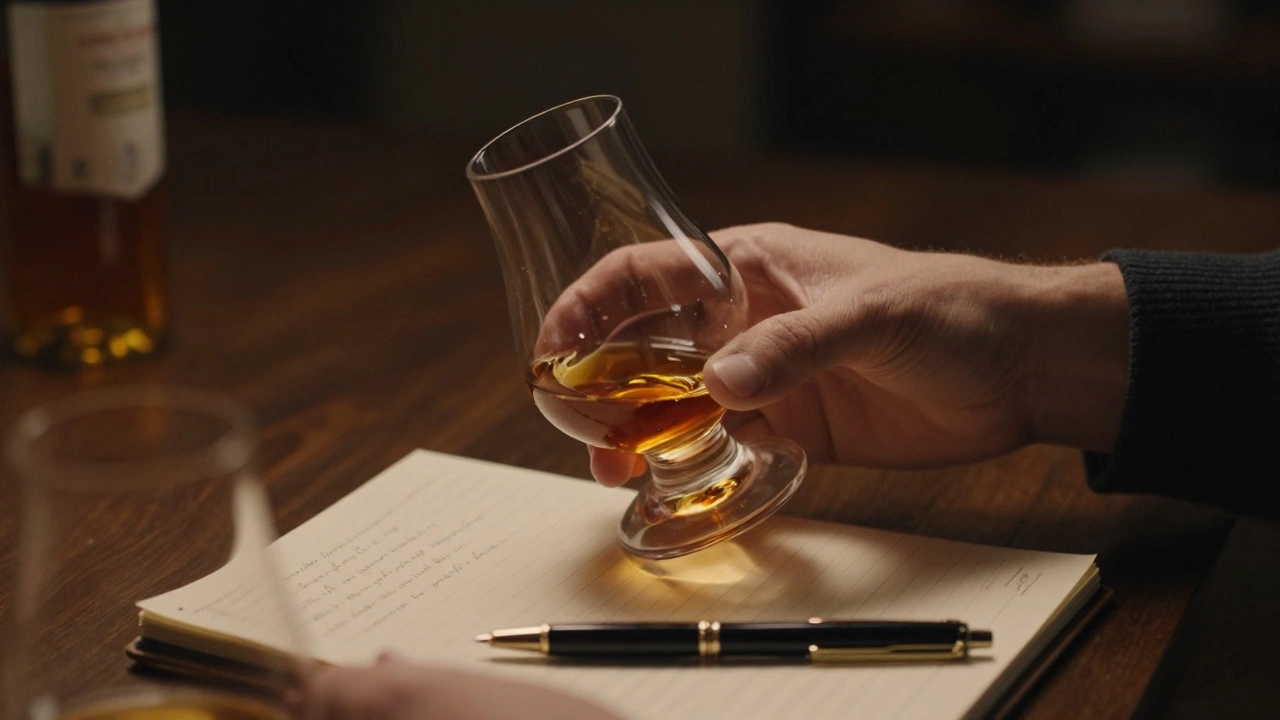
The key is consistency. Treat tasting like a hobby, not a challenge. Keep a simple notebook or use a notes app on your phone to write down what you tasted. Did you notice citrus? Honey? Smoke? Writing it down forces your brain to engage with the flavors rather than just reacting to the alcohol.
Is it normal for whiskey to burn my throat?
Yes, it is completely normal, especially for beginners. Whiskey typically has an alcohol content of 40-50%, which stimulates pain receptors in the throat. This sensation decreases as your palate adapts over time. To reduce the burn immediately, add a few drops of water or an ice cube to your drink. This dilutes the alcohol and releases smoother flavor compounds.
What is the best whiskey for a complete beginner?
Bourbon is generally considered the best starting point due to its sweet, approachable flavor profile. Bottles like Buffalo Trace or Maker's Mark offer notes of caramel and vanilla that mask the alcohol heat. Irish whiskey, such as Jameson, is another excellent choice because it is triple-distilled, resulting in a lighter, smoother spirit with less intensity.
Should I add water to my whiskey?
Absolutely. Adding water is a recommended technique, not a mistake. A few drops of room-temperature water break the surface tension of the whiskey, releasing aromatic compounds that were previously trapped. This makes the spirit easier to smell and taste, reducing the harsh alcohol burn and highlighting subtle flavors like fruit and spice.
Do I need a special glass to taste whiskey?
While you can drink whiskey from any glass, a Glencairn glass is highly recommended for beginners. Its tulip shape traps aromas near the rim, directing them to your nose. This enhances your ability to detect flavors before you even take a sip. Standard tumblers allow aromas to escape quickly, making the alcohol burn more prominent.
How long does it take to learn to taste whiskey?
Most beginners begin to recognize distinct flavors within 4 to 8 weeks of regular tasting. The key is mindfulness. Taking the time to smell, sip, and note your impressions helps train your palate. Starting with sweeter, lower-proof whiskeys accelerates this process by making the experience more enjoyable and less overwhelming.


Categories