Gin Market Shift Simulator
Configure Your Scenario
Simulation Results
Adjust inputs and click calculate to see projected changes in gin volume compared to rising competitors.
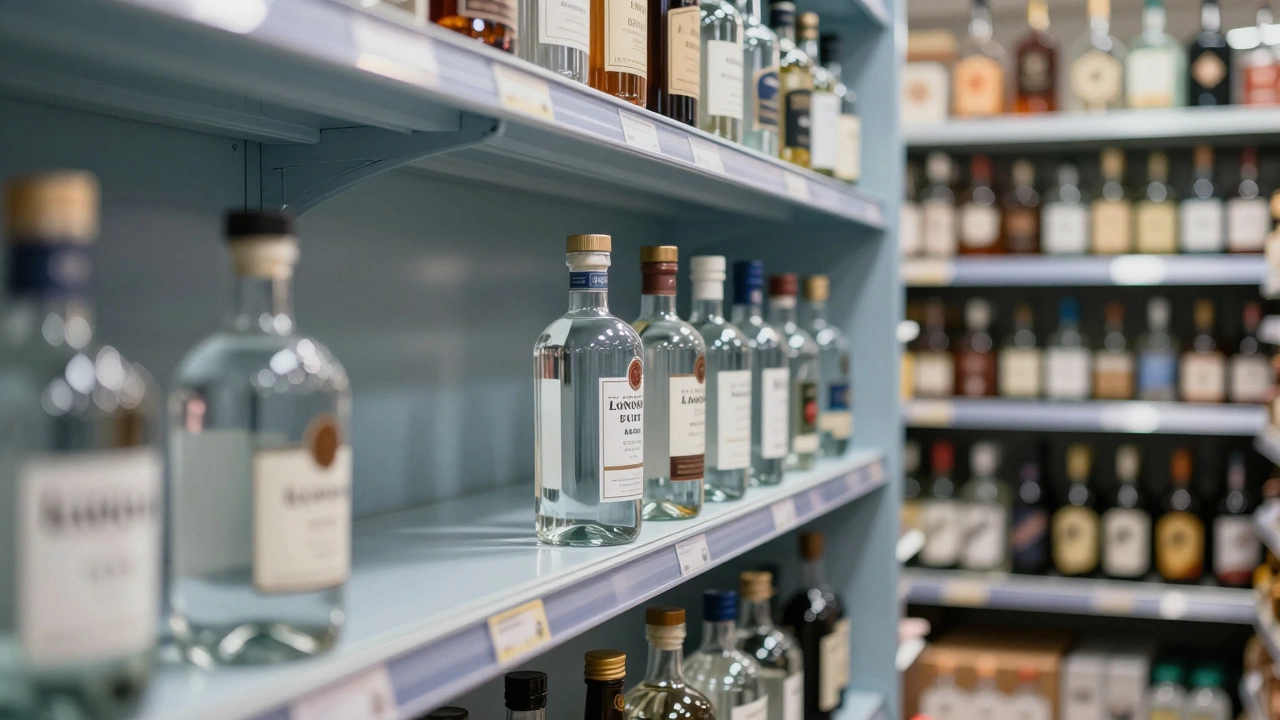
Remember when every shelf seemed to groan under the weight of pink, floral, and botanical gins? For a few years, it felt like gin was the only spirit that mattered. Then, almost overnight, the conversation shifted. Now, walking into a bar or browsing a liquor store, you might notice something different: fewer new releases, tighter selections, and bartenders pushing tequila or whisky just as hard. You are not imagining things. The data confirms what many of us have sensed at the bar-gin is declining.
In 2024, global gin volumes actually grew by about 2%, but that average hides a stark reality in mature markets. In the United Kingdom, gin volumes plummeted by 13% year-on-year, the steepest drop among all major spirits categories. Across the Atlantic, U.S. sales fell from a peak of 10.9 million cases in 2004 to just 8.3 million in 2024. This isn't a temporary slump; it is a structural shift. So, why did the "ginaissance" fizzle out, and what does this mean for the future of the spirit we once loved?
Key Takeaways
- Market Saturation: An oversupply of novelty and flavored gins led to consumer fatigue, causing retailers to cut listings significantly.
- Rising Competitors: Tequila, mezcal, and ready-to-drink (RTD) cocktails have captured the experimentation budget previously held by gin.
- Economic Pressure: Inflation has pushed consumers away from premium-plus price points, where gin saw its biggest pandemic-era gains.
- Health Consciousness: Growing awareness of alcohol units and ABV is driving demand toward lower-alcohol alternatives and no/low options.
- Quality Over Quantity: While volume drops, super-premium and classic London Dry gins remain resilient, signaling a maturation rather than extinction.
The Boom, The Bust, and The Numbers
To understand the decline, we have to look back at the boom. Between 2014 and 2019, the gin category exploded. Driven by a wave of small-batch craft distilleries and a surge in younger drinkers seeking novel flavors, gin became the poster child for modern spirits consumption. It was everywhere. From artisanal juniper blends to confectionery-inspired pinks, the market was flooded with innovation.
But growth cannot sustain itself forever without a solid foundation. By 2022, analysts were declaring the boom "officially over." The pandemic provided an artificial boost as home mixologists stocked up on premium bottles, but as life returned to normal, those habits didn't stick. According to data from the Distilled Spirits Council of the United States (DISCUS), U.S. gin sales dropped roughly 30% between 2019 and 2024. In the UK, the decline was even sharper relative to other spirits. This wasn't just a correction; it was a reckoning for a category that had expanded faster than its core audience could support.
Flavor Fatigue and Market Saturation
One of the primary drivers of this downturn is simple saturation. During the height of the trend, supermarkets and bars carried dozens, sometimes hundreds, of different gin SKUs (Stock Keeping Units). Retailers found themselves stuck with slow-moving inventory as consumers cycled through flavors and lost interest. If you visited a typical UK supermarket during the boom, you might have seen five different pink gins side-by-side. Today, those shelves have been rationalized.
This phenomenon is known as flavor fatigue. When every brand tries to differentiate itself with a unique botanical blend-think lavender, rose, cucumber, or even bubblegum-the distinctions blur. Consumers become overwhelmed and indifferent. Bartenders report that they now focus on a core range of eight to fifteen reliable gins, cutting back the long tail of niche products that rarely sell. This consolidation means that while top-tier brands survive, smaller, novelty-focused labels struggle to find shelf space, leading to an aggregate drop in total volume.
The Rise of Tequila and RTDs
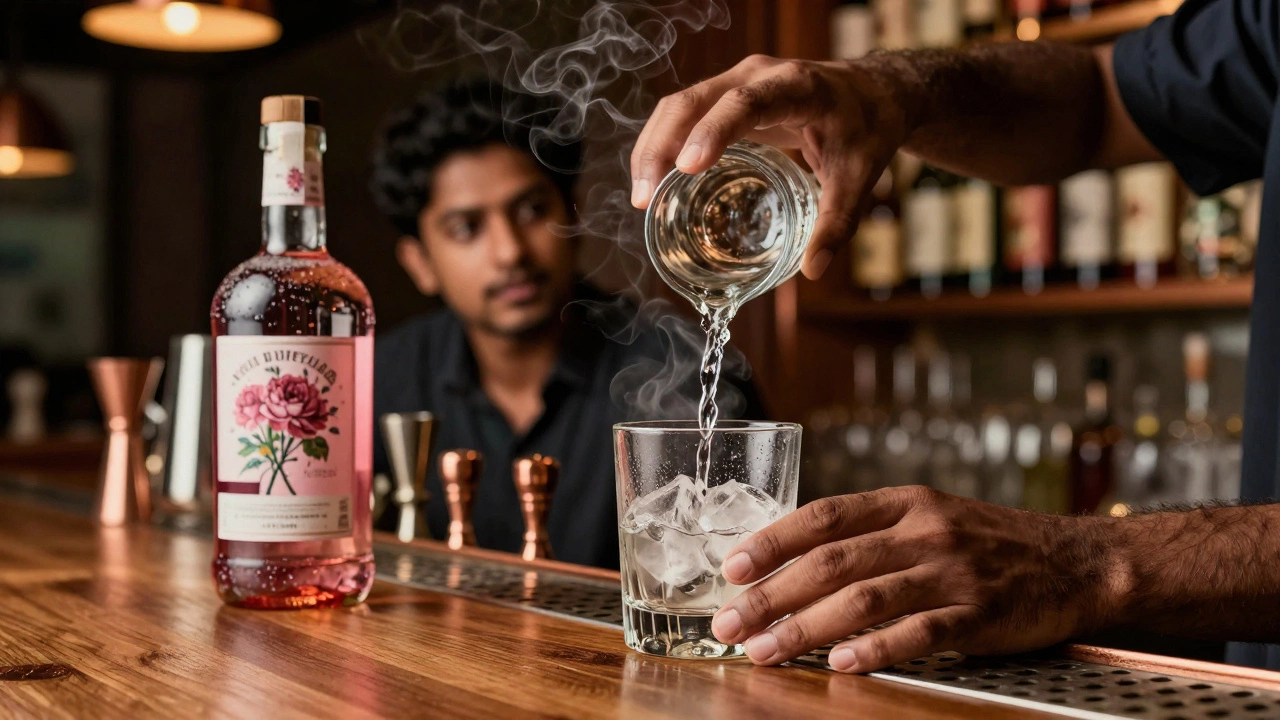
Gin didn't lose popularity in a vacuum; it lost ground to competitors. The most significant challenger is agave-based spirits. Tequila and mezcal have experienced double-digit growth over the last decade, capturing the demographic that once drove gin sales. Younger drinkers, particularly those aged 21 to 34, are less loyal to any single spirit category. They chase trends, and right now, the trend is savory, smoky, and authentic-qualities associated with tequila rather than the floral sweetness of many modern gins.
Additionally, the rise of Ready-to-Drink (RTD) cans has fragmented the market. These pre-mixed cocktails offer convenience and consistency, often featuring vodka or rum bases that appeal to casual drinkers who might not want to deal with mixing their own gin and tonic. As social drinking shifts toward easier, lower-effort formats, the ritual of crafting a complex gin cocktail feels less appealing to the mass market. This cross-category migration explains why gin’s share of the spirits pie is shrinking even as overall alcohol consumption remains relatively stable.
Economic Pressures and the Premium Trap
Let's talk money. The cost-of-living crisis since 2021 has hit the spirits industry hard, and gin took a direct hit because of its pricing structure. During the pandemic, consumers traded up, buying expensive, super-premium gins for home use. However, as inflation squeezed disposable incomes, these high-end purchases became harder to justify. Data shows that while standard gin declined earlier, the premium-plus segment saw noticeable declines post-2021 as consumers down-traded or cut back on discretionary spending.
This creates a paradox for gin producers. To stand out in a crowded market, brands often invest heavily in packaging and marketing, driving up costs. But when consumers are prioritizing value, they turn to cheaper alternatives like beer, wine, or value-tier vodkas. Gin sits in an awkward middle ground: too expensive for everyday casual sipping compared to beer, yet lacking the perceived investment value of aged whisky. This economic pressure forces brands to compete on price rather than quality, eroding the premium image that helped drive the initial boom.
Health Narratives and Moderation Trends
We cannot ignore the growing conversation around health and moderation. Public health guidelines in many countries recommend limiting alcohol intake to specific unit counts per week. A standard 700ml bottle of gin typically contains between 26 and 33 UK units of alcohol, depending on the ABV (Alcohol By Volume). For health-conscious consumers, especially younger generations mindful of their well-being, this is a significant factor.
This has spurred growth in the no/low-alcohol sector. Brands are launching non-alcoholic gins that mimic the botanical profile without the kick. While this sounds like a win for the category, it often cannibalizes full-strength sales. A consumer who switches to a zero-proof option may not return to regular gin later. Furthermore, the trend toward lighter, spritz-style drinks favors lower-ABV beverages like wine or aperitifs over the heavier, juniper-forward cocktails traditionally associated with gin. This shift reflects a broader cultural move toward mindful drinking, which naturally dampens demand for high-strength spirits.
| Spirit Category | Trend Direction | Key Driver | Primary Audience Shift |
|---|---|---|---|
| Gin | Declining (-14% US, -13% UK) | Saturation, Economic Pressure | Younger drinkers moving to agave |
| Tequila/Mezcal | Growing (+Double Digits) | Authenticity, Cocktail Culture | Millennials and Gen Z |
| Vodka | Stable/Slight Decline | Neutral Base Preference | Traditional mixed drink users |
| Whisky | Growing (Premium Segment) | Aging Population, Investment Value | Older, higher-income demographics |
What This Means for Distillery Tours and Enthusiasts
If you are passionate about gin, the decline doesn't mean the end of enjoyment-it means a refinement. With fewer mediocre options flooding the market, the remaining brands are often those with genuine craftsmanship and clear identity. This is excellent news for anyone interested in gin distillery tours. Visiting a distillery is no longer just about seeing another factory; it’s about connecting with artisans who survived the shakeout.
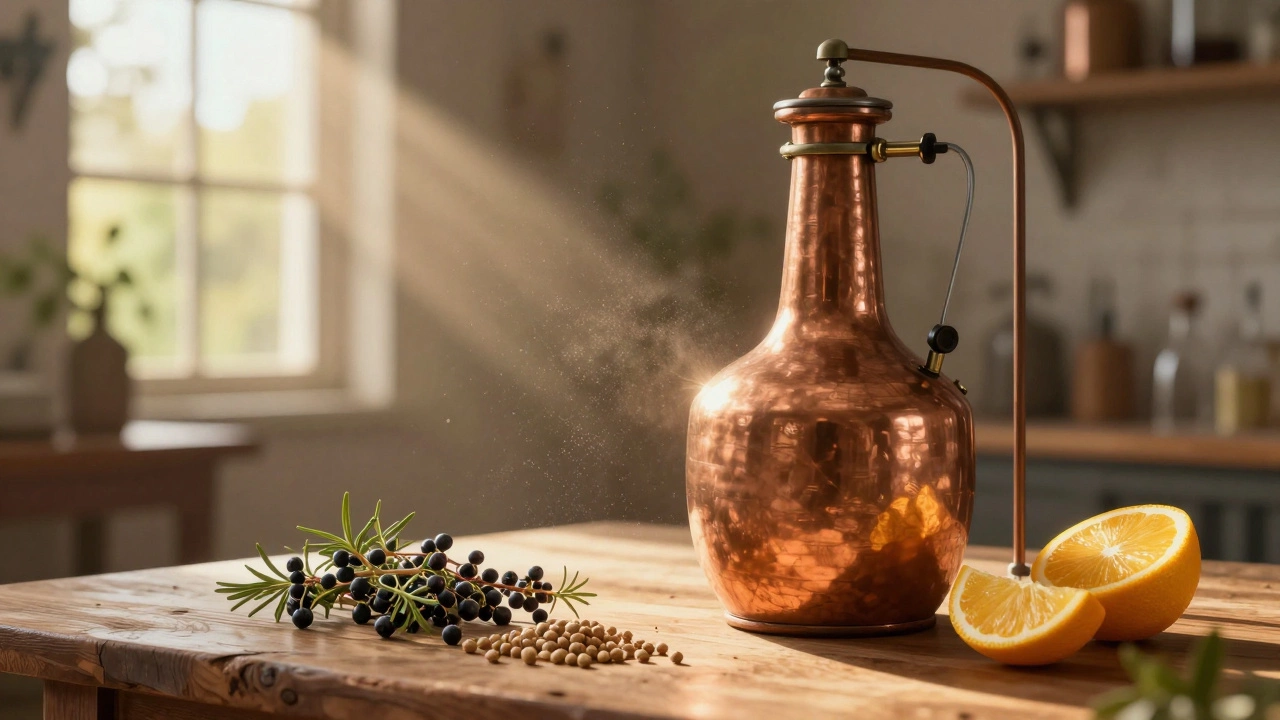
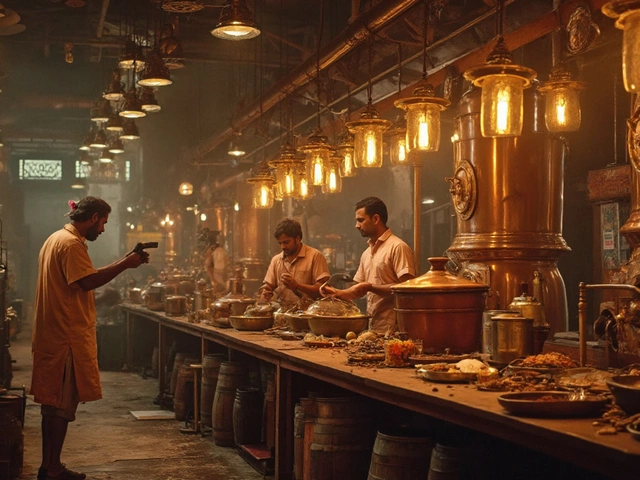
Distillery tours offer a deeper understanding of the production process, from copper stills to botanical selection. In a market saturated with shortcuts, experiencing the care that goes into a small-batch release adds immense value. Whether you are visiting a historic London Dry producer or a modern craft operation experimenting with local herbs, these experiences help bridge the gap between consumer and creator. They remind us why gin matters: not as a fleeting trend, but as a complex, versatile spirit with a rich history.
For enthusiasts, the current climate encourages exploration beyond the label. Instead of chasing the next pink gimmick, focus on provenance, technique, and balance. Talk to your bartender about classic cocktails like the Negroni or Martini, which highlight the spirit’s character rather than masking it. Support local distilleries that prioritize sustainability and community engagement. The decline of mass-market gin makes room for meaningful connections with the brands that truly deserve your attention.
Future Outlook: Stabilization or Extinction?
Is gin dying? Not exactly. It is maturing. The explosive growth phase is over, replaced by a slower, more polarized market. Super-premium segments continue to grow in value, indicating that consumers who love gin are willing to pay for quality. Emerging markets in Asia-Pacific and parts of Latin America still show potential for expansion, offsetting declines in the West. However, in mature markets like the UK and US, expect continued consolidation. Smaller brands will exit, and larger players will focus on efficiency and brand loyalty.
The future belongs to gins that offer something distinct beyond flavor novelty-perhaps a unique story, exceptional craftsmanship, or versatility in modern cocktails. For the rest of the industry, the lesson is clear: trends fade, but quality endures. As we move further into 2026, the gin landscape will be smaller, smarter, and more focused on the people who genuinely appreciate the spirit.
Why is gin losing popularity to tequila?
Tequila appeals to younger demographics seeking authenticity and savory profiles, whereas gin struggled with an oversupply of sweet, floral variants. Tequila also benefits from strong cocktail culture ties and perceived value in social settings, making it a more dynamic choice for trend-driven consumers.
Is the gin market recovering in 2026?
Recovery is uneven. While global volumes see slight growth due to emerging markets, mature markets like the UK and US continue to see declines or stagnation. The category is stabilizing rather than rebounding, with a focus on premium quality over mass volume.
How has the cost of living affected gin sales?
Inflation has forced consumers to trade down from premium-plus gins purchased during the pandemic. Many are switching to cheaper alternatives like beer or value-tier spirits, reducing the frequency of gin purchases and hurting high-margin brands.
Are gin distillery tours still worth visiting?
Yes, perhaps more than ever. With fewer low-quality brands on the market, distillery visits offer insight into genuine craftsmanship. Tours provide context for the spirit's production, enhancing appreciation and helping consumers identify high-quality products amidst the noise.
Will gin disappear completely?
No. Gin has a long history and established place in cocktail culture. While the trendy, novelty-driven segment is shrinking, core styles like London Dry and high-quality craft gins remain popular. The category is evolving, not vanishing.

Categories