Water Before Wine Tasting: Why It Matters and How to Do It Right
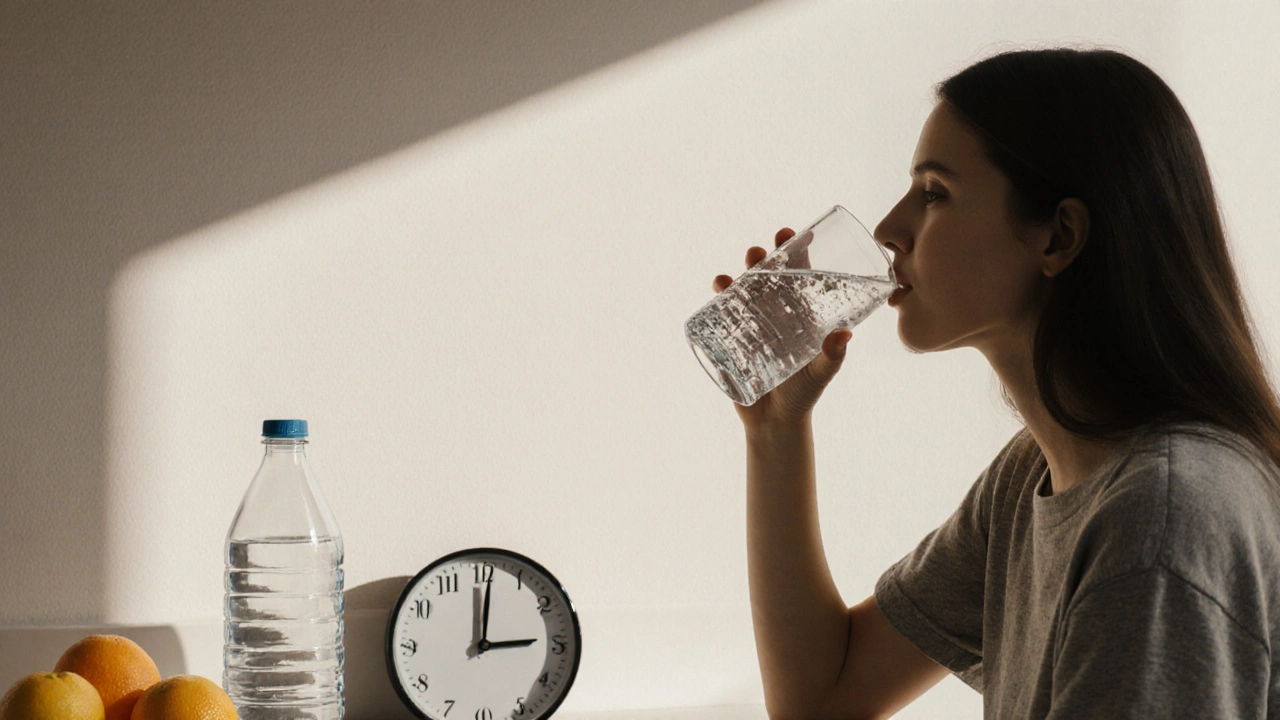
When you’re about to taste wine, what you do before, the simple act of drinking water to prepare your senses for tasting can make the difference between a good sip and a great one. It’s not just about hydration—it’s about resetting your palate so you can actually taste what’s in the glass. Many people skip this step, thinking it’s optional, but professional tasters and sommeliers treat it like a non-negotiable ritual. Without clean, cool water, your mouth carries flavors from earlier bites, coffee, or even toothpaste, which can mask the subtle notes in wine—floral hints, mineral undertones, or that crisp acidity you’re trying to catch.
Palate fatigue, the dulling of taste sensitivity after repeated exposure to strong flavors is real, and wine tasting is a marathon, not a sprint. If you jump straight from one glass to the next without rinsing your mouth, your tongue gets overwhelmed. That’s why the three S’s of wine tasting, Swirl, Smell, Sip—the foundational steps every taster learns always assume you’ve started with a clean slate. Water doesn’t just wash away residue; it reactivates your taste buds, helping you detect the difference between a bold Cabernet and a light Pinot Noir. And if you’re tasting multiple wines? Water between each one isn’t a suggestion—it’s your best tool to avoid blending flavors into a muddy mess. Skip it, and you might think you dislike a wine, when really, you just tasted it through the ghost of the last one.
It’s not just about the water itself—it’s about how you use it. Don’t gulp it down like you’re parched. Sip slowly. Swish it gently around your mouth, letting it reach every corner of your tongue and cheeks. Spit it out. Yes, spit. You’re not trying to hydrate for a workout—you’re trying to clear your palate. Some tasters even use plain crackers or bread after water to neutralize lingering fats or tannins. And don’t underestimate the power of room-temperature water. Ice-cold water can numb your taste buds too much, just like overly chilled wine can hide its complexity. The goal is balance.
Think of water before wine tasting like wiping your hands before eating. You wouldn’t dig into a steak with grease on your fingers. Don’t dive into a $50 bottle with sugar, salt, or coffee residue coating your mouth. This isn’t fancy advice—it’s basic sensory hygiene. And if you’re new to wine tasting, this one habit alone will make you feel like you’ve unlocked a secret level. You’ll start noticing flavors you never caught before. You’ll stop guessing what you’re tasting and start knowing it.
Below, you’ll find real, practical guides from people who’ve tasted hundreds of wines—some with mistakes, some with mastery. You’ll learn how many glasses are typical in a tasting session, what not to do when drinking wine, and why the simplest step—drinking water—can be the most powerful one of all.
Categories