Tea Tasting for Beginners: How to Taste Tea Like a Pro
When you start tea tasting for beginners, the simple act of drinking tea becomes a sensory experience that reveals flavors, aromas, and textures you never noticed before. Also known as tea evaluation, it’s not about drinking fast—it’s about slowing down and letting the tea speak. Most people think tea is just hot water with leaves, but the truth? There’s a whole world hidden in every cup.
Tea tasting isn’t just for experts. It’s for anyone who’s ever paused mid-sip and wondered, Why does this taste like grass? Or fruit? Or wood? The key is understanding the tea types, the four main categories—white, green, oolong, and black—each made from the same plant but processed differently. This difference changes everything: color, aroma, body, and even how long it lasts on your tongue. Then there’s tea sensory evaluation, the method professionals use to assess aroma, liquor color, mouthfeel, and aftertaste. You don’t need a lab coat, but you do need a clean palate, hot water, and five minutes of quiet focus. Think of it like tasting wine, but without the alcohol. You’re not judging quality—you’re learning what you like.
Start with one tea at a time. Use fresh, filtered water. Don’t overbrew. Let the steam rise first—smell it like you’re smelling coffee. Then take a small sip, let it roll over your tongue, and hold it for a few seconds before swallowing. Notice how the flavor changes as it cools. That’s the magic. A good green tea might start grassy, then turn sweet. An oolong might smell floral, then taste like roasted nuts. Black tea? Sometimes it’s malty. Sometimes it’s smoky. And white tea? Delicate, almost shy.
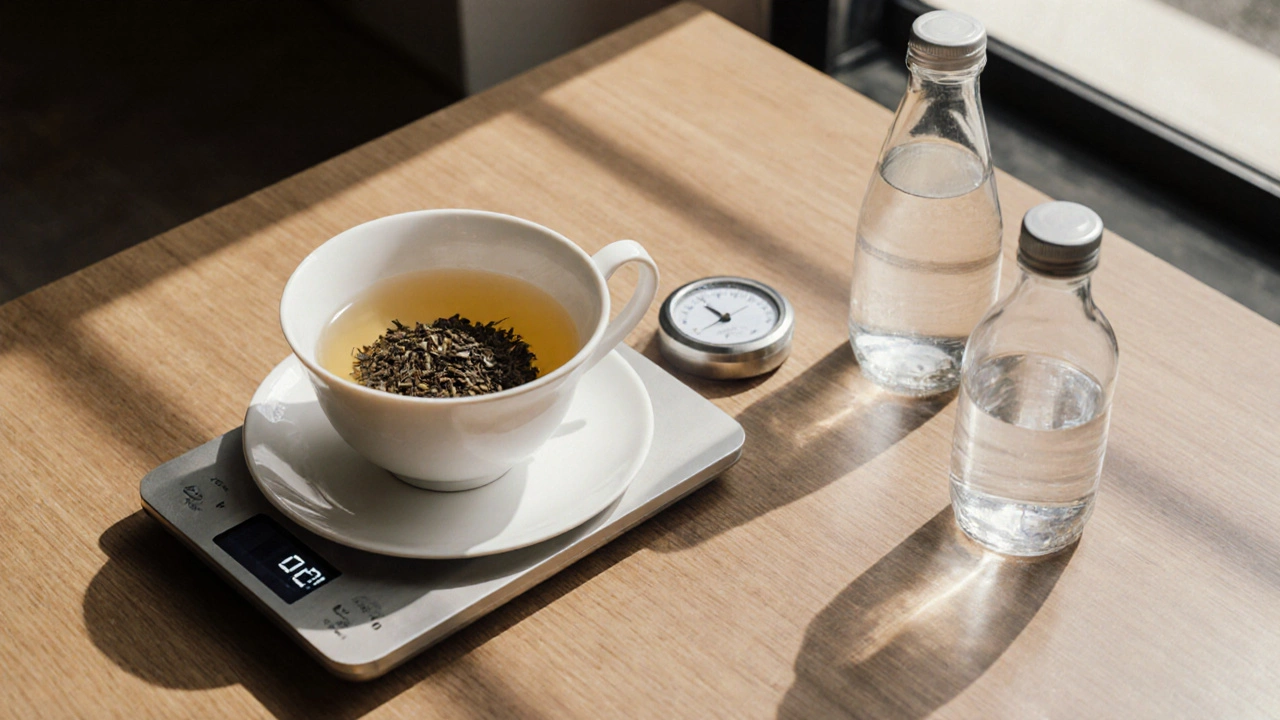
You’ll find that tea tasting doesn’t require expensive gear. A simple cup, a timer, and a notebook are enough. Write down what you taste. No right or wrong answers—just your truth. Over time, you’ll start recognizing patterns. You’ll know why a Darjeeling tastes different from a Keemun. Why a Japanese sencha feels crisp while a Chinese Longjing feels creamy. And you’ll stop reaching for the same tea every morning.
This collection of posts doesn’t just tell you how to taste tea—it shows you how to pay attention. Whether you’re trying to skip caffeine, find a calming ritual, or just understand why your friend raves about pu-erh, you’ll find real, no-fluff guidance here. No myths. No pretense. Just clear, practical steps to turn your next cup into something worth savoring.





Categories