Tea Mouthfeel: Understanding Texture, Body, and Sensory Experience in Every Sip
When you sip tea, what you feel in your mouth matters just as much as what you taste. This is tea mouthfeel, the physical sensation of tea as it moves across your tongue, cheeks, and throat. Also known as tea body, it’s what makes a green tea feel light and crisp, while a pu-erh feels thick and syrupy. It’s not about sweetness or bitterness—it’s about weight, silkiness, astringency, and how long the sensation lingers.
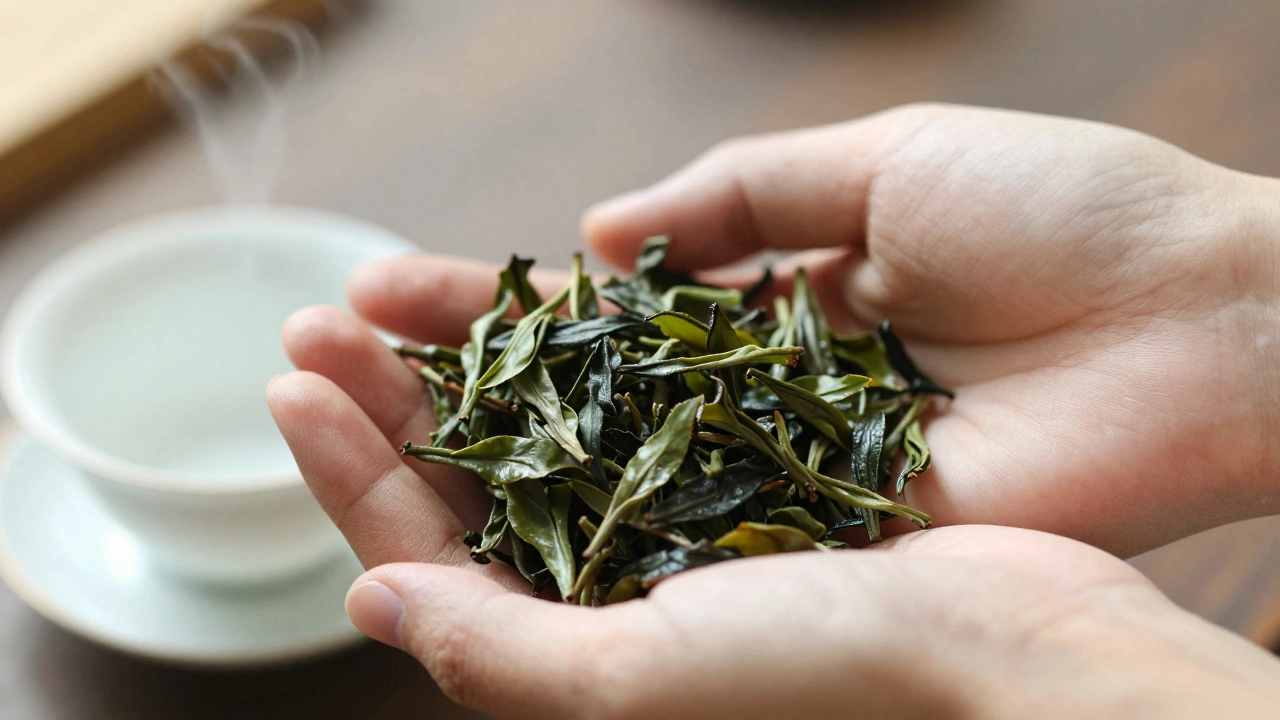
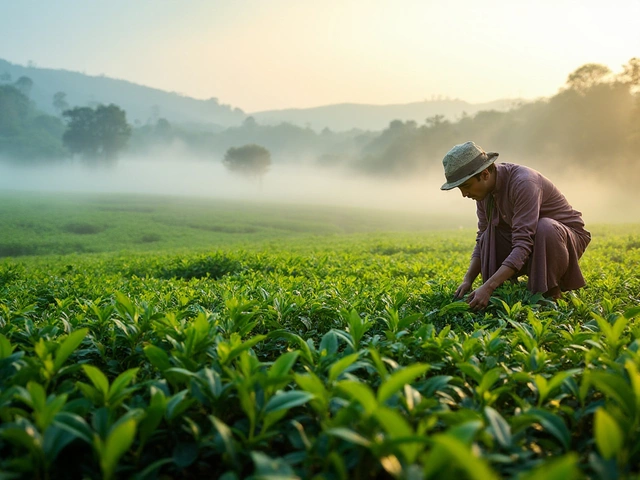
Tea mouthfeel doesn’t happen by accident. It’s shaped by tea processing, how leaves are rolled, oxidized, and dried, by growing conditions, altitude, soil, and rainfall, and by brewing method, water temperature, steep time, and leaf-to-water ratio. A poorly brewed oolong can feel harsh and dry. The same tea, brewed right, can feel like velvet. That’s mouthfeel at work.
People who taste tea seriously don’t just smell it or sip it—they pay attention to how it coats their mouth. Is it thin like water? Heavy like cream? Does it leave a drying feeling, like biting into an unripe banana? That’s tea mouthfeel telling you something about quality, origin, and care. It’s why two teas with the same flavor notes can feel completely different. One might make you want another sip right away. The other might make you pause, wondering why it feels so flat.
Tea tasting isn’t about fancy tools or years of training. It’s about noticing. You don’t need a lab. Just a quiet moment, a clean cup, and your own senses. When you slow down and focus on texture—not just flavor—you start to see how tea changes from one region to another, one harvest to the next. You’ll notice how a high mountain Darjeeling feels bright and clean, while a Yunnan black tea feels deep and earthy. You’ll understand why some teas leave your tongue tingling, while others feel smooth all the way down.
What follows is a collection of posts that explore how tea is tasted, how texture shapes experience, and why the way a tea feels in your mouth tells you more than any label ever could. Whether you’re new to tea or you’ve been drinking it for years, these guides will help you taste deeper, feel more, and enjoy every sip with clarity.




Categories