Tea Cupping: How to Taste Tea Like a Pro
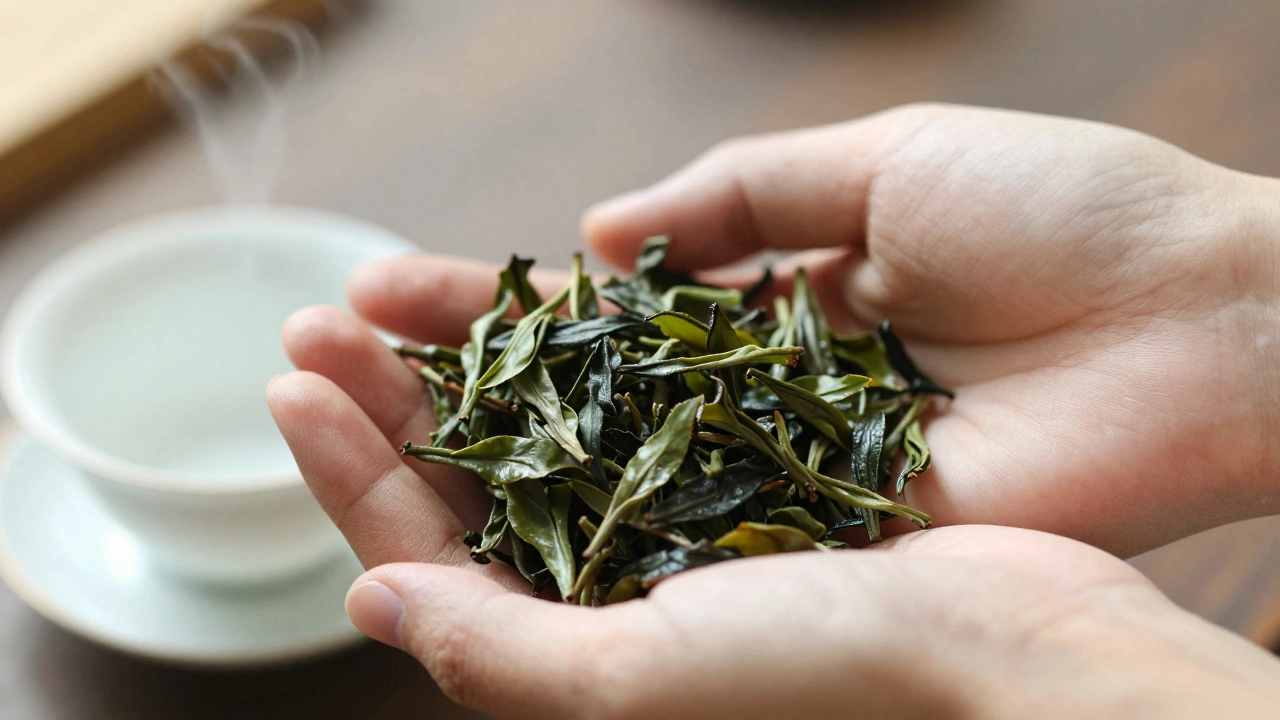
When you hear tea cupping, a standardized method used by tea experts to evaluate flavor, aroma, and quality by steeping leaves in hot water and assessing every sensory detail. It’s not fancy—it’s how professionals tell the difference between a dull bagged tea and a single-origin Darjeeling that tastes like spring rain. You don’t need a degree in botany or a $200 teapot. You just need to slow down, smell, sip, and pay attention.
tea tasting, the practice of consciously experiencing tea’s flavor profile through sight, smell, taste, and mouthfeel is the heart of tea cupping. It’s not about drinking tea to quench thirst—it’s about discovering what’s in your cup. The same leaf can taste floral, earthy, or smoky depending on where it grew, how it was processed, and how long it steeped. tea evaluation, the systematic process of scoring tea based on appearance, infusion color, aroma, taste, and aftertaste turns that experience into something repeatable. Experts use it to grade teas for sale, but you can use it to find your favorite.
What makes one tea better than another? It’s not price. It’s not brand. It’s tea sensory analysis, the focused observation of how tea interacts with your senses—how the aroma rises when steam hits your nose, how the texture coats your tongue, how the flavor lingers or fades. That’s why tea cupping isn’t about drinking a cup while scrolling through your phone. It’s about holding the cup, breathing in deeply, taking a small sip, letting it roll over your tongue, and noticing what changes as it cools. You’ll find that a green tea might start sweet but end with a sharp, grassy bite. A black tea might taste fruity at first, then reveal a hint of smoke. That’s the tea talking.
And you don’t need to be an expert to do it. The people writing the guides below? They started exactly where you are—curious, maybe a little unsure, but willing to try. They tested teas in their kitchens, with borrowed mugs, and without fancy tools. They learned by doing. What you’ll find here aren’t theories. They’re real, step-by-step ways to taste tea better—whether you’re drinking oolong, white tea, or a bold Assam. No jargon. No fluff. Just what works.



Categories