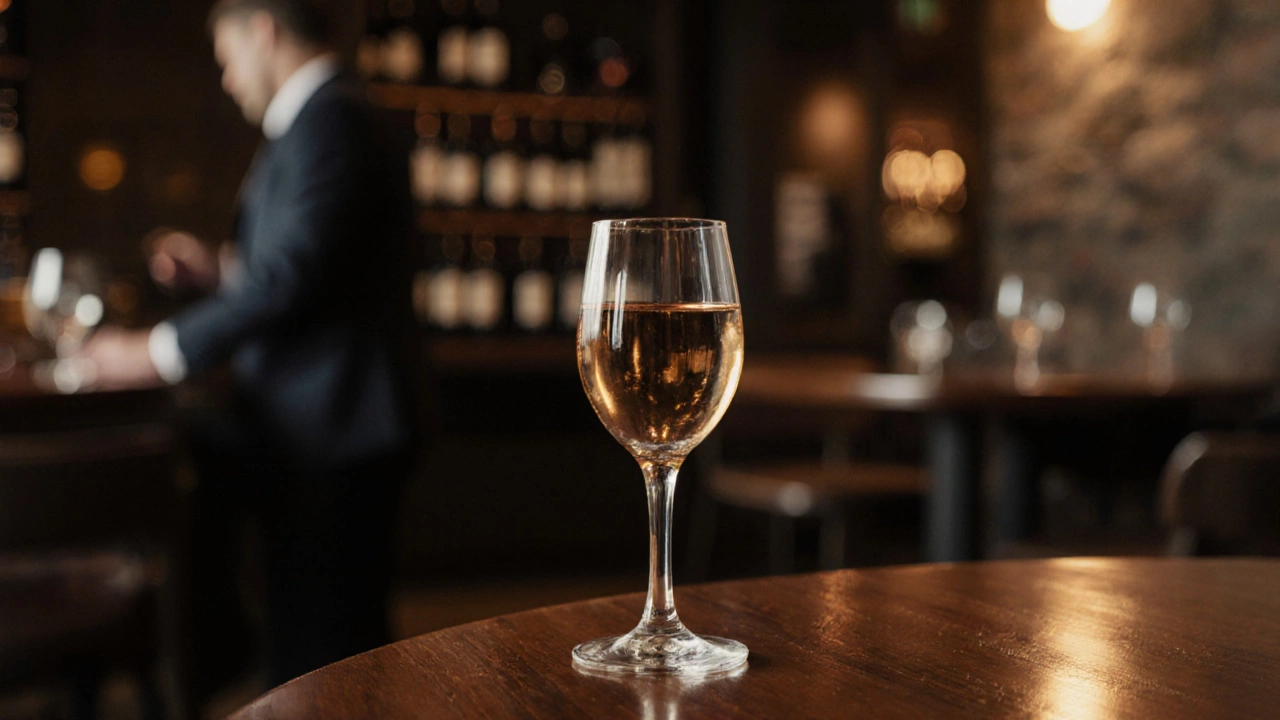
Typical Number of Wine Glasses per Tasting Session
Posted On October 20, 2025 0Learn how many glasses are typically used in a wine tasting, why the number varies, and practical tips for planning a seamless tasting experience.
When talking about tasting glass count, the number of glasses used during a tasting session to evaluate drinks accurately. Also known as glass count, it directly affects how well you can compare flavors. Wine tasting often recommends three to five glasses, while cocktail tasting may need just one or two, depending on the complexity. Spirit tasting usually calls for a single, smaller glass to keep the alcohol impact low. Finally, whiskey tasting often uses a nosing glass followed by a sipping glass, making the count two. Understanding these relationships helps you set up a tasting that’s both enjoyable and reliable.
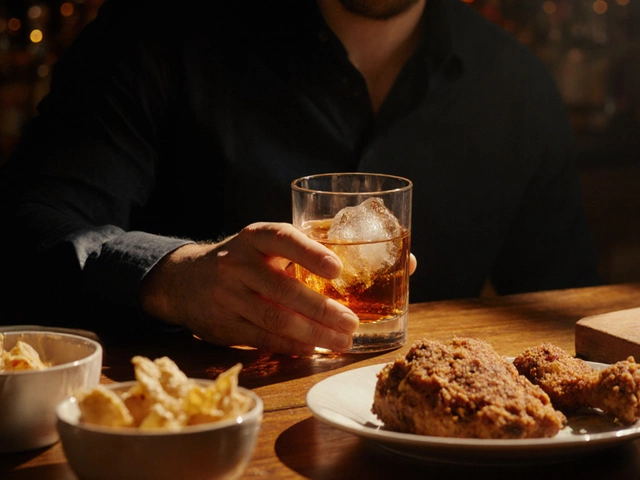
The main goal of any tasting is to let your palate focus on the drink, not the distraction of the vessel. A proper wine tasting glasses lineup, for example, lets you rinse your palate between pours, note aromas clearly, and avoid cross‑contamination. In cocktail tasting, too many glasses can dilute the experience, while too few may lead to overwhelming alcohol levels. Spirit tasting benefits from a single, compact glass because it forces you to sip slowly and notice subtle notes. Whiskey tasting embraces a two‑glass approach: the first concentrates the nose, the second captures the finish. Each of these scenarios shows that the tasting glass count influences accuracy, comfort, and the depth of insight you gain from the drink.
Another important factor is the order of presentation. In wine tasting, the classic progression from light to full‑bodied wines often requires a fresh glass for each sample. This prevents lingering flavors from skewing your judgment. Cocktail tasting, on the other hand, may follow a theme—like “citrus‑forward” drinks—where a single glass can be rinsed with water between sips. Spirit tasting usually sticks to a single glass because the high alcohol content can quickly fatigue the palate; a smaller glass reduces that risk. Whiskey tasting’s two‑glass method separates aroma evaluation from flavor evaluation, letting you capture both aspects without mixing them. These patterns illustrate how the tasting glass count connects to the structure of the tasting itself.
Practical tips for setting the right count are simple. First, write down the number of drinks you’ll sample. For wine, allocate one glass per wine plus a spare for a palate cleanser. For cocktails, count the number of distinct recipes you plan to taste; if they share a base spirit, you can often reuse a single glass after a quick rinse. For spirits, one glass per spirit type is enough, but keep the size small—think a 2‑oz tasting glass. For whiskey, start with a nosing glass (often a Glencairn) and then move to a second, slightly larger sipping glass. By matching the glass count to the drink type, you keep the tasting organized and your palate sharp.
When you begin a tasting, remember that the glass count is not a rigid rule but a flexible guideline. If you’re hosting a group, extra glasses help avoid sharing and keep hygiene high. If you’re tasting at home, a minimal setup reduces cleanup and lets you focus on the flavors. The key is to align the count with the tasting’s purpose—whether you’re comparing a range of wines, exploring the nuances of a new cocktail series, or deep‑diving into a single whiskey’s profile. Below, you’ll find articles that dive into specific drinks, the science behind glass selection, and step‑by‑step guides to help you apply the right tasting glass count to your next sip.
Learn how many glasses are typically used in a wine tasting, why the number varies, and practical tips for planning a seamless tasting experience.



Categories