Sam Adams Boston Lager: What Makes This Classic Beer a Staple
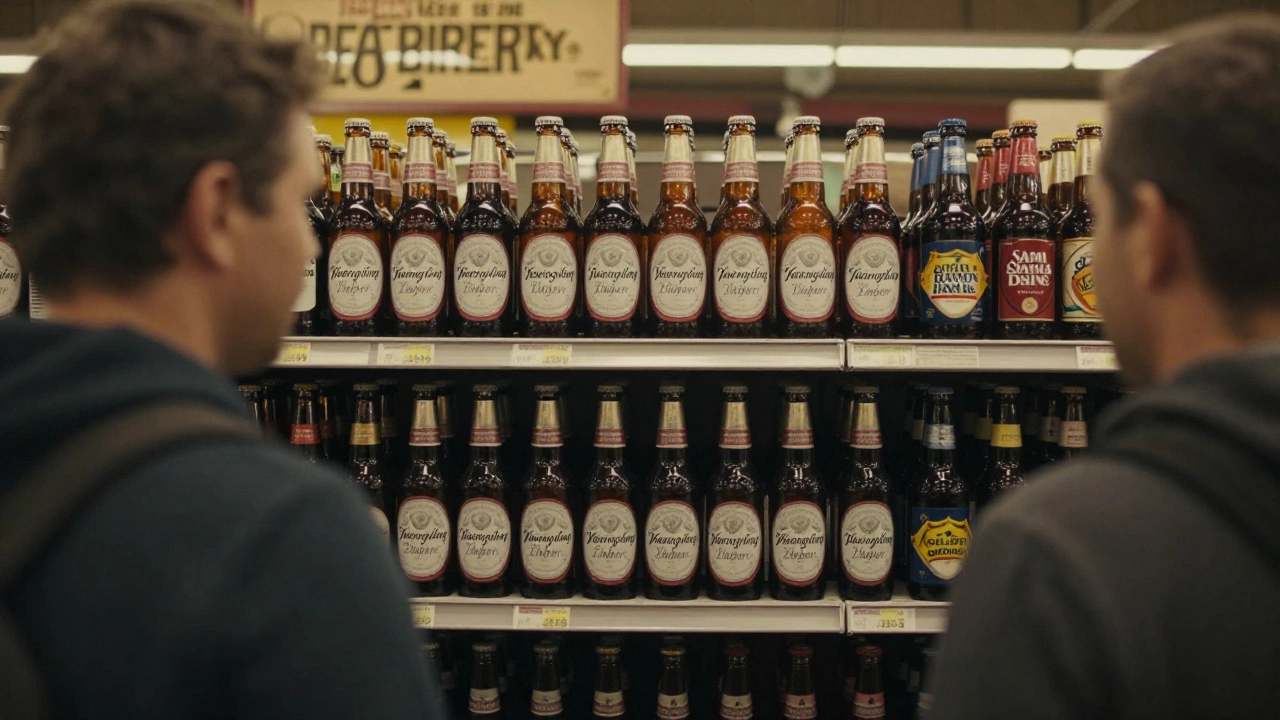
When you think of Sam Adams Boston Lager, a widely recognized American craft beer launched in 1984 by Jim Koch, known for its clean malt character and subtle hop bitterness. It's not just another lager—it's one of the first beers to prove that American drinkers would embrace flavor over mass-produced uniformity. This beer helped kickstart the craft movement by showing that quality ingredients and traditional brewing methods could compete with giants like Budweiser and Coors. It’s a beer that doesn’t try to be flashy, but it doesn’t need to—it delivers consistency, balance, and a taste that’s stood the test of time.
American lager, a category defined by light to medium body, crisp finish, and moderate hop presence is often misunderstood as bland. But Sam Adams Boston Lager proves otherwise. It uses two-row barley, Hallertau and Tettnang hops, and a lager yeast strain that ferments slowly at cool temperatures—methods borrowed from Germany but adapted for American taste. Unlike many light lagers, it has real malt sweetness and a clean, slightly spicy hop finish. That’s why it shows up in beer tastings, pairing guides, and even competitions like the World Beer Championships, a respected annual event that ranks top beers based on blind tasting by expert judges. It’s not always the winner, but it’s always in the conversation.
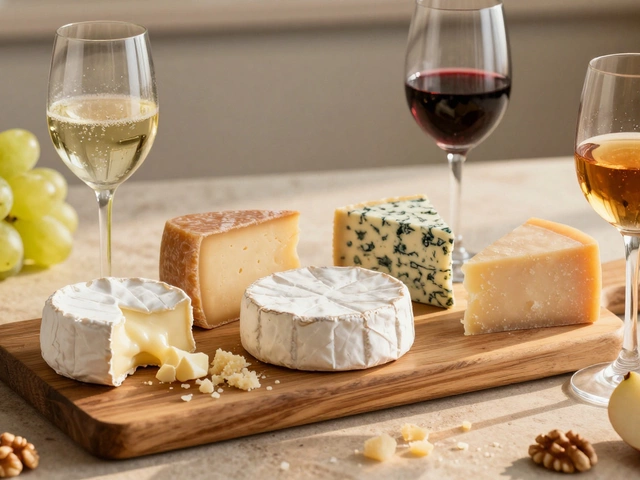
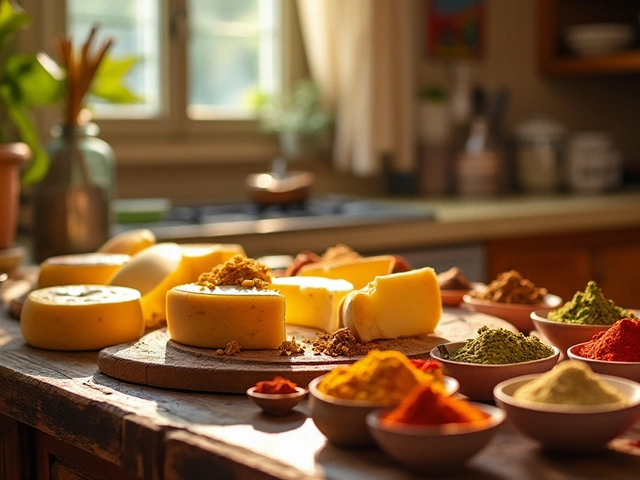
People don’t drink Sam Adams Boston Lager because it’s trendy. They drink it because it’s reliable. It’s the beer you grab after a long day, the one you bring to a barbecue when you want something easy but still interesting. It pairs well with grilled chicken, pretzels, or even a sharp cheddar—making it a quiet hero in the world of beer and cheese pairing, a tradition where the saltiness and fat of cheese balance the carbonation and bitterness of beer. You won’t find 47 botanicals or barrel aging here. But you will find a beer made with care, using time-tested methods, and brewed with the kind of confidence that only comes from decades of doing one thing well.
Below, you’ll find posts that explore how this beer fits into the bigger picture—from what makes a great lager, to how beer competitions work, to why some brews become icons while others fade. Whether you’re curious about brewing costs, tasting techniques, or the science behind alcohol and flavor, there’s something here for anyone who’s ever raised a glass and wondered, "Why does this taste so good?"

Categories