How to Taste Tea: Learn the Simple Steps and What Really Matters
When you how to taste tea, the process isn’t about pretending to be a sommelier—it’s about noticing what your senses actually pick up. Also known as tea sensory evaluation, it’s just paying attention to the smell, the warmth, the aftertaste, and how your body reacts. You don’t need expensive gear or years of training. You just need a clean cup, hot water, and five minutes to slow down.
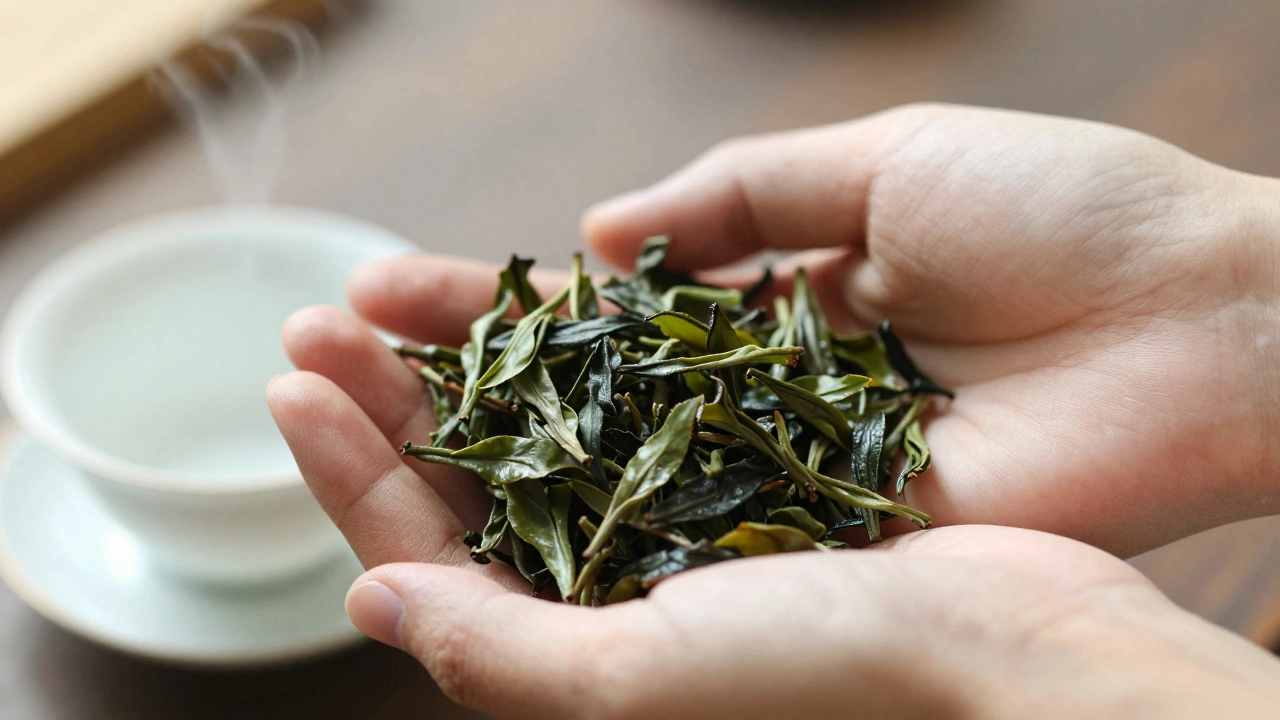
Tea tasting isn’t about guessing if it’s "earthy" or "floral" like some guidebook says. It’s about noticing if your mouth feels dry after a sip, if the bitterness lingers too long, or if the steam smells like fresh grass or toasted nuts. The tea flavor profiles, the natural taste variations from growing conditions, processing, and oxidation. Also known as tea characteristics, these differences are what make green tea taste bright and grassy, while black tea feels rich and smoky. Then there’s the tea tasting steps, the simple sequence of looking, smelling, sipping, and pausing. Also known as tea evaluation method, this isn’t a ritual—it’s a habit you build by doing it again and again. Most people skip the smell or rush the sip. But the real clues are in the steam before the first drop touches your tongue.
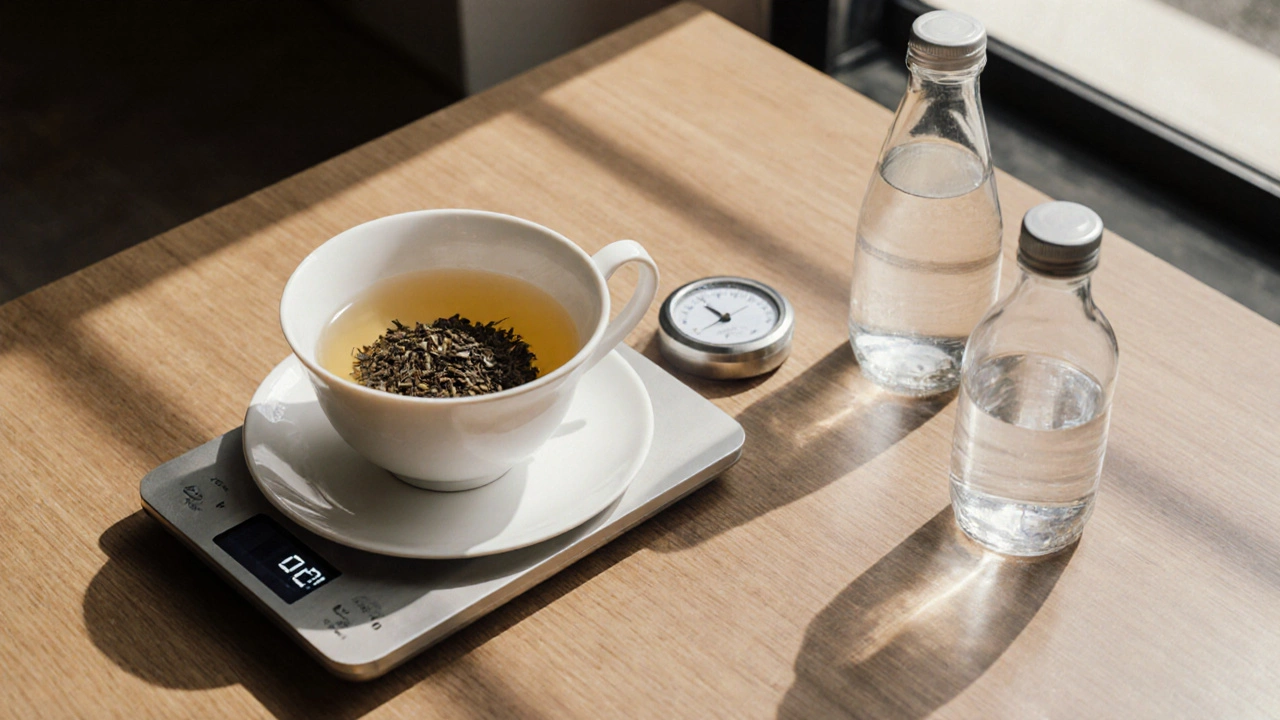
Water temperature changes everything. Boiling water on black tea? Fine. On green tea? It burns the leaves and kills the delicate sweetness. That’s why some teas taste bitter not because they’re bad, but because they were treated wrong. Even the cup matters—thin ceramic holds heat better than thick mugs, and the shape affects how the aroma rises. You don’t need a whole tea set, but you do need to notice these small things.
What you’re really doing when you taste tea is learning your own preferences. Maybe you like the sharpness of a high-mountain oolong. Maybe you crave the deep roast of a lapsang souchong. There’s no right answer. The only mistake is not paying attention. Below, you’ll find real reviews and tasting notes from people who’ve tried dozens of teas—not to tell you what to like, but to show you what’s out there. You’ll see how one tea can taste completely different depending on how it’s brewed. You’ll learn what to look for when you pick up a new box. And you’ll start to understand why some teas make you feel calm, while others wake you up like a splash of cold water.




Categories