Gin Health Benefits: What Science Says About Premium Gin and Wellness
When you think of gin, a distilled spirit flavored with juniper berries and other botanicals, often enjoyed in cocktails or neat. Also known as juniper spirit, it’s more than just a base for cocktails—it’s a drink with a history tied to herbal medicine and modern wellness trends. Unlike sugary cocktails or heavy beers, many gins, especially premium ones like Monkey 47, a craft German gin with 47 botanicals and no added sugars, contain no artificial ingredients or sweeteners. That’s why people asking about gin health benefits, the potential positive effects of moderate gin consumption on metabolism, digestion, and inflammation aren’t just being quirky—they’re noticing a real pattern.
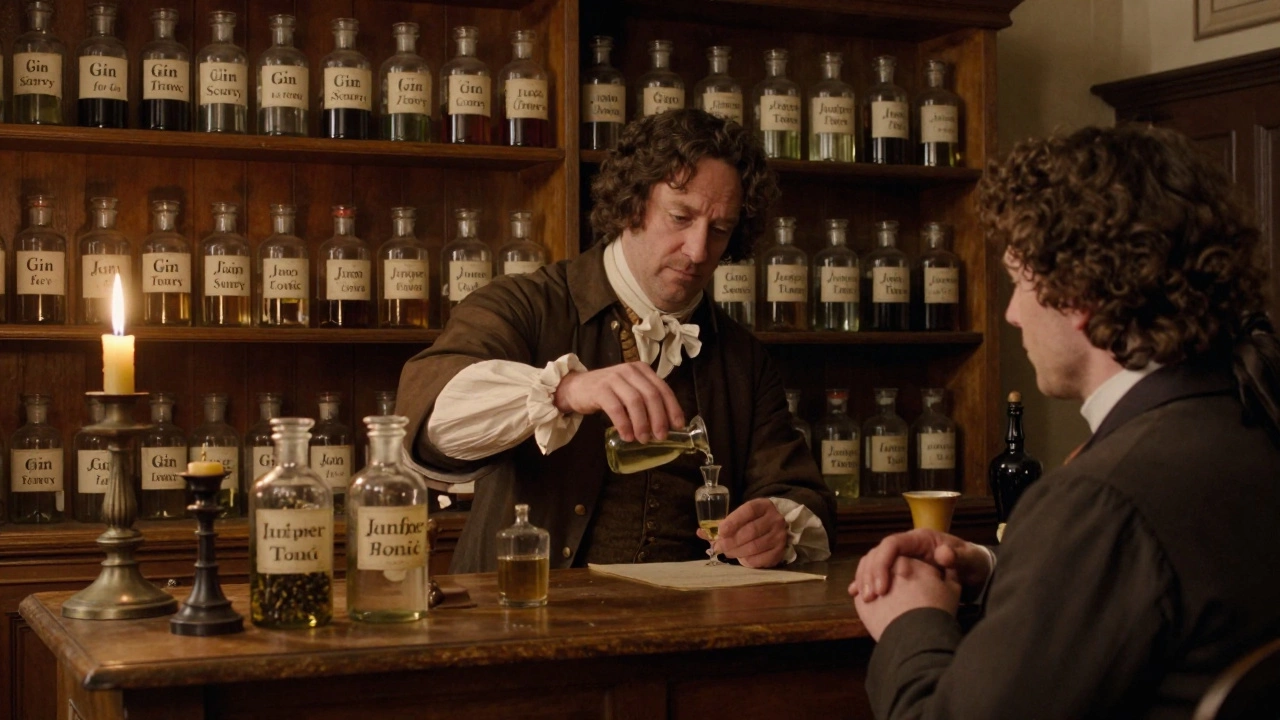
Juniper berries, the core flavor in gin, have been used for centuries in traditional medicine. Studies show they may support digestion and have mild anti-inflammatory properties. Other botanicals like coriander, angelica root, and citrus peels found in craft gins also carry antioxidants. But here’s the catch: these compounds are present in tiny amounts. You won’t get a daily dose of vitamins from a gin and tonic. The real benefit comes from drinking less and sipping slower. A 2023 review in the Journal of Nutritional Biochemistry found that moderate alcohol intake—especially low-sugar spirits like gin—was linked to better metabolic markers than sugary drinks, but only when consumed in controlled amounts. That’s why Kirkland gin, a budget-friendly option that still uses natural botanicals can be just as relevant as a $80 bottle—if you’re focused on quality over price.
What about hangovers? Spirits like gin have fewer congeners than whiskey or rum, which means fewer toxins in your system after drinking. That’s why some people report milder next-day effects with gin compared to other liquors. But hydration, sleep, and food still matter more than the type of alcohol. And if you’re avoiding alcohol entirely, non-alcoholic drinks, like mocktails or alcohol-free spirits, are now designed to mimic gin’s botanical complexity without the ethanol. Brands are using real juniper and citrus in zero-proof versions, so you don’t have to choose between taste and health.
There’s no magic pill in a bottle. Gin won’t cure anything. But if you’re someone who enjoys a slow, thoughtful drink—whether it’s neat, with tonic, or in a low-sugar cocktail—choosing a clean, botanical-rich gin might be the smartest choice in your glass. It’s not about health claims. It’s about making better decisions with what you already like to drink.
Below, you’ll find real reviews and deep dives into the gins people actually drink, how they’re made, and what separates a bottle that’s just another spirit from one that’s worth savoring.


Categories