Bottled Water Consumption: What You Really Need to Know
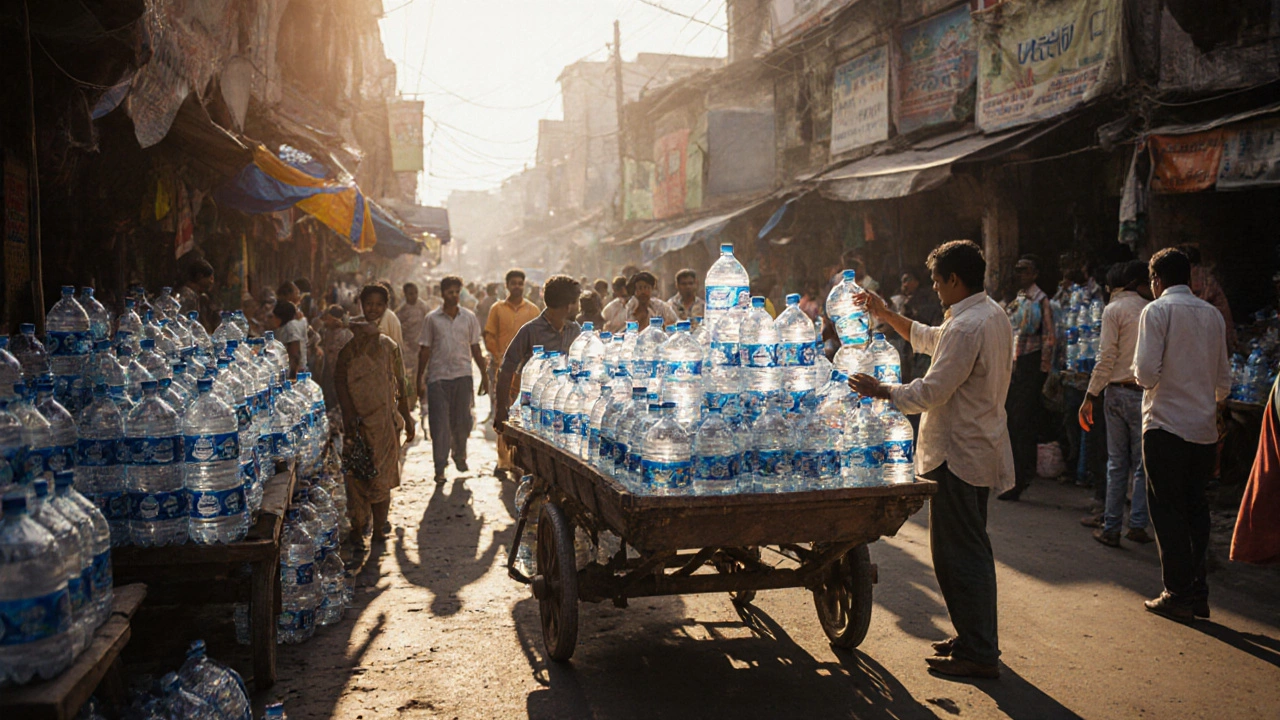
When you reach for a bottle of water, you’re not just quenching thirst—you’re taking part in a global bottled water consumption, the widespread purchase and use of packaged drinking water, often sold in single-use plastic containers. Also known as packaged water, it’s a $300 billion industry, and in many places, it’s become the default choice—even when tap water is safe. But here’s the thing: most of the time, you’re paying for convenience, not quality.
Behind every bottle is a story. plastic water bottles, single-use containers made primarily from PET plastic, designed for short-term use and often discarded after one drink fill landfills and oceans. The U.S. alone throws away over 35 billion bottles a year. And while companies claim their water is purer, many bottled brands come from municipal sources—exactly where your tap water comes from. The only difference? A label and a price tag that’s 1,000 times higher.
Then there’s hydration habits, the patterns people follow to drink fluids throughout the day, often shaped by marketing, culture, and misinformation. You’ve probably heard you need eight glasses a day. But that’s not a rule—it’s a myth. Your body tells you when it’s thirsty. Coffee, tea, even fruits and veggies contribute to your daily fluid intake. Chasing bottled water won’t make you healthier if you’re already drinking enough.
And what about water quality, the safety and composition of drinking water, whether from the tap, a filter, or a bottle? In the U.S., tap water is regulated by the EPA and tested more often than bottled water, which falls under the FDA’s looser standards. Some bottled water has more contaminants than tap. Others are just filtered tap. The real issue isn’t purity—it’s trust. And that’s something brands sell, not science.
So why do people keep buying it? Convenience, yes. But also fear—fear of tap water, fear of chemicals, fear of getting sick. In some places, that fear is real. In others, it’s manufactured. The truth? You don’t need to spend $3 on a bottle to stay hydrated. A reusable bottle and a good filter can save you money, reduce waste, and give you just as clean water.
The posts below cut through the noise. You’ll find real talk about what bottled water actually contains, how much you’re spending on it over time, why some cities have better tap than others, and how your hydration choices affect the planet. No fluff. No marketing spin. Just facts, habits, and what you need to know to make smarter choices—whether you’re sipping at home, at work, or on the go.




Categories