Ask for Mocktail: Non-Alcoholic Drinks That Taste Like Celebration
When you ask for mocktail, a non-alcoholic beverage designed to mimic the complexity and appeal of cocktails without the alcohol. Also known as zero-proof drinks, it’s no longer just for kids or people abstaining—today’s mocktails are crafted with care, using fresh herbs, house-made syrups, and artisanal non-alcoholic spirits to deliver real flavor. More people are choosing them not out of obligation, but because they want to enjoy the ritual of a well-made drink without the hangover, the calories, or the buzz.
When you ask for mocktail, a non-alcoholic beverage designed to mimic the complexity and appeal of cocktails without the alcohol. Also known as zero-proof drinks, it’s no longer just for kids or people abstaining—today’s mocktails are crafted with care, using fresh herbs, house-made syrups, and artisanal non-alcoholic spirits to deliver real flavor. More people are choosing them not out of obligation, but because they want to enjoy the ritual of a well-made drink without the hangover, the calories, or the buzz.
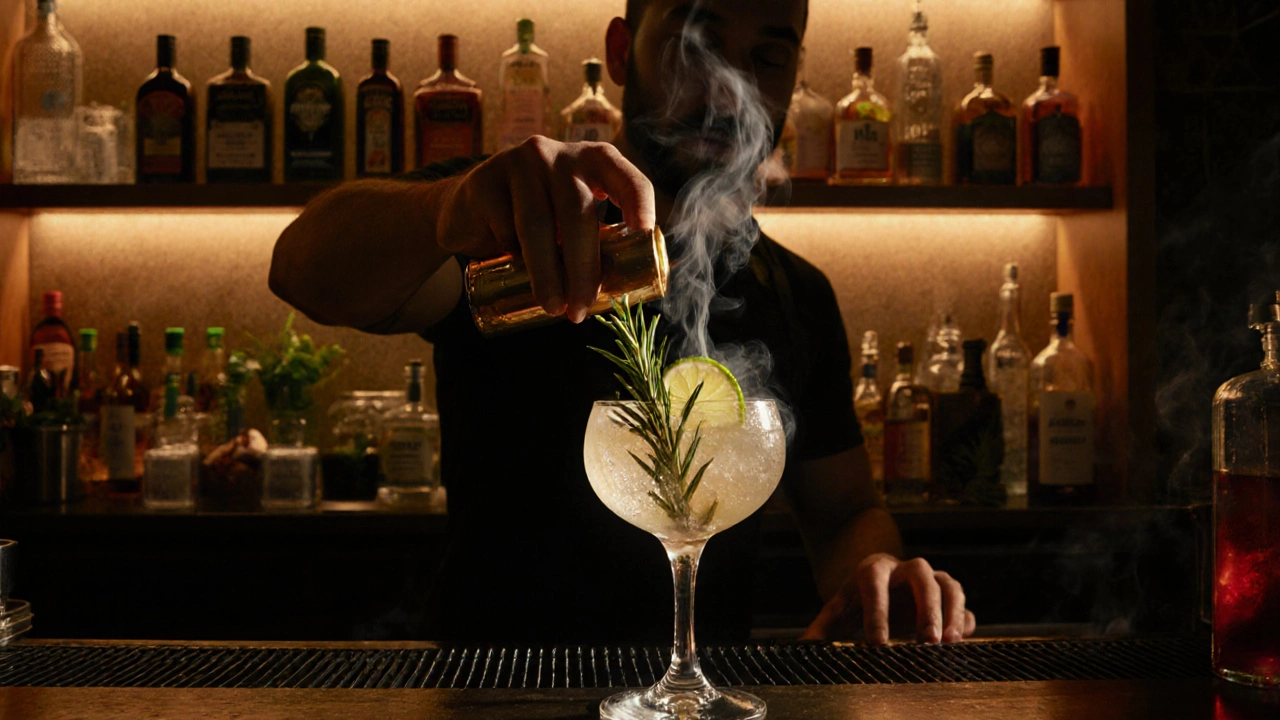
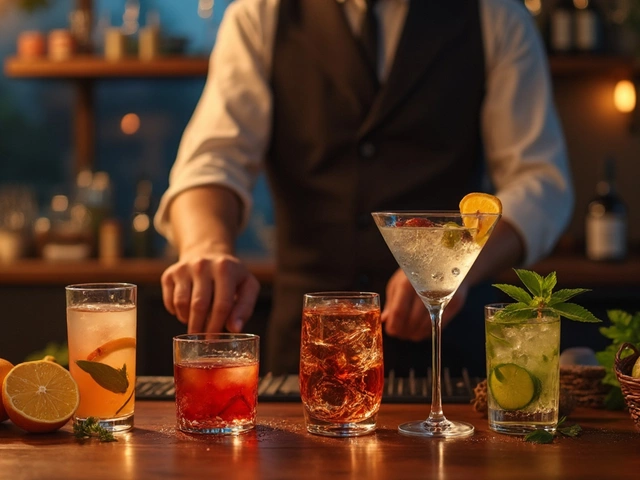
You’ll find mocktails showing up everywhere—from upscale bars to coffee lounges, even at brunch spots where people swap mimosas for sparkling ginger-lemon blends. They’re not watered-down juice. A good one has layers: bitterness from gentian root, sweetness from roasted peach syrup, fizz from tonic, and herbal notes from rosemary or thyme. Some even use non-alcoholic gin or whiskey alternatives that mimic the botanical punch or smoky depth of the real thing. These drinks are designed to be sipped slowly, savored, and appreciated like fine wine or aged spirits.
Why do people ask for them? Maybe they’re driving. Maybe they’re pregnant. Maybe they’re just tired of feeling sluggish after two drinks. Or maybe they’ve tried a few and realized they actually prefer the taste. Studies show that over 40% of adults in the U.S. now actively seek out non-alcoholic options at least once a week. That’s not a trend—it’s a shift in how we think about drinking culture.
When you ask for mocktail, a non-alcoholic beverage designed to mimic the complexity and appeal of cocktails without the alcohol. Also known as zero-proof drinks, it’s no longer just for kids or people abstaining—today’s mocktails are crafted with care, using fresh herbs, house-made syrups, and artisanal non-alcoholic spirits to deliver real flavor. More people are choosing them not out of obligation, but because they want to enjoy the ritual of a well-made drink without the hangover, the calories, or the buzz.
You’ll find mocktails showing up everywhere—from upscale bars to coffee lounges, even at brunch spots where people swap mimosas for sparkling ginger-lemon blends. They’re not watered-down juice. A good one has layers: bitterness from gentian root, sweetness from roasted peach syrup, fizz from tonic, and herbal notes from rosemary or thyme. Some even use non-alcoholic gin or whiskey alternatives that mimic the botanical punch or smoky depth of the real thing. These drinks are designed to be sipped slowly, savored, and appreciated like fine wine or aged spirits.
Why do people ask for them? Maybe they’re driving. Maybe they’re pregnant. Maybe they’re just tired of feeling sluggish after two drinks. Or maybe they’ve tried a few and realized they actually prefer the taste. Studies show that over 40% of adults in the U.S. now actively seek out non-alcoholic options at least once a week. That’s not a trend—it’s a shift in how we think about drinking culture.
What you’ll find in the posts below isn’t just recipes. It’s the real talk about what works and what doesn’t. You’ll learn why some "mocktails" taste like sweet soda water, and how to spot the ones worth ordering. You’ll see what people are actually drinking instead of wine, how to make a drink that feels special without alcohol, and why the best mocktails don’t try to copy cocktails—they reinvent them. Whether you’re hosting a party, skipping the booze, or just curious, this collection gives you the tools to ask for—and create—mocktails that don’t feel like an afterthought.
Categories