Tequila Effect Simulator
Select a stage of consumption to see how tequila actually affects your brain versus how it feels.
Select a stage to begin the simulation
Discover the science behind the "Upper vs Downer" myth.
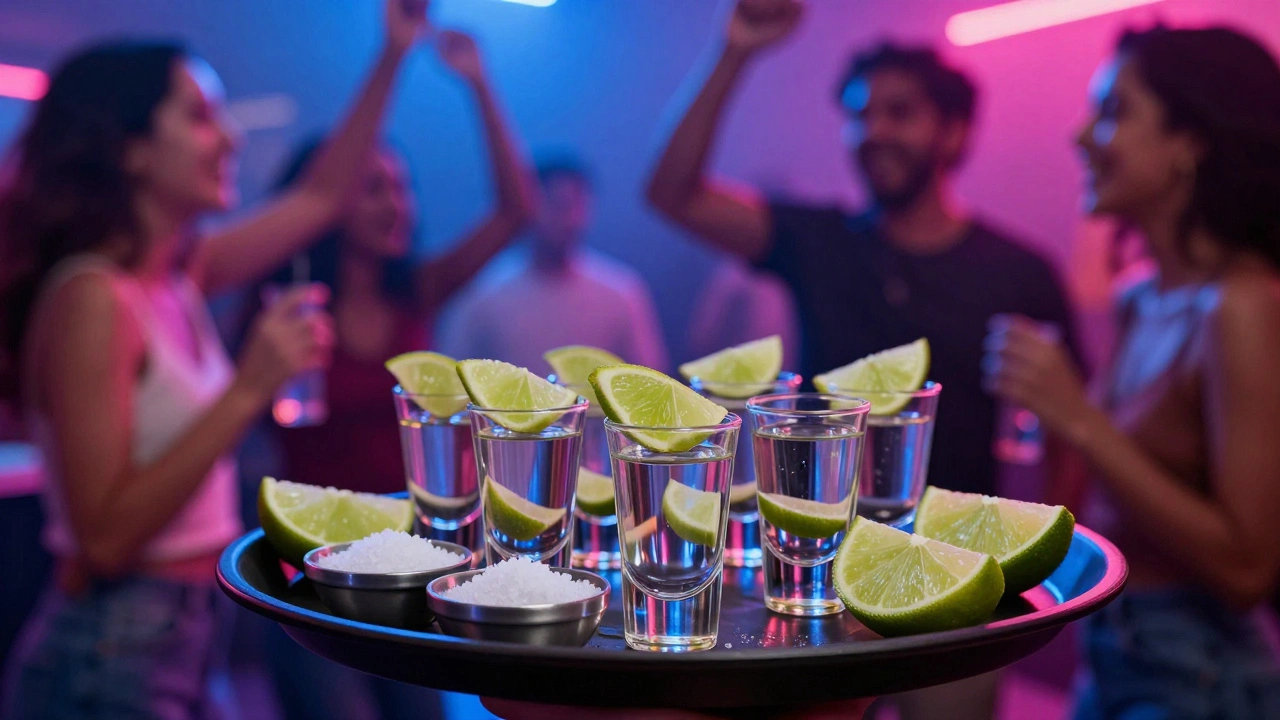
You've probably been there: a loud party, a tray of salt and lime wedges, and a round of shots that suddenly makes everyone feel like they just drank a double espresso. There is a common belief that tequila is different from other spirits-that it's an "upper" that gives you a burst of energy and confidence. But is this a pharmacological fact or just a very convincing social illusion? To understand why Tequila is a distilled beverage made from the fermentation and distillation of the blue agave plant, we have to look past the party atmosphere and into the chemistry of the brain.
The Hard Science: It's a Downer
If you're looking for a simple answer, here it is: tequila is a depressant. In the world of pharmacology, it doesn't matter if you're drinking a fancy aged anejo or a cheap shot; the active ingredient is Ethanol. This molecule is a central nervous system depressant, meaning its primary job is to slow down the communication between your brain and your nervous system.
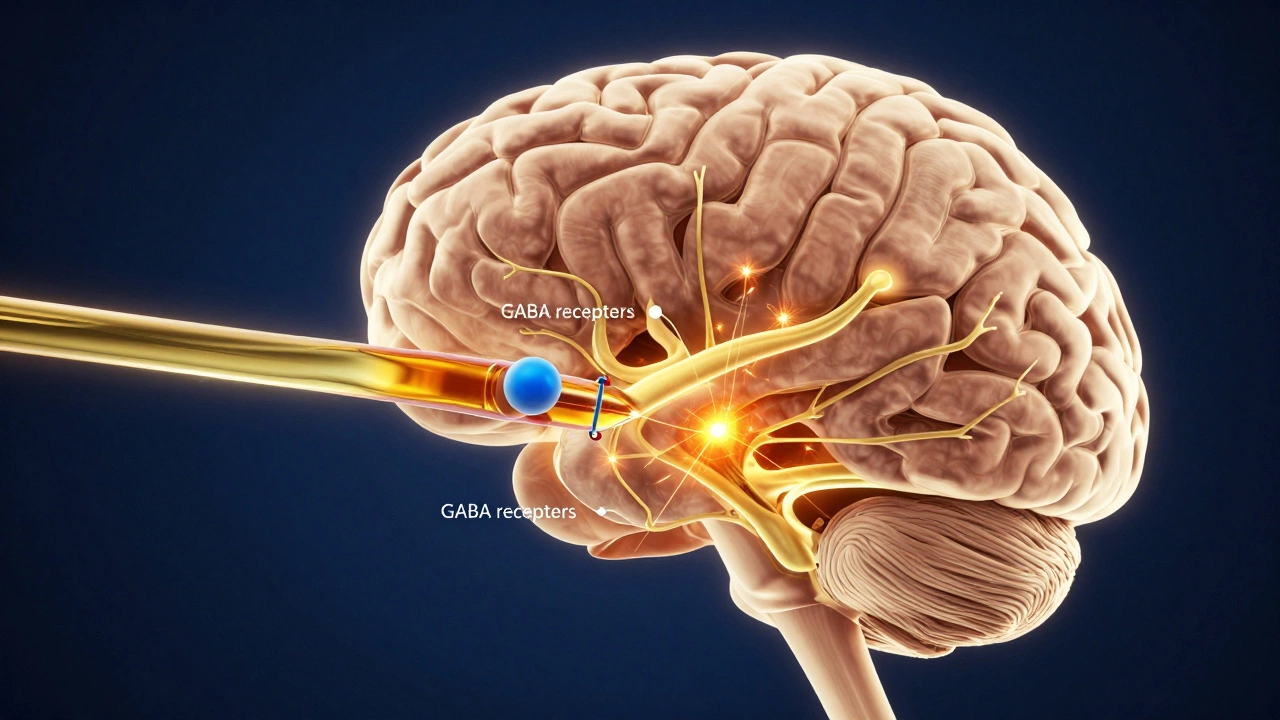
When you take a sip of tequila, the ethanol enters your bloodstream through the stomach and small intestine. Once it hits the brain, it messes with two key neurotransmitters: GABA (gamma-aminobutyric acid) and glutamate. Essentially, alcohol turns up the volume on GABA, which acts like a brake for your brain, and turns down the volume on glutamate, which usually acts like an accelerator. The result? Your reaction time drops, your coordination slips, and your breathing slows down. Whether it's tequila, vodka, or a glass of wine, the biological "brake" is applied in exactly the same way.
Why Does Tequila Feel Like a Stimulant?
If the science says it's a downer, why does everyone feel so "up" when they drink it? This is where the psychology of the drinking experience takes over. Most of the time, we don't drink tequila in a quiet room while reading a book. We drink it at weddings, clubs, or beach parties. The high energy of the environment, the loud music, and the excitement of the crowd create a psychological state of arousal that we mistakenly attribute to the liquid in the glass.
There are also practical reasons for this perception. Tequila is often consumed as a shot-a small amount of high-alcohol liquid delivered quickly. This causes the ethanol to hit your system faster than if you were sipping a large cocktail. That initial "rush" can feel like a surge of energy or a sudden spike in confidence. It's not stimulation in the chemical sense; it's just the depressant effects hitting your system rapidly, lowering your inhibitions and making you feel more bold.
Then there is the sugar factor. Many people drink tequila in cocktails like Margaritas, which are loaded with syrups and juices. A spike in blood sugar from these mixers can cause a temporary energy boost, which adds another layer to the myth that the spirit itself is an upper.
The Role of Blue Agave
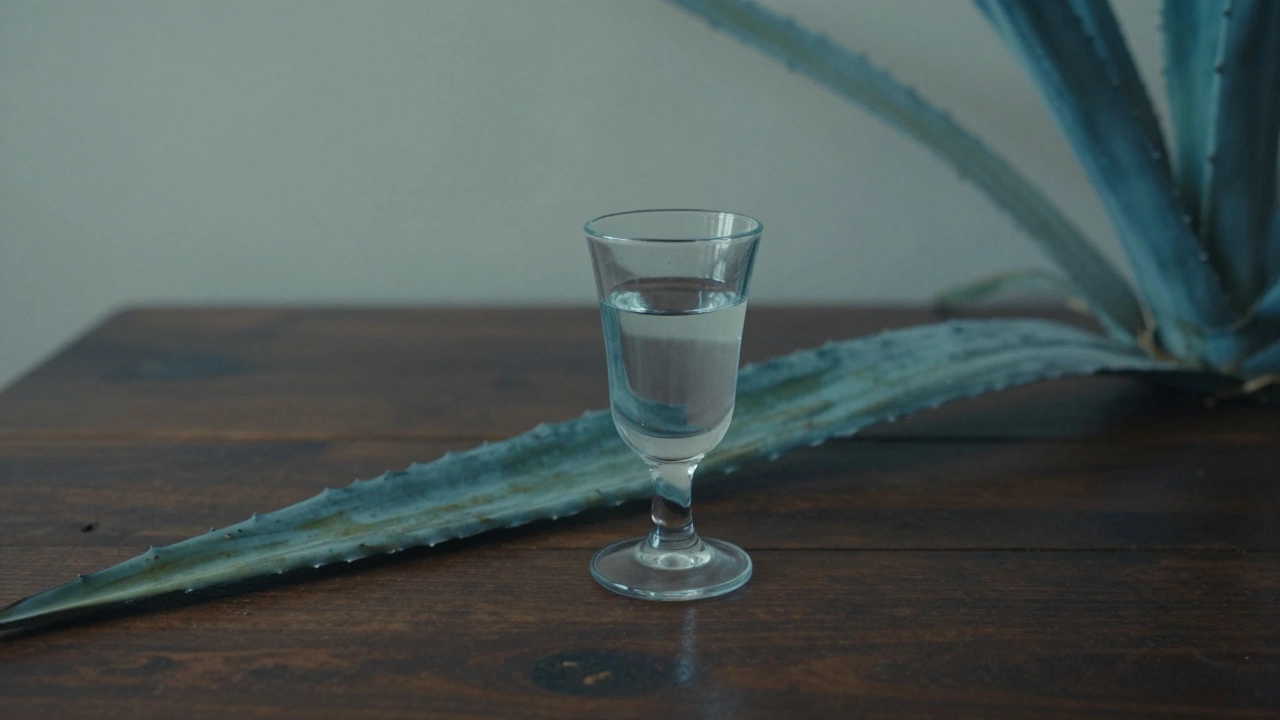
Some people wonder if the Blue Agave plant provides some secret stimulating property. The answer is a firm no. While the agave plant gives tequila its distinct, earthy flavor and aromatic profile, it doesn't contain any psychoactive compounds that act as stimulants. You aren't getting "high" on agave; you are simply getting drunk on alcohol. The plant contributes to the taste, not the neurological effect.
| Feature | Tequila (Ethanol) | Stimulants (e.g., Caffeine/Amphetamines) |
|---|---|---|
| CNS Effect | Depresses/Slowing | Stimulates/Accelerating |
| Brain Impact | Increases GABA activity | Increases Dopamine/Norepinephrine |
| Heart Rate | Eventually slows (at high doses) | Typically increases |
| Coordination | Impaired | Often heightened (initially) |
The Progression of the "Tequila Effect"
The experience of drinking tequila usually follows a specific curve. In the beginning, you might feel a wave of euphoria. This is the "disinhibition phase." Because the alcohol is suppressing the parts of your brain responsible for caution and social anxiety, you feel more social, talkative, and energetic. You aren't actually more energetic; you've just lost the filter that usually tells you to be quiet.
As you continue to drink, the depressant nature of the spirit becomes impossible to ignore. The "upper" feeling vanishes, replaced by dizziness, slurred speech, and a lack of balance. If you've ever seen someone stumble or mumble after a few too many shots, you're seeing the true pharmacological nature of tequila in action. The higher the dose, the more profound the depression of the central nervous system becomes.
Unexpected Health Interactions
While tequila doesn't act as a stimulant for the brain, it can have strange effects on the body's metabolism. Interestingly, some research has looked at how small, daily doses of tequila affect the body. One study found that volunteers who drank 30ml of straight tequila daily for a month actually saw an increase in glucose concentration and a decrease in insulin sensitivity. This is a metabolic reaction, not a neurological one, but it shows that while the brain feels the "downer" effect, the body's chemistry can react in complex ways.
Knowing the Limits
Because tequila is so often associated with "wild" behavior, it's easy to forget that it carries the same risks as any other hard liquor. Excessive consumption can lead to severe digestive issues and long-term nervous system damage. The perceived "energy" of tequila often encourages people to drink more than they would with a slower-paced drink, like a glass of wine, which can lead to quicker intoxication and a harder crash.
Does tequila make you more hyper than vodka?
Biologically, no. Both are made of ethanol and act as depressants. Any perceived difference is usually due to the social setting where tequila is served or the sugar in the mixers used in tequila cocktails.
Can tequila be considered a stimulant in small doses?
No. While small amounts can lower inhibitions and make you feel more confident or social, this is a result of the brain's "brakes" being released, not the addition of a stimulant.
Does the quality of tequila (Silver vs. Anejo) change its effect on the brain?
No. Whether it is unfiltered silver or aged anejo, the ethanol is what affects your central nervous system. The aging process changes the flavor and aroma, but not the pharmacological classification as a depressant.
Why do I feel sleepy after the initial tequila rush?
This is the true depressant effect kicking in. Once the initial excitement and lowered inhibitions wear off, the alcohol's role in slowing down your brain functions leads to drowsiness and lethargy.
Is there any part of the agave plant that is stimulating?
No. The Blue Agave used in tequila production does not contain any natural stimulants or psychoactive compounds that would produce a "high" or increase central nervous system activity.




Categories