Tanqueray Cocktail Compatibility Checker
Is Tanqueray right for your cocktail?
Based on the article analysis of Tanqueray London Dry Gin's flavor profile and characteristics, select your cocktail to see if it's a good match.
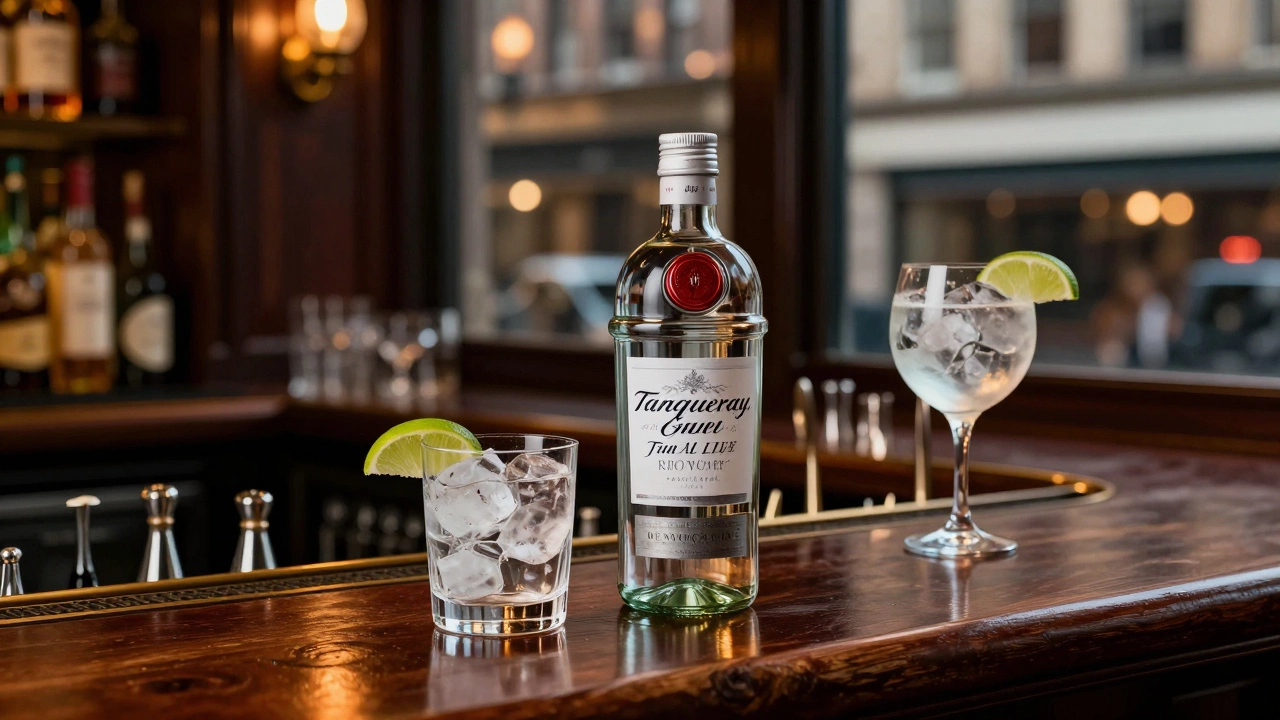
When you walk into a bar and see a bottle of Tanqueray behind the counter, you know you’re looking at something timeless. It’s not flashy. It doesn’t shout. But it’s always there - on back bars from London to Los Angeles, in cocktail menus from Tokyo to Toronto, and on grocery shelves from Sydney to São Paulo. So, is Tanqueray a good gin? The short answer: yes, but not because it’s perfect. It’s good because it’s Tanqueray - a benchmark, a standard, and for many, the very definition of what gin should taste like.
What Makes Tanqueray Different?
Tanqueray London Dry Gin doesn’t try to be everything. It doesn’t throw in 15 botanicals just to say it did. It sticks to four: juniper, coriander, angelica root, and liquorice. That’s it. No orange peel. No lavender. No hibiscus. Just the core. And that’s why it works. This simplicity is its strength. The juniper isn’t just present - it’s the star. You smell it before you even lift the glass. It’s sharp, piney, and clean, like walking through a forest after rain. Then come the supporting notes: a whisper of citrus from the coriander, a touch of earthy sweetness from the angelica, and just enough licorice to give it depth without turning sweet. It’s not layered like a complex wine. It’s a straight shot of clarity. The distillation process is just as precise. Made in the UK using a double-distilled method with computer-controlled stills, every batch is consistent. That’s rare. Most craft gins change flavor slightly from batch to batch. Tanqueray doesn’t. If you had a bottle from 1998 and one from 2026, you’d barely notice the difference. That kind of reliability is why bartenders trust it.How Does It Taste?
Taste it neat, and you’ll feel the weight of it. At 43.1% ABV (or 47.3% for export), it’s strong, but not harsh. The juniper hits first - bold and unmistakable. Then, like a wave rolling in, you get the soft lemon zest and the warmth of baking spices: cinnamon, coriander, a hint of black pepper. There’s no bitterness. No burn. Just a smooth, dry finish that lingers with spice, not heat. The Rum Howler Blog gave it 54 out of 60 for taste. That’s high. Why? Because it’s balanced. It’s not trying to surprise you. It’s doing exactly what it set out to do: deliver a classic, clean, juniper-forward gin that’s easy to drink and even easier to mix.Is It Good for Gin and Tonic?
Yes. Absolutely. If you’ve ever had a Gin and Tonic that tasted like a pine tree had a baby with a lemon, you’ve probably had Tanqueray. It’s the gold standard for this drink. The juniper doesn’t get lost. It doesn’t hide behind tonic water. It stands tall, clear, and crisp. Add a wedge of lime, a splash of soda, and you’ve got the perfect refreshment. The Gin Guide says it best: "It makes an excellent crisp and dry Gin and Tonic with juniper at the forefront." That’s why it’s the most popular mainstream gin in polls. People don’t need to be connoisseurs to appreciate it. If you like your G&T to taste like gin - real, unfiltered gin - then Tanqueray is your bottle.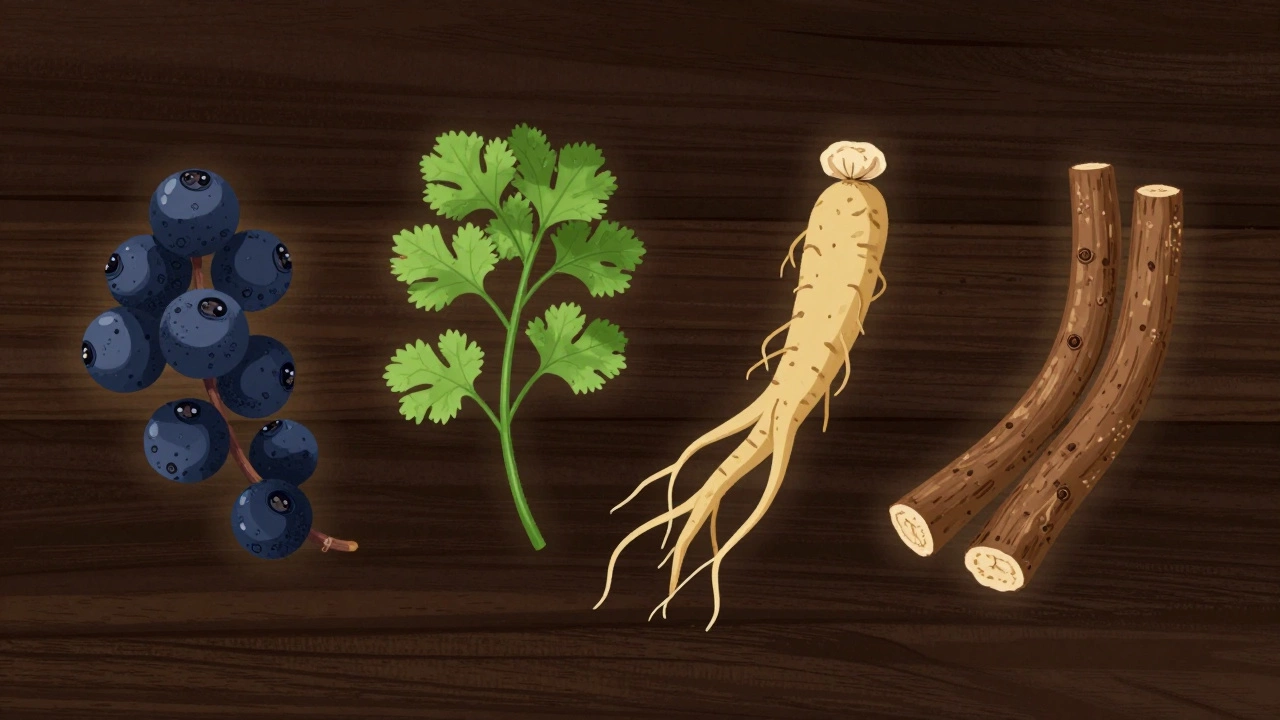
What About Cocktails?
Here’s where opinions split. In a Negroni? Tanqueray shines. The bitterness of Campari and the sweetness of vermouth need a gin that can push through. Tanqueray does that without overpowering. It doesn’t blend in - it leads. One reviewer called it a "boss" in a Negroni. That’s not hyperbole. It holds its own. In a martini? Some swear by it. "The only real martini is a Tanqueray martini," one fan wrote. Shaken hard, with a capful of dry vermouth, it’s clean, sharp, and unforgettable. It’s the kind of drink that makes you pause after the first sip. But try it in an Aviation? That’s where it stumbles. The Aviation is delicate. It needs a gin with floral and citrus notes to balance the maraschino liqueur and crème de violette. Tanqueray’s bold juniper drowns those subtleties. For that drink, Tanqueray 10 - its citrus-infused sibling - is far better. So, it’s not perfect for every cocktail. But it doesn’t need to be. It’s designed for the classics.How Does It Compare?
Let’s put it side by side. - Beefeater: Also a London Dry. More herbal, with a touch of citrus. Less juniper-forward. If Tanqueray is a bass drum, Beefeater is a snare. Both great. Different. - Sipsmith: Craftier, more complex. Uses more botanicals. More interesting, but less consistent. Tanqueray wins if you want reliability. - Tanqueray 10: The premium sibling. Distilled with citrus peels. Brighter, fruitier. Perfect for cocktails that need elegance. But it’s pricier and not the same spirit. Tanqueray isn’t trying to beat these. It’s not trying to be the most complex. It’s trying to be the most dependable.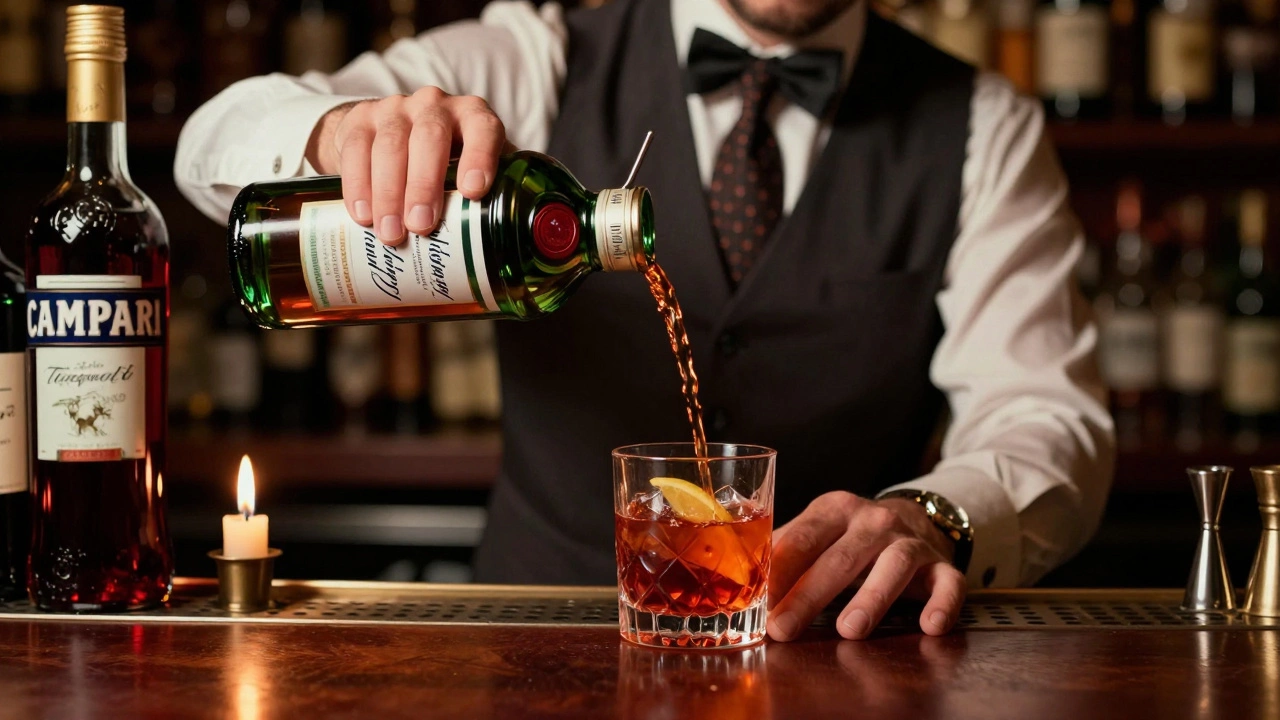
Price and Value
A 700ml bottle costs around £53.80 SGD. A liter? £81.95 SGD. That’s not cheap, but it’s not premium either. It sits in the sweet spot: high enough to signal quality, low enough that you can buy it regularly. Compare that to craft gins that cost twice as much for the same volume. Tanqueray doesn’t have a story about a distiller’s great-grandmother’s recipe. It has a 180-year legacy of consistency. And that’s worth something. Plus, there’s Tanqueray 0.0%. Yes, an alcohol-free version. It scored 8.8/10. It tastes like gin. Not a mocktail. Not a disappointment. A real gin flavor without the alcohol. That’s innovation.Who Is It For?
If you’re just getting into gin, Tanqueray is your starting line. It’s not confusing. It doesn’t hide behind fancy botanicals. You’ll know what you’re tasting. If you’re a bartender, it’s your workhorse. It mixes well. It’s consistent. It’s always available. You don’t have to think about it. If you’re a collector, you might skip it. It’s not rare. It’s not limited. But you’ll still keep a bottle on the shelf - because you need it.The Verdict
Is Tanqueray a good gin? Yes. Not because it’s the most complex. Not because it’s the cheapest. But because it does one thing better than almost any other gin: it delivers the classic London Dry experience - bold, clean, and unmistakable. It’s the gin you reach for when you want to know what gin is supposed to taste like. It’s the one you pour when you’re not in the mood to experiment. It’s the one that never lets you down. And that’s why it’s still on every bar shelf, every year, in every country.Is Tanqueray a premium gin?
No, Tanqueray is not classified as a premium gin - it’s a mainstream classic. It’s priced higher than budget brands but lower than craft or luxury gins like Hendrick’s or Monkey 47. Its value comes from consistency, not exclusivity.
What’s the best way to drink Tanqueray?
The Gin and Tonic is its perfect match. Use a high-quality tonic, a lime wedge, and serve cold. For cocktails, it excels in Negronis and martinis. Avoid delicate drinks like the Aviation - it’ll overpower them.
Is Tanqueray good for beginners?
Yes. Its bold juniper flavor is easy to recognize, and it lacks the overwhelming bitterness or odd botanicals that confuse new drinkers. It’s the gin you start with before branching out.
Does Tanqueray have a distillery tour?
Yes. The Tanqueray distillery is located in the UK, and while it’s not as tourist-heavy as some craft distilleries, guided tours are available. You’ll see the historic stills, learn about the four botanicals, and taste the gin straight from the source. It’s a must for anyone serious about gin.
How does Tanqueray compare to Bombay Sapphire?
Bombay Sapphire is more floral and citrusy, with a smoother, lighter profile. Tanqueray is bolder, drier, and more juniper-forward. Bombay is better for sipping neat or in lighter cocktails. Tanqueray dominates in classic drinks like G&T and Negroni.




Categories