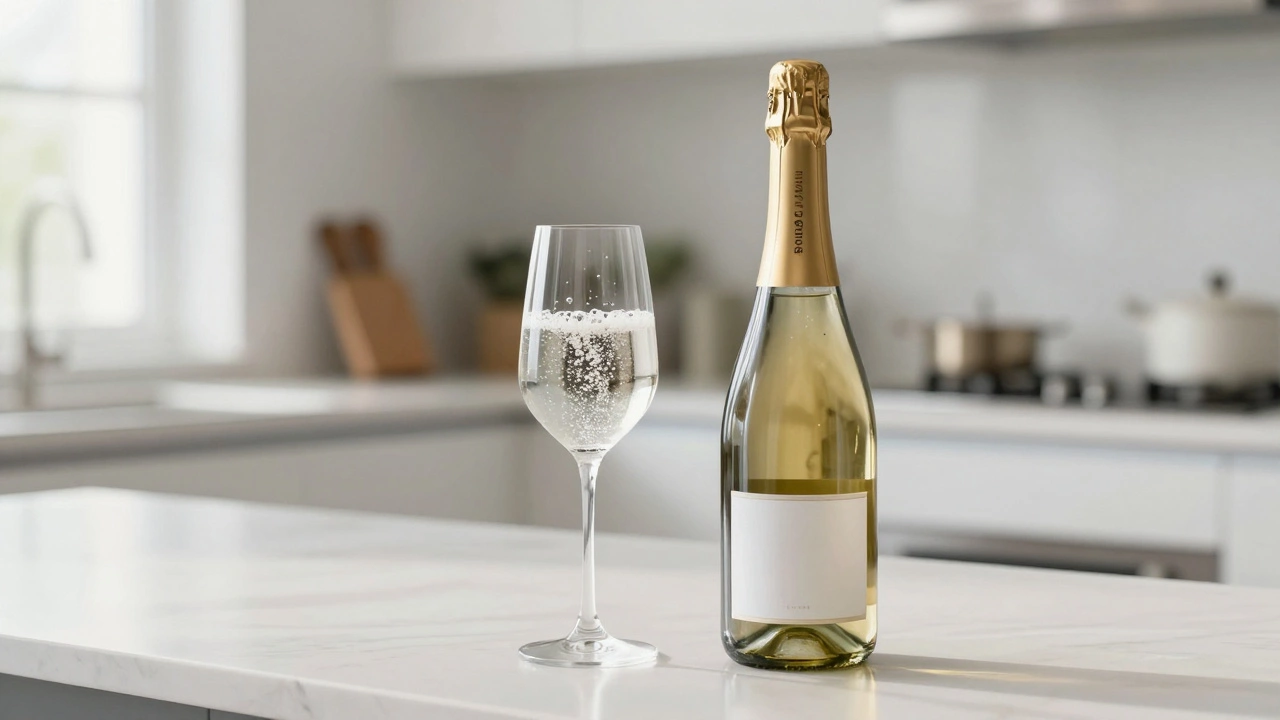
Champagne Value Comparison Tool
Select a wine type below to see how it compares to the Kirkland Signature Champagne in terms of quality, method, and value.
Kirkland Signature
The BenchmarkAuthentic Champagne from Verzenay
Entry-Level Brand
Big Name LabelStandard Champagne House ($50+)
Budget Sparkling
GenericProsecco or Domestic Sparkling
Click a card above to analyze the value difference.
You’ve seen it sitting on the shelf at Costco: a bottle of Kirkland Signature Champagne is an authentic French sparkling wine produced in the Champagne region of France. It’s priced around $19.99, which is almost laughably cheap when you realize most "real" bottles start at $50. Naturally, the first thought that hits you is: there is no way this is actually the real deal. Is it just a fancy sparkling wine with a misleading label, or is it a genuine steal?
The verdict on authenticity
To put it simply: yes, it is real. This isn't a case of "champagne-style" wine made in California or Italy. To be legally called Champagne, a wine must come from the Champagne region of France and be made using very specific methods. The Kirkland bottle ticks every single box. It's a brut variety, meaning it's dry with very little residual sugar, and it's imported directly from France via DC Flynt MW Domaines & Estates.
The secret behind the price tag isn't a lack of quality, but a direct business deal. Costco partnered with Manuel Janisson of Janisson & Fils, a respected house in the region. By cutting out the middleman and branding it under the Kirkland label, Costco can sell a product that would normally cost double or triple the price if it had a fancy family name on the front.
What makes it "real"?
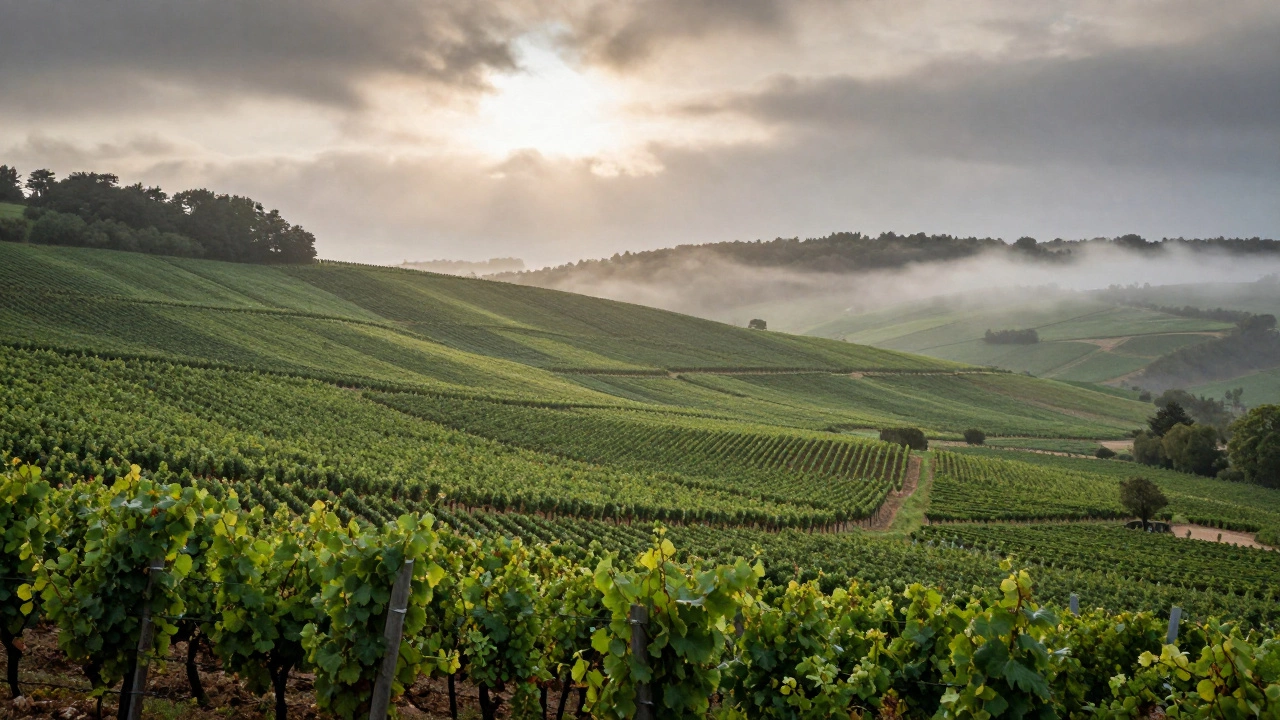
If you want to know why this bottle earns the name, you have to look at the grapes and the dirt. The wine is made from the three classic grapes: Chardonnay, Pinot Noir, and Pinot Meunier. Even more impressive is where those grapes grow. They come from Verzenay, which is one of only 17 Grand Cru villages in the region. In the wine world, "Grand Cru" is a big deal-it basically means the land is among the top 10% for quality.
The terroir in the Montagne de Reims area, where the vineyards are located, is a mix of hills, forests, and plains. This variety in the landscape creates different microclimates, which gives the wine more depth and complexity than a generic sparkling wine produced on a massive industrial scale.
The process behind the bubbles
Real Champagne isn't just about where it's grown; it's about how it's made. This bottle uses the Champagne Method, also known as the traditional method. Unlike cheap sparkling wines that inject carbon dioxide into a tank, this wine undergoes a secondary fermentation right inside the bottle.
This is a slow, labor-intensive process. The wine is aged on the lees-the leftover yeast sediment-for a significant amount of time. While some sources say it matures for at least 15 months, others suggest it stays on the lees for up to three years. This aging is what creates those tiny, persistent bubbles and the complex, bready notes that you simply can't find in budget Prosecco.
| Feature | Kirkland Signature | Typical Entry-Level Champagne | Budget Sparkling Wine |
|---|---|---|---|
| Origin | Champagne, France | Champagne, France | Various (USA, Italy, etc.) |
| Production Method | Traditional Method | Traditional Method | Tank Method (Charmat) |
| Grape Quality | Grand Cru (Verzenay) | Standard Regional | Mixed/Commercial |
| Average Price | ~$20 | $50+ | $10 - $25 |
How does it actually taste?
If you’re expecting it to taste like vinegar because it's cheap, you're in for a surprise. On the nose, you get clear hits of lemon and citrus. Once you take a sip, flavors of green apple and apricot come through, backed by a sharp, acidic brightness that cleanses the palate.
Professional tasters have noted that it holds its own against bottles in the $40 to $70 range. While a hardcore connoisseur might tell you it doesn't have the sheer luxury or "prestige" of a vintage Dom Pérignon, it's objectively a high-quality wine. It’s crisp, fresh, and does exactly what a brut Champagne should do. For most people, the difference between this and a $60 bottle is negligible, making it one of the best value-for-money buys in the entire warehouse.
The logic of the Costco model
You might wonder why Manuel Janisson would agree to this. It’s a volume game. By producing for Costco, the winery gets a guaranteed, massive order that provides stable income. This allows Janisson to use his industry connections to source top-tier grapes without needing to spend millions on global marketing and fancy packaging.
This strategy isn't unique to the bubbles; Costco does this across their entire Kirkland Signature alcohol line. They find a reputable producer who has the capacity and the skill, then they strip away the brand name and the fancy gold foil to pass the savings to the member. It turns out you aren't paying for the wine in high-end brands-you're paying for the label.
Is it better than Crémant?
If you're looking for a budget-friendly bubble, you've probably run into Crémant. Crémants are also made using the traditional method, but they come from other regions in France (like Alsace or Burgundy). While they are great wines, they lack the specific terroir and prestige of the Champagne region. Since the Kirkland bottle is actually from Champagne and costs roughly the same as a decent Crémant, it's generally the smarter buy for anyone who wants the authentic experience.
Is Kirkland Champagne the same as sparkling wine?
All Champagne is sparkling wine, but not all sparkling wine is Champagne. To be called Champagne, it must be produced in the Champagne region of France using the traditional method. The Kirkland Signature bottle meets all these legal requirements, making it a true Champagne.
Why is it so much cheaper than brands like Veuve Clicquot?
The price difference is mostly due to branding and distribution. Major houses spend millions on marketing and use multi-layered distribution networks. Costco buys in bulk directly from the producer (Manuel Janisson) and sells it under their own private label, removing the "luxury tax" associated with big brand names.
Who actually makes the Kirkland Champagne?
It is produced by Manuel Janisson of Janisson & Fils, a well-established producer in the Champagne region. He sources grapes from top vineyards, including the prestigious Grand Cru village of Verzenay.
Does it taste different from expensive Champagnes?
While it may lack some of the extreme complexity found in rare, aged vintages, it shares the same core characteristics: crisp acidity, fine bubbles, and notes of citrus and green apple. Many reviewers find it comparable to bottles in the $40-$70 range.
Can I find this Champagne outside of Costco?
No, the Kirkland Signature label is exclusive to Costco warehouses. While the producer, Manuel Janisson, may have his own branded wines, those are separate products and are not available through the same low-cost channels.
Quick tips for the best experience
To make the most of this bottle, keep a few things in mind:
- Chill it properly: Champagne is best served very cold, ideally between 7-10°C (45-50°F). If it's too warm, the bubbles will be too aggressive and the alcohol will taste sharper.
- Glassware matters: While a wide-mouth coupe is classic for looks, a tulip-shaped glass helps concentrate the aromas of apple and citrus.
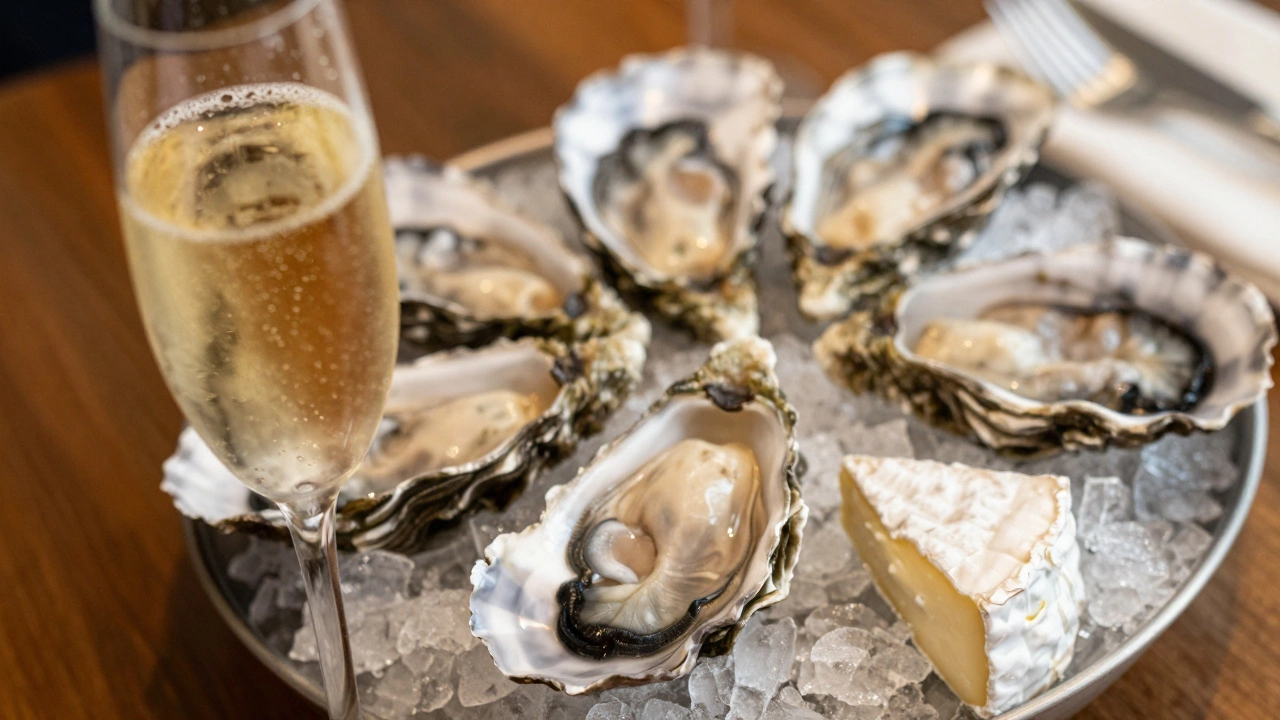
- Pairing: Because this is a brut (dry) Champagne, it pairs perfectly with salty snacks like potato chips or fried chicken, or classic appetizers like oysters and brie.
Categories