20-Year Alcohol Impact Estimator
Enter your typical weekly drinking habits to estimate the cumulative ethanol exposure and compare it against medical guidelines for men and women.
Enter your data to see the cumulative impact of two decades of drinking.
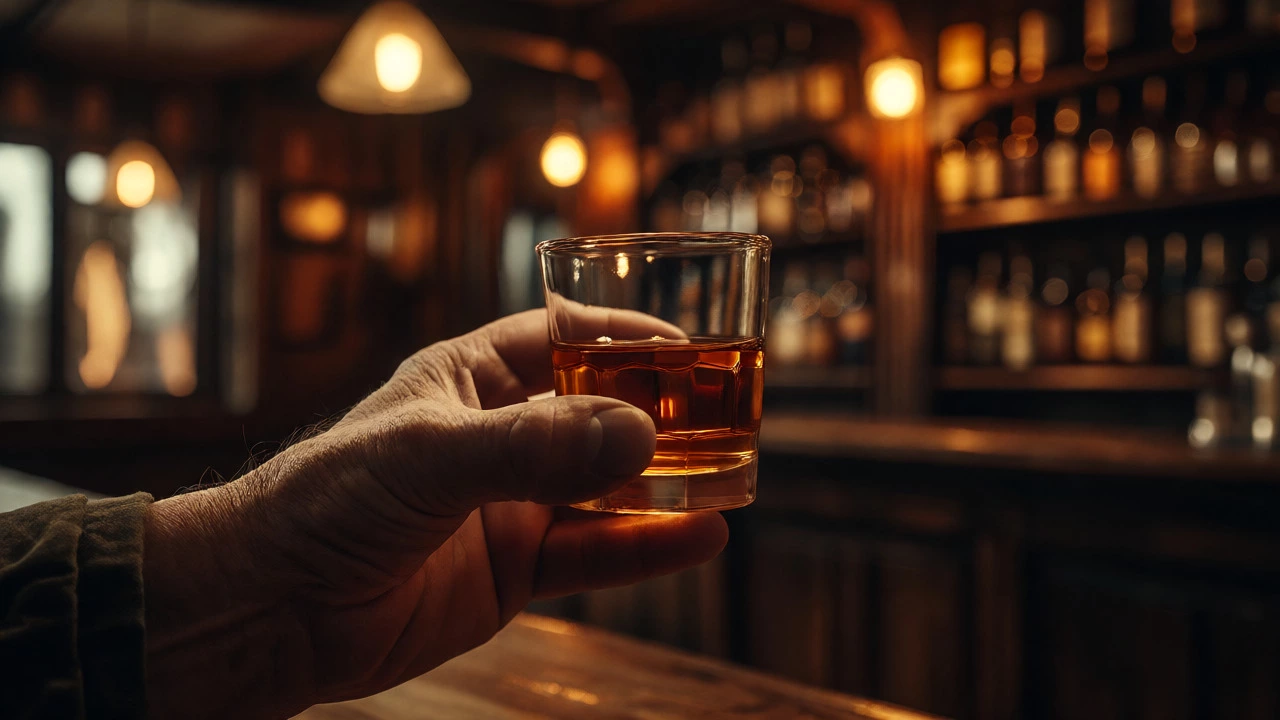
Imagine sitting in a pub in Edinburgh with a glass of single malt whisky. You’ve been doing this most evenings for two decades. The burn is familiar, the warmth comforting. But what has actually happened inside your body over those 7,300 nights? Two decades of regular drinking isn’t just about hangovers or lost weekends. It’s a slow, cumulative process that reshapes your organs, alters your brain chemistry, and changes how you age. If you’re wondering whether those daily pints or nightly glasses are adding up, the answer is yes-and the effects are often silent until they aren’t.
The Dose Makes the Poison
Not all drinking histories are created equal. When experts talk about "20 years of drinking," they usually mean patterns that exceed moderate guidelines. A standard drink contains about 14 grams of pure ethanol. For men, heavy drinking starts at more than 15 drinks per week; for women, it’s more than 8. Very heavy use kicks in at three or more drinks a day. Over twenty years, these thresholds matter immensely. A study published in PLOS Medicine categorized lifetime drinkers into light (1-3 drinks/week), heavy (2-<3 drinks/day), and very heavy (3+ drinks/day). The data showed that while light drinkers had lower mortality rates, heavy and very heavy drinkers faced significantly higher risks of cancer and death. It’s not just about getting drunk occasionally; it’s about the relentless exposure of your tissues to acetaldehyde, the toxic byproduct of alcohol metabolism.
Your Liver Takes the Biggest Hit
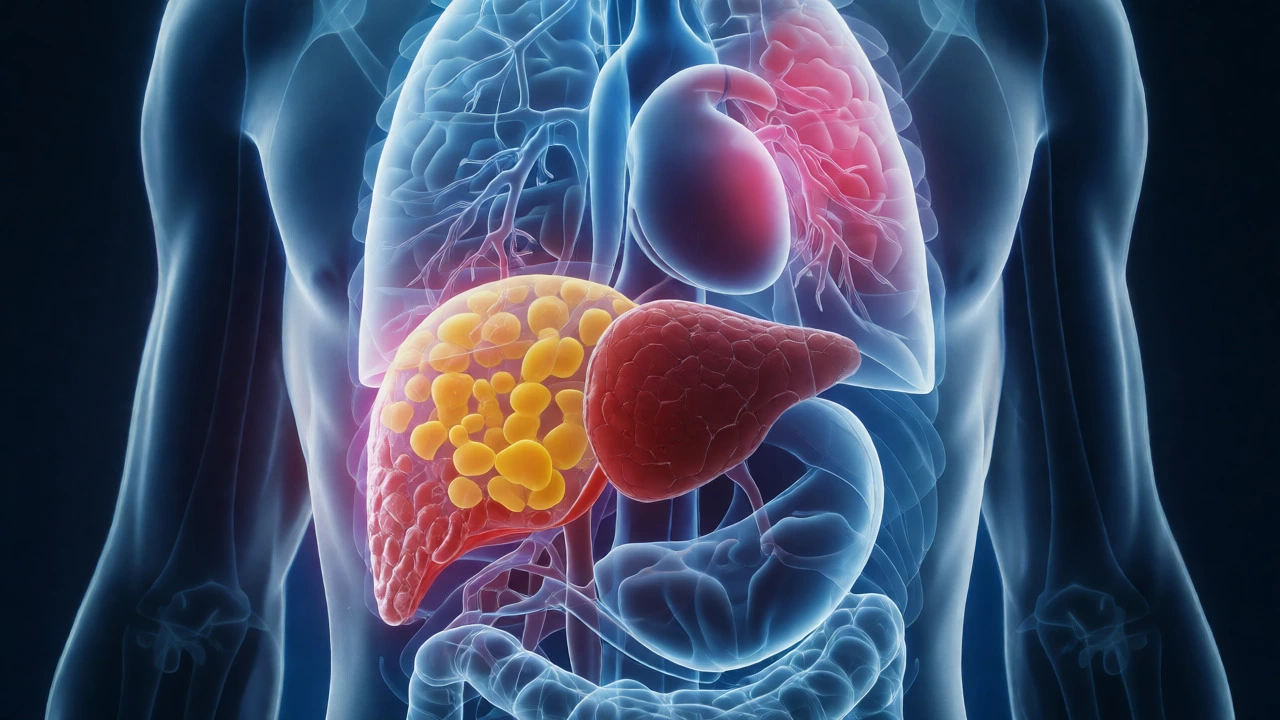
The liver is the primary site of alcohol processing, and it bears the brunt of two decades of abuse. The progression is predictable if unchecked: it starts with fatty liver (hepatic steatosis), where fat builds up in liver cells. This stage is often reversible if you stop drinking. Next comes alcoholic hepatitis, an inflammation that causes swelling and tenderness. Finally, there is cirrhosis, where healthy tissue is replaced by scar tissue. Once you reach cirrhosis, the damage is largely permanent. After 20 years of heavy intake, many people develop some degree of fibrosis. Symptoms like fatigue, jaundice, or easy bruising might appear late, but the internal scarring has been building for years. Beyond the liver, your pancreas suffers too. Chronic pancreatitis can set in, causing severe pain and disrupting digestion because the organ stops producing enough enzymes to break down food.
The Brain Changes More Than You Think
You might notice you’re forgetting names or struggling to focus on complex tasks. That’s not just aging. Long-term alcohol use physically shrinks the brain. Alcohol-related brain damage involves the loss of gray matter and white matter integrity, particularly in the frontal lobes responsible for decision-making and impulse control. Severe cases lead to Wernicke-Korsakoff syndrome, a condition caused by thiamine deficiency that results in profound memory loss and confusion. Even without full-blown dementia, two decades of drinking alters neurotransmitter systems. Your brain adapts to the constant presence of alcohol by downregulating inhibitory receptors. When you try to cut back, the resulting anxiety and insomnia are signs of this neurochemical imbalance. Mood disorders like depression and anxiety become intertwined with drinking habits, creating a cycle that’s hard to break without professional help.
| System | Common Conditions | Reversibility |
|---|---|---|
| Liver | Fatty liver, Hepatitis, Cirrhosis | Partial (Cirrhosis is permanent) |
| Heart | Cardiomyopathy, Hypertension | High (if caught early) |
| Brain | Cognitive decline, Neuropathy | Variable (Some deficits persist) |
| Digestive | Gastritis, Pancreatitis, Malnutrition | Moderate (Depends on severity) |
| Immune | Increased infection risk | High (Recovers quickly) |
Heart Health and Cancer Risks Climb Steadily
There’s an old myth that a little alcohol is good for the heart. While some observational studies suggested a J-shaped curve where moderate drinkers lived longer, recent large-scale analyses suggest this may be due to confounding factors like socioeconomic status. For heavy drinkers, the reality is stark. Twenty years of excessive consumption leads to alcoholic cardiomyopathy, a condition where the heart muscle stretches and droops, losing its ability to pump blood efficiently. High blood pressure becomes chronic, increasing the risk of stroke. Then there’s cancer. Alcohol is a Group 1 carcinogen. It increases the risk of cancers in the mouth, throat, esophagus, liver, colon, and breast. In women, even moderate drinking raises breast cancer risk. Over two decades, the cumulative DNA damage from acetaldehyde contributes to tumor development. The CDC estimates that over 20,000 deaths annually in the US alone are linked to alcohol-related cancers.
Nutrition, Appearance, and Daily Life
Alcohol provides empty calories-7 calories per gram-but blocks the absorption of vital nutrients. After 20 years, deficiencies in thiamine, folate, magnesium, and zinc are common. This malnutrition shows up physically. Skin loses elasticity and hydration, leading to premature wrinkles and redness. Facial bloating, often called "whiskey face," becomes a persistent feature. Weight gain is typical due to caloric surplus, though some individuals lose weight due to gastrointestinal issues. Sleep quality plummets. While alcohol helps you fall asleep, it fragments REM sleep, leaving you exhausted. This chronic fatigue impacts work performance and relationships. Financial strain is another hidden cost; spending on alcohol adds up, and accidents or health issues create unexpected bills. Socially, the circle of friends may shrink as interests diverge or conflicts arise from irritability and mood swings.

Can You Undo Two Decades of Damage?
This is the big question. The good news: your body is resilient. Stopping drinking yields rapid benefits. Within weeks, blood pressure drops, sleep improves, and energy levels rise. Fatty liver can reverse completely within months. Heart function often recovers if cardiomyopathy hasn’t advanced too far. Cognitive clarity returns gradually, though some structural brain changes may remain. The bad news: established cirrhosis and severe neurological conditions like Korsakoff’s psychosis are rarely fully reversible. However, stopping prevents further deterioration. Recovery isn’t just physical; it’s psychological. Many people report improved mental health, better relationships, and regained confidence. Support systems, whether through therapy, peer groups like r/stopdrinking, or medical supervision, are crucial for managing withdrawal and maintaining sobriety.
What Should You Do Now?
If you recognize yourself in this description, don’t panic. Awareness is the first step. Schedule a comprehensive health check-up. Ask for liver function tests, a lipid panel, and a discussion about cognitive screening. Be honest with your doctor about your drinking history. They won’t judge; they’ll treat. Consider reducing your intake gradually if quitting cold turkey feels daunting. Track your drinks for a week to see the actual numbers. Often, we underestimate our consumption. Connect with others who understand the struggle. Whether you choose moderation or abstinence, prioritizing your long-term health pays dividends. Your future self will thank you for making the change before the next decade rolls around.
Is any amount of alcohol safe after 20 years of drinking?
Current medical consensus suggests that no amount of alcohol is completely risk-free, especially regarding cancer risk. However, low-risk guidelines recommend limiting intake to no more than 14 units per week for both men and women, spread over several days. For someone with existing liver or heart damage, even these amounts might need further reduction under medical advice.
How long does it take for the liver to recover after 20 years of drinking?
If the damage is limited to fatty liver, recovery can occur within 4 to 8 weeks of abstinence. Alcoholic hepatitis may take several months to heal. Cirrhosis, however, represents permanent scarring. While stopping drinking won't reverse cirrhosis, it can prevent further progression and improve overall liver function by reducing inflammation.
Does drinking cause permanent brain damage?
It depends on the severity. Mild cognitive impairment and volume loss can partially reverse with sustained abstinence and proper nutrition. Severe conditions like Wernicke-Korsakoff syndrome involve significant neuronal death and are generally considered permanent, though symptoms can be managed with therapy and medication.
Why do I look older after years of drinking?
Alcohol dehydrates the skin, depletes collagen, and causes inflammation. It also disrupts sleep, which is when skin repairs itself. The combination leads to dryness, fine lines, broken capillaries, and puffiness. Nutritional deficiencies exacerbate these effects, making skin look dull and aged.
Should I quit cold turkey or taper off?
For heavy drinkers with a 20-year history, quitting cold turkey can be dangerous due to withdrawal symptoms like seizures. It is highly recommended to consult a doctor. Medically supervised detoxification ensures safety during the initial phase, followed by gradual lifestyle changes and support for long-term maintenance.





Categories