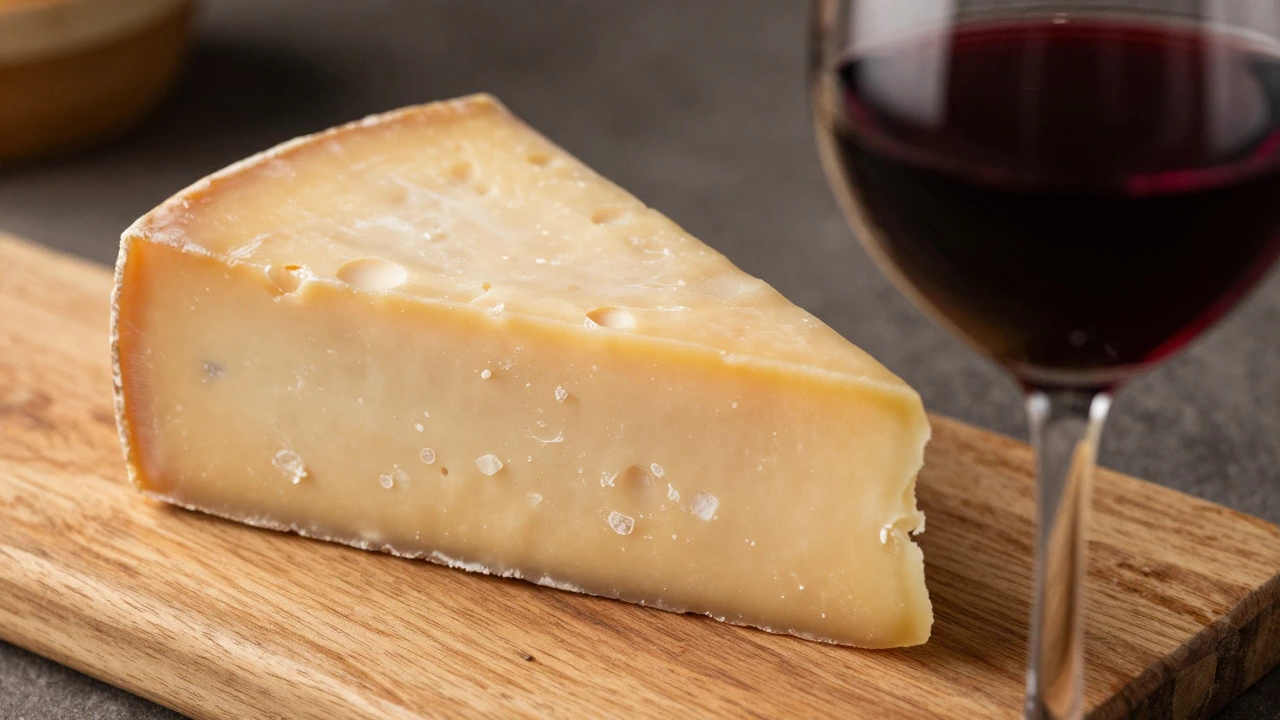
Cabernet Sauvignon Cheese Pairing Builder
🍷Step 1: What's your Cabernet style?
Different styles of Cabernet pair best with different cheeses.
🧀Step 2: Build Your Plate (Select 2-3)
Click cheeses to add them to your pairing plate.
Aged Cheddar
Sharp, NuttyFat softens tannins; sharpness matches intensity.
Aged Gouda
Caramel, ButterscotchSweetness balances bitterness; firm texture holds up.
Manchego
Salty, GrassySheep's milk richness adds depth without clashing.
Gruyère / Comté
Buttery, EarthyUmami enhances dark fruit notes; smooth mouthfeel.
Pecorino
Salty, PunchyIntense savory kick energizes ripe fruit flavors.
Gorgonzola Dolce
Creamy, Mild BlueSweet creaminess balances structure without harshness.
Your Custom Pairing Guide
Cabernet Sauvignon is often called the "King of Wine" for good reason. It’s bold, structured, and packed with flavors like blackcurrant, cedar, and dark spice. But that same power makes it tricky to pair with cheese. If you pick something too mild or creamy, the wine will crush it. If you pick something too tangy, the tannins in the wine can turn metallic on your tongue. So, what actually works?
The secret isn’t guessing-it’s chemistry. You need cheeses that are firm, aged, and rich in fat. These textures soften the wine’s astringency while standing up to its intensity. Let’s break down exactly which cheeses win this match-up and why.
Why Structure Matters More Than Flavor
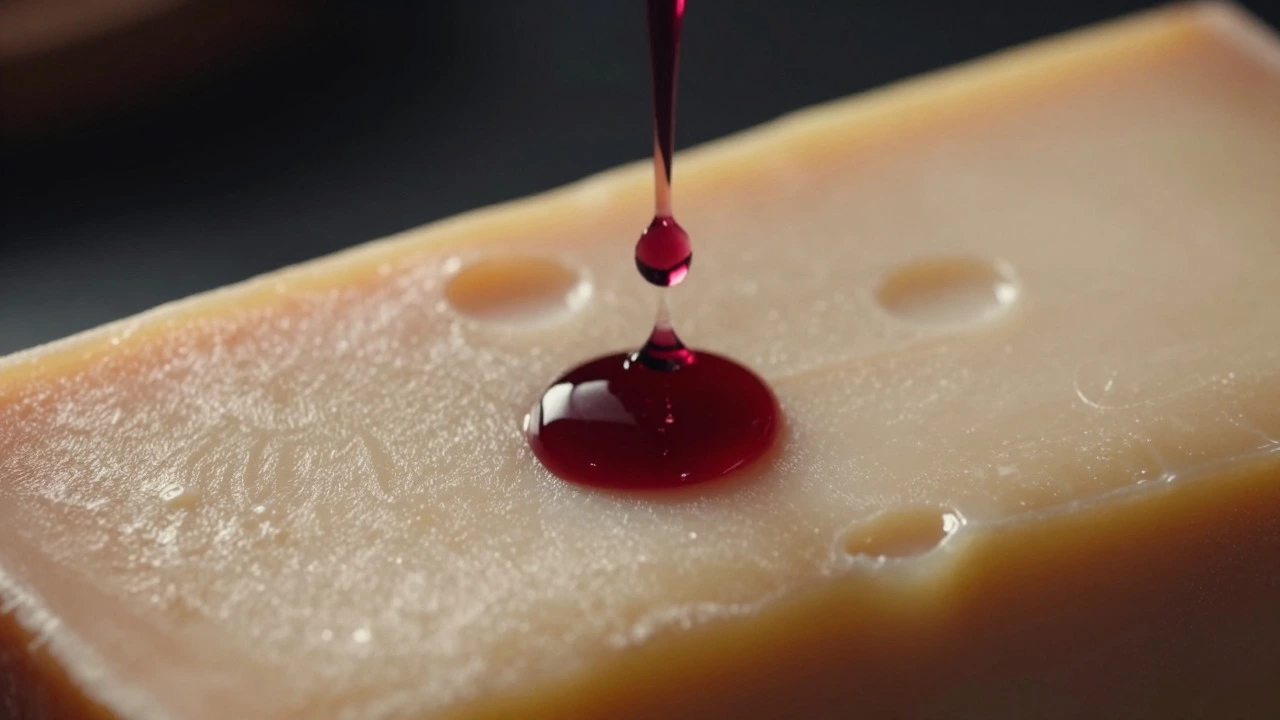
Before we talk about specific brands, you have to understand how Cabernet Sauvignon is a full-bodied red wine known for high tannins and moderate acidity. Tannins are those drying compounds that make your mouth feel fuzzy. They love protein and fat. When you eat a fatty cheese, the tannins bind to the fat instead of your saliva, making the wine taste smoother and fruitier.
This is why soft, fresh cheeses usually fail here. A young goat cheese (chèvre) has high acidity and low fat. That acidity clashes with the wine’s structure, often bringing out bitter or metallic notes. Instead, look for cheeses that have been aged. Aging concentrates flavor and reduces moisture, creating a firmer texture that matches the wine’s weight.
- Fat content: Look for semi-hard to hard cheeses. The fat coats your palate, buffering the tannins.
- Aging time: Aim for cheeses aged at least 6-12 months. This develops the nutty, savory complexity needed to compete with the wine.
- Texture: Firm and crumbly beats creamy and spreadable.
The Gold Standard: Aged Cheddar
If you only buy one cheese for your bottle of Cabernet, make it an aged cheddar is a sharp, firm cow's milk cheese aged typically over 12 months.. It is the most universally recommended pairing for a reason. The sharpness of a well-aged cheddar meets the wine’s bold fruit head-on without getting lost.
When you choose cheddar, ignore the yellow wax-coated blocks from the supermarket deli counter unless they specify "extra sharp" or "vintage." You want a cheddar that has been aged for at least 12 months, preferably longer. At this stage, the cheese develops crystalline crunches (calcium lactate crystals) that add a pleasant textural contrast. The nutty, savory profile complements the oak and vanilla notes often found in Cabernet Sauvignon.
Pro tip: Serve the cheddar at room temperature. Cold cheese locks in the fats, muting the flavor and reducing its ability to soften the wine’s tannins.
Nutty Alternatives: Aged Gouda and Alpine Cheeses
If cheddar feels too aggressive, try moving toward the dairy aisle’s nuttier options. Aged Gouda is a Dutch cow's milk cheese aged for extended periods, developing caramel and butterscotch notes. Unlike young Gouda, which is mild and sweet, aged Gouda (often labeled as 18-month, 24-month, or older) becomes harder and more complex. It brings a toffee-like sweetness that acts as a plush counterpoint to the wine’s firm structure.
Alpine-style cheeses are another top-tier choice. Think Comté is a French cow's milk cheese from the Jura mountains, known for its buttery and caramelized flavors. and Gruyère is a Swiss hard cheese with a nutty, slightly salty profile that deepens with age.. These cheeses share a similar DNA: they are made from cow’s milk, pressed firmly, and aged to develop earthy, savory depths. Comté, in particular, has a silky texture that mirrors the richness of a high-quality Cabernet, creating a cohesive tasting experience where neither element dominates.
| Cheese Type | Key Flavor Profile | Why It Works | Best For |
|---|---|---|---|
| Aged Cheddar | Sharp, nutty, crystalline | Fat softens tannins; sharpness matches wine intensity | Bold, oaky Cabernets |
| Aged Gouda | Caramel, butterscotch, savory | Sweetness balances bitterness; firm texture holds up | Riper, fruit-forward wines |
| Manchego | Salty, nutty, grassy | Sheep's milk richness adds depth without clashing | Earthy, herbal Cabernets |
| Gruyère / Comté | Buttery, earthy, complex | Umami enhances dark fruit notes; smooth mouthfeel | Elegant, balanced wines |
Sheep’s Milk Powerhouses: Manchego and Pecorino
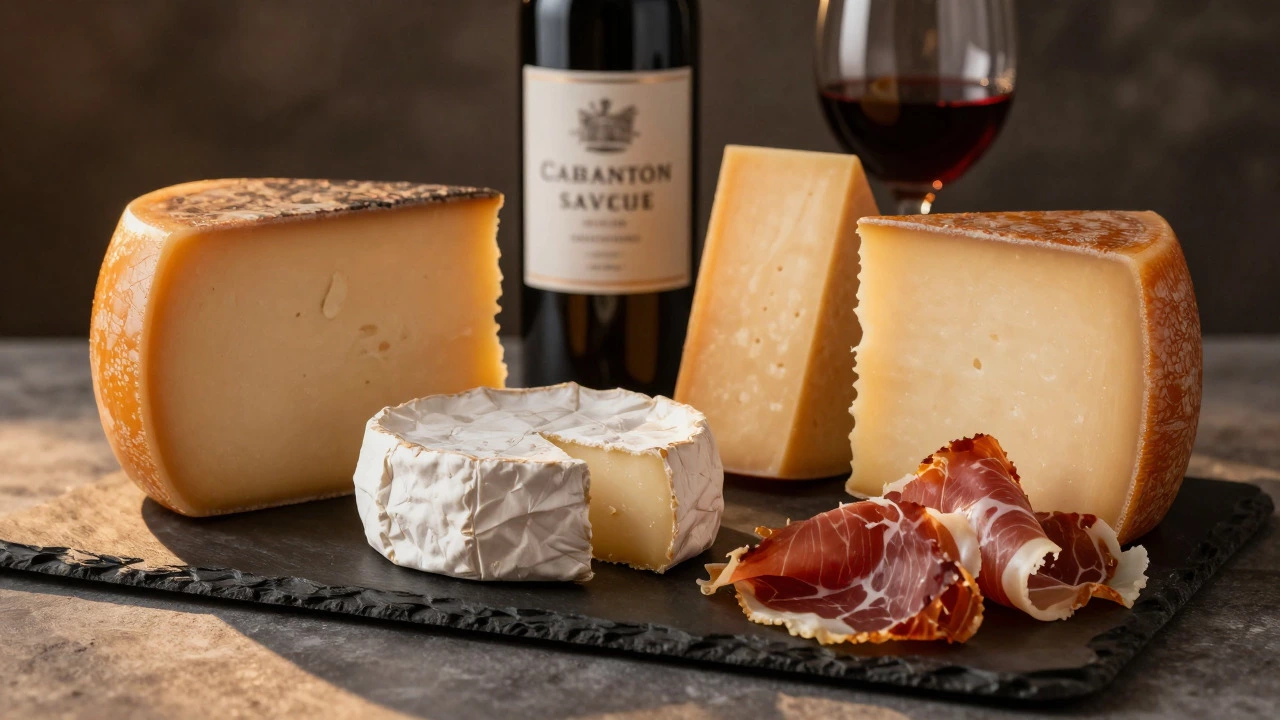
Don’t overlook sheep’s milk cheeses. They naturally contain more fat than cow’s milk, giving them a richer mouthfeel that pairs beautifully with heavy reds. Manchego is a Spanish sheep's milk cheese with a firm texture and savory, nutty character. is a standout here. Its slight saltiness draws out the earthy, herbal side of Cabernet Sauvignon, while its firm body ensures it doesn’t get overwhelmed.
Similarly, Pecorino is an Italian family of sheep's milk cheeses, often firm and oily with intense savory notes. (specifically Pecorino Romano or aged Pecorino Toscano) offers a punchy, salty kick. This intensity energizes the wine’s ripe fruit flavors, making each sip feel more vibrant. Just ensure the Pecorino is aged; fresh Pecorino is too milky and tangy for this job.
The Blue Cheese Debate: To Try or Not to Try?
Blue cheese and Cabernet Sauvignon is a controversial pairing. Some sommeliers swear by it; others warn of disaster. The truth lies in the type of blue. Strong, pungent blues like Roquefort or Stilton can clash with tannins, amplifying bitterness and metallic tastes. However, milder, creamier blues can work wonders.
Gorgonzola Dolce is a mild, creamy Italian blue cheese with a buttery flavor. is the safest bet. Its sweetness and creaminess balance the wine’s structure without introducing harshness. If you’re feeling adventurous, try a washed-rind blue or a mild Danish blue. The key is to avoid blues that are overwhelmingly salty or sharp. If the cheese makes you gag before you even take a sip of wine, it’s probably too strong for your Cabernet.
Cheeses to Avoid (And Why)
Knowing what to skip is just as important as knowing what to buy. Here are the common pitfalls:
- Fresh Goat Cheese (Chèvre): High acidity and low fat cause a chemical clash with tannins, resulting in a dry, astringent finish.
- Brie and Camembert: While delicious on their own, these bloomy-rind cheeses are often too creamy and delicate. They can make Cabernet taste metallic or thin. Exception: Baked Camembert, where the heat changes the texture and flavor profile.
- Feta: Too salty and acidic. It overwhelms the subtle nuances of the wine.
- Mozzarella: Lacks the structural integrity and flavor depth to stand up to a full-bodied red.
Building Your Perfect Pairing Plate
You don’t need a gourmet degree to build a great plate. Follow this simple formula:
- Pick an Anchor: Start with a block of aged cheddar or aged Gouda. This is your safety net.
- Add Complexity: Include a wedge of Manchego or Comté for nutty, earthy notes.
- Get Experimental: Add a small portion of Gorgonzola or an aged goat cheese (like Garrotxa) if you want to explore contrasts.
- Include Crunch: Rice crackers, water crackers, or crusty bread help cleanse the palate between bites.
- Consider Cured Meats: Salami or prosciutto add umami and fat, further softening the wine’s tannins.
Remember, wine pairing is personal. If you love a specific cheese, try it anyway. The goal is enjoyment, not perfection. But by sticking to firm, aged, and fatty cheeses, you’ll dramatically increase your chances of a harmonious experience.
Frequently Asked Questions
Can I pair soft cheese with Cabernet Sauvignon?
Generally, no. Soft, fresh cheeses like feta, ricotta, or young chèvre have high acidity and low fat, which clash with Cabernet's tannins, often creating a metallic or bitter taste. Exceptions include very rich triple-cream cheeses or baked soft cheeses, but firm, aged varieties are much safer bets.
What is the best cheese for a bold, oaky Cabernet?
For bold, oaky Cabernets, you need a cheese with significant presence. Extra-sharp aged cheddar (18+ months) or a robust aged Gouda works best. The sharpness and nuttiness complement the oak and vanilla notes in the wine without being overpowered.
Why does goat cheese sometimes taste bad with red wine?
Young goat cheese is highly acidic. When combined with the tannins in red wine, the acidity can amplify the astringency, making both the wine and the cheese taste harsh or metallic. Aged goat cheeses, however, lose some of this sharp acidity and develop nuttier flavors that pair much better.
Is blue cheese okay with Cabernet Sauvignon?
It depends on the blue. Mild, creamy blues like Gorgonzola Dolce can pair well because their sweetness balances the tannins. Strong, salty blues like Roquefort may clash, bringing out bitter notes. Always start with a small bite to test the combination.
Should I serve cheese cold or at room temperature?
Always serve cheese at room temperature. Cold cheese has hardened fats that mute flavor and reduce aroma. Taking it out of the fridge 30-60 minutes before serving allows the flavors to open up, enhancing the pairing experience.


Categories