Wine Tasting Ritual Guide
The 6 Steps of Approval
Click a step to see what to do.
Check Label
Verify producer & vintageInspect Cork
Sniff for dampness (optional)Hold Stem
Keep hand off bowlSwirl & Smell
Release aromasTaste
Check for cleanlinessSignal
Nod or say 'Fine'Ready to order?
Select a step on the left to learn exactly how to handle that part of the wine service ritual with confidence.
Fault Detector Simulator
What does the wine smell like? Click the scent you detect.
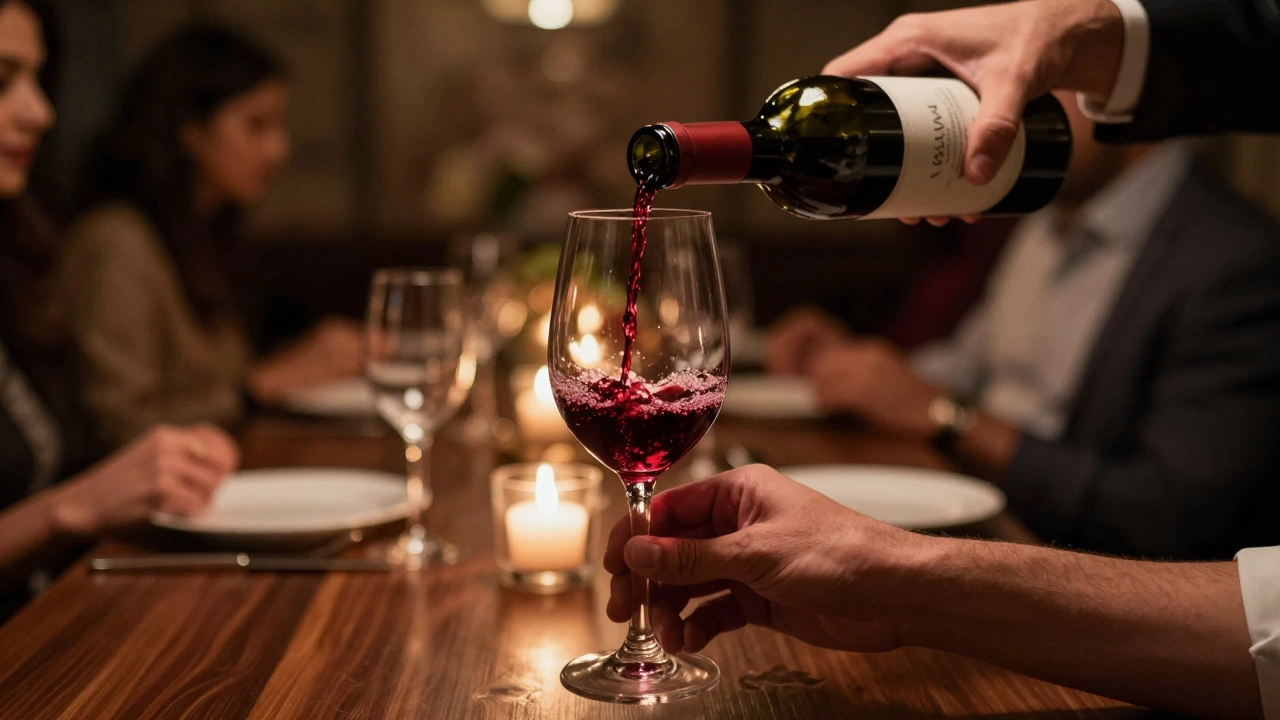
Picture this: you’re sitting at a nice dinner, you’ve just ordered a bottle of red, and the waiter brings it to the table. Instead of pouring glasses for everyone immediately, they slice off the top, pull the cork, and pour a tiny splash into your glass. You take a sip, nod, and then-only then-does the real drinking begin.
If you’ve ever felt like that moment was an awkward test of your wine knowledge, you aren’t alone. Many diners freeze up, wondering if they need to recite flavor notes or pretend to be an expert. But here’s the secret: nobody expects you to critique the terroir. That small pour isn’t about whether you like the wine. It’s a safety check.
The Short Answer: It’s About Quality Control
The primary reason waiters pour a little wine first is to allow you to verify that the bottle is correct and free from faults before the whole table commits to it. Think of it as a handshake between you and the restaurant. It confirms two things: that you are getting exactly what you ordered (the right producer, vintage, and region) and that the wine hasn’t spoiled during storage or transport.
This ritual has nothing to do with judging if the wine tastes good enough for your personal preference. As Anne McHale MW, a Master of Wine, points out, the sample is strictly for verifying if the wine has a fault. If the wine smells clean and matches the label, your job is done. You don’t need to love it; you just need to confirm it’s not broken.
A Brief History of Trust and Tampering
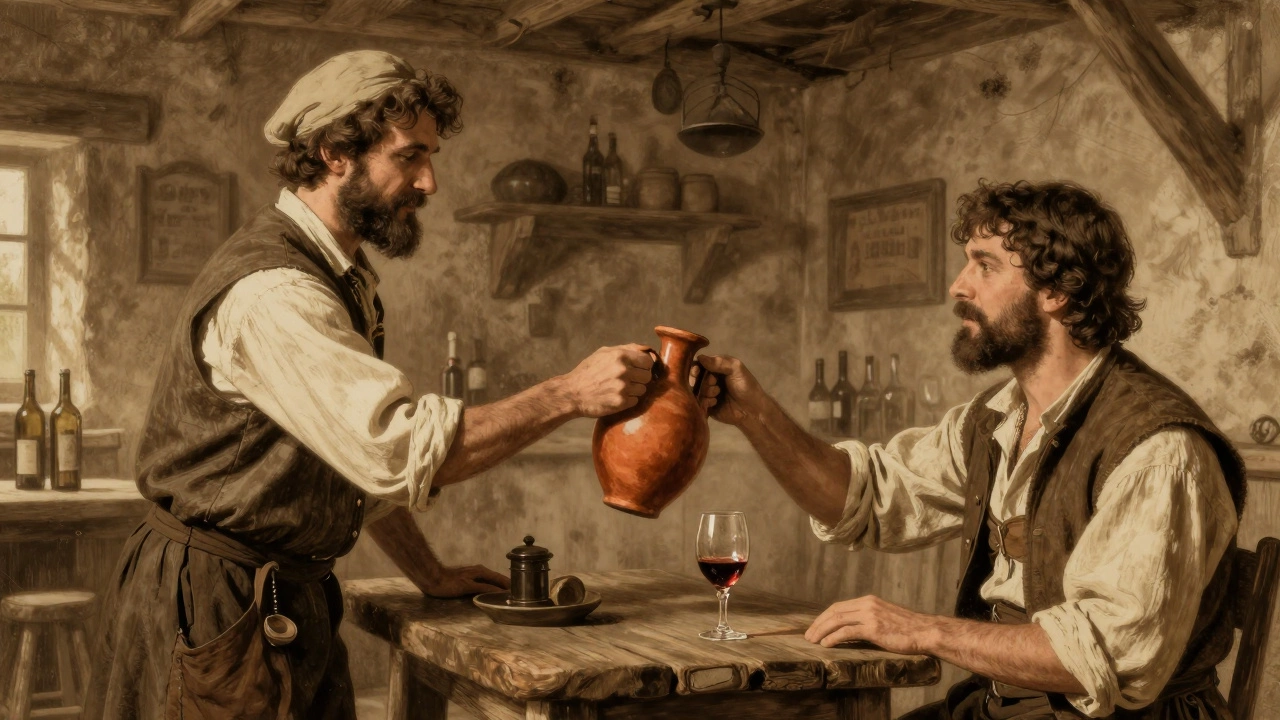
To understand why we still do this in 2026, you have to look back at "old Europe," particularly France and Italy. Centuries ago, bottling technology was primitive. Corks weren’t always reliable seals, and bottles could easily be tampered with or spoil during long journeys from vineyard to inn.
In those days, pouring a taste for the guest was a practical proof of authenticity. It showed the merchant that the wine was genuine, untampered, and safe to drink. Over time, this practical safety measure evolved into a codified part of high-end dining etiquette. Today, while modern bottling tech is much slicker and safer, faults still happen. The ritual persists because it builds trust and prevents disputes later on. It sets the pace for the meal, marking the wine as something to be appreciated rather than just consumed.
What Exactly Are You Checking For?
When that small pour lands in your glass, your nose is your best tool. You aren’t looking for blackberry or oak notes yet. You are hunting for specific signs of spoilage. Here are the main culprits you should watch out for:
- Cork Taint (TCA): This is the most common fault. It smells like wet dog, wet cardboard, or a moldy basement. If you get that musty whiff, the wine is likely "corked." It won’t make you sick, but it will mute all the fruit flavors and leave a unpleasant aftertaste.
- Oxidation: If the seal failed, air got in. Oxidized wine often smells like sherry, nuts, or even bruised apples when it shouldn’t. White wines might turn brownish; reds can look dull and flat.
- Volatile Acidity: This smells sharp, like nail polish remover or vinegar. A little bit is normal in some wines, but if it hits you hard upon opening, it’s a sign of excessive spoilage.
If any of these aromas jump out at you, speak up. Most restaurants will happily replace the bottle if the sommelier agrees it’s faulty. The goal is to catch these issues early, so only one small sample is wasted, rather than serving four full glasses of bad wine.
Step-by-Step: How to Handle the Taste
You don’t need a degree in oenology to handle this moment. Follow these simple steps to navigate the ritual with confidence:
- Check the Label: Before the bottle is even opened, the server should present it to you. Verify the producer, name, and vintage match what you ordered. Mistakes happen in busy cellars, so this is your first line of defense.
- Inspect the Cork (Optional): Some servers place the cork on a plate for you. You can give it a sniff. If it smells like wet cardboard or damp cellar, that’s a warning sign of cork taint. However, remember that the wine itself is the final judge, not the cork.
- Hold the Stem: When you receive the small pour, hold the glass by the stem. This keeps your hand heat from warming the wine, which can alter its aroma.
- Swirl and Smell: Give the glass a gentle swirl to release the aromas. Bring it to your nose and take a quick sniff. Is it clean? Does it smell like fruit and earth, or does it smell like a wet basement?
- Taste: Take a small sip. Let it coat your mouth briefly. Again, focus on cleanliness. Does it taste flat or sharp? Or does it taste like the wine variety you ordered?
- Signal Approval: If everything seems fine, simply say, "That’s fine, thank you," or give a nod. This signals the server to pour for the rest of the table. They will typically fill guests’ glasses first and top up yours last.
Common Misconceptions: What It Is NOT For
Let’s clear up the biggest myth surrounding this ritual. Many guests believe this small pour is a trial period to decide if they like the style of the wine. Wine Spectator etiquette columns and experts alike emphasize that this is incorrect. Once you order the bottle, you are committing to it.
However, there is a nuance in modern hospitality. While formal etiquette says you can’t return a sound bottle just because you dislike it, many restaurants are flexible. If you take a sip and genuinely feel it’s not what you expected, politely telling the server, "I thought I’d like this, but it’s not for me tonight," often results in them offering a swap. This isn’t about the wine being faulty; it’s about keeping you happy. But don’t rely on this as a rule-it’s a courtesy, not a right.
Who Should Taste the Wine?
Tradition dictates that the person who ordered the bottle-the host-should be the one to taste it. This holds true even if you are the least knowledgeable wine drinker at the table. Historically, hosts were often connoisseurs, but today, the role is more about responsibility than expertise.
By having the host approve the wine, the ritual reinforces that the host is ensuring the quality for everyone else at the table. It’s a subtle power dynamic that places the decision-making in the hands of the person paying for the bottle. If you are a guest and someone else ordered the wine, you usually wait until your glass is filled to evaluate it yourself, though you can always ask the host if they noticed anything odd.
Why Restaurants Love This Ritual
Beyond tradition, this practice makes operational sense for the restaurant. By concentrating the evaluation into one small pour, they minimize waste. If a bottle is faulty, catching it after 30ml has been poured is far cheaper and easier than after four full glasses have been served and partially drunk.
It also serves as a pacing mechanism. It gives the kitchen a few extra minutes to prepare appetizers while the table engages in the anticipation of the wine. It transforms the arrival of the bottle from a mundane delivery into a moment of theater and respect for the product.
Can I refuse the small pour?
Technically, yes, but it’s not recommended. The pour is a standard part of professional service designed to protect both you and the restaurant. Skipping it removes the chance to detect faults early. If you’re in a rush, you can signal approval quickly, but allowing the ritual to play out ensures a smoother experience.
What if I think the wine is corked but the waiter disagrees?
If you suspect cork taint (smelling wet cardboard or mold), politely ask the sommelier or manager to taste it as well. They are trained to identify these faults. If they agree, they will replace the bottle. If they disagree, you may have to accept the wine, though reputable establishments often accommodate guests who are visibly uncomfortable with the taste.
Does this apply to screw-cap wines too?
Yes. Even though screw caps eliminate cork taint, wines can still oxidize or develop other faults. The ritual of presenting the bottle and pouring a taste remains a standard of service to confirm the correct vintage and condition, regardless of the closure type.
How much wine is in the small pour?
It’s typically around 25-30 ml (about 1 ounce). This amount is enough to swirl and taste properly but small enough that it doesn’t go to waste if the bottle needs to be returned. It leaves plenty of room in the glass for aeration.
Is it rude to ask for a different wine after tasting?
If the wine is technically sound, formal etiquette says no, you cannot change it just because you don’t like it. However, in practice, many restaurants will allow a switch if you communicate politely and early. It’s better to be honest than to suffer through a bottle you dislike, but frame it as a preference issue, not a quality complaint.





Categories